


3 Common Reader Questions Answered by Local Design Pros
Your architecture, building, interior design and landscape questions answered by Valley pros.

Landscape Designer
Steve Pine, Onsite Landscape
How can I lower water usage by integrating cactus and succulents into my landscape design?
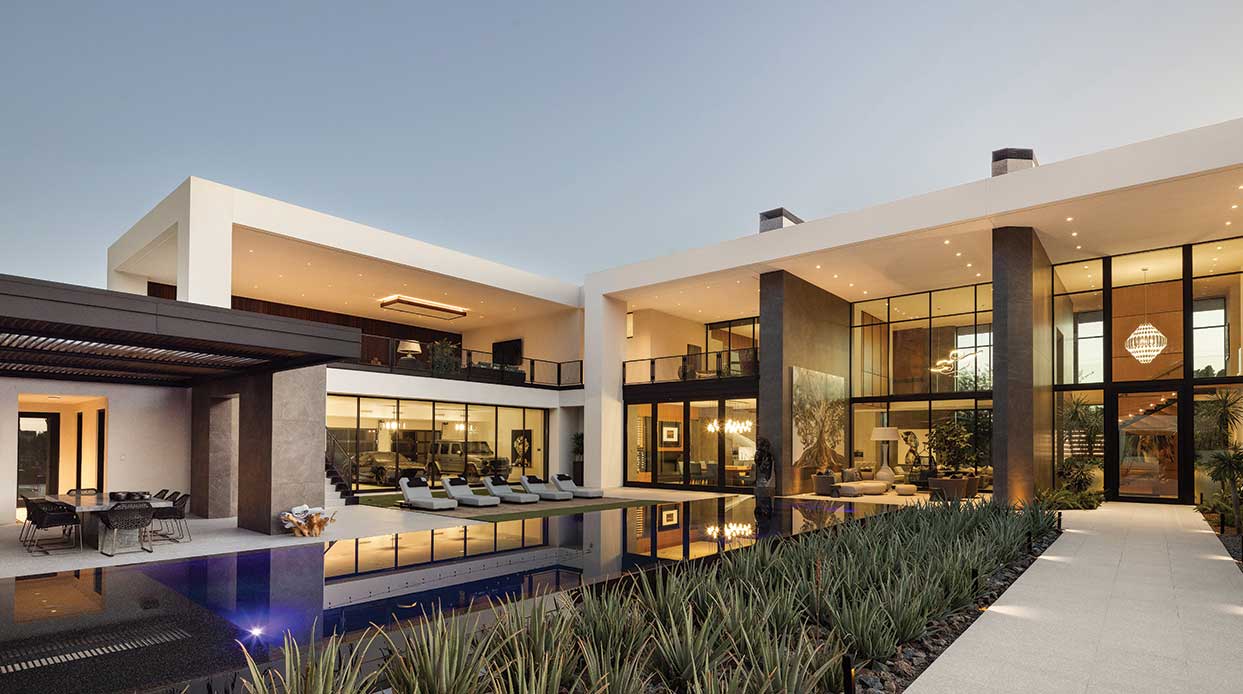
That’s a great question for us desert dwellers, and it has a simple answer. Succulents, which include aloe vera, agave and cacti, not only create visually appealing outdoor spaces but also significantly reduce water consumption.
Succulents are drought-resistant plants with thick, fleshy, sap-filled leaves, stems or roots. These leaves allow the plants to hold and retain water more effectively than plants with thinner leaves. A perfect example is the aloe vera. There are more than 300 varieties of aloe that when planted in groupings or structured grids will create a powerful appearance and add impact to any landscape when in bloom.
Agaves are succulents that bring drama and structure to any garden. The wide variety of sizes, shapes and colors allows for unlimited combinations and sequences that can be used in contemporary or traditional landscapes. Sun exposure is an important variable in the agave family because some plants prefer morning light, while others want full sun. My favorite agaves to incorporate are blue glow (Agave, ‘Blue Glow’) and foxtail (Agave attenuata). While both struggle in the afternoon sun, they can thrive under the shade of a native palo verde or desert ironwood tree.
Cacti have thick, fleshy stems that typically bear spines, lack leaves, and produce brilliantly colored flowers. Whether they’re short and round or tall and thin, cacti are an excellent way to frame other garden elements, such as boulders and pathways, for striking design impact. One of my favorites in this family is the Argentine saguaro
(Trichocereus tersheckii), a cousin of the stately Arizona saguaro, which has a faster growth rate and showcases a vivid yellow spine color.
If you decide to infuse succulents into your next design, try to group plants with similar water needs, isolate them on a dedicated irrigation valve and improve soil drainage with gravel or sand. Water your newly planted succulents more frequently until they establish a strong root system, which might take a few weeks or even months. Then water them sparingly once they are established.
It’s also a good idea to educate yourself even more about these amazing plants. A ton of information can be found on the internet or by speaking to a landscape professional or your local nursery.
Interior Designer
Isabel Dellinger Candelaria, Earth & Images
When it comes to flooring, how do I choose the right tile for my space?
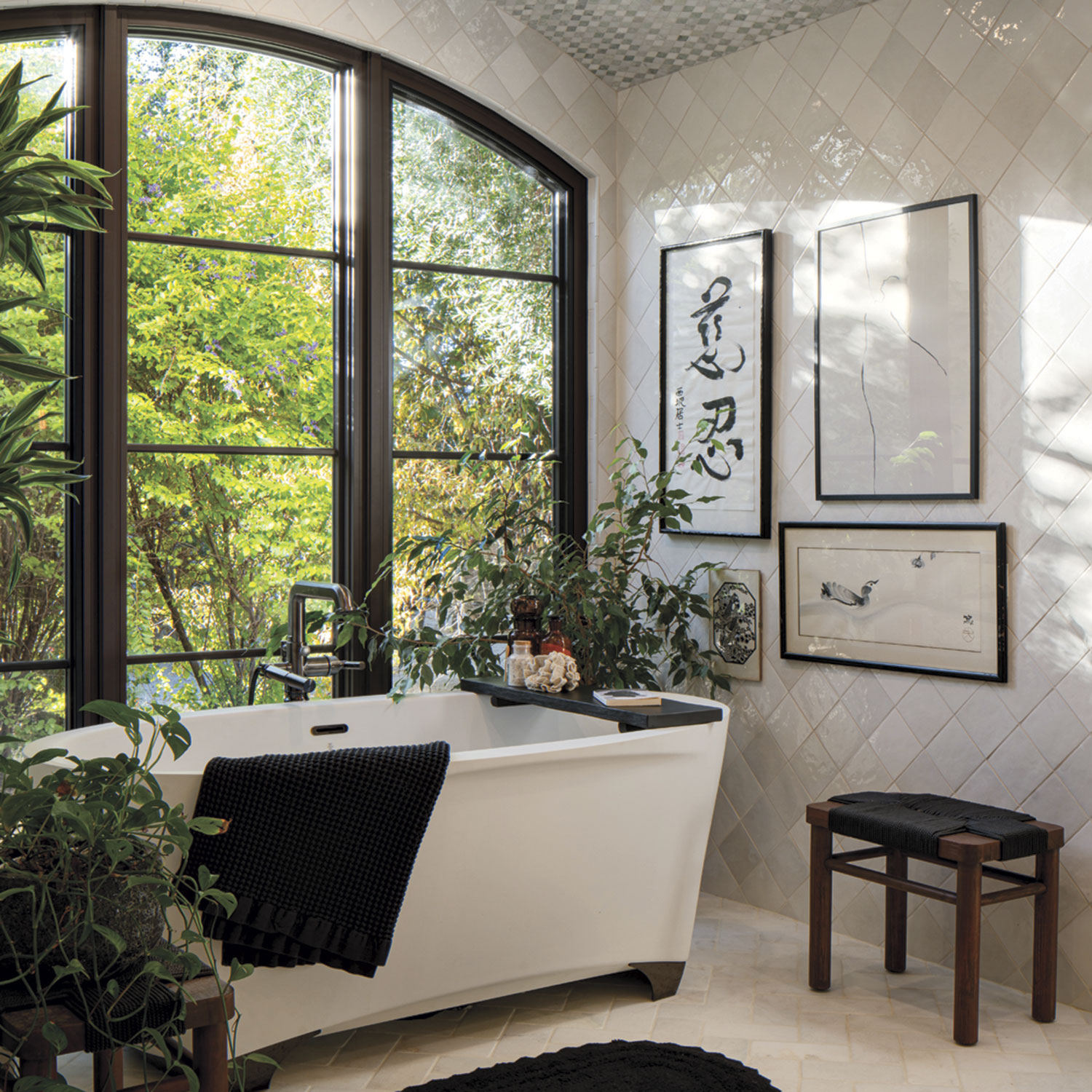
A general rule of thumb is: if it is a big room, use larger format tile; for less square footage, use smaller tile.
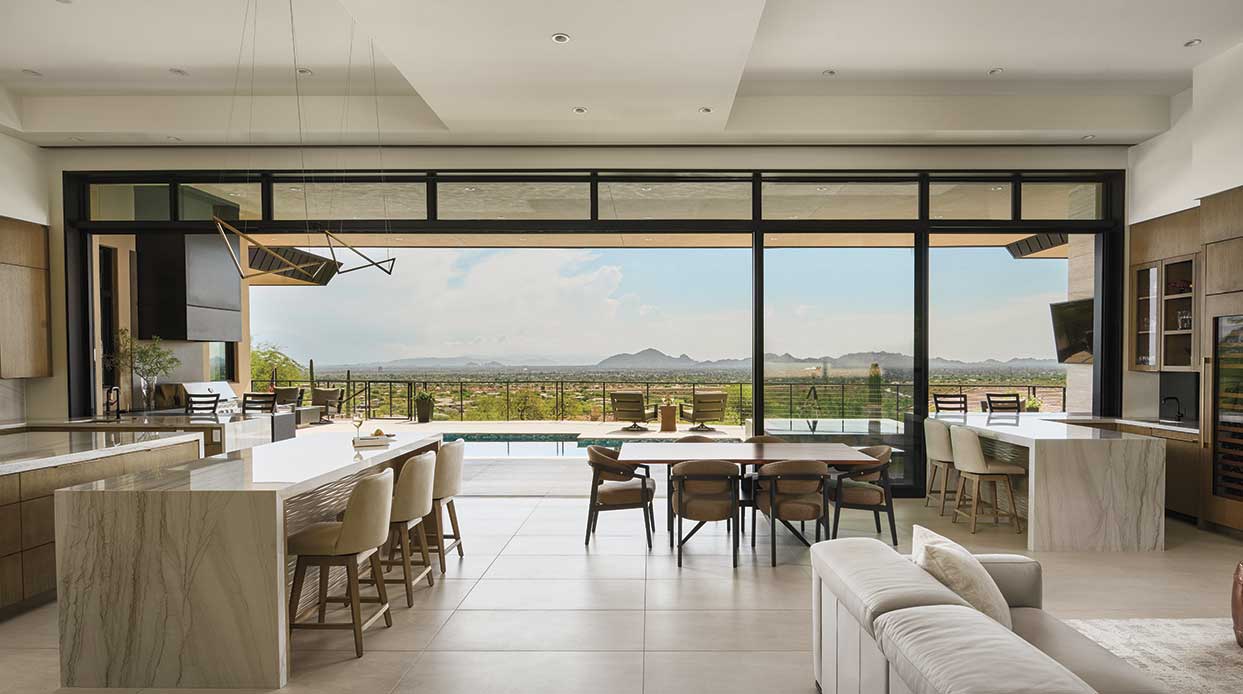
One mistake I see people make in sizable spaces is selecting tiles that are too small or too patterned, which creates visual noise. Many homes today have open concepts, with a kitchen and great room sharing the same overall space. You may want to break up that expanse. Using the same tile, you can create a transition border into the kitchen by incorporating a soldier course or direction change. This visually compacts the kitchen, which helps make it feel cozy. It also defines the space. You are using the same material but in a different manner.
In a more intimate space, such as a powder room, go with a smaller-scale tile such as penny rounds or mosaics; painted patterns; or a more detailed layout such as a basket weave or herringbone. It won’t get lost. The room can hold it.
Everything is going to be dated eventually, and flooring can show a project’s age. Choose tile that will stand the test of time. You have to love it for the long run.
Architectural Designer
Joel Contreras, Joel Contreras Design
I’m looking for a home that would be a good candidate for a remodel. How can I see things like an architect and make the best selection?
Beyond the obvious and most important criteria of location and neighborhood, here are the elements I consider when selecting a home to remodel or add to.
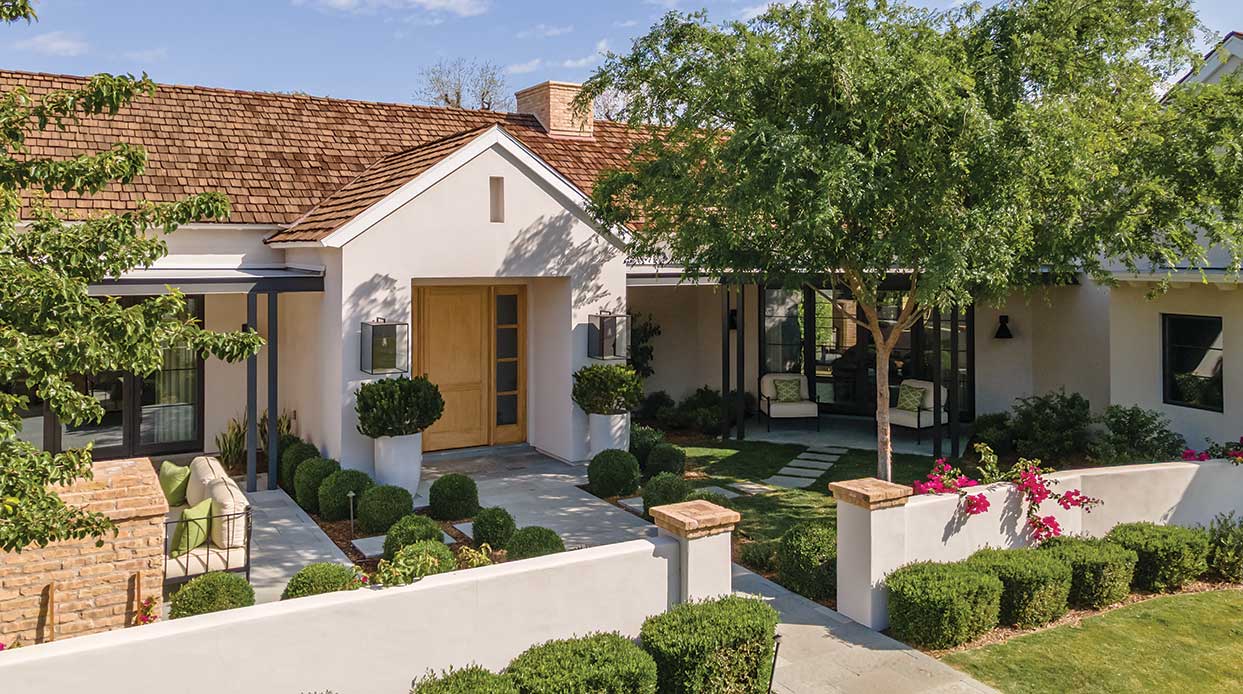
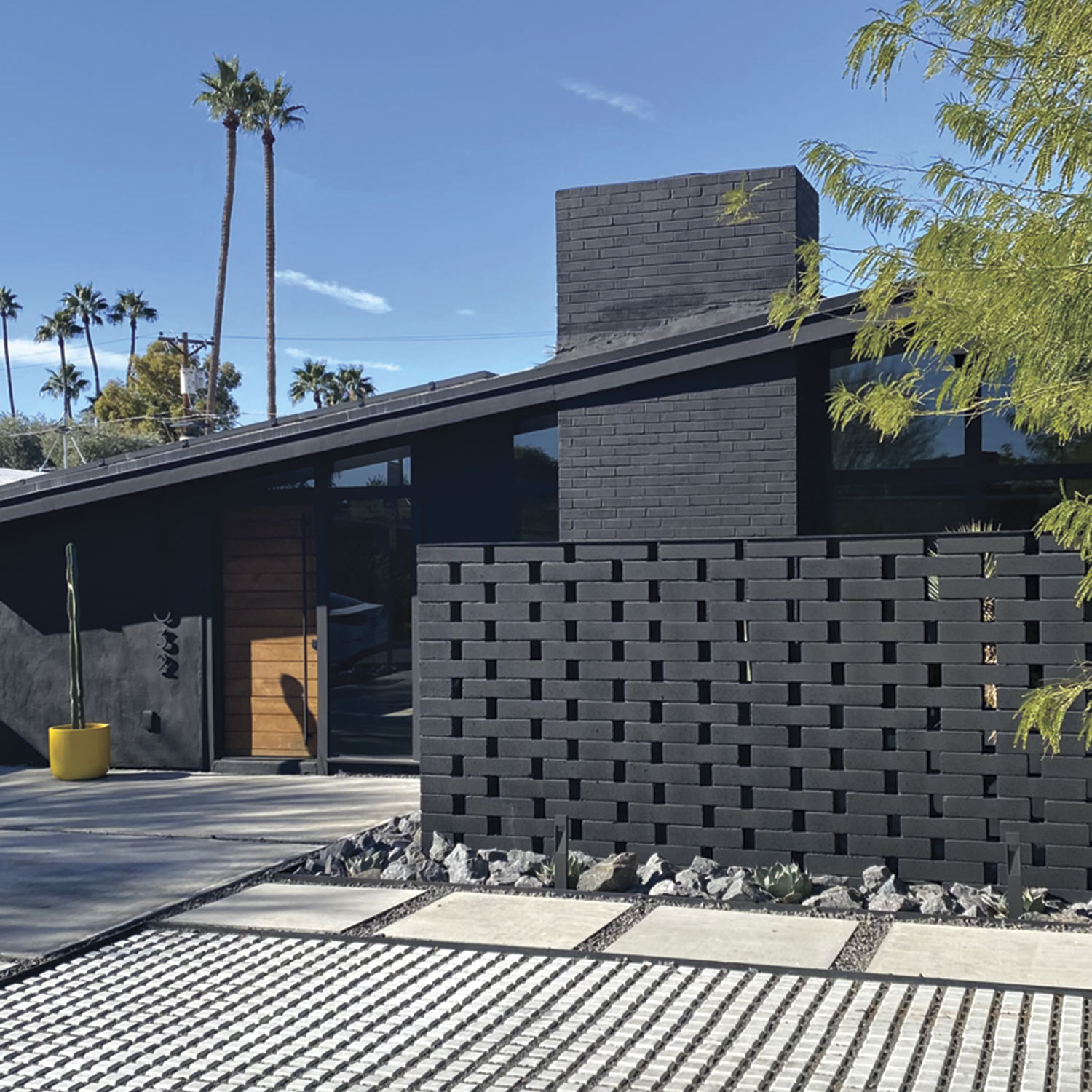
The first would be the current curb appeal. Rarely do we get to significantly alter the face of a house, so selecting one with some charm, handsomeness and interest makes things much easier budget-wise. Next would be the type of construction. I have a preference for red brick or concrete block because the combination of the pattern/texture of masonry with new, smooth modern surfaces is always a win. In today’s economy, masonry is very expensive to build with so finding a property that is priced less than its replacement cost is always a score psychologically.
I also look at the lot size. It is always nice to have some depth for expansion. A popular product right now is a historic house or a block construction ranch home with a significant modern addition—the old with the new. These additions have their own identity and appeal, and a smooth stucco add-on can contrast well with the masonry-built home and is easier on the bank account. Having a lot of space between the existing home and the setback line is always good.
The next most important feature I look for is a clean, functional floor plan that doesn’t require a complete gut and rebuild. The more walls that can be kept and systems that don’t have to be completely replaced, the more money can be spent on cosmetics. I also look for homes with taller ridge heights in a gable roof situation because I always want to know what I am working with in terms of added space and height inside when I vault the ceilings.
Finally, I look for savable gems. I always enjoy enhancing and preserving whenever I can, so part of the fun in looking for a project is in identifying what lives on. Sometimes this is an ornate front door, a midcentury fireplace or salvaged hardwood floors. Everything you save helps tell a unique story that is not easy to duplicate.
SOURCES
Landscape designer: Steve Pine, OnSite Landscape, Scottsdale, onsitebuilds.com. Architectural designer: Joel Contreras, Joel Contreras Design, Phoenix, joelcontrerasdesign.com. Interior designer: Isabel Dellinger Candelaria, Earth & Images, Phoenix, earthandimages.com.