


Where the Kitchen Meets the Garden

A desert potager rooted in Old-World elegance and abundance
By Lori A. Johnson | Photography by El Creative
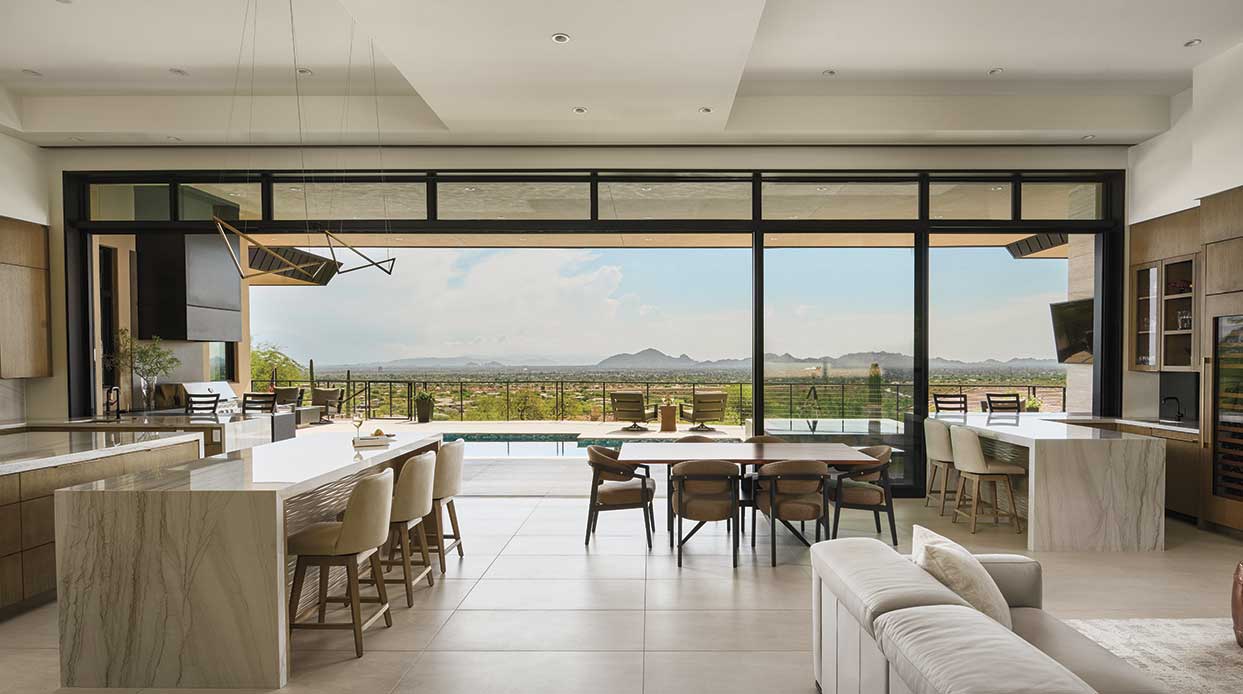
From the kitchen window of this Paradise Valley family home, an intentionally designed potager garden is always in view. More than a typical collection of raised beds, a potager blends food, flowers and daily living into a cohesive whole. “When I describe a potager to others, I tell them it is a French-inspired kitchen garden where everything is designed to be both functional and beautiful,” says homeowner and garden designer Mayla Greiner. “The pathways, the raised beds, the seasonal planting, the proximity to the kitchen—all of it works together to support daily living. You step outside for herbs, greens, flowers for the table or whatever is ready that day.”
Purchased in February 2025,the property immediately offered what Mayla’s family had been searching for—privacy, breathing room and potential. “The 1-acre lot was the first thing that drew us in,” she explains. “We loved the feeling of space and the ability to create something personal and lived in.” She immediately began shaping both house and landscape at the same time, envisioning the outdoor space as a true extension of the home.
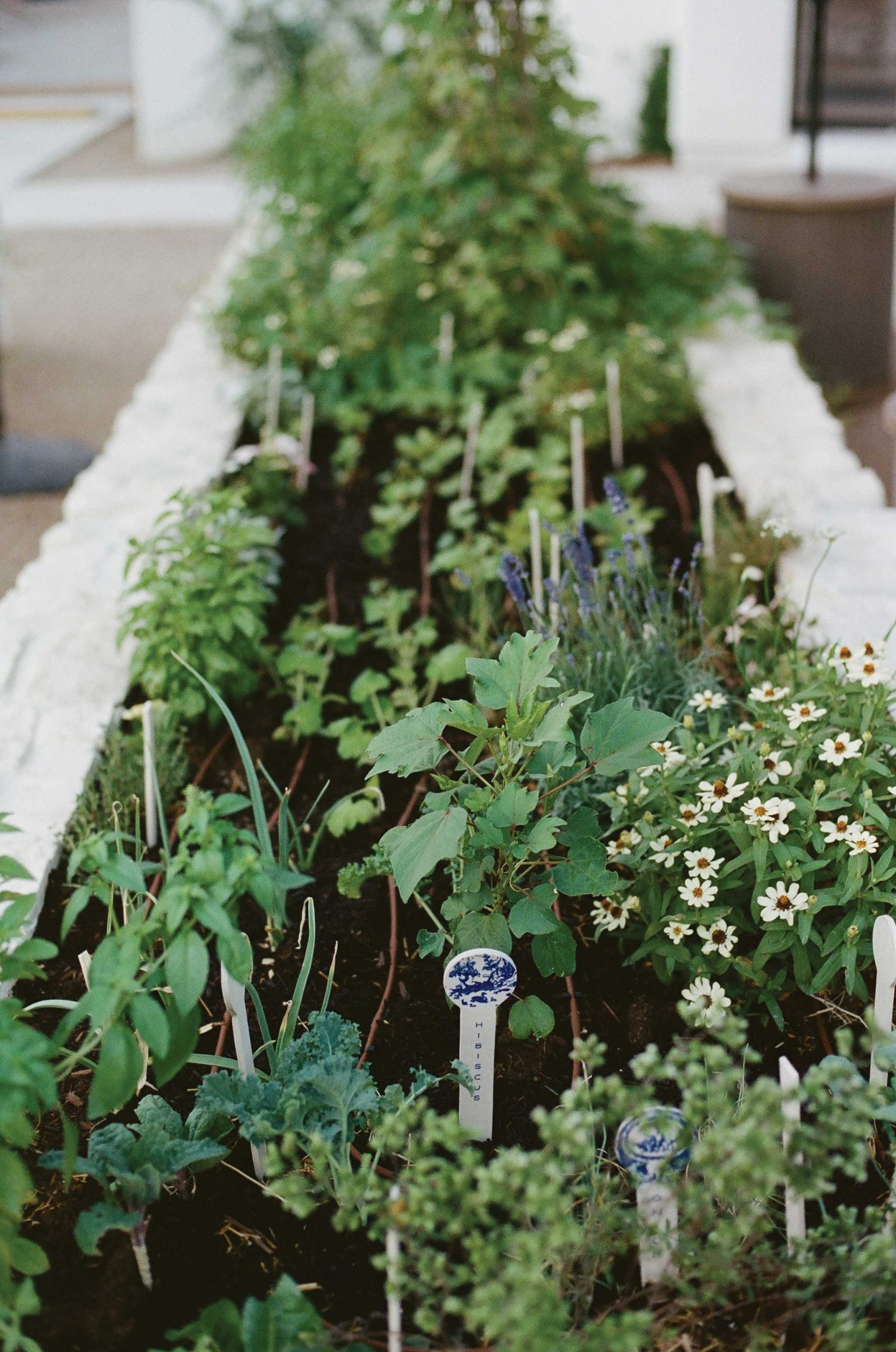
The yard itself was a blank canvas—no trees, no beds, no garden to speak of, save a lone citrus tree near the current potager and a few mature ones at the back of the lot. Even the pool and hardscape were redesigned simultaneously with the landscape, allowing everything to be created as one cohesive vision. Central to that vision was the long-held dream of being able to look out from the kitchen and see the garden.
Mayla’s gardening roots stretch far beyond Arizona. Raised in Missouri with a large family garden, she grew up with rich soil and clear seasonal cues. California followed, where mild conditions made growing nearly effortless. After moving to Arizona five years ago, gardening required a complete shift in mindset. “The heat, the soil, the timing—everything required a new understanding,” she recalls. Through study, experimentation and ultimately becoming a master gardener, she learned to work with the desert. Today, her approach centers on soil building, close spacing, shade management and respecting true desert seasons. “Once you understand how the desert works with you rather than against you, gardening here becomes incredibly rewarding,” she says.
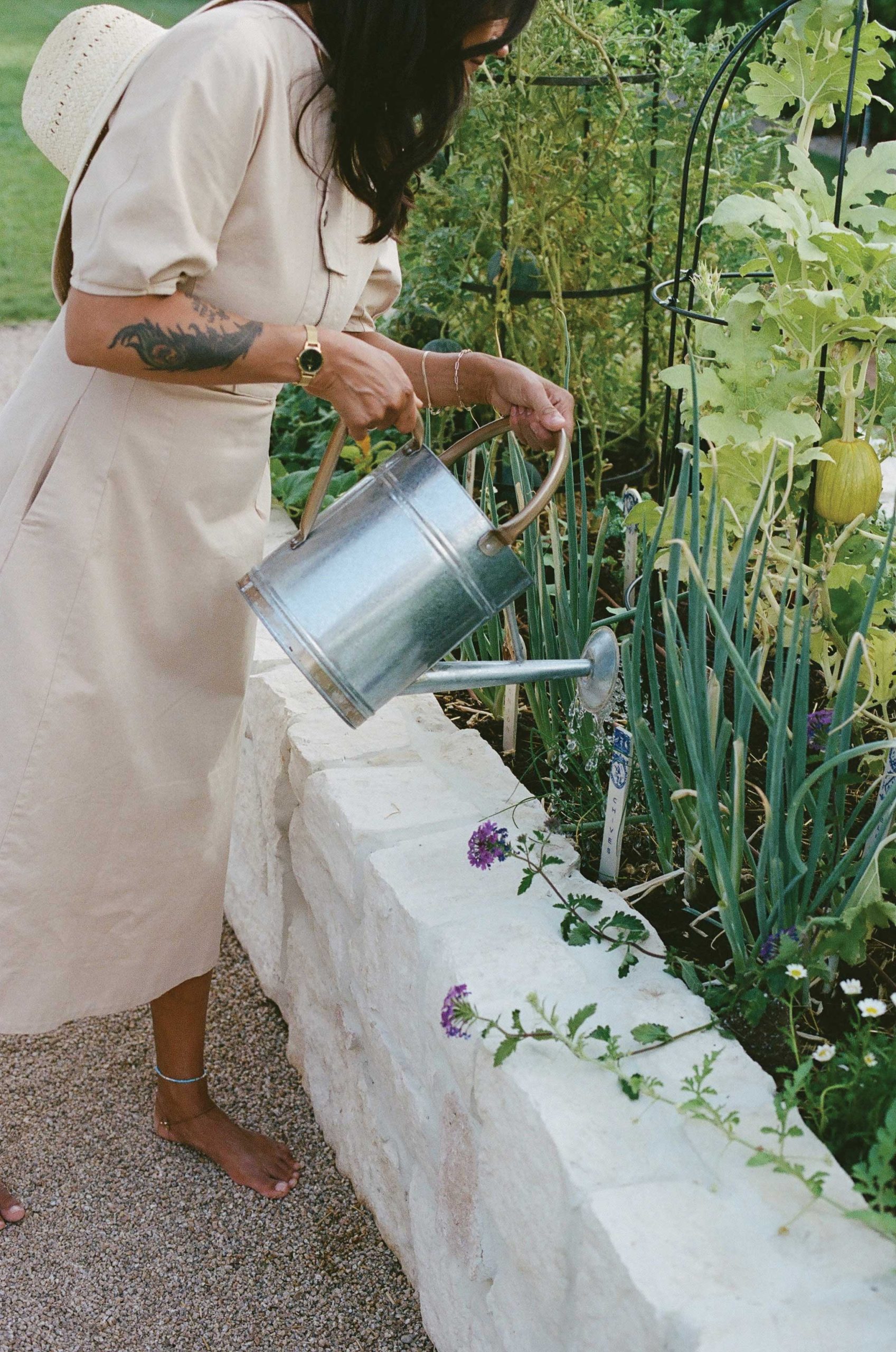
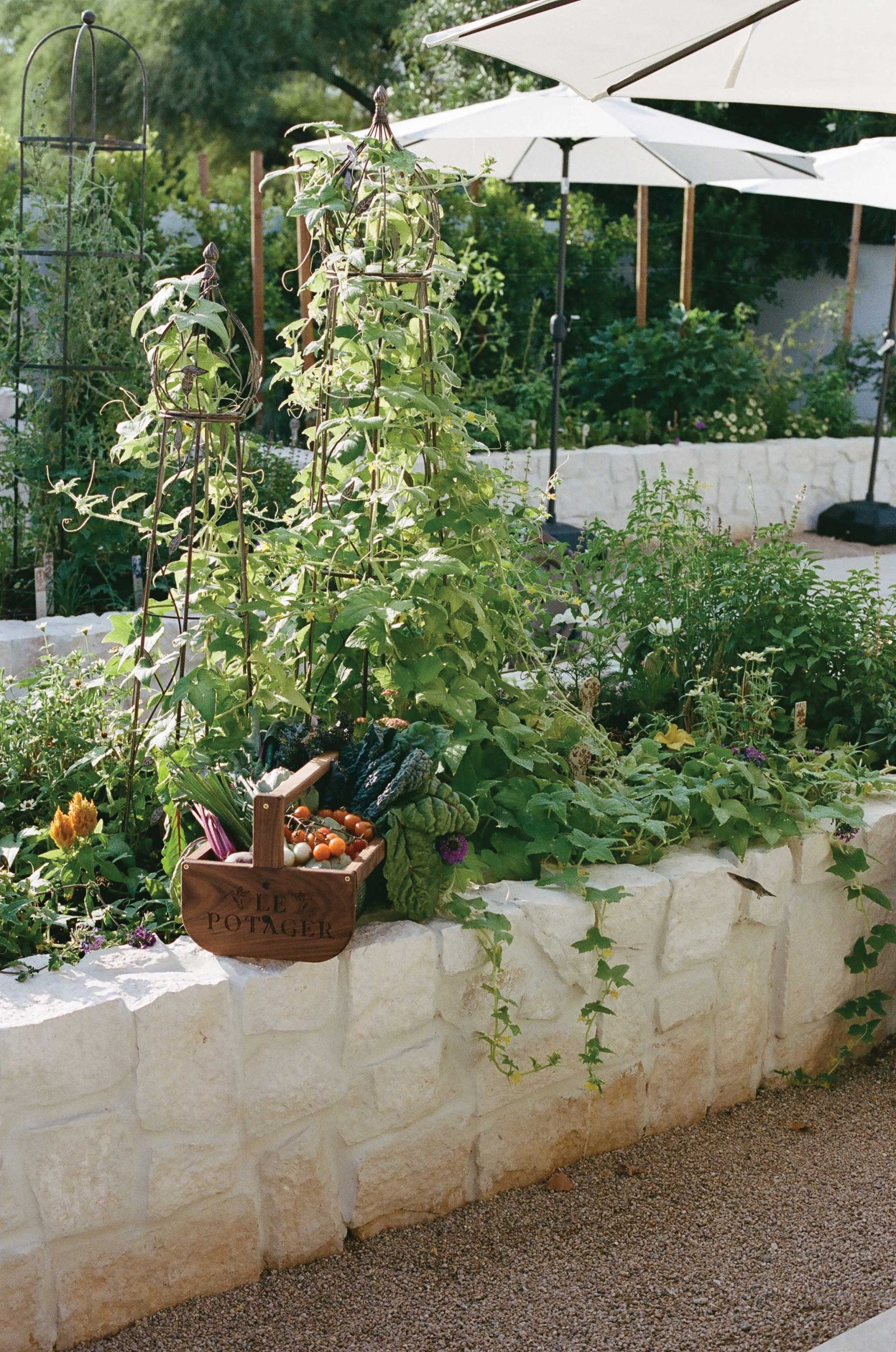
Designing the garden herself felt natural—it is, after all, her profession. From the beginning, the goal was clear: a food-forward landscape inspired by European kitchen gardens. Raised beds anchor the space, with trellises, herbs, edible flowers and seasonal crops layered in to create abundance and beauty side by side. “I wanted the garden to feel both beautiful and abundant, a place that connects our family to the seasons and invites everyone outside,” she says.
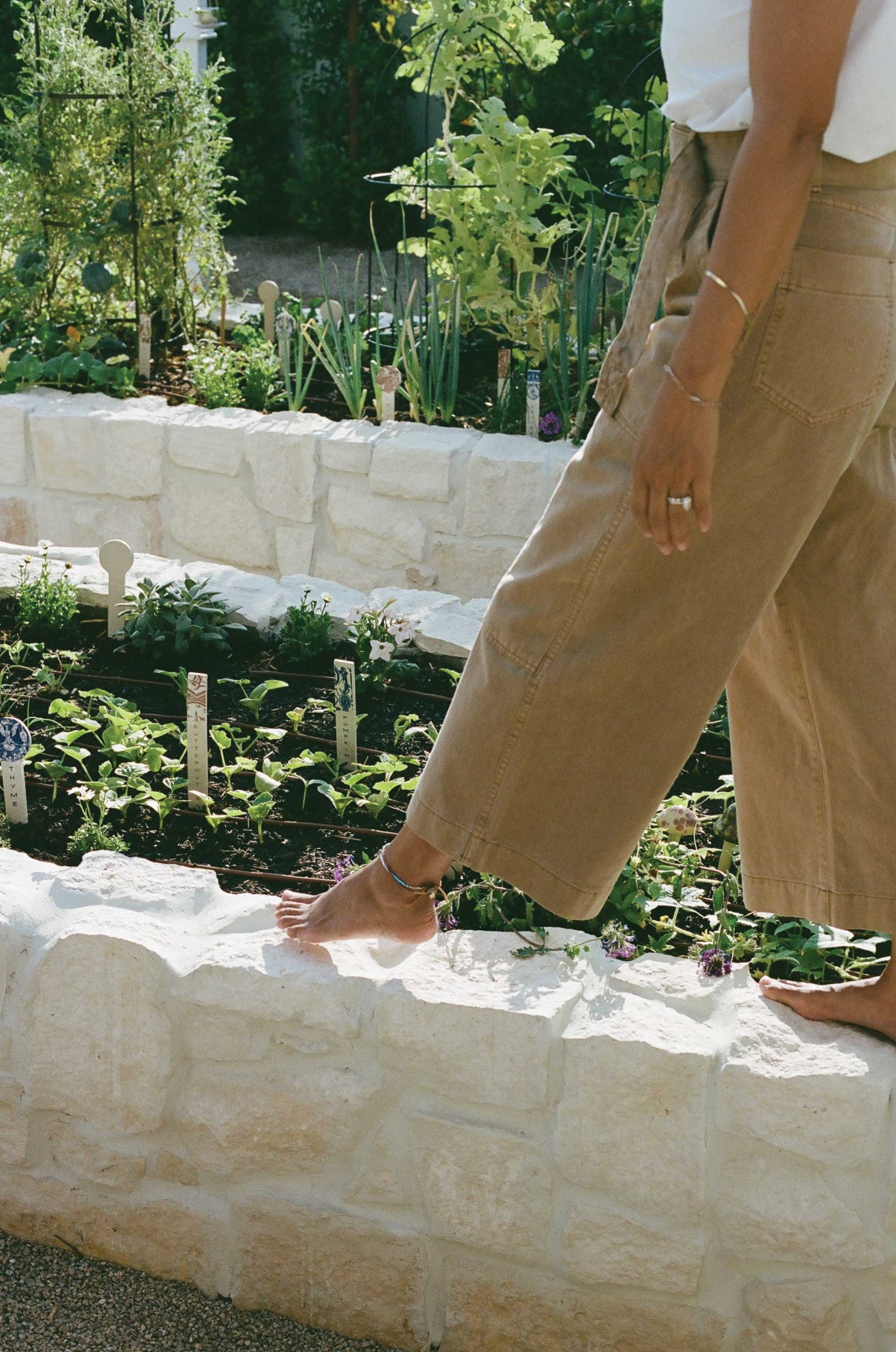
The raised beds themselves make a strong statement. Built from limestone, they bring a sense of permanence and Old-World elegance to the potager. The stone complements the home while providing deep, healthy soil and a visual structure that grounds the entire garden. Every area of the landscape has a purpose. The raised beds sit close to the kitchen, making it effortless to step outside for herbs or greens. A covered patio opens directly onto the garden and serves as a daily gathering place—coffee in the morning, friends in the evening. “The goal has always been to create a place that feels lived in,” she says, “where the garden supports our daily life.”

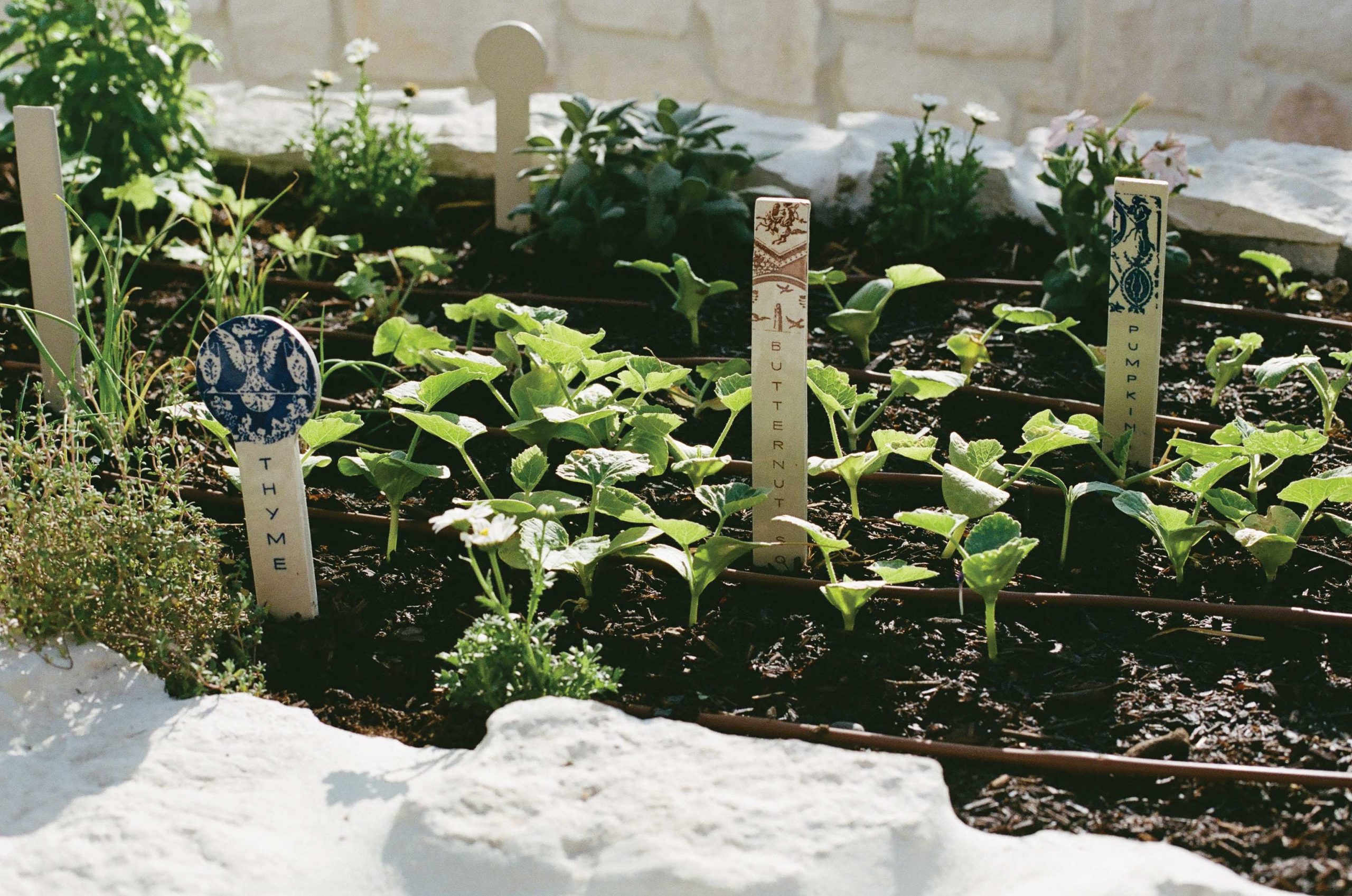
Mayla’s favorite plants change with the seasons, whether tomatoes, lettuce, okra, citrus, berries, herbs or edible flowers, but they all share one thing in common: They’re grown to be used. The family consumes a large portion of what the garden produces, weaving harvests into everyday meals and gatherings. She keeps it simple by limiting the plant palette to about six types, so the garden feels cohesive and manageable. “When you work with fewer plant varieties, you become more connected to the rhythm and needs of each one,” she notes.
Looking ahead, the next chapter of Mayla’s landscape plan includes a rose garden, a citrus orchard, grapevines and strawberry patches, each designed with the same intention and care. “A garden is a living space and evolves as you do,” she says. In this desert potager, that evolution is not only visible, but also deeply felt, rooted in family, seasonality, and the simple act of stepping outside to harvest food grown with purpose.
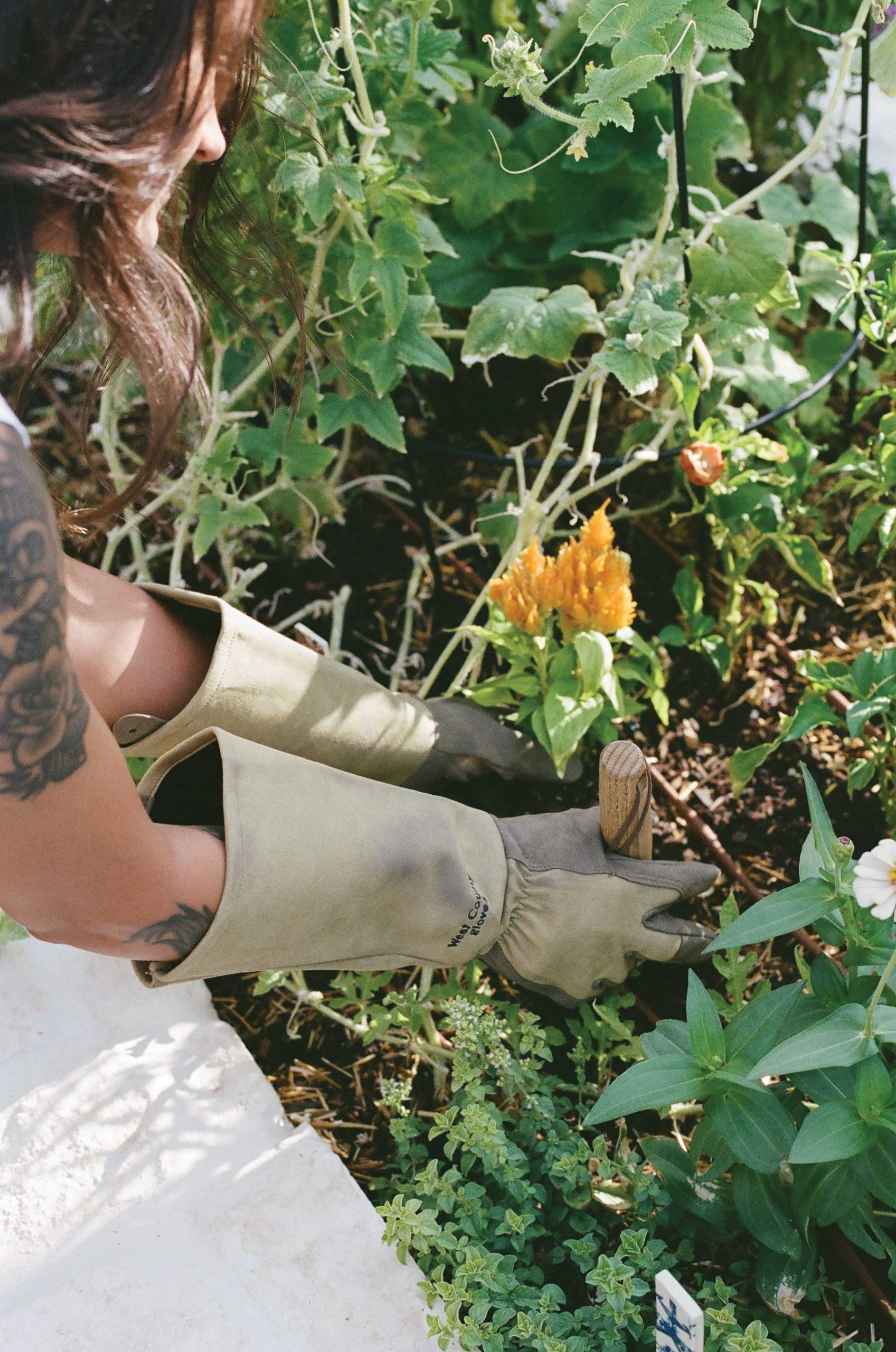
MAYLA'S GROWING TIPS
- Build your soil before you plant. Healthy soil is the foundation of a productive garden and matters more than any single plant choice.
- Plant what you want to eat and in the amount you will use. Succession planting allows you to enjoy a steady harvest rather than everything ripening at once.
- Keep your plant palette simple and intentional. Fewer varieties create consistency in the garden and make it easier to learn how to care for each plant well.
- Plant seasonally and work with the climate. Gardens thrive when you follow nature’s timing rather than forcing growth.
- Plant closely to create natural shade. Dense planting helps protect the soil and conserve moisture and supports healthier plants in warm climates.
- Border your garden with herbs and edible flowers. This not only maximizes growing space but also creates a more European-inspired garden style.
- Design the garden to be part of your daily life. Placing beds near the kitchen makes harvesting feel natural and effortless.
- Water deeply and intentionally. Thoughtful watering encourages strong root systems and more resilient plants.
- Spend a few minutes in the garden each day. Regular observation helps you catch issues early and stay connected to what is growing.
- Remember that the garden is never finished. It evolves with the seasons and with you, and that ongoing care is part of the joy.
For more information on the garden accessories in this story, visit lepotageraz.com