



What is the Difference Between a Home Builder and a Contractor? 3 Common Design Questions Answered

Your architecture, interior design, building and landscape questions answered by Valley pros.
CUSTOM FURNITURE MAKER
Claudia Levinson, owner and vice president, Feathers Fine Custom Furnishings
Is it smarter and more economical to reupholster furniture or buy new? What are some things to take into consideration?
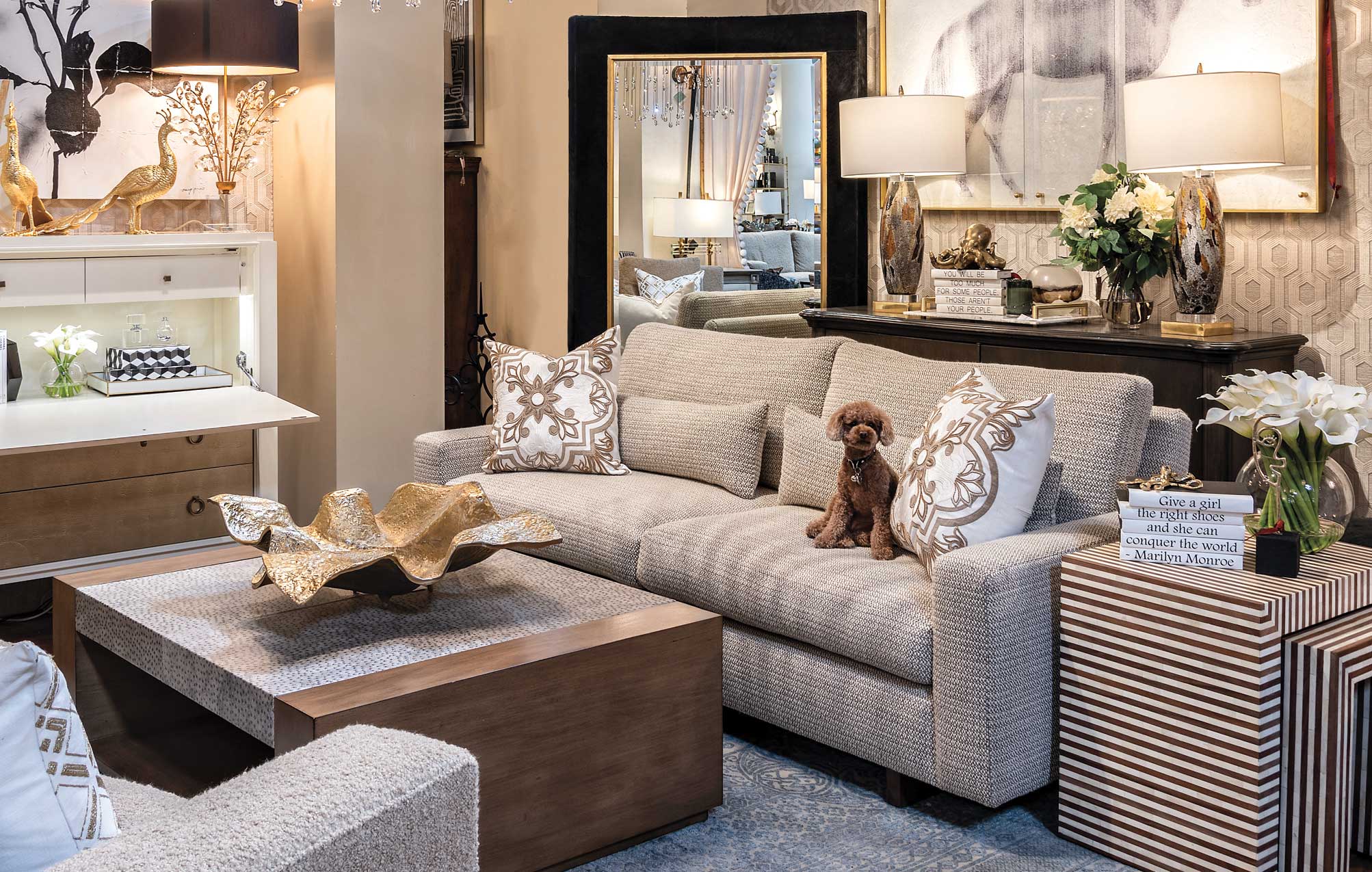
I’ve been giving the same response for 30 years: If you love the style and the way it sits, the size is right and it is a quality piece, then it is a great investment to reupholster rather than buying new. In comparison, the price should be about half the cost of buying new, which can save thousands of dollars.
When seeking an upholsterer, confirm they are doing an actual reupholstering job rather than just re-covering. For example, the upholsterer should strip the fabric completely off the frame and check to make sure the springs, frame and padding are in good condition before applying the new fabric. Talk to your upholsterer about the cushions—are they in good condition, or do they need to be replaced?
I suggest obtaining a breakdown of charges, so you know what you are getting. For example, what is the labor for reupholstering? Are there any additional charges for new cushions or fixing the frame or springs? What is the cost of the fabrics? After you get a quote, you can compare the cost versus buying new.
One of the advantages of reupholstering is you have a much larger selection of fabrics to choose from rather than going to a specific manufacturer where the fabric selection is limited to what they carry. I also love upholstering because you can change styles and add decorative pillows and trim, which is easy for the upholsterer when they are working on your existing furniture pieces.
INTERIOR DESIGNER
Whitney Ford, Whitney Ford Design
I have an open-concept living area, but I want to define different spaces without using walls. What are some creative ways to do this with furniture and decor?
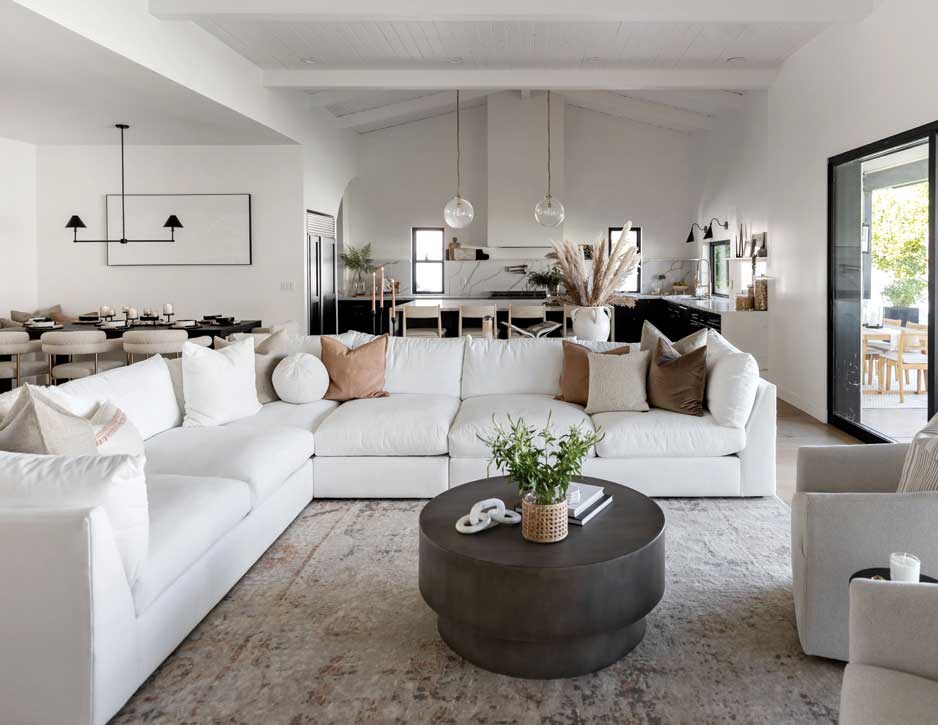
Open-concept living areas offer great flexibility, but defining distinct zones can be challenging. The key is to consider the purpose of each area—whether it’s for lounging, dining or working—before crafting a layout that enhances flow and functionality.
Start by pulling furniture away from the walls to create natural divisions. For example, placing a sofa in the center of the room with a console table behind it can visually break up the space while maintaining a sense of openness. Add personal touches such as a lamp or decorative objects to the console to further define the area and make it feel cozier.
Using rugs is another effective technique for separating spaces. A well-placed rug under furniture helps anchor the zone and establishes its purpose. Larger rugs can frame a living or dining area, while smaller ones are perfect for defining reading nooks or workspaces, creating a “room within a room.”
Finally, consider incorporating greenery as a soft, natural divider. Large plants help separate spaces and introduce a warm, calming, organic element, making the room feel more inviting without sacrificing the open-concept vibe.
BUILDER
John Schultz, Schultz Development
What is the difference between a contractor and a builder, and what factors should I consider when looking for the latter?
A home builder manages the entire process of constructing a home from start to finish, overseeing design, permits, materials and construction. A contractor, on the other hand, typically handles specific tasks or phases within the building process, such as plumbing, electrical work or framing. When selecting a custom home builder, it’s essential to find one who aligns with your vision and lifestyle. Look for someone who understands your design preferences and can translate your ideas into reality. Equally important is the builder’s ability to offer expert guidance throughout the process. From initial planning to final touches, a good builder provides clarity, helping you navigate each phase with confidence.
Communication is key to a successful project. Your builder should provide a detailed timeline and maintain open lines of communication, ensuring you stay informed and any concerns are addressed promptly. Beyond technical expertise, consider a builder who shares your values. Trust and collaboration are vital in the home-building journey.
Balance cost, quality and schedule as you evaluate potential builders. A reputable builder should demonstrate a commitment to high-quality craftsmanship while respecting your budget and deadlines. Be sure to check references, review past projects and, if possible, visit completed homes to see the builder’s work firsthand.

SOURCES
- Custom furniture maker: Claudia Levinson, Feathers Fine Custom Furnishings, Scottsdale, feathersdesign.com.
- Builder: John Schultz, Schultz Development, Scottsdale, schultzdevelopment.org.
- Interior designer: Whitney Ford, Whitney Ford Design, Phoenix, whitneyforddesign.com.