


Why Phoenix’s Iconic Mystery Castle Is Now at Risk of Demolition

Inside the fight to protect Mystery Castle, Phoenix’s most enigmatic piece of folk architecture
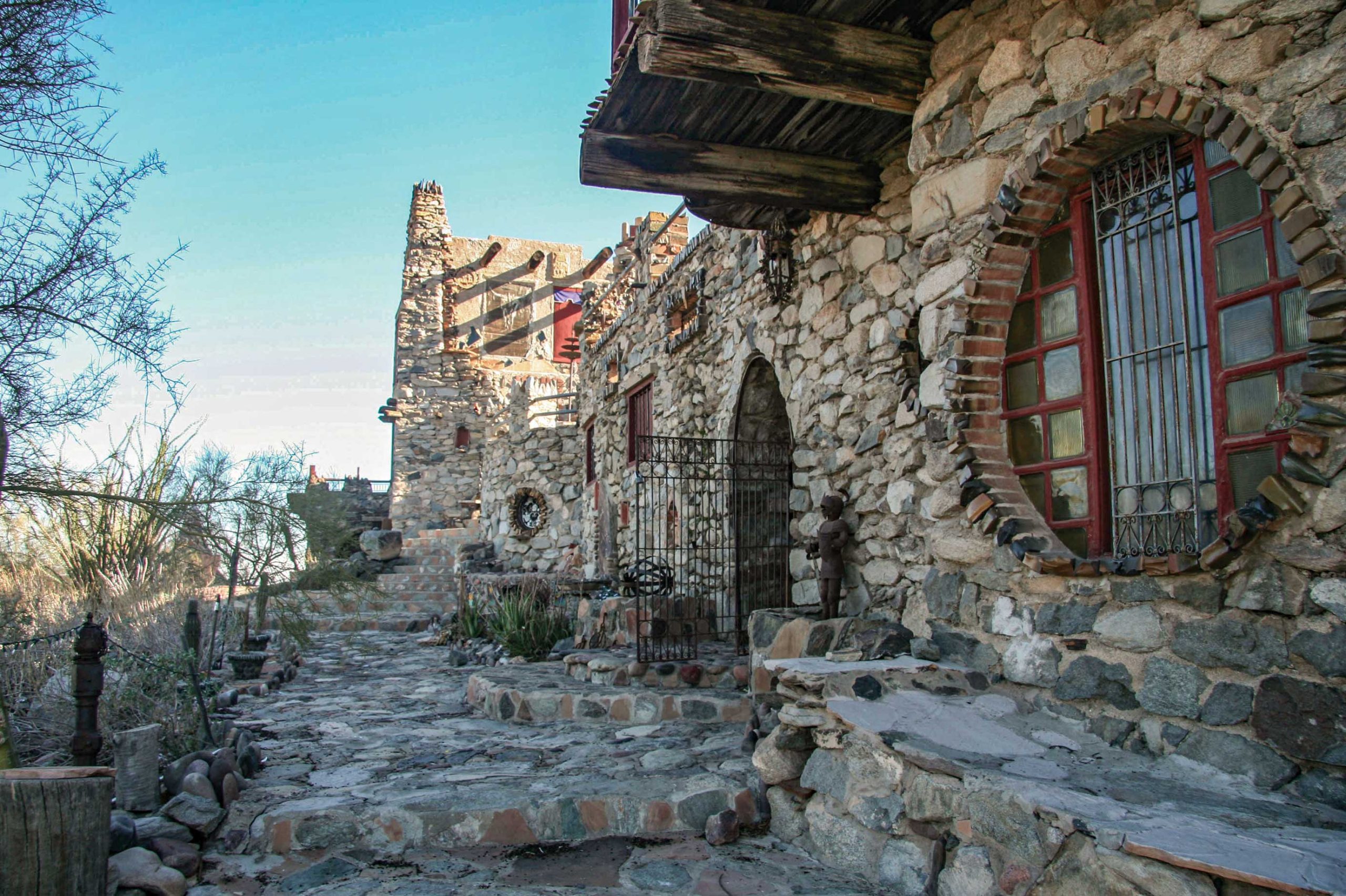
As its name suggests, Phoenix’s Mystery Castle evokes more questions than answers. An aura of the unknown permeates the whimsical structure, an eclectic mix of native rock and repurposed materials that one man began building at the base of South Mountain during the Great Depression. What is crystal clear about the building, however, is its significance, according to Robert Graham, principal architect at Motley Design Group.
“Mystery Castle is on a par with any other work of architecture in the state—in a class with Taliesin West, Arcosanti, the Arizona Biltmore, Riordan Mansion and Mary Colter’s work at the Grand Canyon and La Posada,” Graham declares.
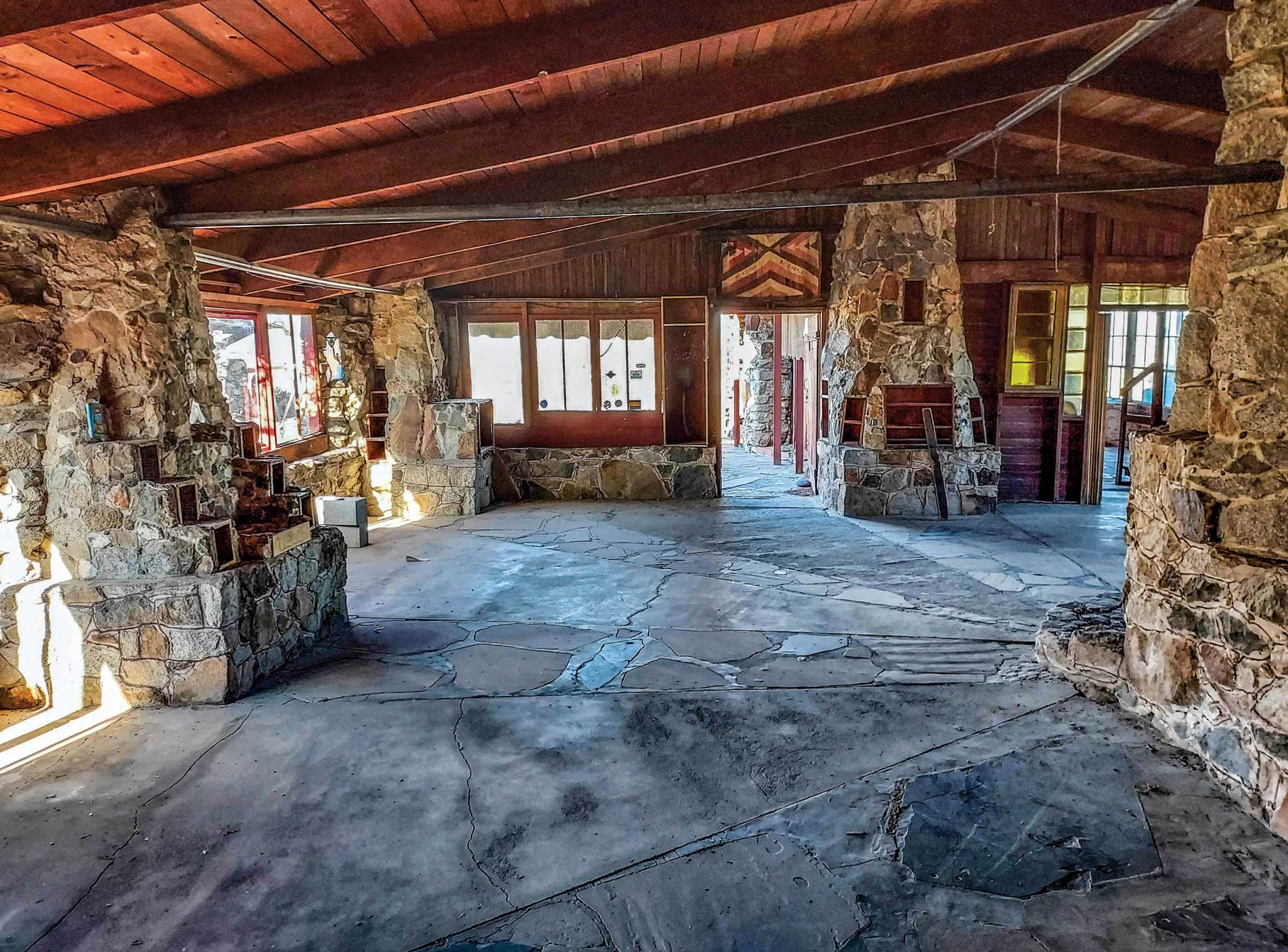
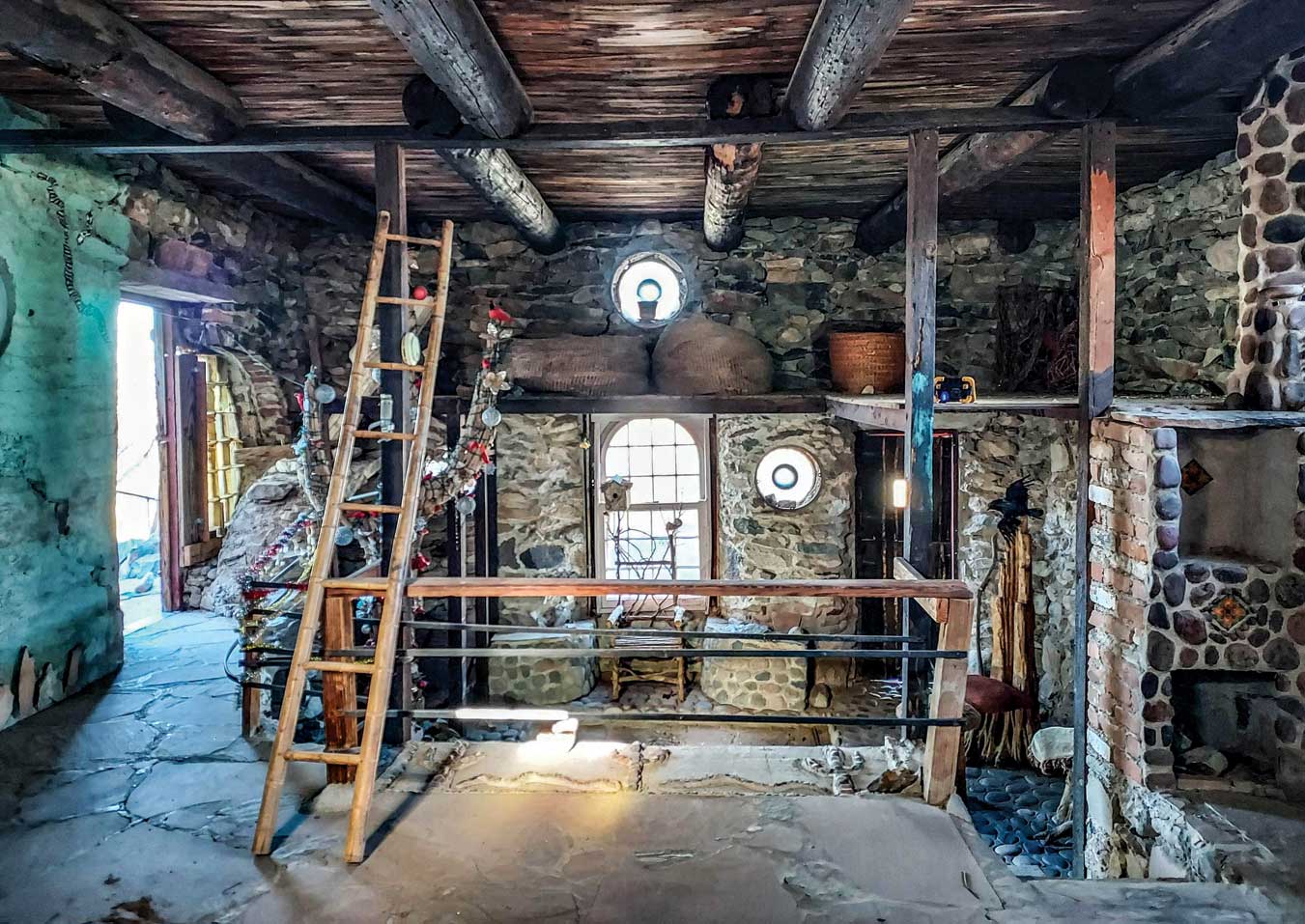
This impressive comparison elevates the unique 7,136-square-foot house, an engineering marvel with 18 rooms, each situated on a different level, to an exclusive category. Yet this spring, Mystery Castle was named one of the 11 Most Endangered Historic Places in the U.S. by the National Trust for Historic Preservation. How could this impressive exemplar of organic architecture be in such dire straits? It’s a compelling story about an underappreciated gem that dates back nearly a century.
Boyce Luther Gulley, a talented craftsman without formal training in architecture or engineering, was the creator of Mystery Castle. In 1923, he started a family in Seattle, but a few years later, he abruptly abandoned his wife, Frances, and their young daughter, Mary Lou, settling in Phoenix to treat his tuberculosis. Before leaving, Gulley allegedly promised to build his daughter a permanent sandcastle, as the ones they created together on the beach always disappeared.
Gulley obtained seven acres of land as part of a homestead, six miles south of downtown Phoenix, near where Seventh Street dead-ends at South Mountain Park. He began constructing the sprawling house by hand around 1934. He used mortar, cement, calcium and goat milk to build the walls, which were constructed from rocks and a variety of repurposed items, including misshapen bricks, telegraph poles, scrap metal, glass dishes, wheels from a Stutz Bearcat and a bar made from a covered wagon.
There was no electricity or water in this remote area, and Gulley reportedly transported the latter in 5-gallon milk containers two miles from an irrigation ditch in his car. It remains unclear whether he worked from architectural drawings, received construction assistance, or how he financed the project.
“Because of the difficult topography, Gulley may have laid it out on site rather than having a plan,” muses Graham. “As far as building it, he must have had some help with scaffolding, as things would need to get carried or hoisted up in the air. There is just no record of anything. Did he hire carpenters or masons, or could he even afford to? Where did the money come from to live or to pay laborers?”
Gulley died at age 63 in 1945, and his attorney informed 23-year-old Mary Lou Gulley in Seattle that she had inherited a property previously unknown to her. Both she and her mother were astonished by the house and moved in, naming it El Casalina. LIFE magazine featured their story in 1948, dubbing it the Mystery Castle, and they began offering tours and hosting weddings to generate income. It was a popular tourist attraction for almost 75 years.
Mary Lou Gulley transferred ownership to the Mystery Castle Historical Foundation in 2010. She died the following year. The foundation, established in 1988, managed the house until its closure to the public in 2022. Astonishingly, the Mystery Castle Historical Foundation applied to the City of Phoenix for a demolition permit in November 2023.
“After multiple acts of vandalism, it simply became too much for our little group to continue to protect and preserve Mystery Castle,” says Rita Spears, president of the foundation. “It’s going to take an almost unfathomable effort to restore Mystery Castle. It probably could have withstood the climate onslaught for an additional 100 years. But man? Not so much.”
Before the demolition moratorium expired in December 2023, the Phoenix Historic Preservation Office authorized a building condition assessment, which estimated rehabilitation would cost $3 million. Soon after, Friends of Mystery Castle, a task force of Preserve Phoenix, was formed. The task force is collaborating with other entities in a grassroots effort to develop a future vision for Mystery Castle, a handmade structure comparable to the famous Watts Towers in Los Angeles.
Ideally, Preserve Phoenix wants to see the building as a vital feature of the area’s growing community. “The area is still developing, and we want to see Mystery Castle be a part of the continuing revitalization of South Phoenix,” says Erin Lindsey, president of Preserve Phoenix. “It’s a beautiful example of organic architecture and folk art from the 1930s. By preserving the Mystery Castle, we are keeping our Phoenix history, art and culture alive for future generations to enjoy.”
Discussions continue about the building’s survival, but many aspects of Mystery Castle remain perplexing to researchers. “The unsubstantiated stories involving the castle and the builder are part of the charm,” says Donna Reiner, a Preserve Phoenix board member. “Does the castle become more interesting because of the stories that historians can’t prove, or should we just say that the lore, embellished over time, heightens the mystery?”