


Beyond the Galleries: How Musical Instrument Museum’s Gardenscapes Echo Indoor Exhibits

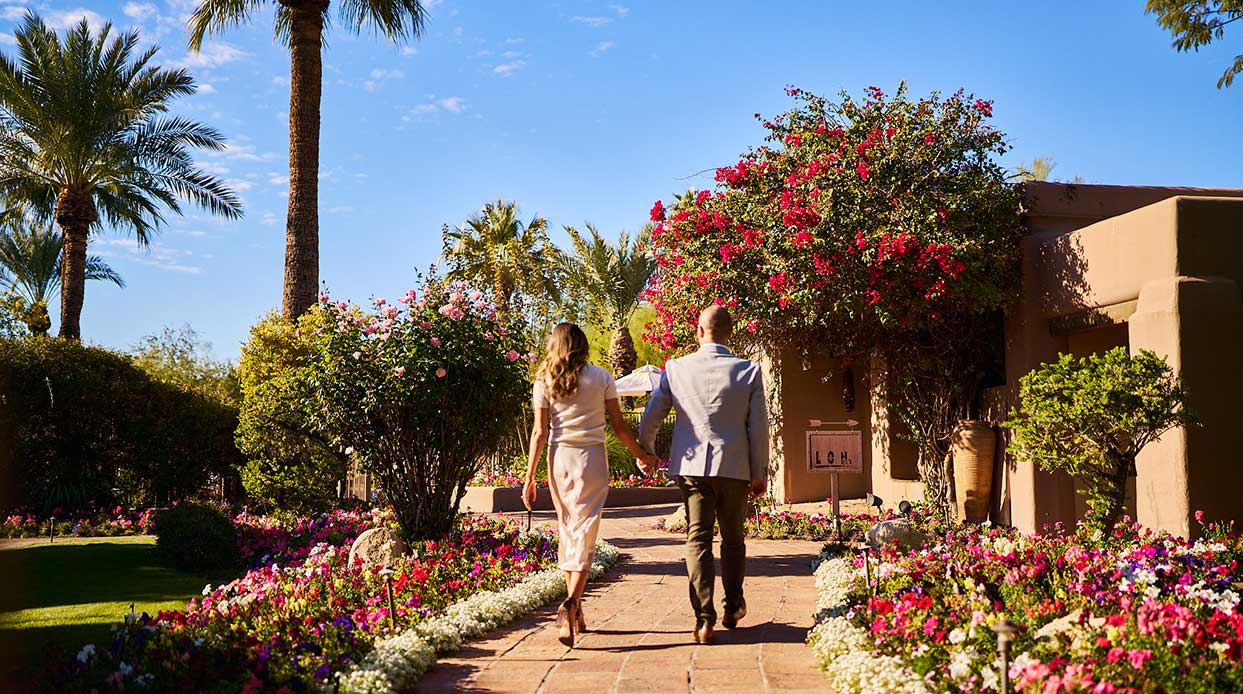
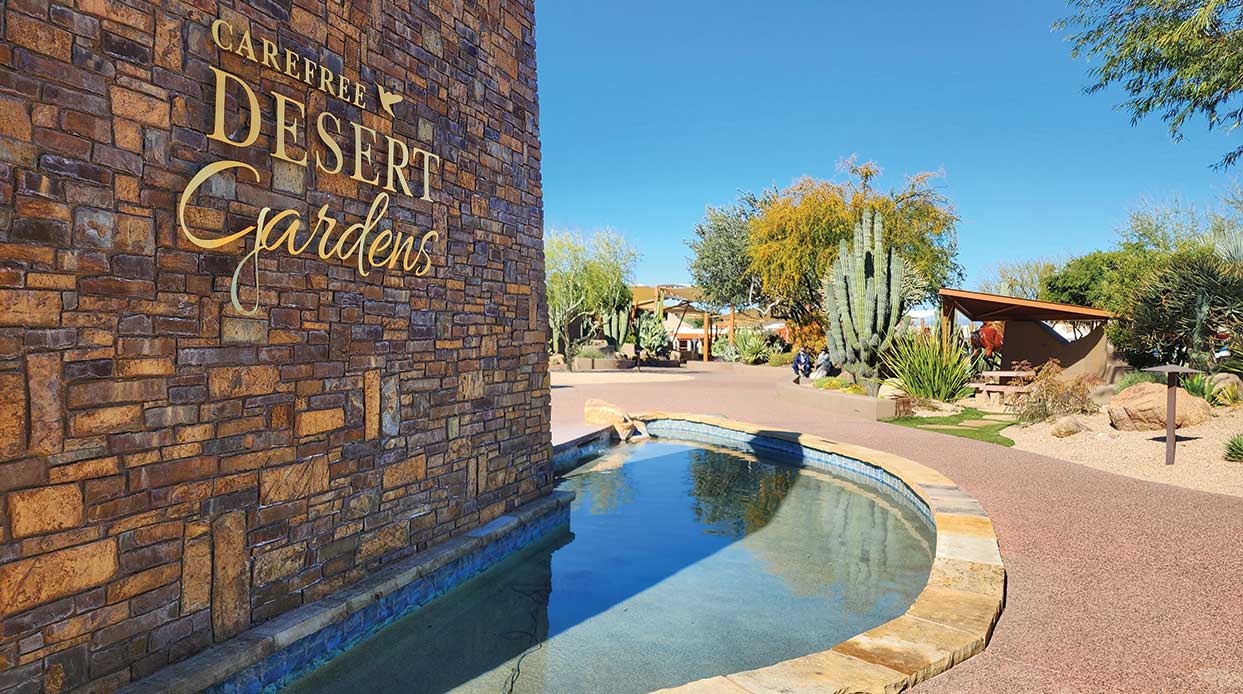
Inside Phoenix’s 200,000-square-foot Musical Instrument Museum (MIM), visitors can view 18th-century Italian mandolins, German pocket horns and Ravi Shankar’s gold-inlaid sitar. But the cultural, historical and artistic significance of MIM’s myriad exhibits extends beyond its walls. The Valley institution’s outdoor gardens and courtyards feature dozens of desert flora species and attract native fauna year-round, playing an important aesthetic and ecological role.
The gardens have grown alongside the museum since it was established on a 20-acre parcel of land in North Phoenix in 2010. According to MIM’s horticulturist Kyla Johnson, outdoor areas are curated to showcase climate-adaptive plants from around the world that share similar temperature and water requirements with those native to the Sonoran Desert, evoking vibrant outdoor spaces that feel both local and global.
The landscape includes several species commonly used in cultivation but also considered threatened in their natural habitats, including ocotillo, desert willow and soaptree yucca, as well as iconic Arizona plants like creosote and saguaro. “The vision behind MIM’s landscape design is to create an immersive outdoor space that complements both the museum and the surrounding land,” Johnson says. “Various areas on the grounds create a self-guided experience where you can explore, similar to the museum itself.”
Tell us about your role in the creation and cultivation of the garden. What does a typical day look like for you?
I maintain both our Jill Dahlin Courtyard and our large Main Courtyard. Both are still in flux – the beginnings of new systems with plenty of room for growth. For the surrounding grounds, I compiled an agronomic calendar to ensure that I can focus on plants that are most responsive at the appropriate time of the year. On a typical day, I usually begin by tidying up our two courtyards and checking the surrounding grounds for any new occurrences, such as broken tree limbs and leaks. This is also when I attend to plants I’ve potted up for future placement. I then delegate various seasonal tasks to our maintenance crew and educate them on best practices as well as any cool or relevant info. From there, I either work with them or tend to seasonal projects. This can include courtyard planting and care, seed harvesting and sorting, and planning for future projects and research.
How does the garden support local biodiversity – birds, pollinators and other wildlife?
The garden supports local biodiversity in a lot of ways. The first is the native plant life, which provides plenty of seed fruit and greenery for our many bird varieties, rabbits and the passing squadron of javelina. These, in turn, attract another presence: our predators. We come across coyotes, hawks, snakes and bobcats – all of which are critical to keeping our prey population down. Then there are our pollinators, which assist with closing the seed-to-seed plant cycle: bees, bats and birds again. We have a lot of birds.
How do you balance aesthetics with ecological or educational goals?
I have a lot of fun with the curation process but do my best to replace the usual inputs – such as tossing plants for seasonal change and buying the same plants each year – with sustainable and regenerative processes. This could include potting up seasonal plants in the interior courtyard for later planting or harvesting seed for redistribution. There is quite a bit of consideration involved in choosing plants at MIM. The goal is to create a sense of space by grouping plants together that originate from different deserts or locations with similar climate requirements to ours. I created a binder at the Guest Service desk with information on each plant as well as signage outside for the Main Courtyard Sonoran Desert collection. This will soon expand to include all plants in our collections.
How does the garden change throughout the seasons? What are some of the biggest challenges in maintaining the garden in this climate, and which plants require the most care?
The seasonal change here really showcases the abundance and beauty of the desert. All the colors of the rainbow can be found, and something is always in bloom. Then we have seasons where some of our plants just look dead because they’re dormant. Watching them come back to life is always exciting. Many of our desert plants experience seasonal color responses to the cold or rain events, changing from green to a variety of purples, reds and bright yellows. The two biggest challenges with growing in this climate are water management and choosing the right plant for the location. Both need to be considered for success. Our trees have required the most care. Working with our vendors to choose the right cuts for future growth is a long-game effort but totally worth it for the health and longevity of the tree.
What lessons can visitors learn from the garden that they can apply in their own yards or communities?
A huge lesson that visitors can glean from exploring our grounds and apply to their own yards or communities is that nature is not to be controlled. It should be allowed to pass through the seasons gracefully. On a more practical scale: Plant more diverse native and desert-adapted plants, create refuge for our friends in nature, watch your water use and please put down the shears.