


Three Questions: Expert Advice from the Pros to our Readers
Your architecture, building, interior design and landscape questions answered by Valley pros.
by Jessica Dunham
Interior Designer
Britany Simon, Britany Simon Design House
It seems that orange-peel texture on drywall has become passé. When did this happen and why should I avoid it in my interiors?
Orange peel texture did not suddenly become passé. In fact, it has been slowly losing favor for at least the past decade as interiors have moved toward cleaner lines, better craftsmanship and more refined wall finishes.
Truthfully, orange peel texture was never an intentional design choice. It became common because it is fast, inexpensive and forgiving. It helps builders conceal uneven drywall, imperfect seams and minor flaws without investing the time and labor required for a smooth finish. In many tract homes, especially throughout the Southwest, it became the default rather than something anyone thoughtfully selected.
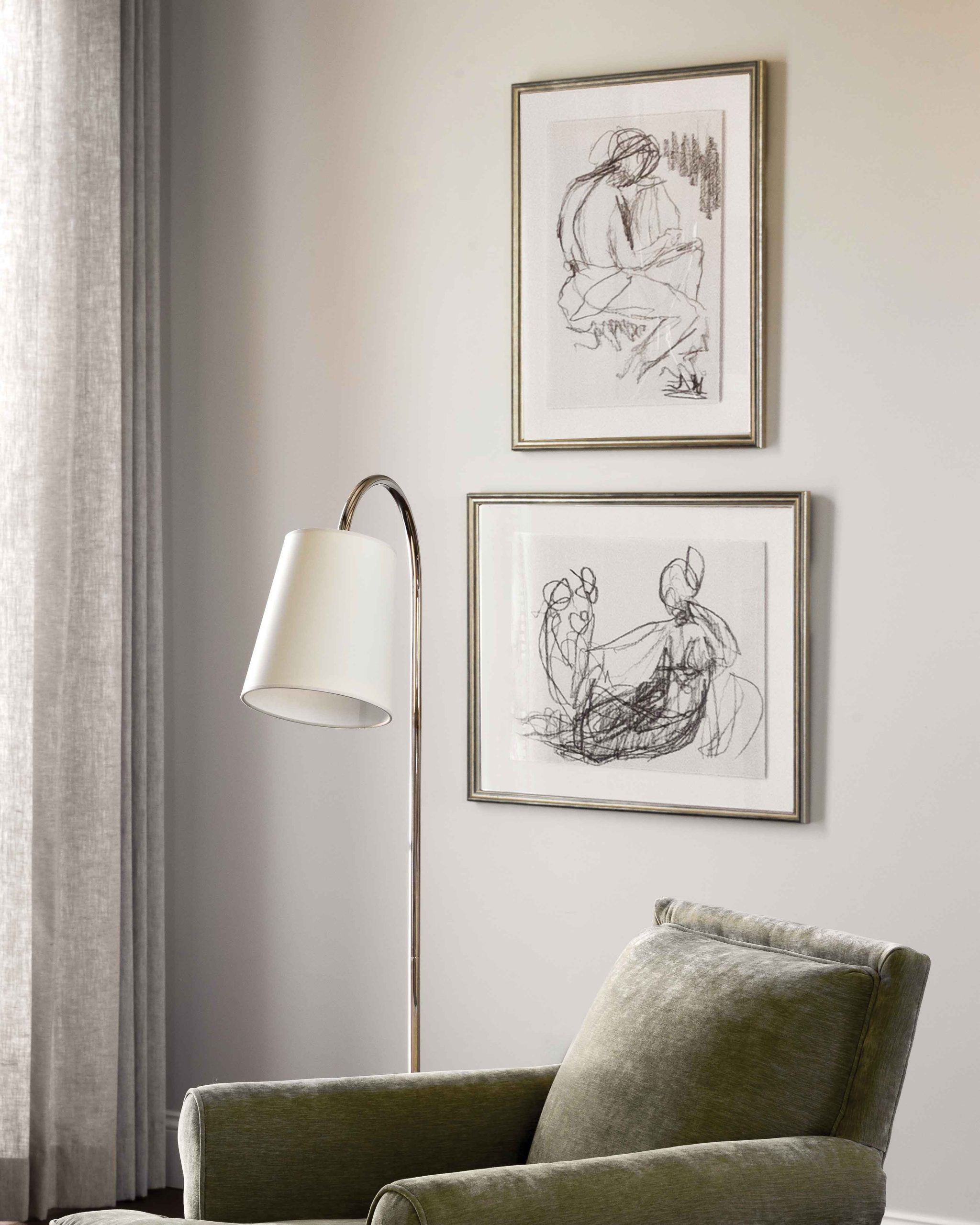
A smooth drywall finish creates a more elevated backdrop and allows the architecture, art, furniture and materials to take precedence. That said, smooth walls are more expensive and less forgiving, and they require a skilled drywall installer and careful preparation—but they are well worth the money spent.
Interior Designer
Rachel C. Simmons, ASID
What red flags should a homeowner look out for when hiring an interior designer?
Red Flag #1: You’re hiring the brand instead of the professional.
An inspirational Instagram account can showcase a designer’s aesthetic, but it doesn’t reveal how they manage a long renovation, coordinate with contractors, navigate unforeseen job site challenges or communicate when things don’t go as planned. Interestingly, some of the most accomplished designers intentionally maintain a modest online presence, choosing to invest their time and energy in serving clients rather than cultivating a personal brand. An online following may reflect effective marketing, but it is not a measure of professional expertise, project management ability or the level of personal involvement you’ll receive.
Professional qualifications are also worth discussing. Ask about the designer’s education, years of experience and professional affiliations such as ASID or IIDA. You may also ask whether they have earned the NCIDQ Certificate, the industry’s highest professional credential. While none of these qualifications are required to practice in Arizona, they do demonstrate a commitment to education, professional standards and continued professional development. They should be considered alongside experience, references and a designer’s ability to communicate and manage a project, but not in place of them.
Red Flag #2: “I love it!” or “It’s beautiful!” is the reason behind their design decisions.
One of the first lessons I teach my interior design students is that personal preference is not a design rationale. A designer may genuinely love a particular flooring or lighting fixture, but that alone is not a sufficient reason to recommend it to a client. The question isn’t whether the designer loves it; it’s whether it’s the right solution for you. Every recommendation should support the overall design concept while responding to your lifestyle, functional needs, budget and long-term goals. A seasoned designer should be able to explain how each selection contributes to the project as a whole.
Red Flag #3: They talk more than they listen.
One of the clearest signs of an experienced designer isn’t how quickly they present ideas, but how many questions they ask before offering solutions. If your first meeting is mostly about the designer’s ideas instead of your lifestyle, priorities, budget, routines and how you actually live in your home, that should give you pause. The best designers are naturally curious. They want to understand how your family entertains, cooks, works, relaxes, stores belongings and uses each space before making any recommendations.
Architect
Tyler Kuenzi, designtank
We want to add square footage to our home for an apartment-style space for my mother, but we’re worried it’s going to look like an add-on. What will keep the home aesthetically integrated?
The secret is to treat the addition as a continuation of the original home’s design logic, not a response to the floor plan. Before you think about square footage, study what gives your home its character: the roofline pitch, the exterior material and color palette, the window proportion and trim detailing, the rhythm of openings. Any new square footage should fluently speak that same language. If those elements are honored, the eye will read the house as a whole.
The second thing is to be deliberate about the connection point. Matching floor levels, slab heights and ceiling heights wherever the two meet matters more than almost any finish decision you’ll make. It’s the invisible architecture that makes the visible work.
Lastly, don’t try to disguise the addition. Homeowners sometimes feel like they need to hide the fact that they grew the house, so they vary the exterior to break things up. That usually makes it worse. Embrace that the home evolved—just make sure it evolved intentionally. When the materials are consistent and the proportions are right, an addition can actually strengthen the composition of a home rather than compete with it.
Sources
- Interior designer: Britany Simon, Britany Simon Design House, Scottsdale, britanysimon.com.
- Interior designer: Rachel C. Simmons, ASID, DesignAZ LLC, Phoenix, design-az.com.
- Architect: Tyler Kuenzi, designtank, Phoenix, designtank.co.