


Split Personality
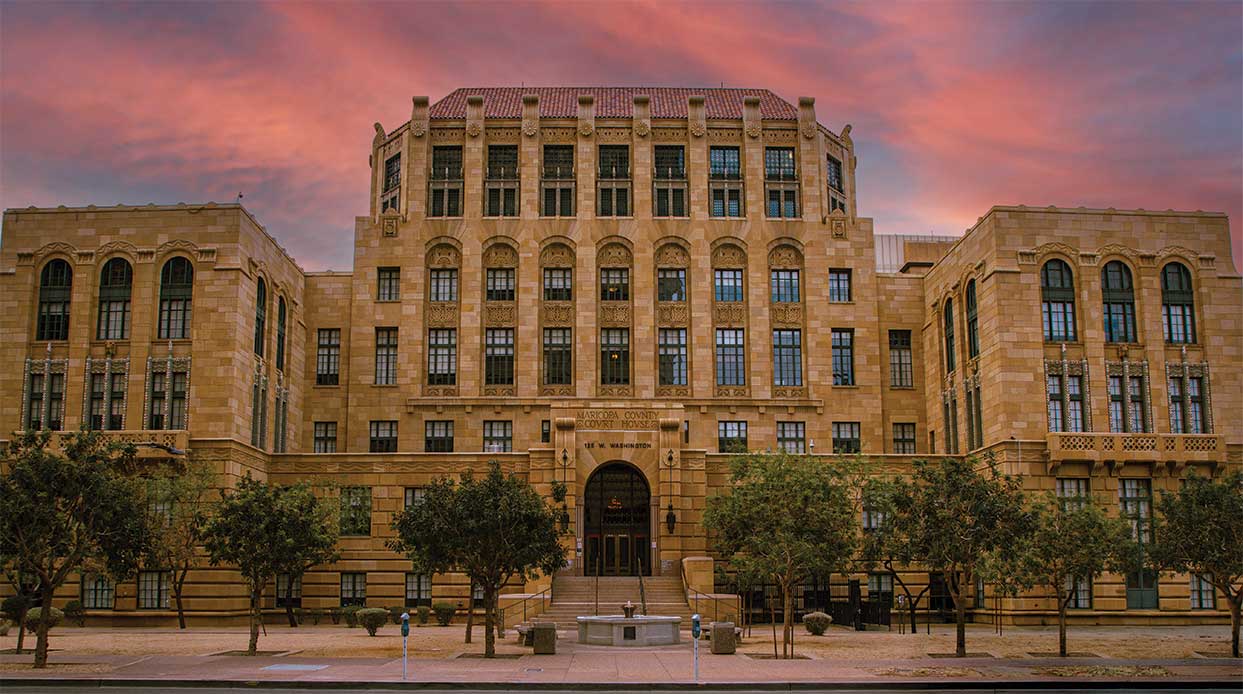
Dual architects designed Maricopa County Courthouse/Phoenix City Hall to express the optimism of the Roaring ’20s.
By Douglas C. Towne
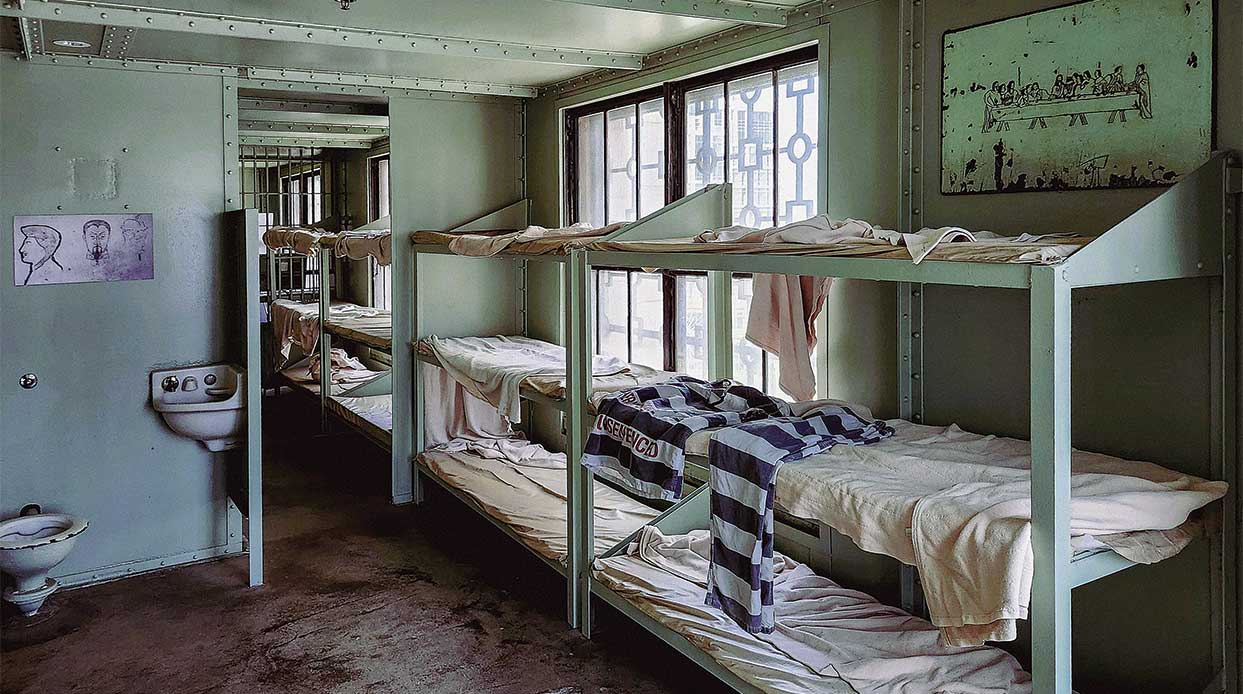
If you should find yourself behind bars, let’s hope it’s on the sixth floor of the historic Maricopa County Courthouse. There are no worries about tasteless food, intimidating cellmates or how the judge will rule on your case. In truth, you’ll be taking selfies of your “quandary” because the cellblock reopened in 2012 as the Maricopa County Justice Museum and Learning Center.
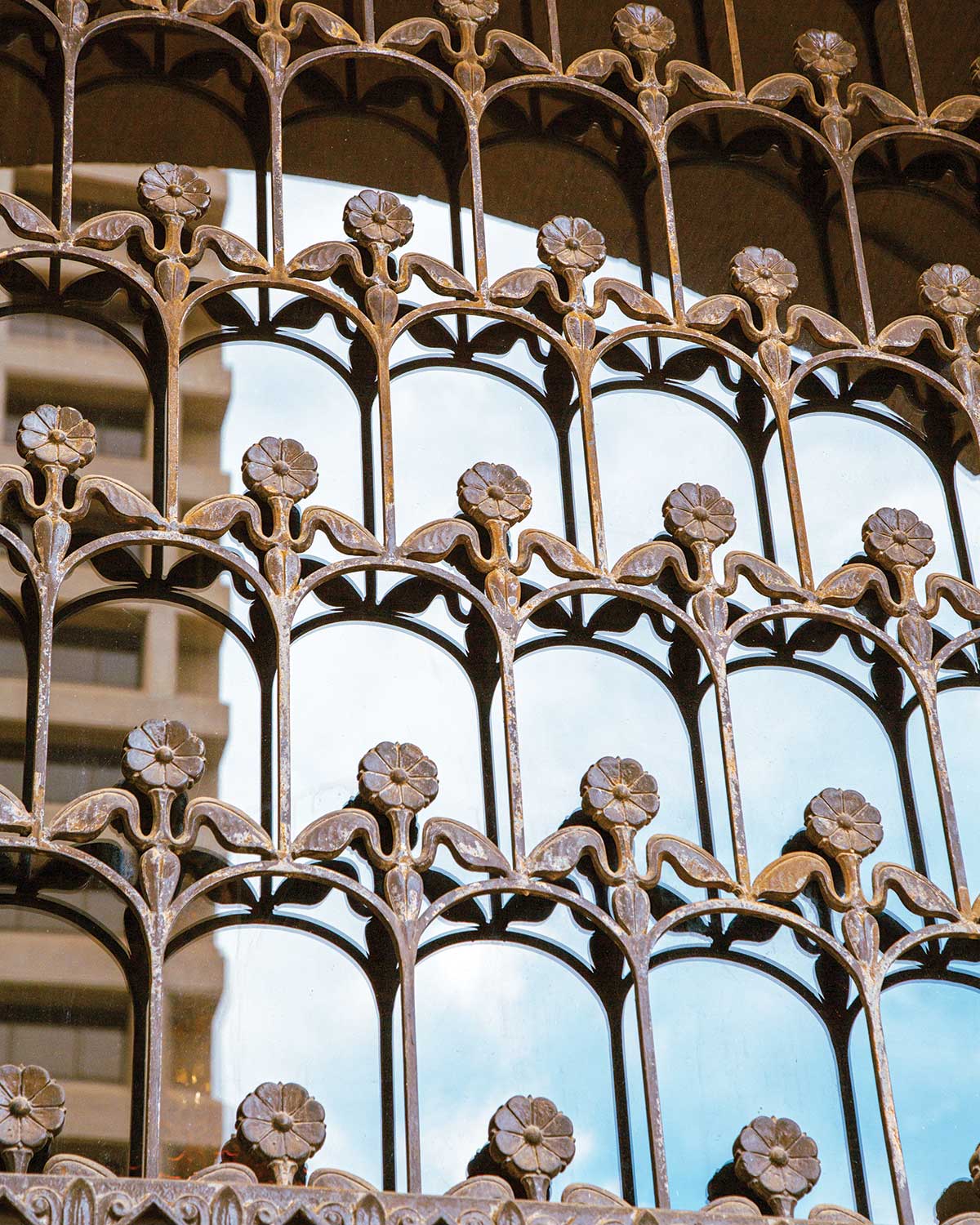
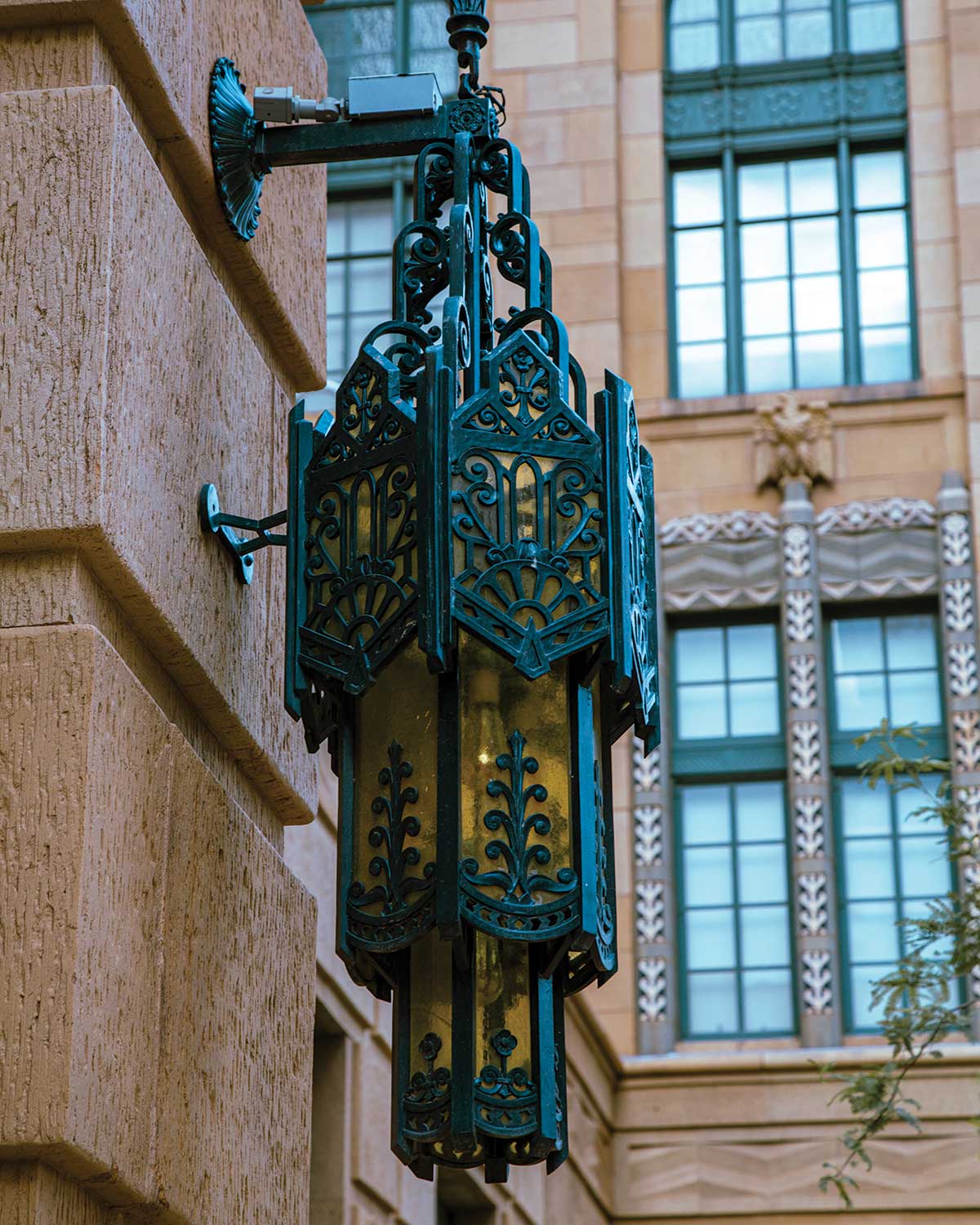
“Downtown Phoenix’s historic city/county building virtually shouts out that the city and Maricopa County anticipated a prosperous future in the pre-Depression years of 1928-29,” says local architect Mark Vinson. “The cheery scrolls around the top of the building, the regionally-influenced art deco motifs—chevrons, wave patterns, stylized birds, floral and geometric shapes—are all symbolic of a positive outlook.”
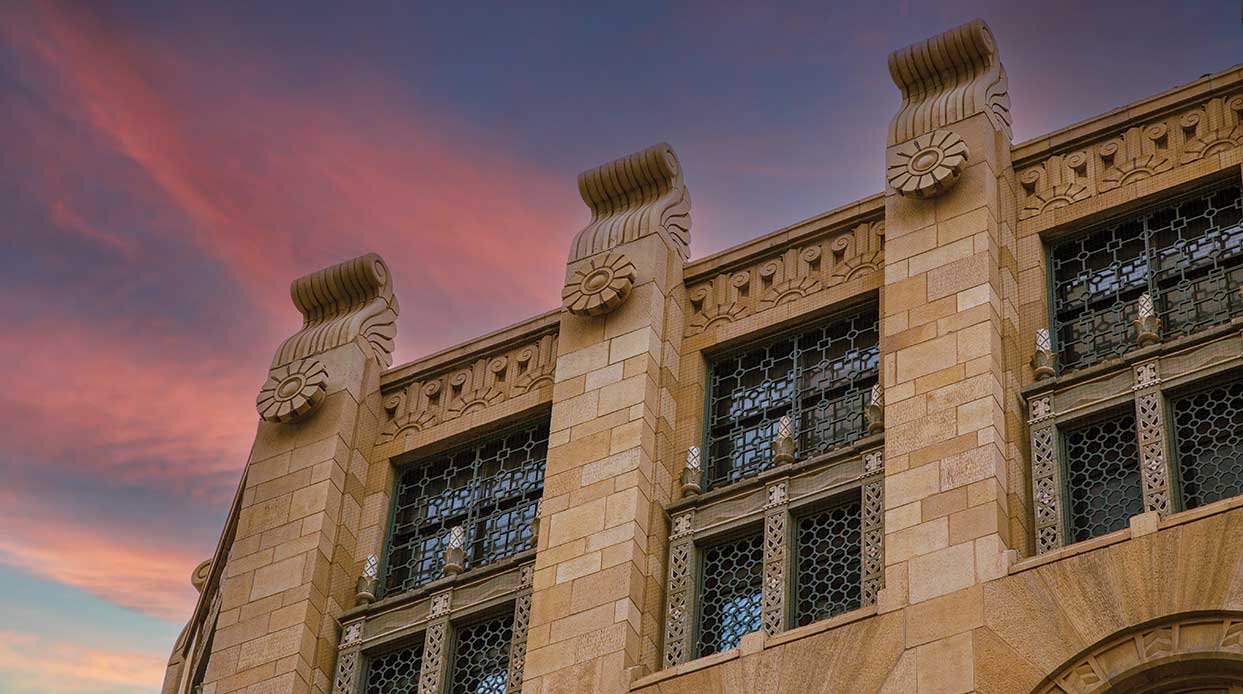
Vinson adds that the architecture declared in concrete what Mayor Fred Paddock and City Manager W.C. LeFebvre boasted at the building’s dedication: “Everybody knows that Arizona is the best place on the face of the Earth to live.”
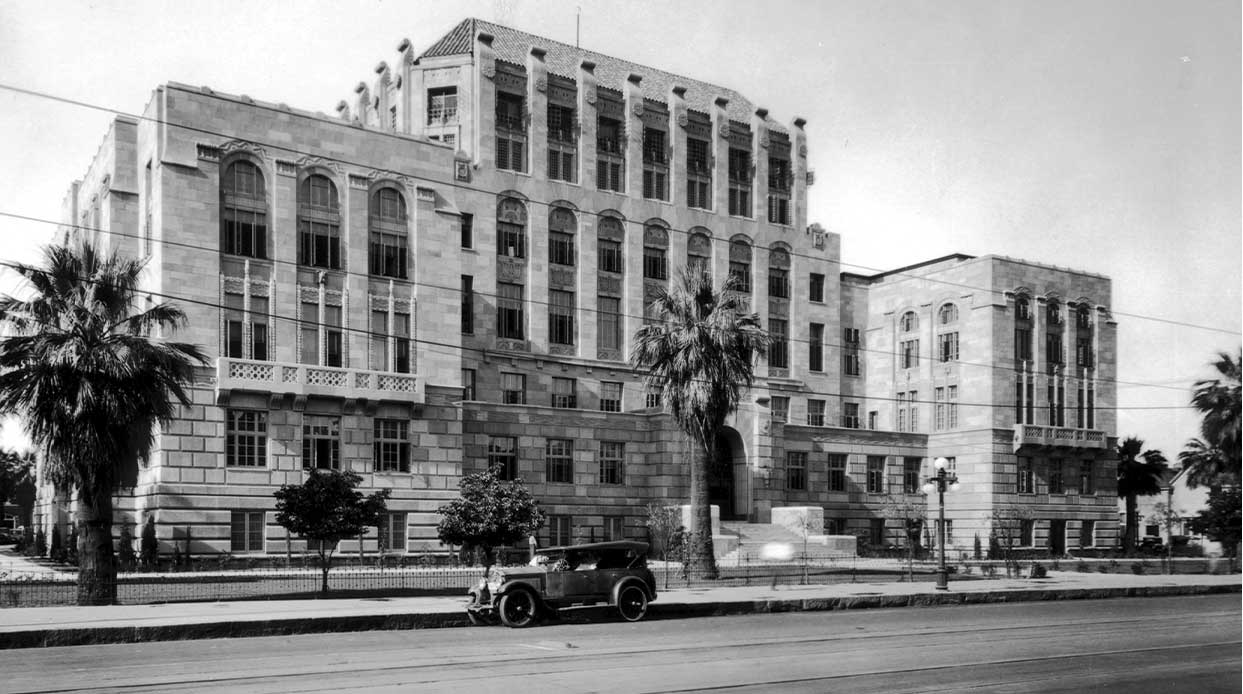
The iconic dual-purpose governmental edifice, which was located on Block 76 of the original Phoenix Township at the southwest corner of First Avenue and Washington Street, was set in motion when county voters approved a bond measure for a new judicial facility in 1927. The city then sought to build a joint facility and passed a bond measure to fund its share of the project. However, this intergovernmental goodwill waned when the project’s architect was selected.
Each entity retained an excellent architect, but not the same one. “Edward Neild of Shreveport, Louisiana, crafted the county’s eastern two-thirds of the structure, while Lescher and Mahoney of Phoenix designed the city’s westward-facing portion,” Vinson says.
Halfway through construction, a ceremony was held that featured a performance of the patriotic march “Stars and Stripes Forever” by the Arizona National Guard band, conducted by the era’s “rock star,” John Philip Sousa. A time capsule made of Arizona copper was then placed behind the building’s cornerstone.
The H-shaped building was completed with a rusticated terracotta base on the lower two levels, a mid-section of cast concrete and a pitched clay tile roof that used seven colors. “The architecture reflects a hybrid mix of Mission Revival, Spanish Colonial Revival and Art Deco, which were all popular styles during that era,” local architect Douglas Sydnor says. “Neild composed the symmetrical volumes with a six-story centerpiece and flanked by lower four-story wings that step down to the streets.”
Sydnor adds, “My favorite detail is the Phoenix City Hall west side entry that integrates public art with a pair of the mythological Phoenix birds that appear to grow out of the terracotta walls.”
The $1.2 million building was dedicated on October 20, 1929, as part of the “Light’s Golden Jubilee,” which celebrated the 50th anniversary of Thomas Edison’s invention of the incandescent light. Festivities included bands, street dancing and an open house, with city and county employees on duty to greet a crowd of 7,000. “Every courtroom and office in the building was filled with flowers, many the gifts of friends of officials, others contributed by florists,” according to The Arizona Republican, which later became The Arizona Republic.
“The building reminds us that great architecture does more than shape a skyline—it preserves civic pride of the people who built a city.”
Steve Schumacher, Official Historian, Phoenix Mayor’s Office
The only sour note came when catcalls rained down from county prisoners on the building’s upper floor as the evening’s speakers were introduced. “Sheriff Charles Wright left the speakers’ platform and was taken by the elevator into the middle of the disturbance, which subsided then for the remainder of the evening,” the Republican article stated.
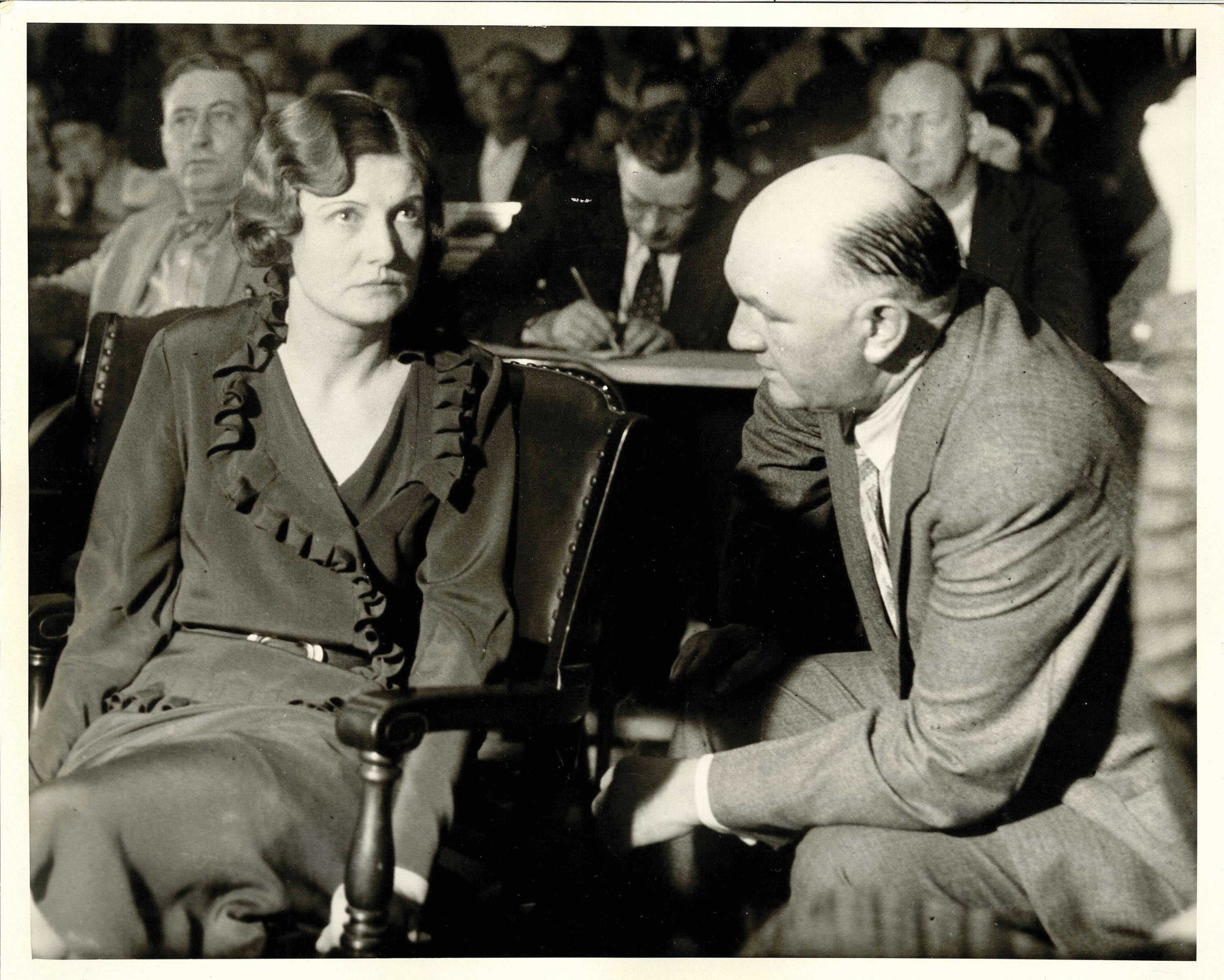
Over the years, the courthouse has been the site of famous and influential trials, according to Steve Schumacher, the Phoenix Mayor’s Office official historian. “In 1932, Winnie Ruth Judd was charged here with killing two roommates, dismembering one and taking both corpses in her luggage on a train to California,” he says. “The origin of the Miranda Warnings occurred when Ernesto Miranda was tried here in 1963.”
These days, many of the building’s original functions have moved to more modern government structures, while new entities such as the Maricopa County Justice Museum and Learning Center and The Phoenix Police Museum have moved in.
Schumacher says the Maricopa County Courthouse/Phoenix City Hall stands as a monument to public service, where thoughtful design transformed a government building into one of Phoenix’s lasting civic landmarks. “It reminds us that great architecture does more than shape a skyline—it preserves civic pride of the people who built a city.”