


Model Retirement
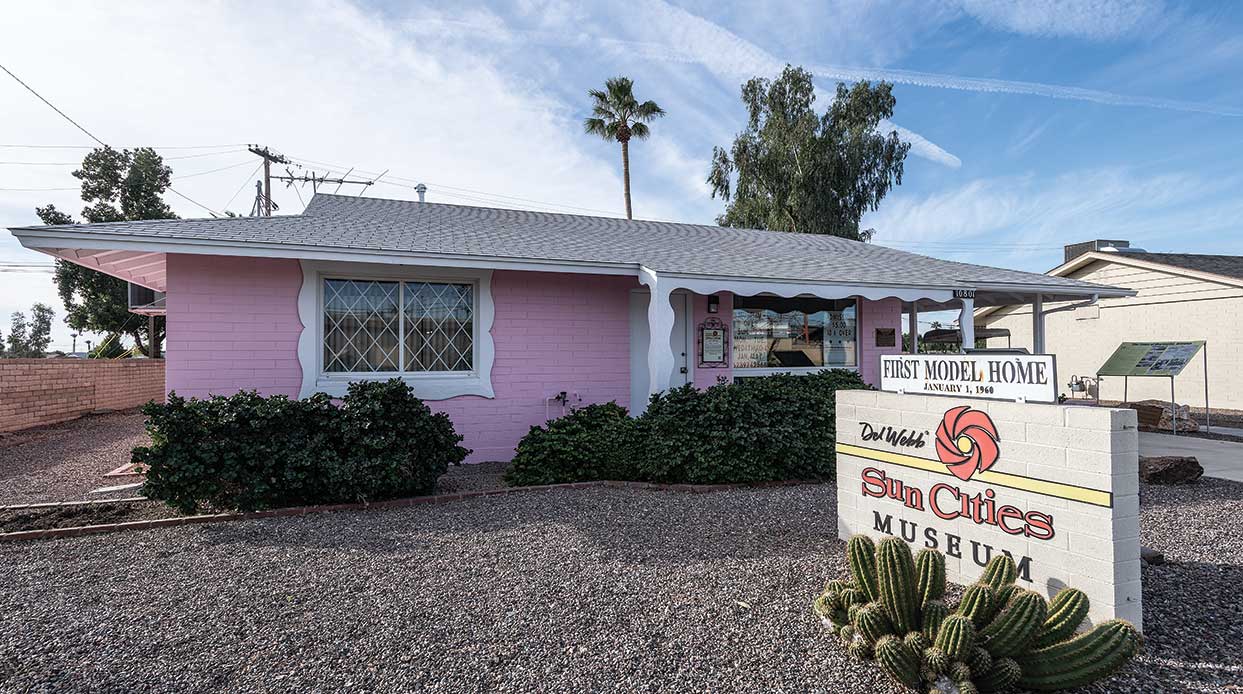
Del Webb Sun Cities Museum celebrates the nation’s first active-lifestyle community, which inspired seniors to trade rocking chairs for poolside recliners and golf carts.
By Douglas C. Towne | Photography by Scott Sandler
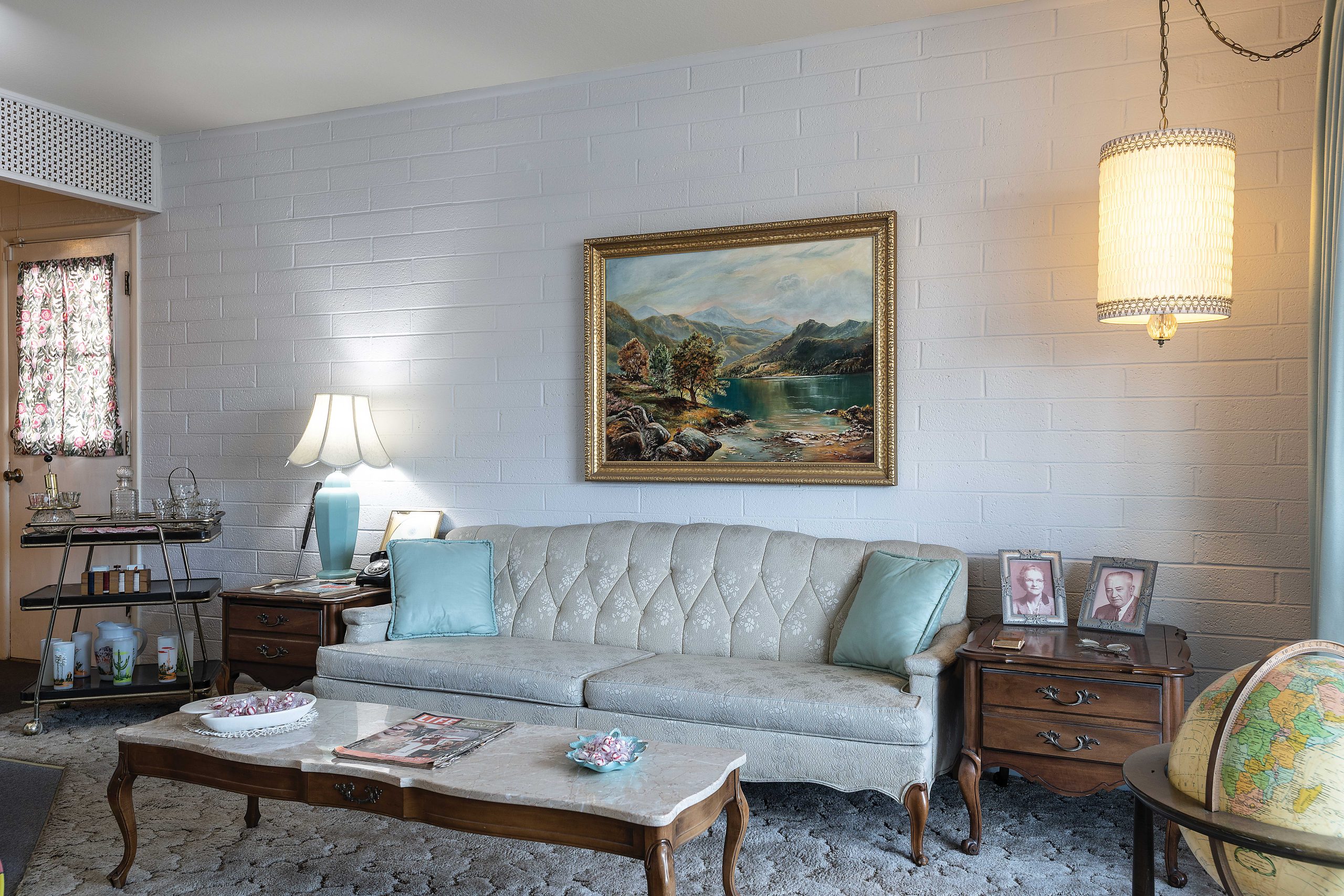
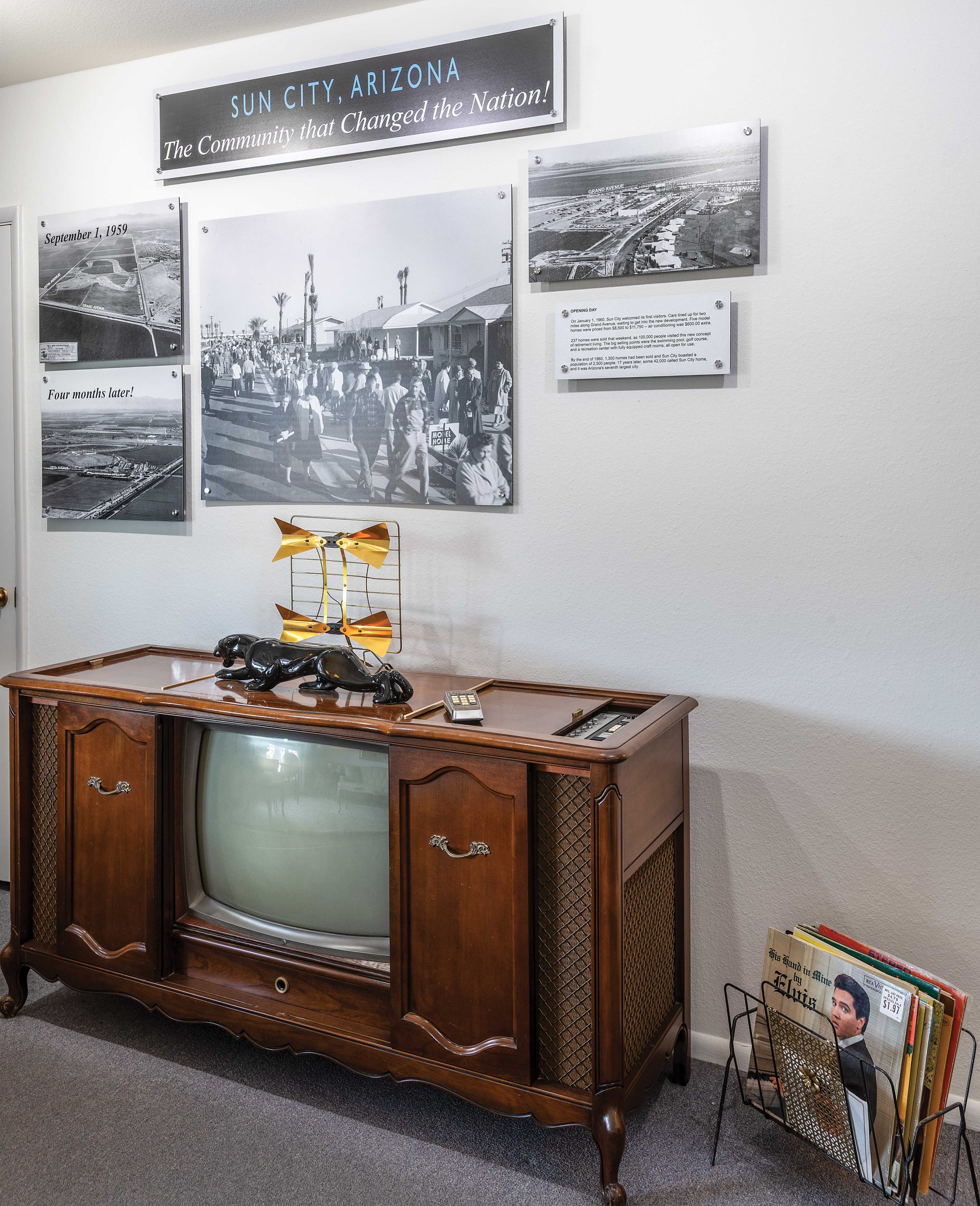
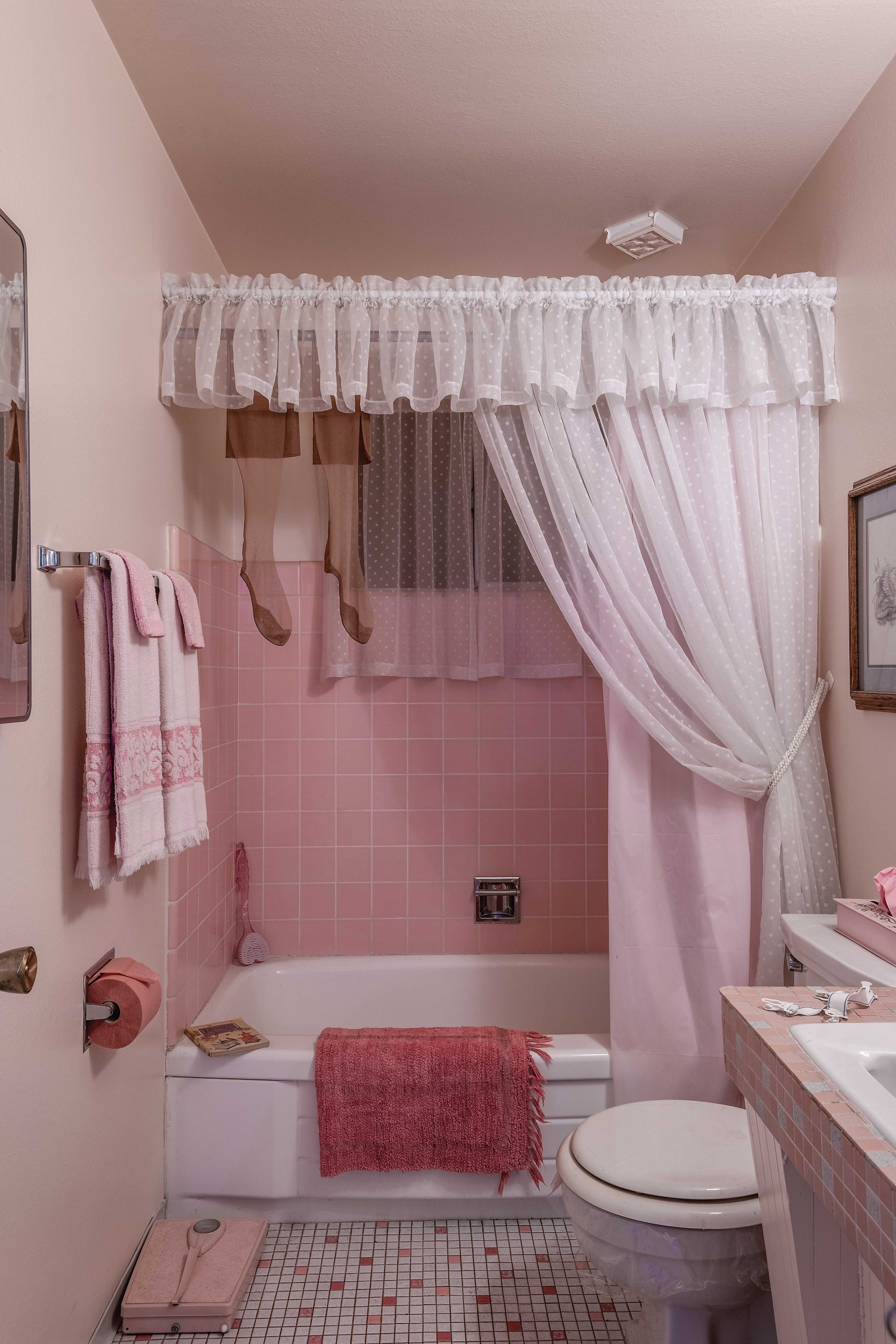
If your youthful memories include a wooden television console, black rotary-dial telephones and plenty of pastel—including a pink-tiled bathroom and kitchen—all enclosed within a little pink house, it’s possible to return home. Or at least a replica of it, set in 1960 and preserved with only subtle differences, such as oversize ashtrays that have transitioned from functional items to objets d’art.
“I call the Del Webb Sun Cities Museum ‘comfort food for the soul,’” Bret McKeand, the former museum president, says. “You feel as if you’ve stepped back in time and walked into grandma’s house. Whether it’s vintage appliances or photos of Sun City pioneers creating a new type of community, everything in the museum evokes an era when time moved a bit slower, life was a bit simpler and people were friendlier.”
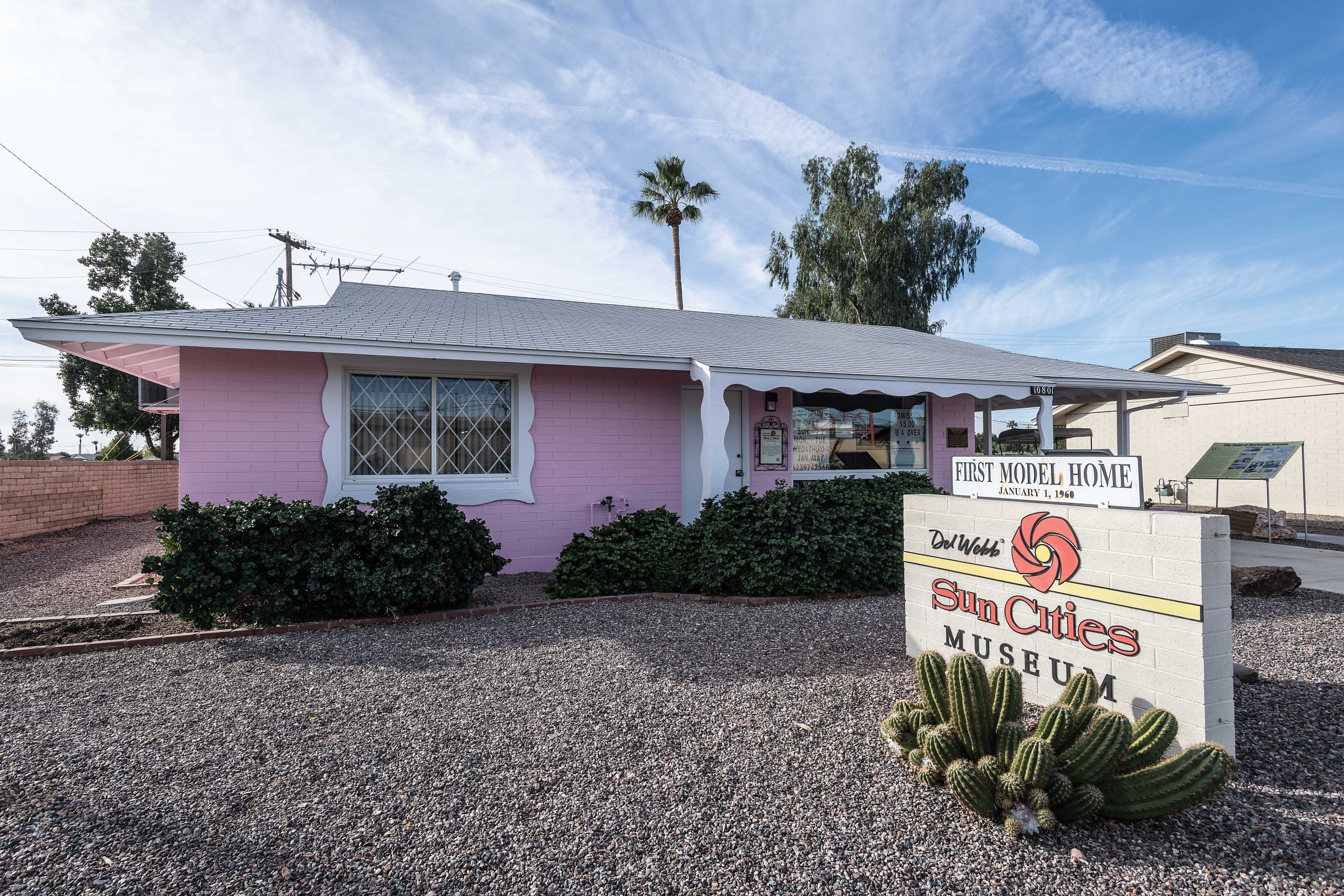
The museum is appropriately located in one of Sun City’s original model homes: an 858-square-foot ranch-style house of masonry construction that sold for $8,500 in 1960. To upgrade from evaporative cooling to air conditioning ran an additional $600. The original home has never been updated, and visiting the museum feels like a time warp, taking you back to the days when Dwight D. Eisenhower was president.
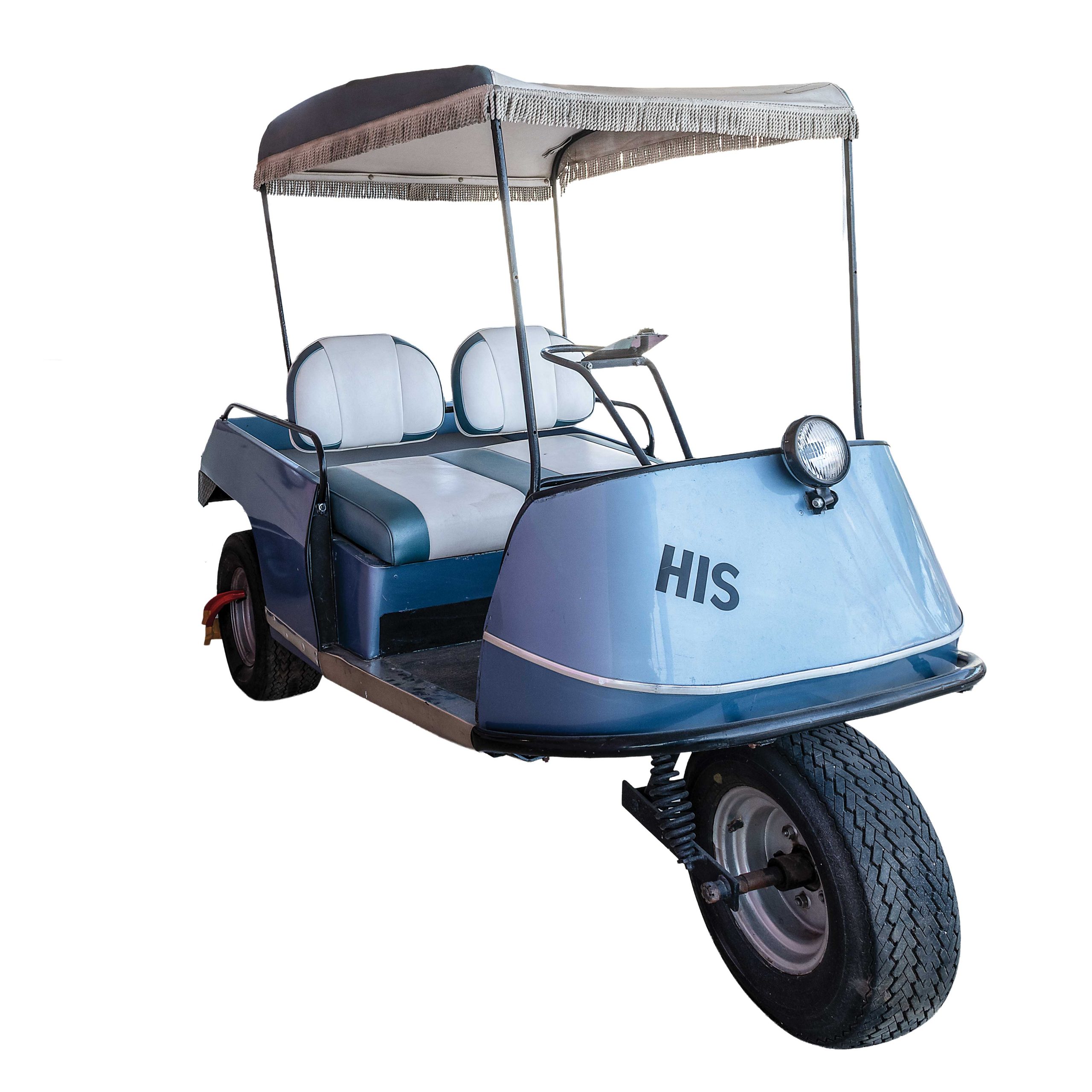
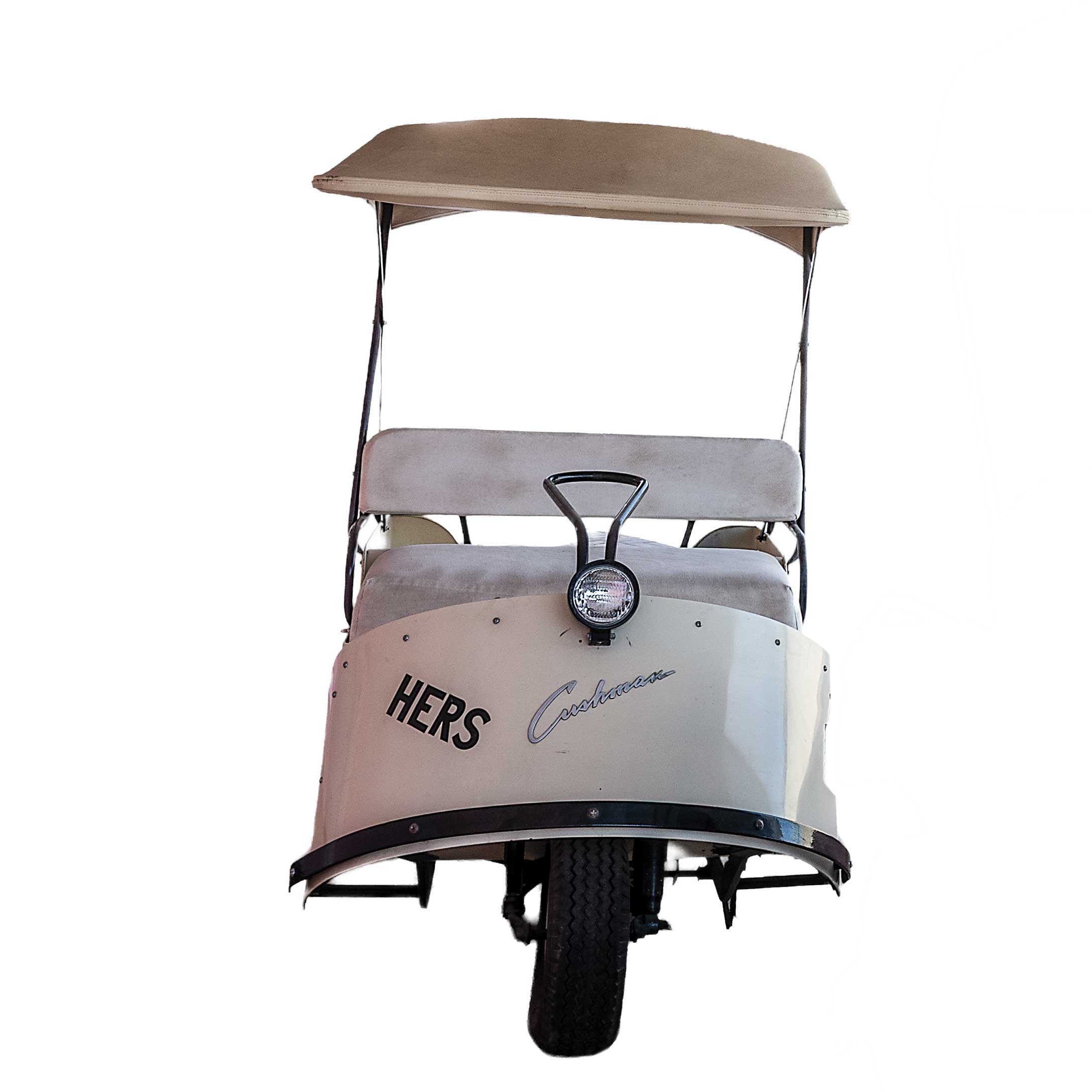
But visiting this vanished world, where guests are greeted by “His” and “Hers” streamlined golf carts parked in the carport, would never have happened without the work of some spry seniors. In 1978, the Del Webb Corporation moved its office from Sun City to its new project, Sun City West, and unceremoniously tossed out its photos and ephemera dating back to 1960.
“Jane Freeman, who, along with Glenn Sanberg, founded the Sun Cities Area Historical Society, learned about it,” McKeand says. “With a few friends, they literally jumped into the dumpster to save this material, which served as the basis for our initial archives.”
Their recovery efforts were invaluable, because Sun City wasn’t just another Arizona housing development; it became known as “The community that changed a nation.” Although nearby Youngtown, Arizona, was the nation’s first age-restricted community, Sun City added recreational amenities tailored to active retirement lifestyles. The recipe caught on; there are now more than 100 other Del Webb/Sun City-branded developments nationwide.
Sun City’s houses were designed by twin brothers Charles and Arthur Schreiber, Phoenix architects, and built by Del Webb Construction Co., which Webb had founded in Phoenix in 1928.
As a side hustle, the uber-successful Webb owned the New York Yankees from 1945 to 1964, during which the team won 15 American League championships and 10 World Series. Rare mementos from those years, including bats autographed by the entire lineup, are on display at the museum.
Like his beloved Yankees, Webb’s Sun City was a grand slam. In the first three days of opening, it drew more than 100,000 visitors to the remote location 15 miles northwest of Phoenix along Grand Avenue. A stunning 237 homes were sold immediately, and the company soon ran out of printed sales contracts. “The salespeople ran over to a nearby Safeway and bought some generic receipt books,” Alan Schlemmer, one of the museum’s 54 docents, says. “Home buyers left with a 3-by-5-inch handwritten receipt acknowledging their $500 deposit. Can you imagine doing that now?”
By comparison, creating a museum to celebrate Sun City took many years, following the rescue of the company’s archives from the trash. The Sun Cities Area Historical Society was formed in 1985 to coincide with Sun City’s 25th anniversary, and four years later, it purchased its future home. Special events were held there until the museum officially opened in 2010 as part of Sun City’s 50th anniversary. It was added to the National Register of Historic Places in 2015.
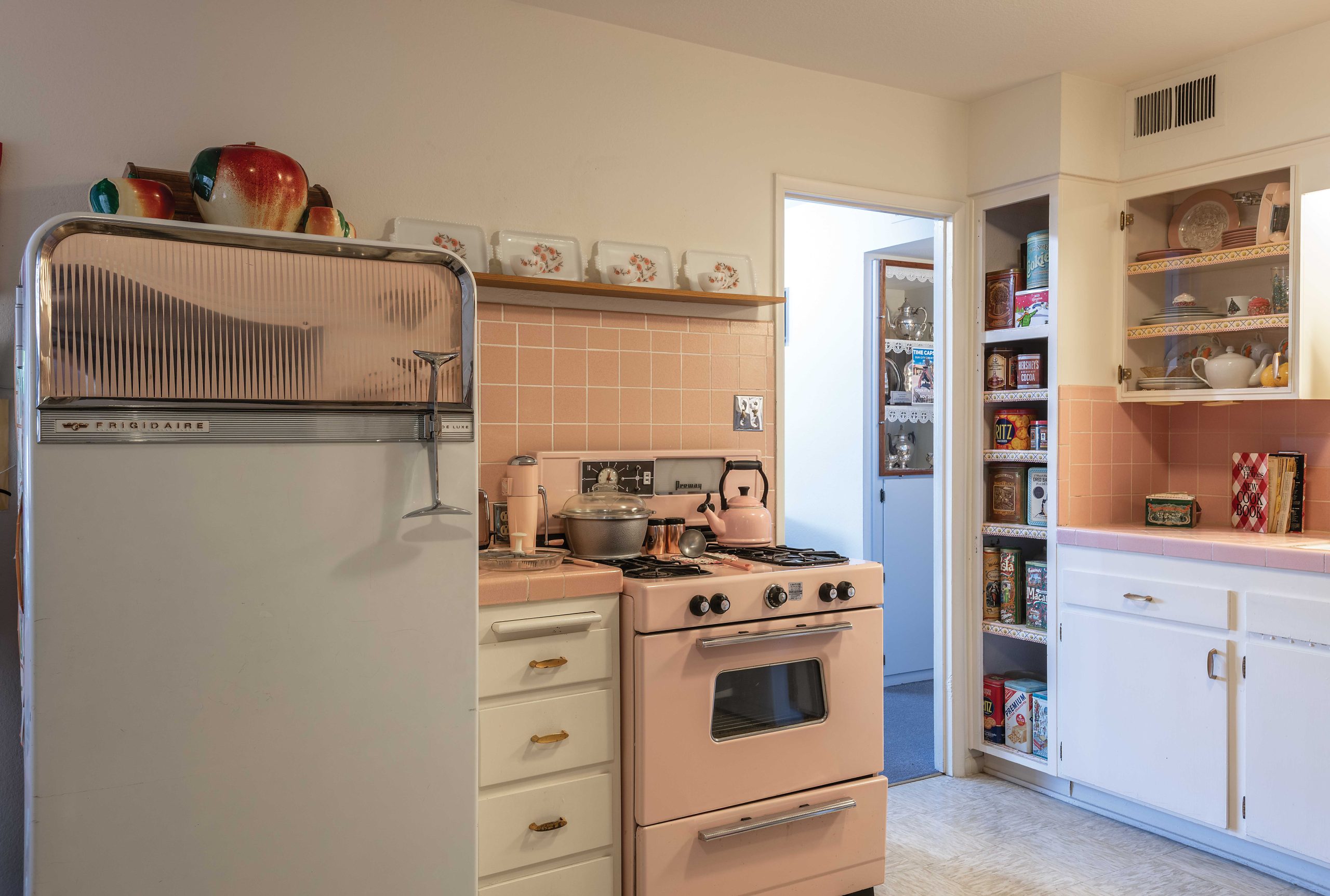
The compact yet mighty museum is an unanticipated rabbit hole for visitors. “We hear from many of our guests that they expect to take a quick breeze through the house and end up spending two hours there,” Andy Kindler, the museum’s president, says. “The kitchen, with its original Preway range and Fridgidaire De Luxe refrigerator, elicits comments like, ‘We had that when I was a kid,’ or ‘My grandparents had those dishes,’ or ‘Even the inside of the refrigerator is pink.’”
Kindler adds that teens are often shocked to learn that their ancestors really lived this way. “The rotary-dial phone intrigues them, prompting one young girl to ask her grandfather,‘How do you disconnect a call?’”
The museum has expanded several times to accommodate the growing number of artifacts, including the addition of the oldest building in Sun City. “The sales office was built in 1959 at the corner of 107th and Grand avenues to provide information,” Schlemmer says. “It came about because so many people were stopping and asking what all the construction was about in the middle of nowhere.”
Schlemmer adds that the original sales office was later used as a storage shed for the recreation center, a hot dog stand for special events and the women’s softball team’s changing room. “It’s not very big,” he says. “I can’t imagine an entire team of ladies changing in it. There had to be a whole lot of elbows hitting each other.”
Beyond evoking nostalgic memories, the museum is significant because Sun City did more than serve as a model for the nation’s first active retirement communities; it also catalyzed the West Valley’s growth. “This was the engine that started pulling people out here, because once you put in 27,400 homes belonging to retired people, shopping, medical facilities and a hospital soon followed,” Schlemmer says.
This year promises to be especially exciting for the museum. In 1976, a time capsule was sealed in the base of a Liberty Bell replica in Sun City. It will be opened on November 15 to celebrate the nation’s 250th anniversary. “We are very excited, because here in little Sun City, we have something nobody else has,” says Linda Borton, the museum’s office director. “People did not even realize we had this at the state level. It’s going to be quite the event.”
“The salespeople ran over to a nearby Safeway and bought some generic receipt books. Home buyers left with a 3-by-5-inch handwritten receipt acknowledging their $500 deposit.”
-Alan Schlemmer, Museum Docent