


Garden Solutions
By Noelle Johnson | Illustration by Gary Hovland
Hello Friends,
Summer is here, and with it comes the intense heat that brings challenges to gardening in the desert. While we never quite know what each summer will bring, one thing is certain—this season has a way of showing us what’s working in our landscapes and what isn’t. Step outside on a hot afternoon, and you’ll see right away which plants are truly thriving—and which are struggling.
It’s easy to focus on helping everything survive the heat, but this time of year also gives us a chance to observe and learn from the plants in our yard. The stress that plants experience now can reveal issues with placement, sun exposure and even plant selection. This is an opportunity to observe what is working and what isn’t, so you can make needed changes.
Let’s explore what your garden is telling you and how to use those insights to create a more resilient, water-efficient landscape.
Noelle, aka “AZ Plant Lady”
What the Summer Heat Reveals About Your Landscape
Step outside in your yard on a summer afternoon and you feel it instantly—the intense heat radiating from the ground, walls and walkways. Some plants seem to handle the high temperatures easily, while others show signs of stress. During this time of year, we are presented with an opportunity to get a clear picture of what’s working in your landscape—and what isn’t. Summer acts as a stress test for your garden, revealing which plants are well-suited to your space and which ones may need to be replaced or relocated. Paying attention now can save you time, money and frustration later.
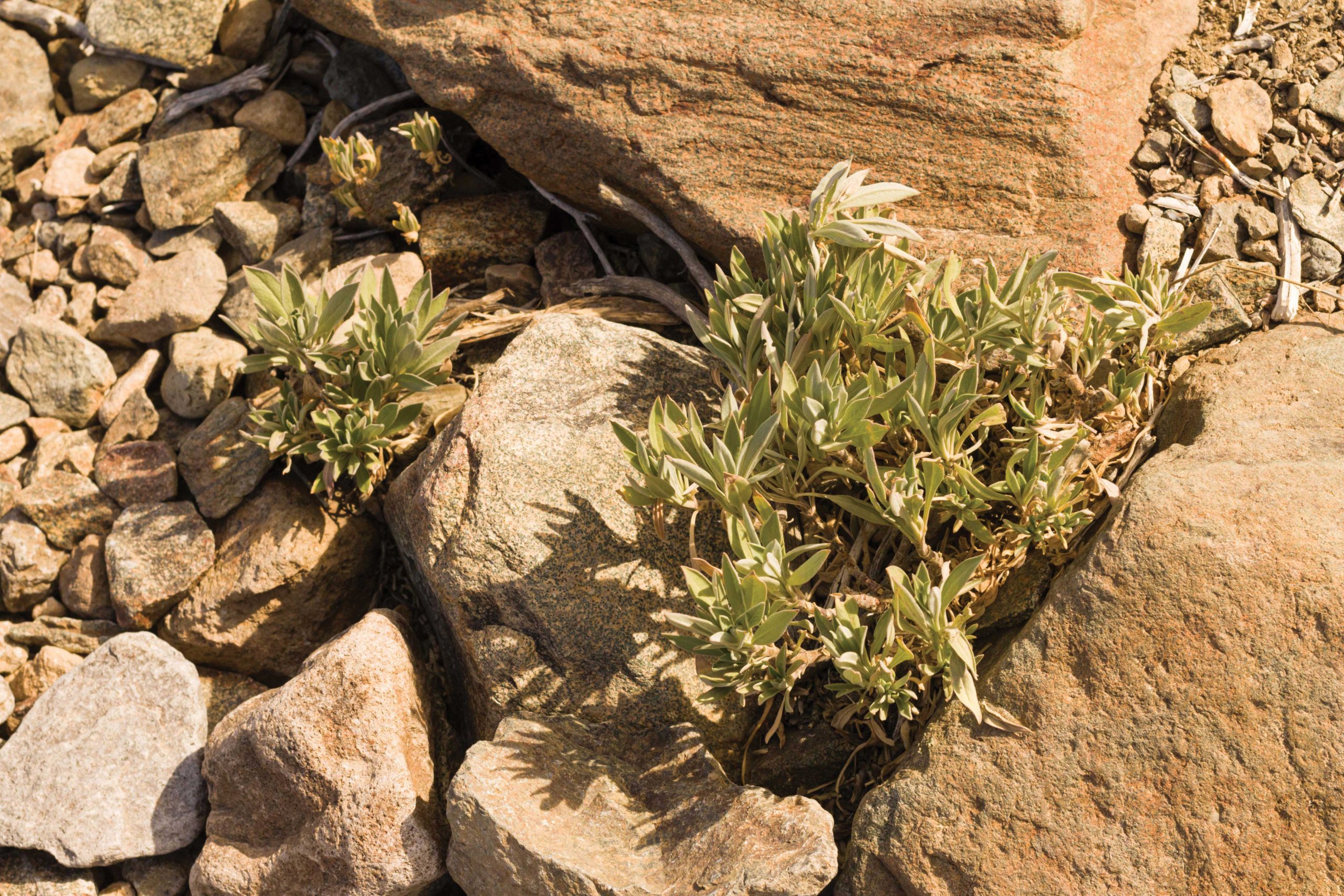
Plants that struggle are often located in the wrong place.
If a plant is consistently showing signs of stress—such as sunburn, wilting or poor growth—it may be in an area that receives too much sun. Plants have different light requirements, and it’s a common mistake to add a plant without first determining its preferred sun exposure. If sun stress is an issue and you want to move your plant to a more shaded location, don’t dig it up during the summer. It’s unlikely it will survive being transplanted then. The best approach is to provide temporary relief from the sun, such as applying 50% shade cloth, and then plan to replace or relocate it in the fall, when planting conditions are ideal and roots have time to establish before the next summer arrives.
Some plants simply aren’t suited for desert heat.
If a plant continues to struggle year after year, it may not be well-adapted to our intense summer conditions. While many plants are labeled as “heat tolerant,” not all can handle the combination of several months of triple-digit temperatures, reflected heat and low humidity. Rather than wasting time and resources trying to keep these plants alive, replace them with species that are proven to thrive in the desert. Take note of what performs well in your own landscape and in your neighborhood, and utilize local online resources such as amwua.org/plants, which has recommendations for heat-proof trees, shrubs, ground covers and more.
Sunburned foliage reveals a need for shade.
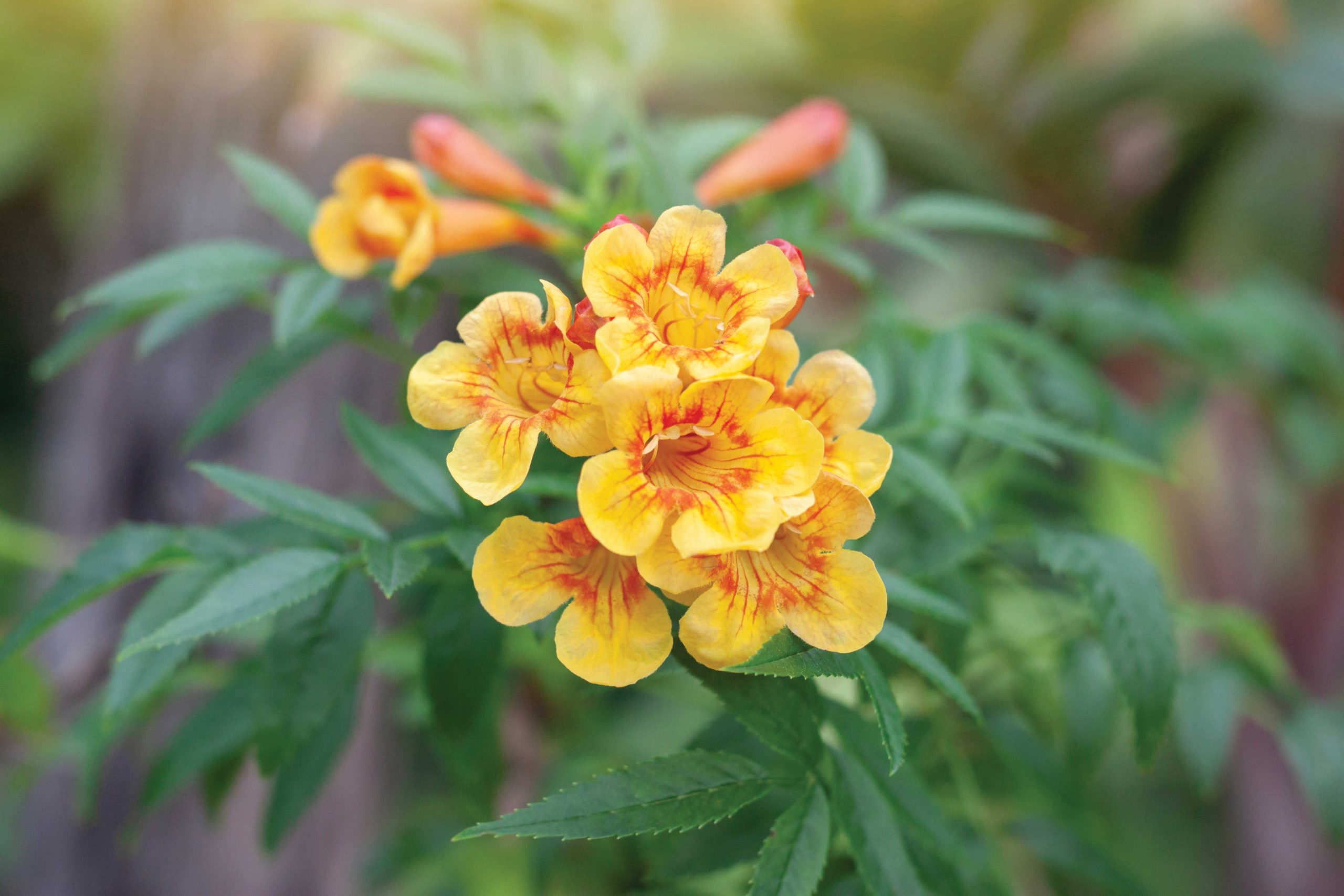
Plants exposed to intense afternoon sun often develop yellowing or burned foliage, especially on their west- and south-facing sides. Adding shade from trees or large shrubs such as hop bush (Dodonaea viscosa) or orange bells (Tecoma ‘Orange Jubilee’) can provide relief and help lower temperatures. Place them where they will provide shade during the hottest part of the afternoon. For more immediate protection, shade cloth is an effective solution—use 50% for shrubs, vines and ground covers, and 30% for succulents. Even providing temporary shade during the hottest part of the day can make a noticeable difference.
Rapid wilting often points to shallow watering.
If plants wilt between irrigation cycles, it’s often because moisture isn’t reaching deep enough into the soil. Shallow watering encourages roots to remain near the surface, where soil dries out quickly and temperatures are higher. Deep watering encourages roots to grow farther down, where it is cooler and moisture lasts longer. Use a soil probe, long screwdriver or piece of rebar to check how far water is penetrating after you irrigate, and adjust your watering duration to reach the appropriate depth for each type of plant. Recommended depths: trees, 2-3 feet; shrubs, 1.5-2 feet; ground covers, 1-1.5 feet; succulents, 8-12 inches.
Locate the Hottest Areas of Your Yard
Notice where the heat feels most intense in your yard, especially in the afternoon. Block walls, gravel-covered areas, and hard surfaces such as driveways, patios and walkways absorb and radiate heat, raising temperatures around nearby plants. Add tall shrubs along walls to block radiant heat and use heat-tolerant ground covers such as ‘Outback Sunrise’ emu (Eremophila glabra ‘Mingenew Gold’) to cover exposed areas of landscape rock. Planting trees—both large and small—can also provide shade for sunny areas. Together, these strategies can significantly reduce heat stress on your plants.
Notice What’s Thriving
Observe which plants continue to look good despite the heat. These have proven themselves to be heat-proof and should play a larger role in your landscape moving forward. Look beyond your own yard as well—notice what is thriving in your neighborhood, along streets, in parking lots and in other landscapes. Take photos of plants you like and ask a local nursery professional to help identify them. They can also recommend reliable, heat-tolerant plants to incorporate into your garden when planting season returns in the fall.
Low to Mid Elevations
Get your roses ready for the summer heat. Roses don’t love this hot time of year, so it’s best to leave them alone aside from proper watering and providing sun protection if needed. Move landscape rock away from the base of each shrub, as it increases heat around the plant, and replace it with 2-3 inches of compost or bark chips. This organic mulch helps keep soil temperatures cooler and reduces moisture loss. Water every 2-3 days, making sure moisture reaches a depth of about 24 inches. In areas with intense, reflected sun, consider covering your roses with 50% shade cloth for added protection.
Make sure your irrigation system is working properly. Turn the water on and watch for areas of unexpected moisture away from plants, which may indicate a leak. Check that all drip emitters are in place and delivering water to each plant. If an emitter is clogged or not flowing properly, replace it. Open your irrigation valve box and look for standing water or signs of a leaking valve.
For lawn areas, observe sprinkler patterns to be sure water is not hitting sidewalks, walls or driveways. Schedule irrigation for the early morning hours, which reduces evaporation and allows plants to absorb moisture more effectively before the stress of the day’s heat arrives.
Continue planting warm-season crops such as okra, basil, Armenian cucumber and sweet potatoes.
Direct-seed melons, beans and summer squash, or transplant seedlings started indoors. Heat-loving herbs including basil, oregano, thyme, sage and lemongrass also perform well this time of year. Amend soil with compost and aged manure, gently mixing it into the top few inches without disturbing deeper layers.
As temperatures rise, cover your edible garden with 50% shade cloth to reduce stress and prevent sunburn. Water deeply and consistently in the early morning to help plants handle the heat. Apply organic mulch such as compost or straw to keep soil cooler and reduce moisture loss.
High Elevations
Direct-seed native plants and wildflowers, and transplant perennials to fill in garden beds. Plant trees and shrubs now so they have time to establish during the growing season. In the vegetable garden, plant tomatoes, peppers, melons, eggplant and beans. Wait until later in June to plant heat-loving crops such as squash and cucumbers. Continue to monitor weather forecasts for late-season frost or hail, which can still occur in these regions. Prune spring-flowering shrubs after they finish blooming to maintain shape and encourage healthy growth. Plant summer bulbs and annual flowers to add seasonal color. Water regularly, especially for new plantings, and remove weeds as soon as they pop up while they are still easy to manage.
Reader Questions
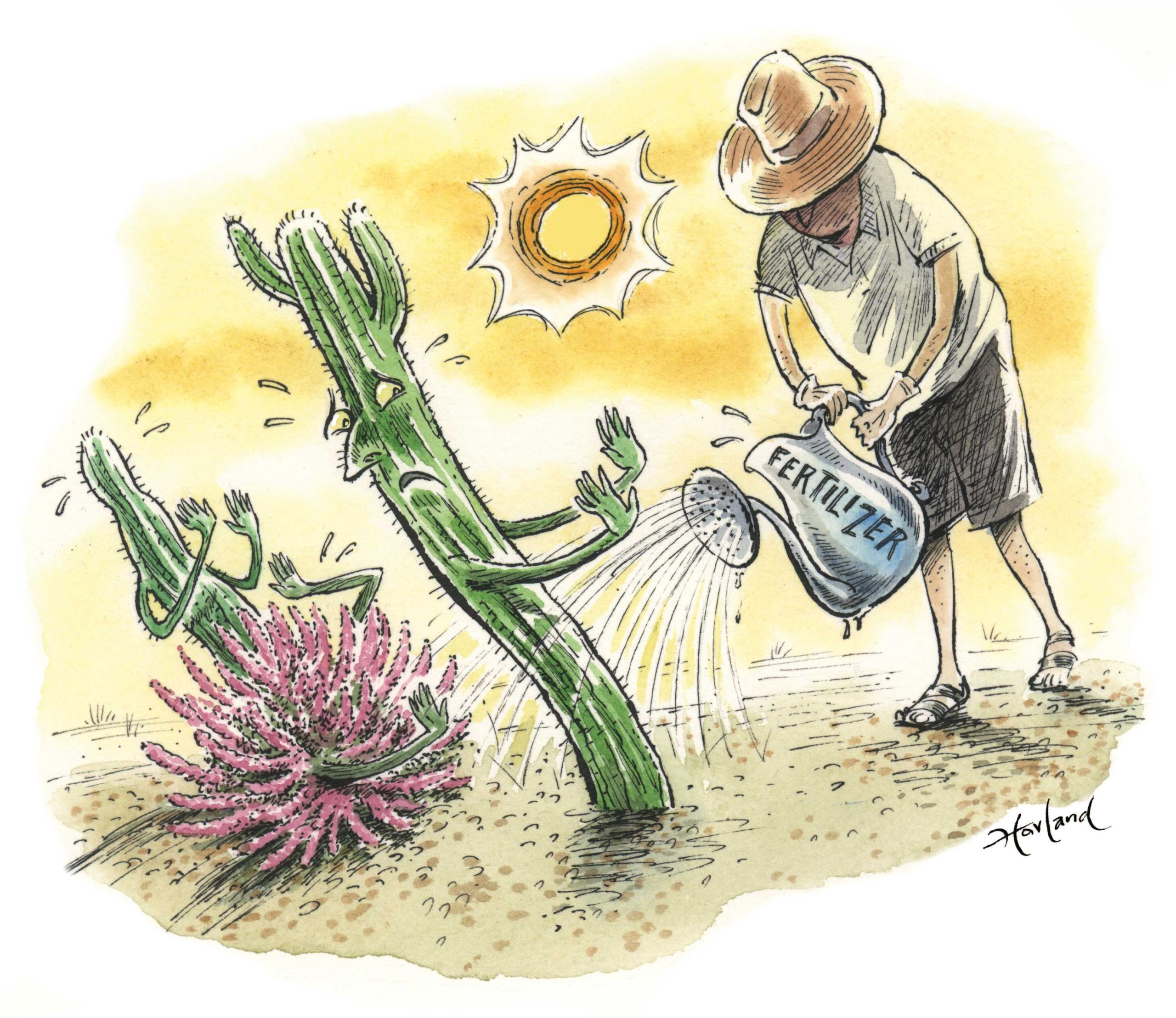
My landscaper told me I should be fertilizing my trees, shrubs and ground covers through the summer to keep them healthy and looking good. Is that really necessary for desert plants?
This is a very common recommendation, but in most desert landscapes, it isn’t necessary—and in the summer, it can actually cause undue stress for your plants. Most native and desert-adapted plants don’t need supplemental fertilizer at all. They are well-suited to our soils and their naturally lower nutrient levels, and adding fertilizer won’t necessarily improve their health. In fact, it can stimulate lush, leafy growth at the expense of blooms, while also attracting insects that feed on the tender new growth.
During summer, most plants grow very little and instead focus their energy on coping with the stress of extreme heat. Fertilizing now pushes them into an active growth cycle, diverting resources away from heat tolerance. Instead of helping the plant, it can make it more susceptible to damage.
There are a few exceptions. Flowering annuals, vegetables and herbs benefit from summer feeding since they are actively growing and producing. Palms are another exception—they respond well to fertilizer, but the best time to apply it is in early summer, when soil temperatures are warm.
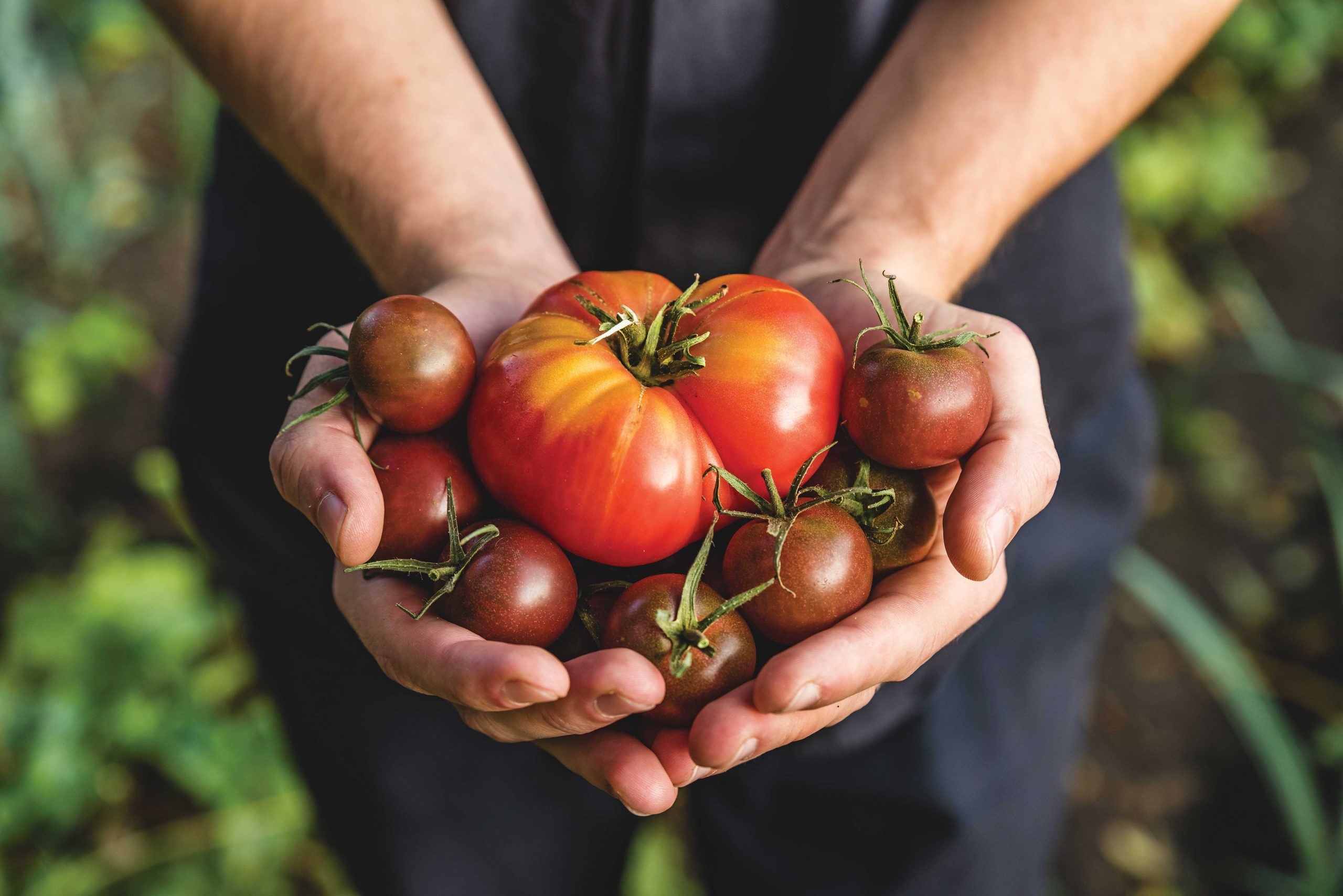
I’m new to growing tomatoes in the desert. I have a healthy tomato plant I started this spring. What can I do to get it to last through the summer?
Tomatoes can be grown successfully in the desert, and spring is the primary growing season. As summer approaches, tomato plants begin to slow down. Once daytime temperatures consistently reach the 90s, tomato pollen becomes unviable, which means flowering and fruit production will gradually stop. The good news is that any existing fruit will continue to ripen.
To help your tomato plant survive the summer and produce again in the fall, shade protection is a must. Provide relief using 50% shade cloth once temperatures reach the 90s. This helps reduce stress and prevents sunburn on both the foliage and fruit. Keep it in place through the hottest months and remove it once temperatures begin to drop below the mid-90s in early to mid-fall.
In September, lightly prune your plant by removing dead or leggy growth. This encourages fresh new growth once nighttime temperatures begin to cool into the 70s. Your plant will produce flowers and fruit for a second, smaller fall harvest.
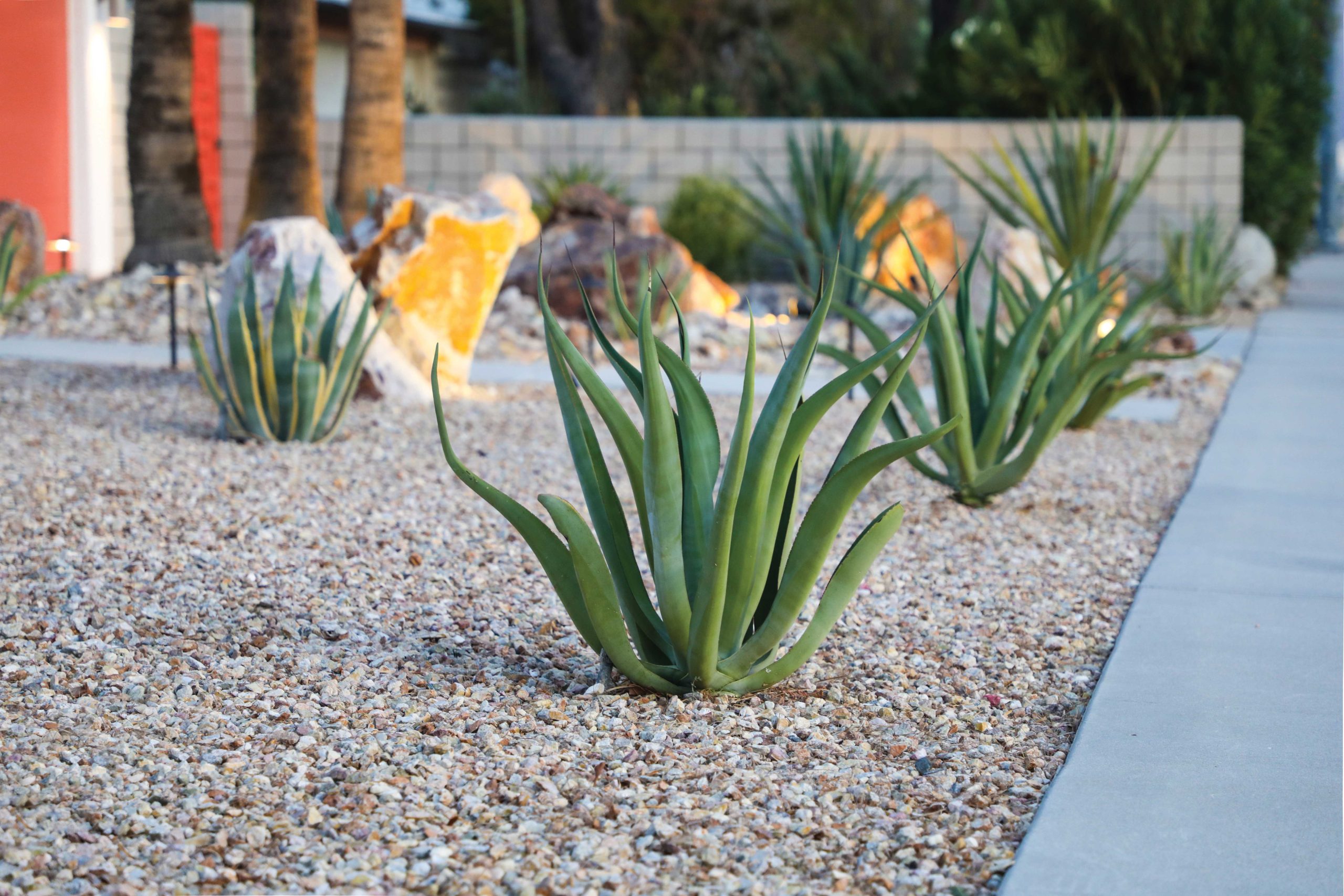
My yard is covered in landscape rock, which my HOA requires. I have several ground covers that show leaf burn in summer from the reflected heat. I don’t want to replace them. Is there something I can do to prevent this?
This is a common issue in desert landscapes. Landscape rock absorbs and radiates heat, which can significantly raise temperatures around your plants—especially in full sun. This extra heat can lead to leaf burn on non-native desert plants.
There are a few effective ways to reduce the stress. One option is to pull the rock back several inches from the base of each plant and cover the bare soil with organic mulch, such as bark chips. This will help keep the soil cooler, reduces moisture loss, and won’t retain heat the way that rock does. You can also allow your ground covers to grow and spread so they begin to cover more of the exposed rock, naturally shading the soil and helping to lower temperatures over time.
For additional protection, apply 50% shade cloth directly over the plants once temperatures consistently reach around 100 degrees. Shade cloth is usually available in colors including black, green and beige, so it can blend into the landscape. Remove it in early fall when temperatures begin to drop into the 90s.
Submit your garden questions to info@azplantlady.com for the chance to be featured in a future Garden Solutions.