


Garden Solutions
Hello Friends,
Spring in the desert is our most beautiful time of year. Across both home landscapes and the surrounding desert, trees, shrubs, perennials and ground covers burst into bloom in a spectacular display of color. Penstemons send up tall flowering spikes, wildflowers such as Mexican poppies (Eschscholzia californica ssp. mexicana) and arroyo lupine (Lupinus succulentus) add welcome color with vibrant hues, and shrubs including fairy duster (Calliandra spp.) and chuparosa (Justicia californica) are covered in blossoms that hummingbirds eagerly visit. And to top it off, cacti put on their own show late in spring with their own flowers. This is a time of year that invites us to venture outside to experience the beauty around us along with the warm temperatures.
One of my favorite things about this time of year is the overlap of blooming seasons. Many early spring plants are still flowering while summer bloomers are beginning to produce their floral show, creating a rare moment when the garden feels especially vibrant. It’s also a busy time in the garden for planting, pruning and preparing your landscape before the intense heat of summer arrives.
Let’s enjoy this colorful season in the desert garden.
Noelle, aka “AZ Plant Lady”
Submit your garden questions to info@azplantlady.com for the chance to be featured in a future Garden Solutions.
Soil, Fertilizer and the Right Planting Hole
Many desert dwellers assume that adding rich soil amendments to every planting hole is the key to successfully growing plants in our hot, arid climate. While this can be helpful in certain situations, it isn’t always necessary—and in many desert landscapes, it can slow down the growth of young plants. Most Arizona gardens are filled with desert natives and desert-adapted plants that naturally thrive in our native soils. These plants evolved in regions with alkaline soils with lower nutrient levels and aren’t fussy about soil fertility. In fact, they can struggle in planting holes filled with highly amended soil that is rich in nutrients and organic matter.
Research has shown that when a planting hole is filled mostly with amendments and very little native soil, roots may hesitate to grow beyond that enriched pocket. Instead of spreading outward into the surrounding soil, they remain confined to the original hole. This limits the development of a strong root system—something that is critical for plant health and survival in the desert. A wide-spreading root system allows plants to access more moisture from irrigation and rainfall and helps them endure the intense heat of summer. This is especially important because trees, shrubs, ground covers and even fruit trees quickly extend their roots well beyond the width of their canopy. If the hole is filled with materials such as bagged planting mix, peat moss or potting soil, the roots often prefer to stay in that soft, nutrient-rich zone instead of venturing into surrounding soil. Over time, this can lead to slower growth and reduced drought tolerance.
Instead, focus on creating the right planting hole. Dig one that is three times wider than the plant’s root ball but no deeper than the root ball itself. Planting too deeply is one of the most common causes of plant decline. A wide hole loosens the surrounding soil, making it easier for roots to spread outward and establish more quickly. In most cases, there is no need to add anything to the hole at all.
One important exception is poor drainage. Desert-adapted plants prefer well-drained soil. To check drainage, dig a hole about 12 inches deep and fill it completely with water. Let it drain once, then refill it and time how long the water takes to disappear. The hole should completely drain within 24 hours. If your planting hole drains slowly, you can improve soil texture by adding compost. Mix one-third compost with two-thirds native soil before backfilling the hole. Compost helps separate compacted soil particles, improving air space and water movement while still encouraging roots to grow into the surrounding ground.
While most desert plants prefer native soil, some plants truly benefit from higher nutrient conditions. Roses, vegetable and herb gardens, and many flowering annuals perform best in amended soil. In these cases, adding compost, aged manure or a quality planting mix to the surrounding bed—not just the planting hole—can make a big difference in long-term performance.
Another common mistake is adding fertilizer directly into the planting hole. This practice can inhibit new plants. Fertilizer encourages rapid growth above ground at a time when plants need to focus on establishing roots below the soil surface. Without a strong root system, new growth is more vulnerable to heat, drought and transplant stress. Instead, allow new plants several weeks to settle in before beginning a regular fertilizing routine, if needed. The exception to this rule is edible gardens—vegetables and herbs are heavy feeders and benefit from fertilizer at planting time to support rapid growth and productivity.
By resisting the urge to over-amend planting holes, you’ll help your plants establish deeper, stronger roots and become better prepared to handle the challenges of desert gardening. Often, the best thing you can add to your planting hole is simply the soil that’s already there.
Low to Middle Elevations
Before adding new plants to your landscape, ensure there is enough room for them to grow to their mature size. Match the plant’s recommended sun exposure as well. “Full sun” on a plant label doesn’t necessarily mean it can handle the intense rays of desert sun. Consult with local resources such as your local nursery professional or online resources such as amwua.org/plants for size and sun requirements.
Prune summer-flowering shrubs such as bougainvillea (Bougainvillea spp.), lantana (Lantana spp.), Texas sage (Leucophyllum spp.) and yellow bells (Tecoma spp.) if you haven’t already. Cut them back severely or by half their size, but avoid shearing them into unnatural shapes like balls or squares. If the shrub has room to grow and looks healthy, you can skip pruning. For late winter to spring bloomers—such as ‘Little John’ bottlebrush (Callistemon viminalis, ‘Little John’), cassia shrubs (Senna spp.) and ‘Valentine’ emu
(Eremophila maculata)—wait until they finish flowering before pruning by half. Proper pruning encourages strong growth and maximizes blooms while keeping your shrubs looking natural.
Check that your irrigation system is working properly. Spring is the perfect time to make sure it is functioning efficiently before summer arrives. Turn it on and walk through your landscape, looking for unusually wet areas away from plants, which could indicate a leak. Check drip emitters to ensure none have popped off and that water is reaching each plant. Clogged emitters can prevent water from flowing and may need to be replaced. Inspect your irrigation valve box for standing water or signs of a broken valve. For lawn sprinklers, check that spray patterns are even and not hitting sidewalks, walls or driveways. If you need assistance, visit smartscape.org/know-your-pro to find a qualified irrigation specialist.
Plant warm-season herbs and vegetables. Direct-seed crops such as cantaloupe, okra, snap beans, summer squash and watermelon, or transplant seedlings started indoors. Basil does exceptionally well in the desert heat along with other culinary favorites including oregano, sage, thyme and lemongrass. Add a layer of compost and aged manure and gently rake them together to mix—don’t disturb the soil layer underneath, which can disrupt the delicate soil structure.
High Elevations
Add cool-season vegetables including broccoli, cauliflower, kale, lettuces, radishes, carrots and peas outdoors from transplants and seed. Be ready to protect young plants from late frosts with row cloth if needed. Plant annual flowers such as pansies, snapdragons and calendula for spring color. Early-blooming shrubs—such as lilac, flowering currant and ceanothus—should be pruned after flowering. Remove dead or damaged branches and lightly shape; avoid pruning summer bloomers yet to flower.
I like to park my car under the shade of my front yard tree whenever possible. Last spring, my windshield was covered in what looked like tiny raindrops that were sticky. Additionally, the plants underneath my tree had extra shiny leaves. I was told that it was from aphids in my tree. Should I be worried that they are hurting my tree, and should I treat it?
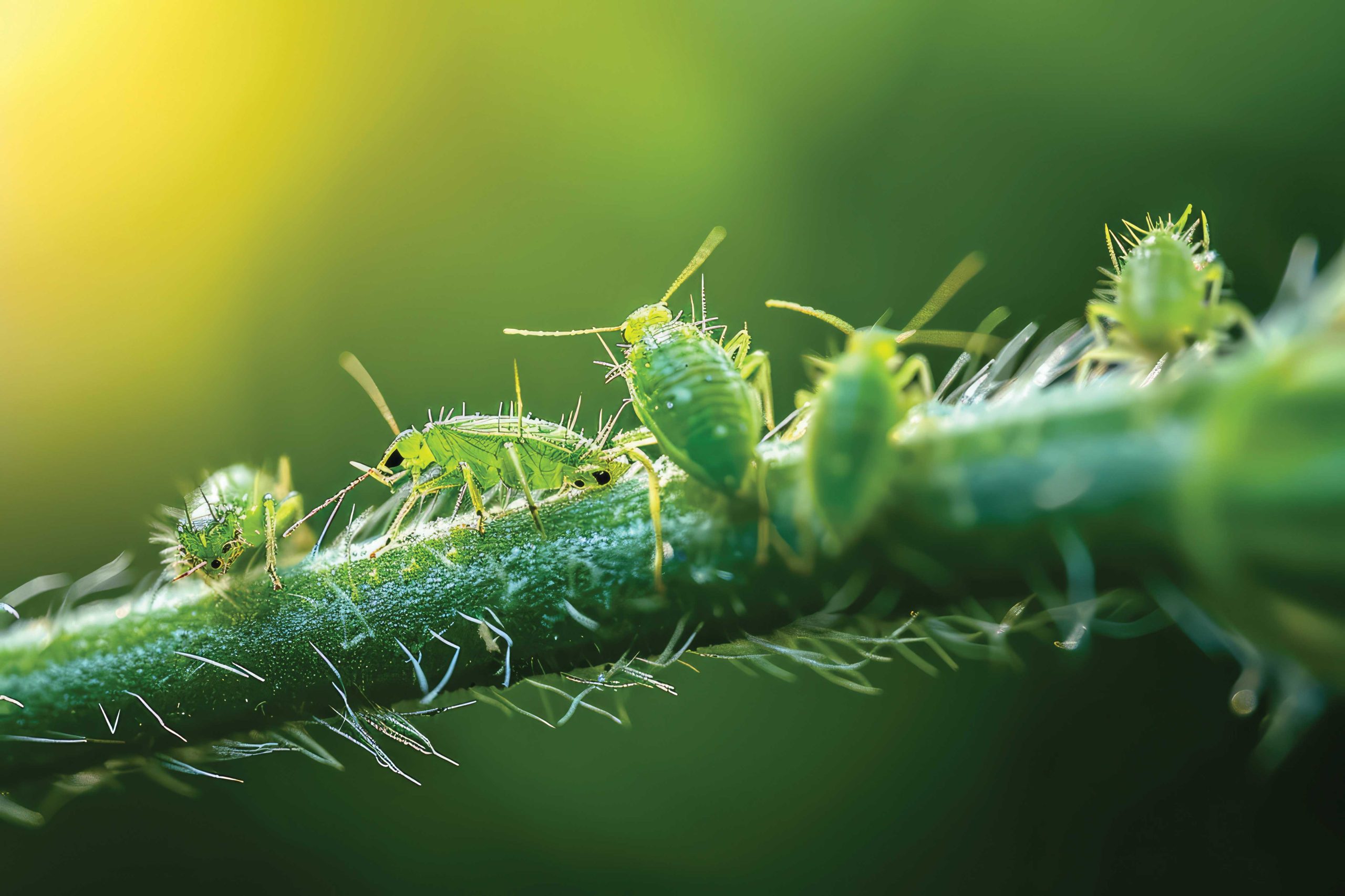
What you’re seeing is a very common springtime occurrence caused by aphids. These tiny insects feed on plant sap from the leaves of your tree and excrete a sticky, sugary liquid called honeydew, which falls onto anything below—including cars, plants, patio furniture and walkways. The good news is that aphids are a normal part of spring in the desert. Most people never notice them, and established trees can easily handle their annual visit with no lasting damage. Aphids usually disappear in early summer due to hotter temperatures, along with some help from natural predators such as lady beetles and lacewings. Treatment is rarely necessary for mature trees. The simplest solution is to park your car in a different spot during spring until they disappear.
I’ve recently moved into a house with a lot of Texas sage (Leucophyllum spp.) shrubs in the landscape that have been pruned into balls. I hate that look and want to allow them to grow naturally so they will flower more. Do I have to dig my existing plants up and start over with new ones, or is there something I can do to rehabilitate them?
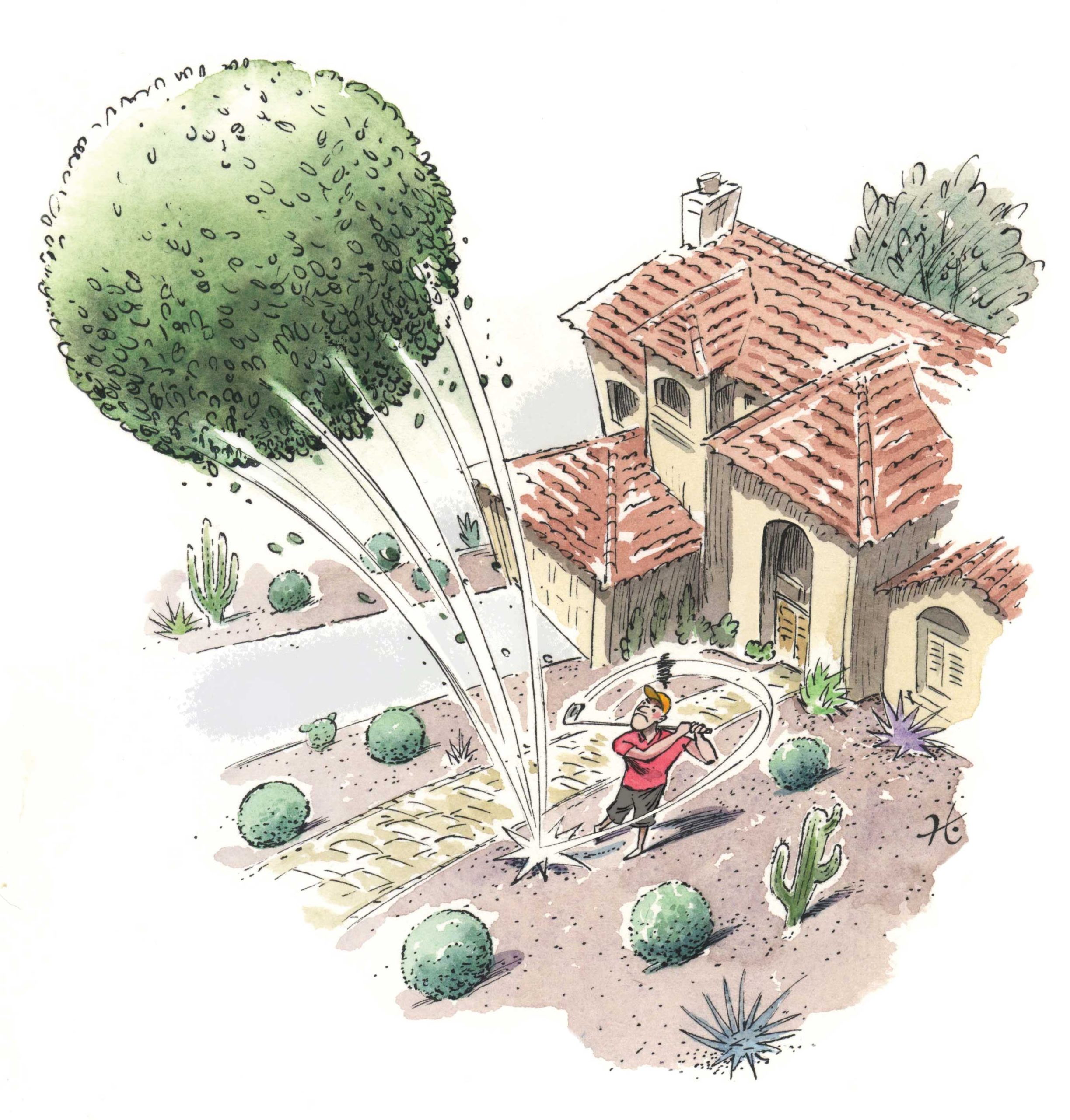
Texas sage (Leucophyllum spp.) is a popular shrub in desert landscapes thanks to its beauty and exceptional heat tolerance. Unfortunately, it’s often sheared into balls, squares or “cupcake” shapes. This constant trimming isn’t healthy for the shrub, shortens its lifespan, decreases blooming and even increases water use as the plant continually works to replace the foliage that is repeatedly removed.
The good news is that you can usually restore its natural form with rejuvenation pruning. In spring, severely cut the shrub back to about 8 inches from the ground using loppers or a pruning saw on thicker branches. New growth will occur within four to six weeks for healthy plants. Spring is the only time this severe pruning should be done. If your shrubs fail to regrow, they may need to be replaced. Moving forward, limit pruning to once or twice a year—and if your shrubs have room to grow, they may not need pruning every year.
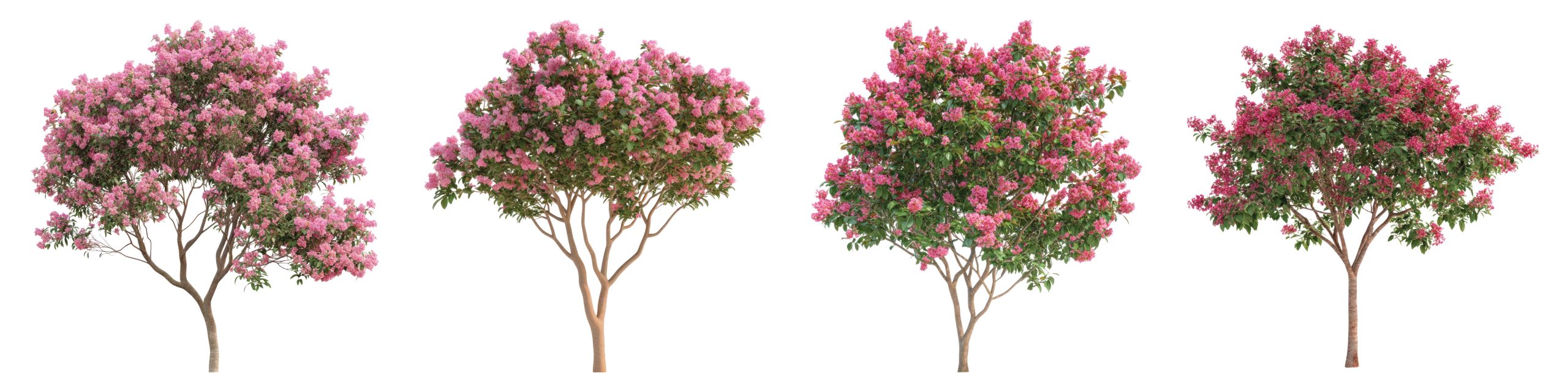
We planted several crape myrtle trees in our plant border. The first group is doing very well, but the second group planted just a few months later (all the same price and variety) are hardly growing at all after four years of receiving similar watering and fertilizer. Why aren’t they all growing similarly?
Several factors may explain the uneven growth between the two groups of crepe myrtle trees. The most likely cause involves the roots. The second group may not have developed as strong a root system at planting. Trees and shrubs left too long in nursery containers often develop circling roots, which can continue to grow inward instead of outward once planted, limiting establishment. Planting too deeply is another common issue that can significantly restrict growth over time. Check that the root flare—the point where the trunk widens at the base—is visible just above the soil line. If it isn’t, gently remove the excess soil from around the trunk until the flare is exposed, being careful not to damage the roots. Sun exposure may also play a role. Crape myrtles can struggle in intense reflected afternoon sun and heat. Soil differences are another frequent culprit. Even within the same planting border, one area may contain compacted soil or buried construction debris that restricts root expansion. Also check that both groups receive equal irrigation, as a clogged emitter can limit growth without obvious stress signs.