


Phoenix Art Museum Unveils Renovated Galleries
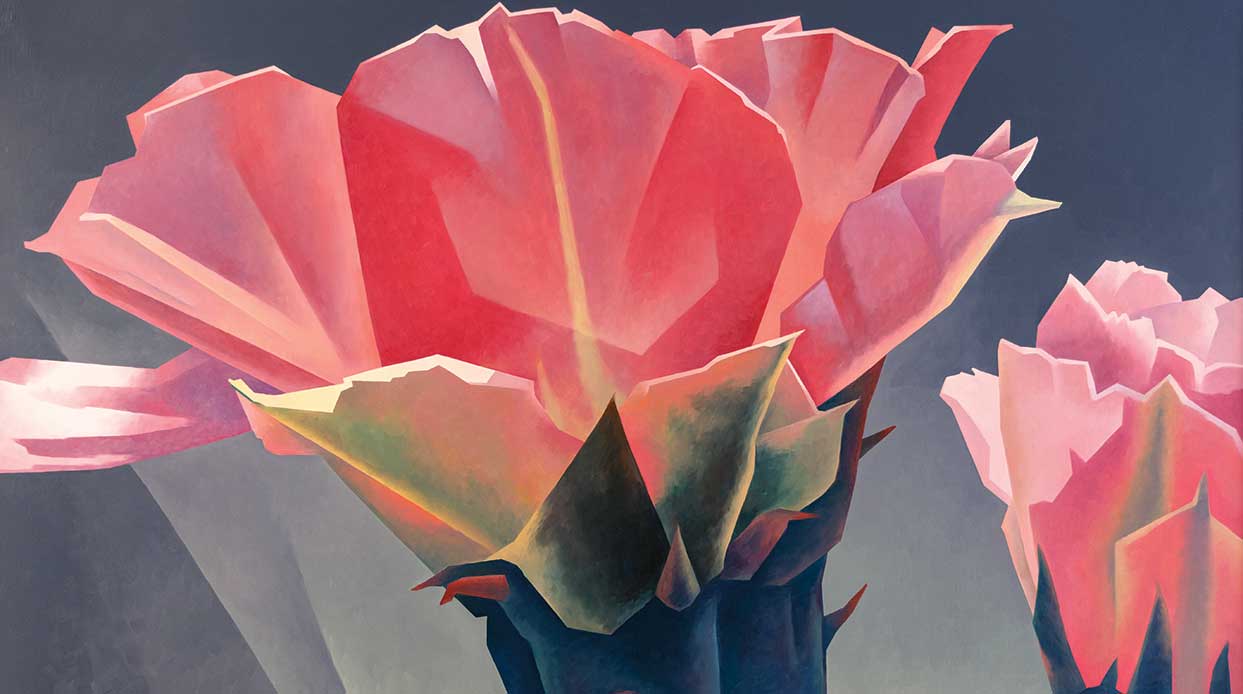
Arizona artists get spotlight in museum’s renovated wing.
After five months of renovations, the Phoenix Art Museum has reopened, and renamed, its north wing. The James K. Ballinger Wing is home to 10 galleries, showing more than 250 works across 17,000 square feet on the museum’s second floor. The wing is named in honor of Ballinger, who worked as a curator and then the museum’s head over a 40-year tenure. The renovated galleries showcase American, Latin American and European art; the Thorne Miniature Rooms; and special presentations of works by Arizona artists George Elbert Burr and Ed Mell.
The revamped space is a testament to “our commitment to engaging audiences with our collections in new, accessible, and thought-provoking ways,” museum director and CEO Jeremy Mikolajczak says.
Olga Viso, the museum’s chief curator, shares more about the unique exhibition showcasing Mell’s process and other unmissable pieces in the Ballinger Wing.
For this exhibition of Ed Mell’s work, the museum will show the artist’s process. Tell us about “In the Studio” and what guests can expect.
Visitors to Phoenix Art Museum will have an unprecedented opportunity to understand Ed Mell’s working process as an artist firsthand. The show includes some 80 works, including small oil studies, early pastels and watercolors that have never been on public view. They are clustered together and mounted on shelves in the manner Mell displayed them in the studio. These small oil studies, of which there are hundreds, served as reference and source material for larger paintings. They remain a record of Mell’s true compositional intents, from the mid-1970s to his final paintings in 2023. There are also several instances where viewers can observe Mell’s interim studies on paper and oil at different scales side-by-side and presented in relation to a finished canvas. These comparisons offer insights into Mell’s decision-making process, revealing how he would make subtle shifts in color and detail as he refined his compositions.
Tell us about some of the pieces that will be displayed for the first time with this exhibition.
Ed’s early pastels from the 1980s will be a surprise and revelation to audiences, as they are fully abstract compositions. They reveal his early modernist beginnings, also seen in Ed’s earliest paintings from the late 1970s and early 1980s, such as “The Gap,” 1977, and “String of Clouds,” 1984, which are also in the show. Mell’s structural approach to depicting landscape and his masterful skill at paring down form to its absolute essence is clear in this installation. Seeing the early works side by side with some of Ed’s final paintings made during the last few years of his life is also impactful. You can see how he begins and returns to abstraction and his love of lurid color.
Ed Mell was a prolific Phoenix artist. What were the hallmarks of his work?
Ed Mell is beloved for his vibrant use of color and angular compositions depicting iconic locations along the Colorado Plateau and across the Sonoran Desert. Mell’s paintings of monumental cloud formations, geologic strata and distinctive desert life are hallmarks of his art.
In curating this exhibition, what did you learn about Mell’s process?
Mell’s working process often involved painting at different scales and experimenting in varying media, such as pencil, pastel, watercolor and printmaking. Sometimes ideas for compositions were improvised first in paint. Most of the time, they began with pencil drawings that were then painted in oil on small linen-covered panels. He kept these oil studies as references and source material to inspire future paintings. In the exhibition you will find a small oil study in yellow ochre that served as the catalyst for a larger later painting.
How long will this exhibition be on display?
The exhibition — which brings together some 80 works, including oil studies and drawings borrowed from the Ed Mell Trust, several larger paintings from private collections, as well as the museum’s own holdings — will be on view for one year.
The Mell exhibition is situated in the James K. Ballinger Wing. Tell us about what else patrons won’t want to miss in this renovated wing of the museum.
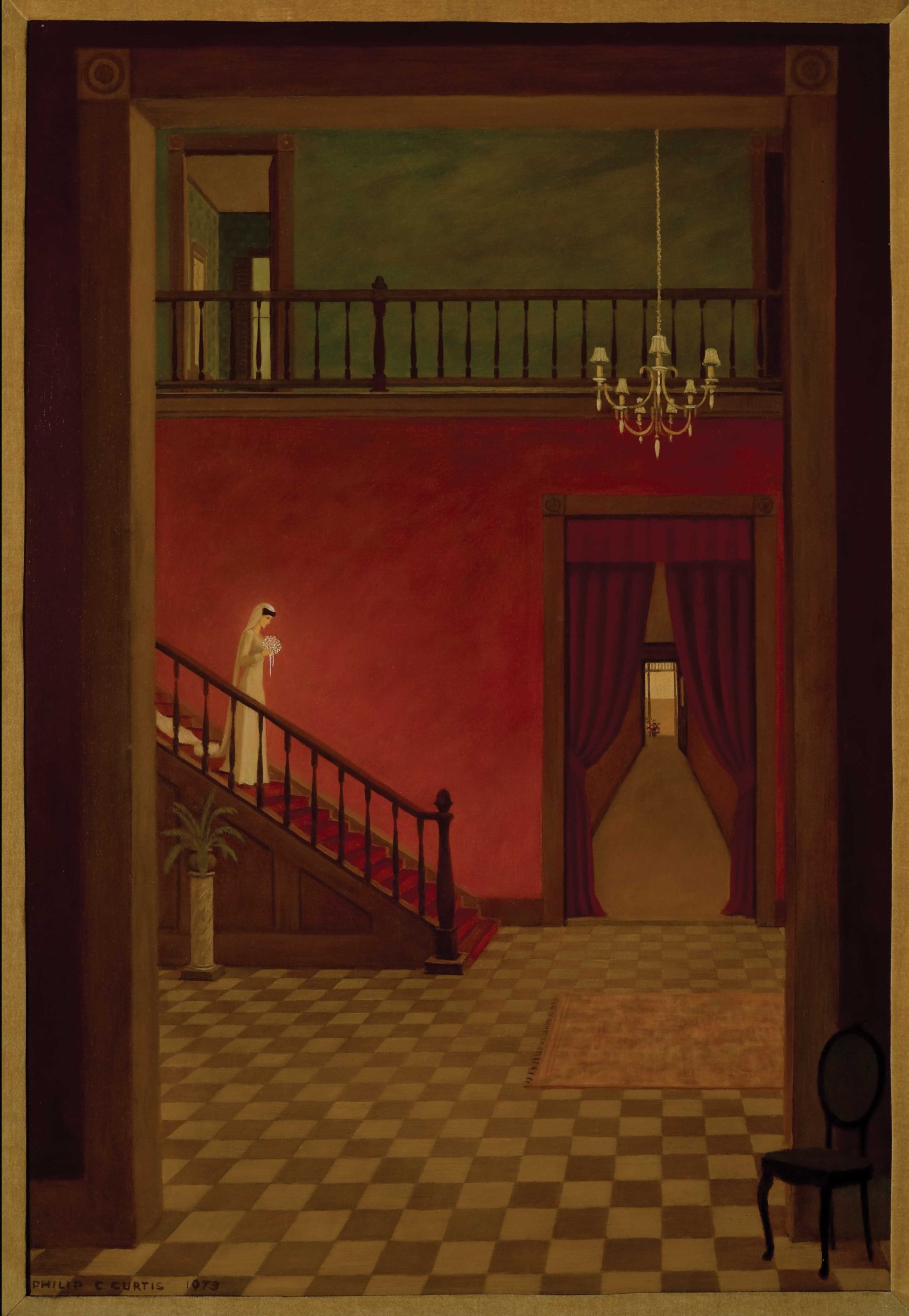
Spanning 17,000 square feet, the James K. Ballinger Wing is now home to 10 gallery spaces, featuring historical American art and art of the American West; Viceregal Latin American art from the 16th to the 18th centuries; and European art from the Renaissance to the Modern period. It includes our renovated and refreshed Thorne Miniature Rooms — one of our public favorites — as well as the newly relocated and renovated Ullman Center for the Art of Philip C. Curtis. This is a dedicated space featuring outstanding paintings and archival sketches by the beloved Arizona-based artist who founded the Phoenix Federal Art Center, the first iteration of Phoenix Art Museum.
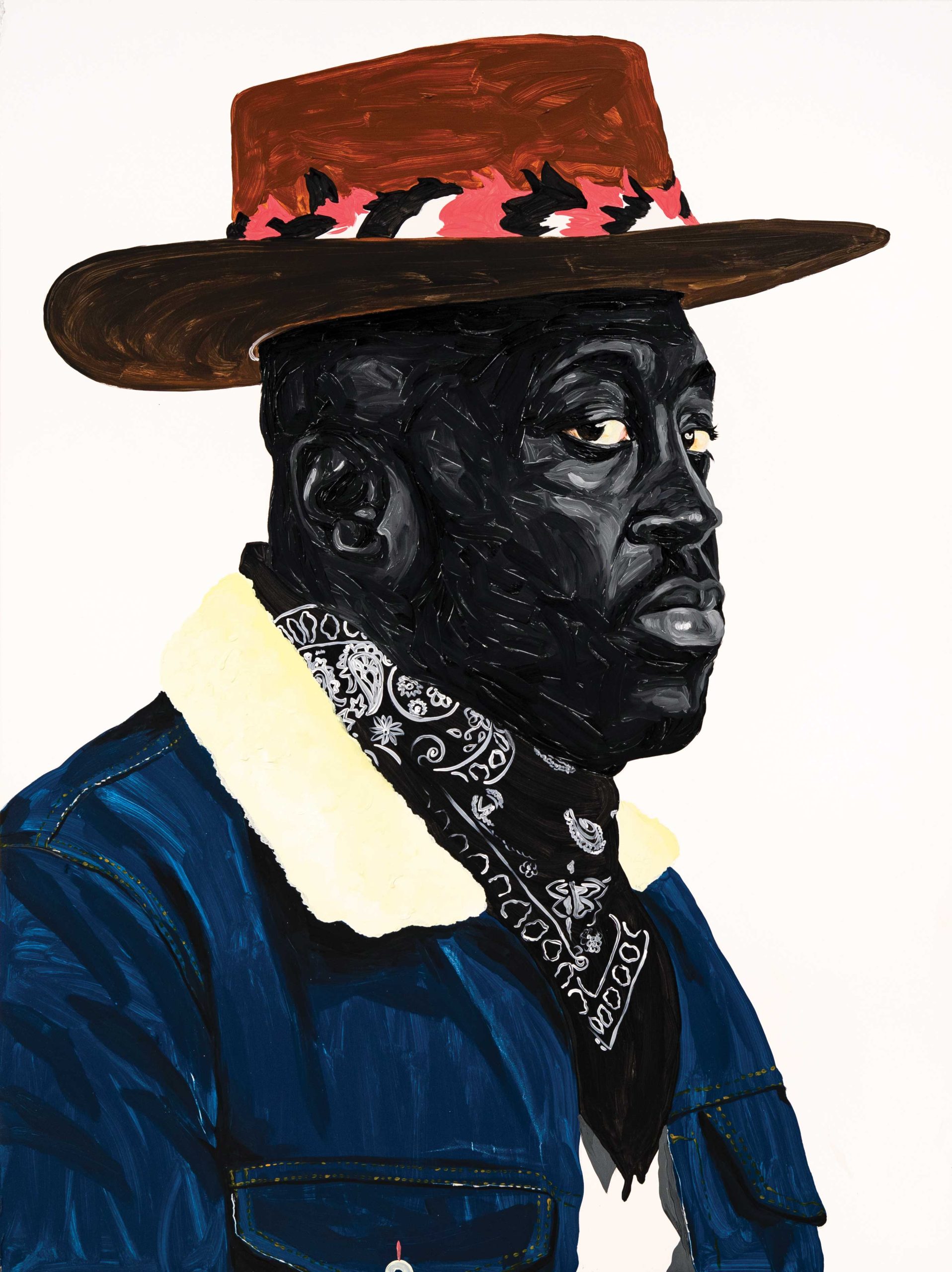
Visitors will find some of the most beloved works in our collection presented in new contexts — our Gilbert Stuart, Gustave Courbet, Claude Monet and Jean Leon Gerome paintings, which are signature works that define the foundation of our museum collection. They will be presented in dynamic dialogue with contemporary voices like Amalia Mesa-Bains, Virgil Ortiz and Phoenix-based artists Gennaro Garcia, Farraday Newsome and Aaron Rothman, among others. These additions reinforce the museum’s commitment to inclusive and interconnected storytelling across time and culture.
In the new Orme Lewis Gallery, dedicated to prints and drawings, you’ll experience a featured look at more than 50 outstanding prints by George Elbert Burr, examining Burr’s practice and legacy grounded in a commitment to depicting the high desert landscapes of Arizona, Colorado and Southern California.