


Learn About Art and Make New Friends—Why You Should Consider Becoming a Docent

Phoenix Art Museum’s redesigned docent program invites anyone—no art degree required—to help make the Valley’s largest cultural institution more accessible.
By Erika Thomas | Photography Courtesy of Phoenix Art Museum
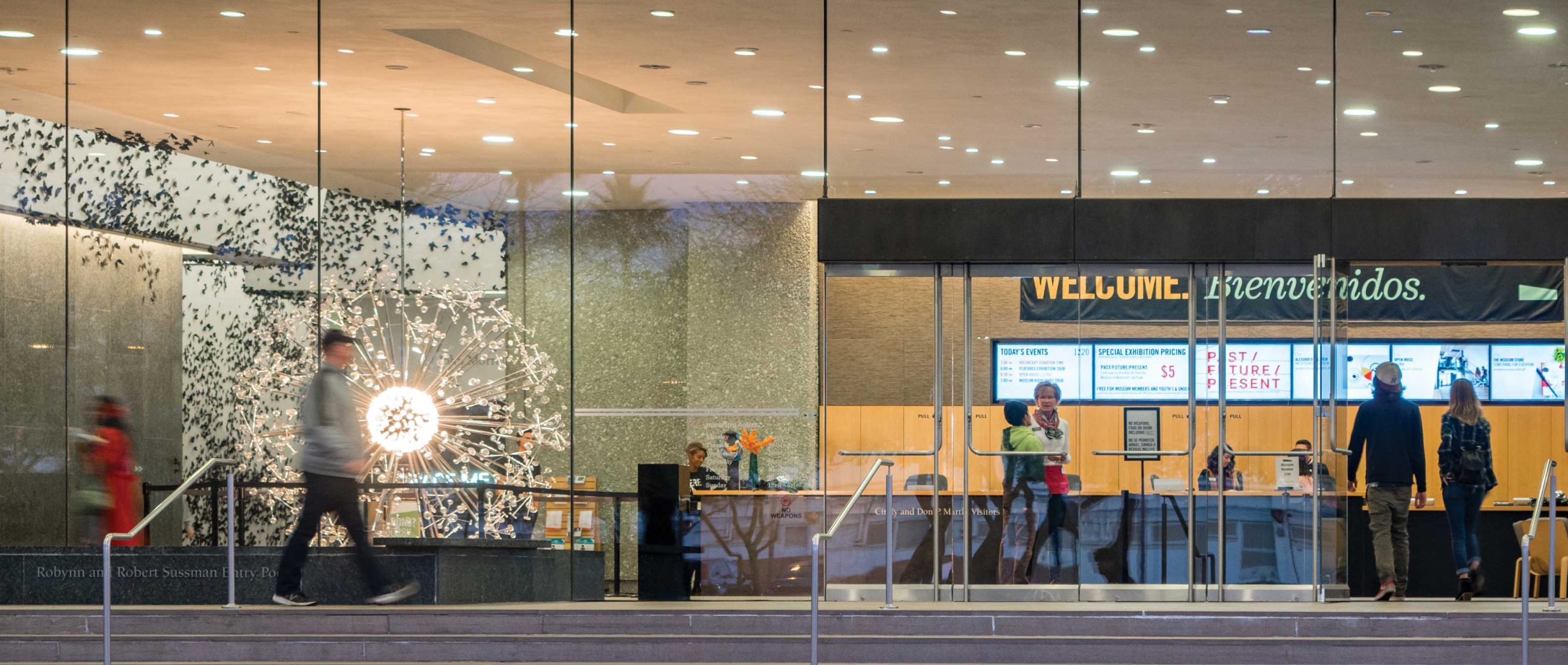
Since its inaugural opening in 1959, Phoenix Art Museum has become synonymous with culture and fine art throughout Arizona, the Southwest and beyond. Today, the iconic midcentury structure is home to more than 20,000 objects representing cultures ranging from Latin and Western American to Asian and European. It houses one of the most impressive fashion vaults in the country, rivaling that of collections in New York, Los Angeles, Philadelphia and Boston.
With a blend of art, educational programming and community initiatives aimed at fostering inclusivity, the museum is also home to dynamic live performances, interactive workshops and special exhibitions—and the training pathway for museum guides is the foundation for it all. The newly revamped docent training program, tailored to meet the needs of a wide variety of individuals, is designed so that virtually anyone, regardless of experience level, can participate. What had previously taken two years to complete has been condensed to a 15-week, module-based curriculum, with a mix of online and in-person learning options.
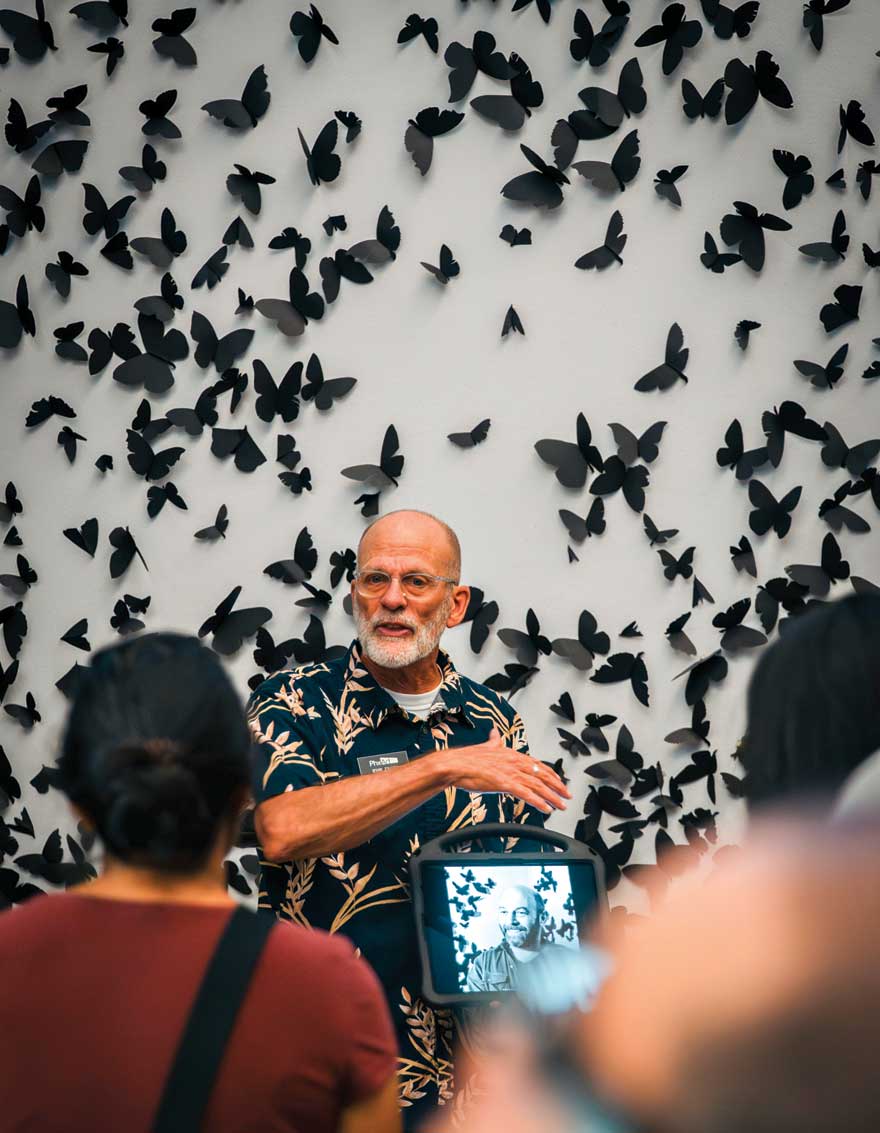
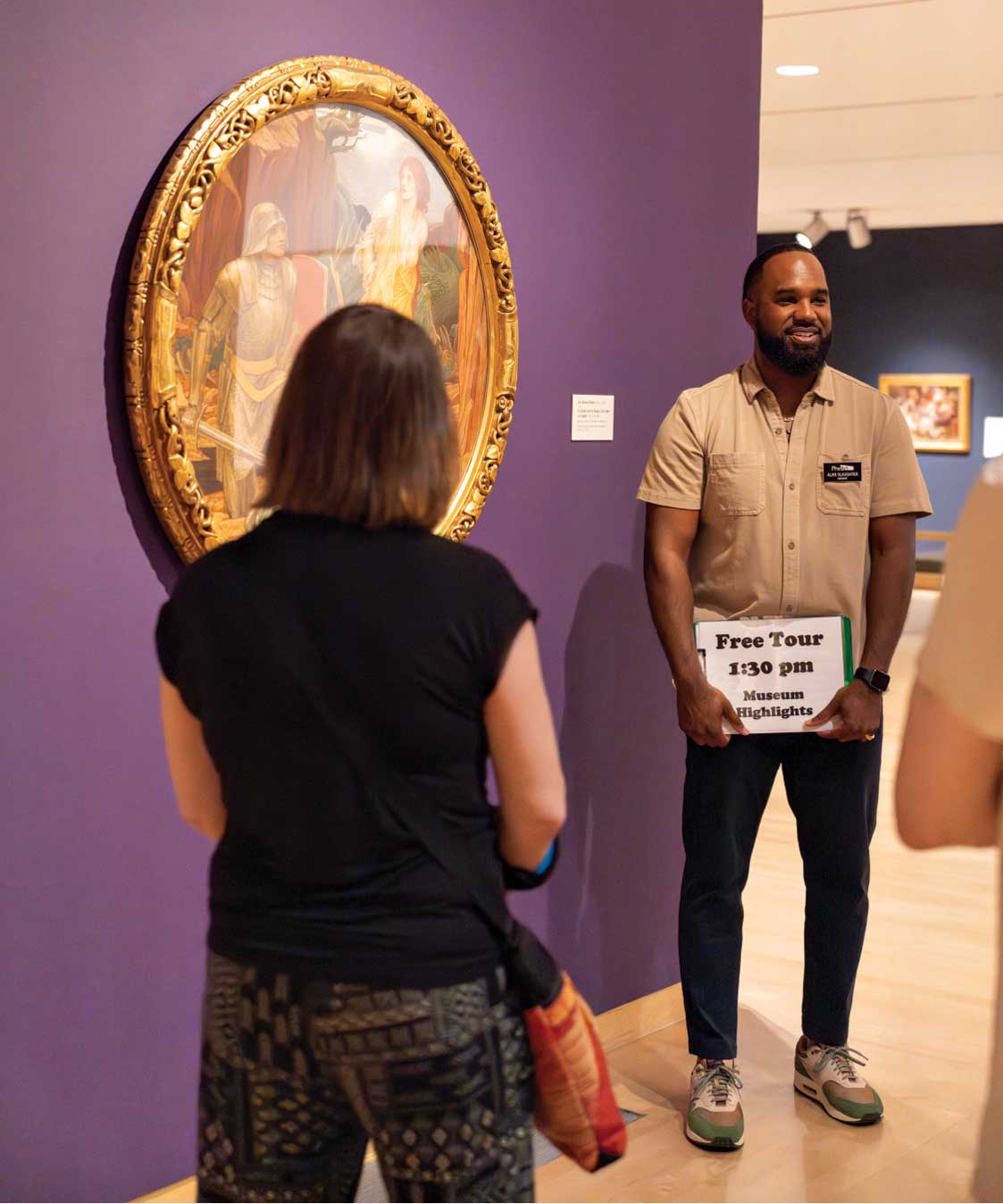
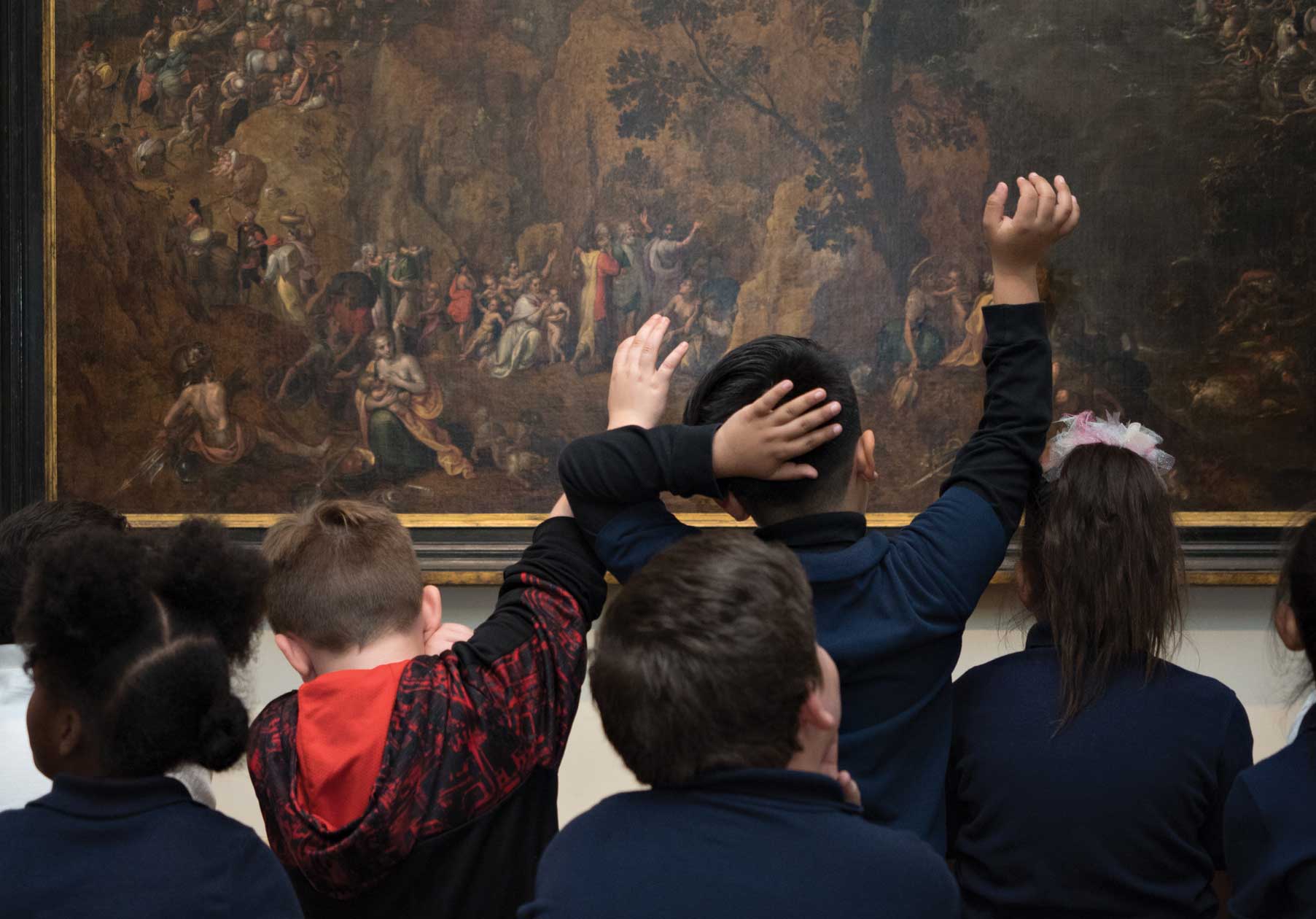
Students gain practical experience through art history immersion, presenting mock lectures, shadowing experienced volunteer guides on tours, and comparing and contrasting varying genres of art. Participants choose between two pathways once they graduate—leading tours at the museum or partnering with schools, nonprofits and other organizations to reach underrepresented groups.
Liz O’Brien is a passionate community supporter and art devotee who began leading tours in 2016 as part of the volunteer corps. Since then, she has seen the initiative and the community change. While the previous model provided a solid foundation, O’Brien says, “When the pandemic happened, we had to find a way to get our docents trained and ready a lot sooner than we had before. Now they’re able to reach the public in a much shorter amount of time.” In terms of qualifications, she says, “There is much more flexibility and accessibility for those who are interested. There is no longer a barrier for someone who has no experience and wants to participate but isn’t sure if they can.”
Docent president and class of 2016 graduate Sue Robisch notes, “There is no art background required to be successful here. The modules teach art history with beginners in mind. I didn’t have any formal training before taking on this role. It broadened my horizons and gave me a sense of confidence in my responses to art. We were all terribly nervous when we first started. But the support and collegiality in our group were amazing. We give to and support one another, which is very refreshing.”
Robisch is not the only one who can attest to the personal growth that takes place through this endeavor. “I’ve learned how to interpret contemporary art and developed an appreciation for modern art and other work I never thought I would like,” notes lawyer, art enthusiast and class of 2024 docent Don Skypeck.
Though he always enjoyed art, the decades-long museum patron recalls, “I never saw myself being involved with art on this level. I had been coming here for many years, and a friend of mine who was in the program kept telling me how good I’d be at it. One day, I decided it was time for me to start giving back.” Another inspiring aspect for this team is the diversity of the individuals they serve. “There is tremendous camaraderie and support here,” Skypeck says. “During my training, Liz, who was my advisor, asked me to participate in a tour with a group of developmentally disabled kids. I noticed the way she used art to connect with them on their level. I had never seen someone empower a group of kids the way she did. It was truly inspiring.”
Looking ahead, the training effort will maintain its focus on accessibility. “One of our ongoing goals is to expand our reach to underserved populations,” says director of education Jessica Jacobson. “We will do this by cultivating as much diversity as possible. Another major priority is to engage our Spanish language speakers so that we can provide even greater avenues for inclusivity. We want everyone to be able to enjoy and appreciate art.”
Strengthening established partnerships with art institutions in New York, California, Pennsylvania and other states will create an even stronger foundation for inclusion, something Robisch knows is crucial for the future. “It is through art that the world comes to us,” she says. “We want our community to know Phoenix Art Museum belongs to all of us. Everyone has a voice here, and everyone is welcome.”
“There is no art background required to be successful here. The modules teach art history with beginners in mind. I didn’t have any formal training before taking on this role. It broadened my horizons and gave me a sense of confidence in my responses to art.”
—Sue Robisch, docent