


A Look Back at Boyce Thompson Arboretum’s 100 Years of (Literal) Growth
Boyce Thompson Arboretum celebrates its first 100 years.
By Nora Burba Trulsson | Photography by Cameron Lee
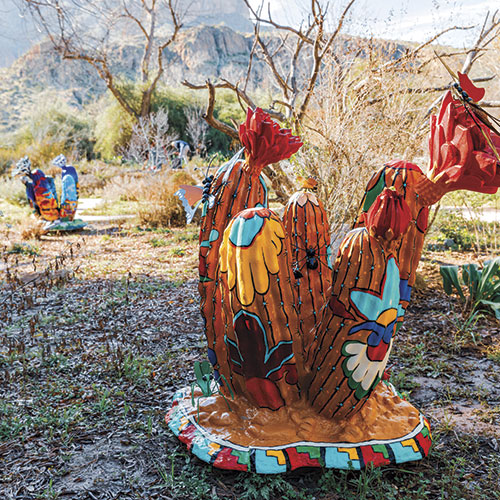
Kim Gray strolls down a sloping gravel path at Boyce Thompson Arboretum in Superior, winding past specimen cacti, healthy agaves and robust aloes. She points out bee balm, good vantage points for birding, the work of volunteers doing trail maintenance and new growth in the demonstration garden. Along the way, Gray, the arboretum’s executive director, stops by one of several colorful hedgehog cactus sculptures, all done by local artists. “The hedgehog cactus is a symbol for the arboretum,” she explains, “and one local variety was named for our founder, Boyce Thompson. The sculptures are ‘Spiny Splendors,’ part of this year’s centennial celebration.”
Indeed, the nearly 400-acre arboretum that now receives 150,000 visitors annually has flourished in the past 100 years, thanks literally to the seeds planted by its founder, Colonel William Boyce Thompson. “Thompson was a visionary man,” says Gray. “He researched arid region plants, conservation and water use, all of which are even more important today.”
At first glance, Thompson didn’t seem interested in botany and taxonomy. Born in Montana in 1869, he went East for prep school and a stint at the Columbia School of Mines, then made his fortune through mining and on Wall Street. In Arizona, he founded the Inspiration Consolidated Copper Company in Globe-Miami, as well as the Magma Copper Company in Superior. In his spare time, Thompson became a prominent member of the Republican party and involved himself in philanthropy. Interested in anything that came out of the ground, Thompson also became smitten with plants, once bringing back seeds to plant in his yard from an expedition to Tutankhamen’s tomb in Egypt.
He was not, however, a gentleman gardener, content to grow hothouse orchids. In Russia during the Revolution as a member of the American Red Cross mission, he witnessed starvation and crop failure, which inspired him to focus his philanthropic work on agriculture and the food supply. In 1920, he donated $10 million to establish the Boyce Thompson Institute for Plant Research—now part of Cornell University in New York—to improve agriculture, the environment and human health.
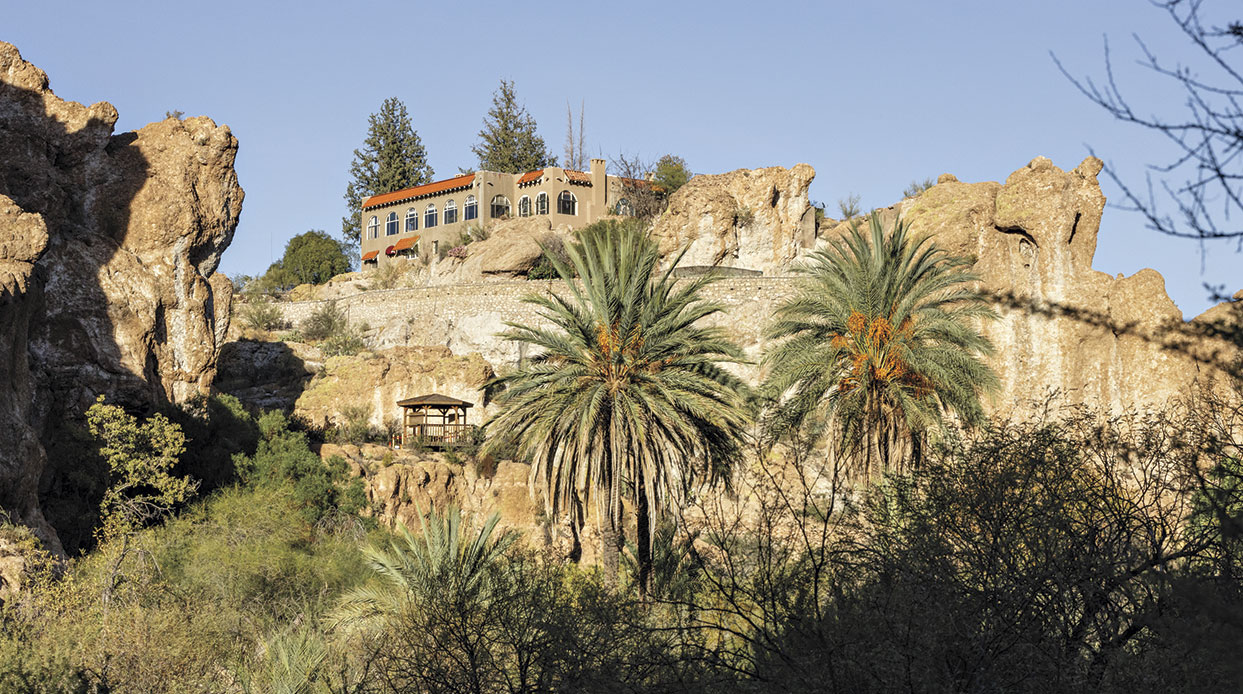
Enamored with Arizona’s desert, Thompson bought canyon land along Queen Creek in Superior, building himself a winter home on a cliff, which he dubbed Picket Post House. On the acreage below, he developed the arboretum to study arid-region plants, consulting with numerous scientists and horticulturists, and eventually opening it to the public. Thompson’s last few years were plagued by ill health—a stroke left him wheelchair-bound—but he still visited the arboretum grounds. He died of pneumonia at his New York home in 1930.

Moments in Time
Early 1920s
Mining magnate and financier William Boyce Thompson obtains several special-use permits from the forest service to develop acreage around his Superior home for experimental agricultural purposes.
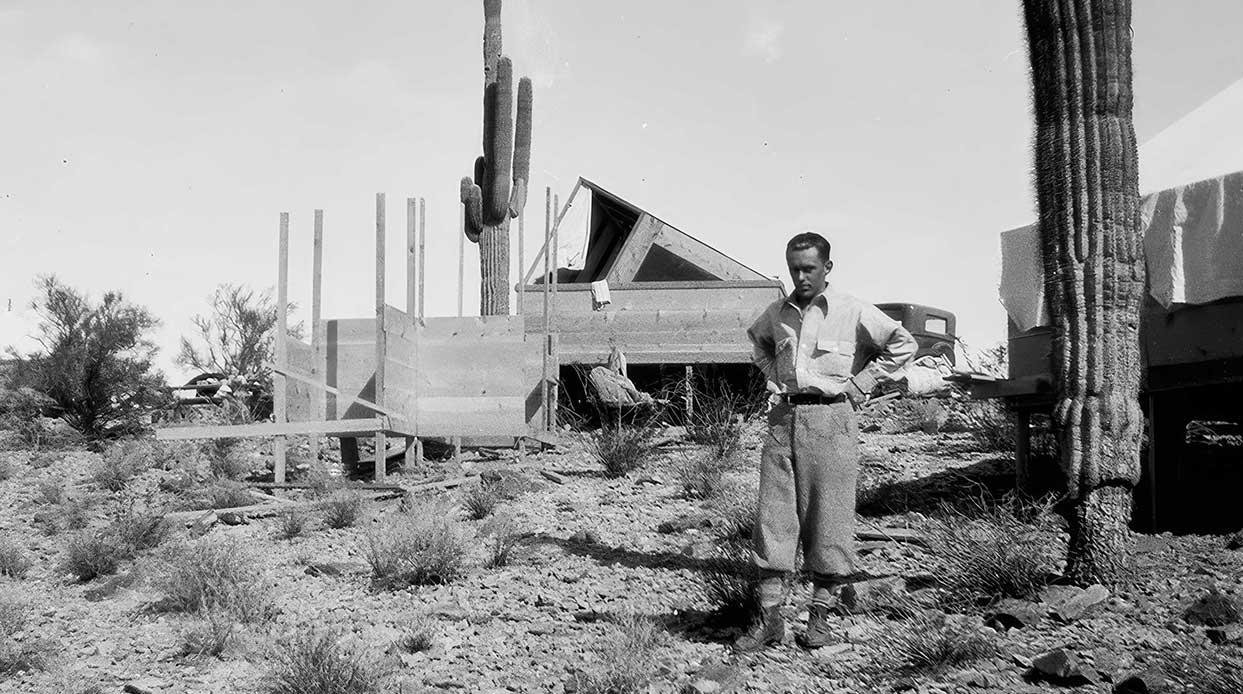
1929
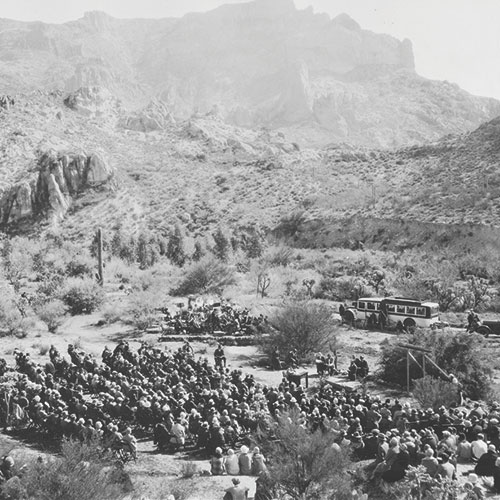
Above far left: Boyce Thompson Southwestern Arboretum is officially dedicated and unveiled to the public. Pictured is the April 6 grand opening speaking program in the Children’s Garden.
1930
Above second from left: Funeral cortège for William Boyce Thompson.
1943
The arboretum cultivates cork oak saplings, which are given away to the public, one of many initiatives over the decades that encourage the use of drought-tolerant plants in Arizona landscapes.
1964
The University of Arizona begins co-managing the arboretum to reinvigorate its research program.
1976
The arboretum is listed on the National Register of Historic Places, and Arizona State Parks joins UA in co-managing the arboretum, which remains a scientific research facility and nonprofit.
1989
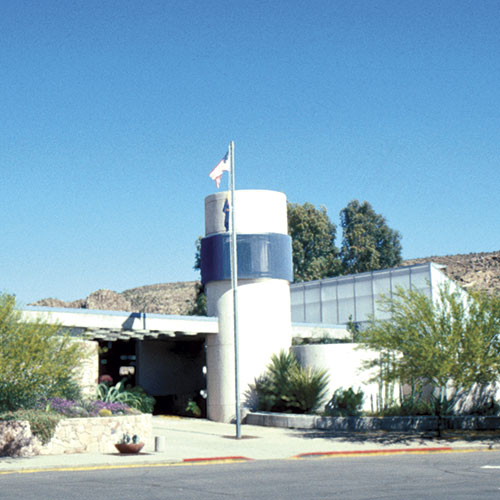
Above second from right: A new visitor center opens to the public.
2007
The arboretum is dedicated as an Audubon Important Birding Area.
2014
A collection of more than 6,000 specimen cactus and other desert plants is gifted to the arboretum from a foundation established by H.B. Wallace, a Scottsdale collector.
2019
The arboretum dissolves its agreements with UA and Arizona State Parks, becoming an independent nonprofit.
2024
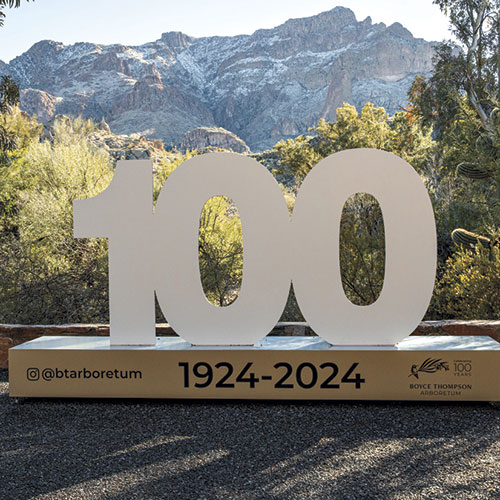
Above second far right: The arboretum celebrates its centennial.
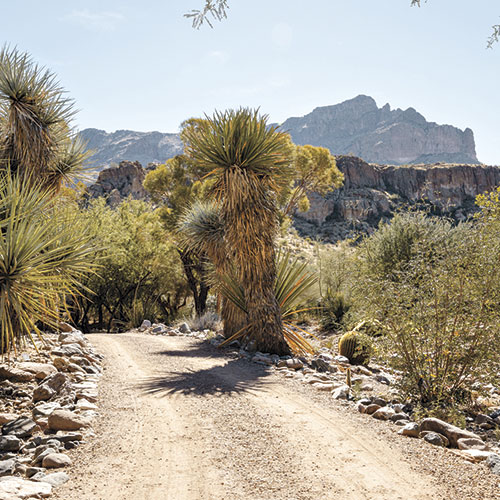
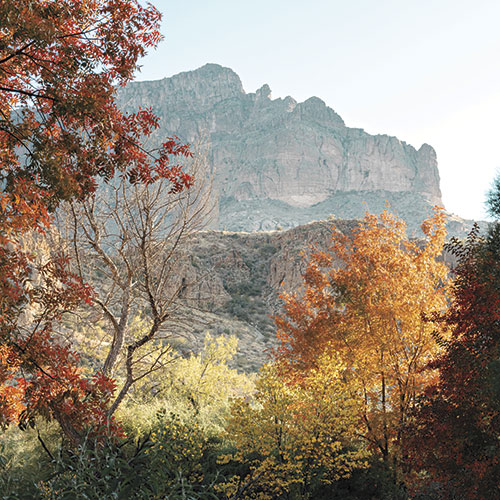
A century later, the nonprofit arboretum has grown from tiny seedlings and twiglike transplants into a lush paradise—and a popular day-trip destination from the Valley. With almost five miles of trails, visitors can loop past gardens representing 11 different regions of the world, including an Australian eucalyptus forest and plants of the Chihuahuan, Sonoran and Mojave deserts.
The arboretum’s centennial celebration continues through summer with the display of “Spiny Splendors,” as well as a “Then & Now” exhibit of large-scale historic photos placed strategically along trails so visitors can compare the same vistas decades later. Educational sustainability programs are also part of the centennial events, as is the Oct. 19th fundraiser, Green Gala, held on the property.
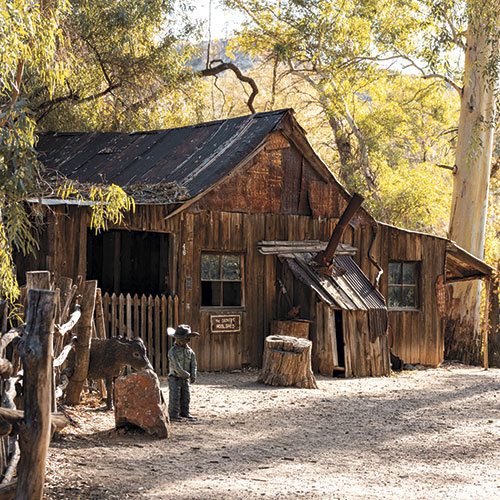
Gray notes that research and master plan improvements will keep the arboretum going for another century, pointing out collabs with universities for horticultural studies and plans to update the arboretum’s infrastructure, continue restoration on historic buildings, build a new education center and ongoing garden improvements.
“Plants brought Boyce Thompson joy,” says Gray, “and he knew they were important. Our mission here is still the same—to research and preserve the natural arid region landscape.”