


4 Vibrant Desert Plants That Will Enliven Your Garden Year-Round

Does your yard suffer from winter doldrums? If year-round color is on your garden wish list, plant these desert natives this spring for a more vibrant and ecologically diverse flower garden by next winter.
Parry’s Penstemon
(Penstemon parryi)
- Perennial
- Blooms: Pink; winter to spring
- 2′-4’H by 2′-3’W
- Well-drained soil
- Zones 8-10
- Full sun
- Low water; low maintenance
- Attracts: Bees, butterflies, hummingbirds
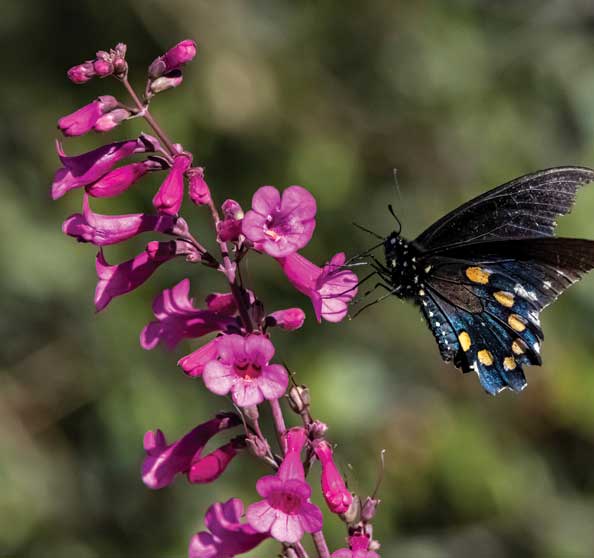
Also called desert penstemon and native to the Sonoran Desert, P. parryi’s vibrant pink to magenta flower stalks begin to bloom as early as February extending into spring. This low-maintenance perennial can be grown from seed or as purchased plants.
Why we like it: This drought-tolerant prolific bloomer makes an ideal accent plant for xeriscapes and only needs to be watered when winter rains are infrequent. The upright clusters of tubular flowers make penstemon ideal for attracting pollinators, especially hummingbirds.
Coulter’s Lupine
(Lupinus sparsiflorus)
- Annual
- Blooms: Purple; winter to spring
- 4″-18″H by 12″-18″W
- Well-drained soils
- Zones 2-12
- Full sun
- Low water; low maintenance
- Attracts: Bees, birds, butterflies
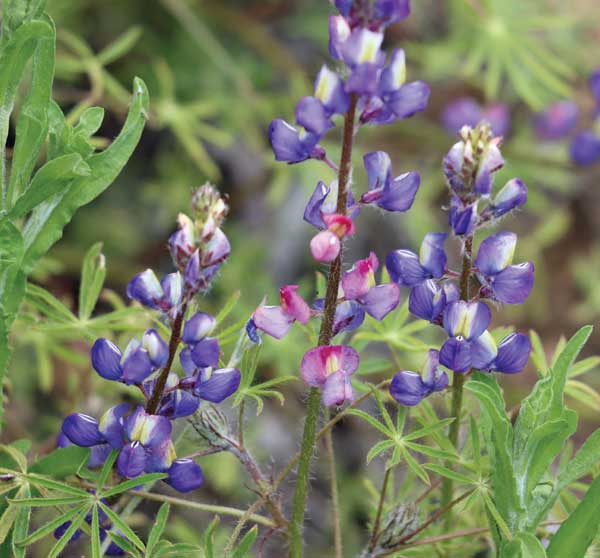
A member of the pea family, Coulter’s lupine is native to the Sonoran, Mohave, and Chihuahuan deserts. There are as many as 23 different species of lupine in Arizona. Note: this plant is toxic and should not be consumed—may not be safe around pets.
Why we like it: Often found alongside poppies, Coulter’s lupine is one of the most common Sonoran Desert wildflowers and blooms as early as January and into May. Its drought and heat resistance makes it ideal for xeriscape gardens. It’s also a host plant for several species of butterflies.
Desert Globemallow
(Sphaeralcea ambigua)
- Perennial
- Blooms: Orange; winter to spring; orange
- 1′-6’H by 1′-6’W
- Well-drained soils
- Zones 6-10B
- Full sun
- Low water; low maintenance
- Attracts: Bees, butterflies

Desert globemallow, with its brilliant orange cup-shaped flowers, requires little or no supplemental water when kept compact but can be irrigated for more luxurious growth. Prune nearly to the ground in the fall to promote growth during the active winter season.
Why We Like It: Native desert globemallow blooms are most commonly orange, but other colors are also available at nurseries, such as pink, red, lavender and white. Ideal for xeriscapes and wildflower gardens, globemallow can add a riot of color to your yard when planted in a multitude of hues.
Goodding Verbena
(Glandularia gooddingii)
- Perennial
- Blooms: Purple; winter to spring
- 12″-18″H by 24″-36″W
- Well-drained soils
- Zones 8-11
- Full sun
- Low water; low maintenance
- Attracts: Butterflies

Goodding verbena is sometimes mistaken for purple lantana, which is in the same family, but upon closer inspection, the flower and leaf shapes are different. This verbena is native to arid regions of the Southwest and should be watered regularly during its blooming period if winter rains are infrequent.
Why we like it: With its showy purple blooms, this verbena provides a splash of color to a winter garden and makes a good companion plant to penstemon. It’s ideal for xeriscape planter beds, borders and wildflower gardens, attracting butterflies and other pollinators to your yard.