


Companion Planting

Use the buddy system in the garden to deter pests and attract pollinators
By Cathy Babcock
Through the ages, gardeners have learned that certain species do better when planted in close proximity to each other. This method of planting is referred to as companion planting. As strange as it may sound, the opposite is also true—some plants won’t thrive when planted together, usually because they affect the taste or inhibit the growth of the other.
Some plant tissues secrete substances that attract pests searching for appropriate host plants on which to feed or lay eggs; the resulting larvae then feed on the plant, often damaging or killing it. Other secretions are natural insecticides, fungicides and antibiotics that can disrupt this destructive insect activity.
Scattering plants throughout the garden will aid in the dispersal of these plant-feeding cues. Strong-scented foliage is commonly used to either repel insects or attract pollinators and pest predators. Many plants also assist in the growth of others by attracting beneficial insects or providing nutrients in the soil.
Basil repels unwanted pests, while lavender attracts bees and butterflies.
Companion plants are often used as indicator plants for pests and diseases. Wineries frequently plant rose bushes at the ends of the rows of vines because the roses will be the first to show signs of mildew; vintners can then take appropriate treatment measures. Trap cropping, also known as sacrificial cropping, is another method by which plants are used as bait to keep insects away from primary plants. Under “Tips for Companion Planting” you will find suggestions for trap crops.
Years of monoculture farming have resulted in the increased use of chemical fertilizers and pesticides. Companion planting, on the other hand, advocates plant diversity. Scientists are now looking at this method in terms of selecting certain crop combinations to reduce chemical needs, produce a more diverse source of food, boost yields and enhance growth.
That being said, what can you do in your own yard? Mix it up—diversity is the key. Instead of planting an entire row of the same crop, which creates a bug buffet, interplant your veggies with known insect repellents and nitrogen fixers, such as lavender and legumes. Rotate your crops to reduce disease. Plant heavy feeders (tomatoes, corn, cabbage) the first year, followed by light feeders (beets, carrots, chard) the next. Then plant legumes (peas, beans) to build the soil back up.
TIPS FOR COMPANION PLANTING
• Garlic is renowned for repelling ants, aphids, some caterpillars, weevils, snails and mosquitoes. It pairs well with roses and stone fruit trees, including apricots and nectarines, but it is said to affect the flavor of beans and peas.
• Basil repels aphids, flies, mosquitoes, spider mites and hornworm caterpillars, while attracting beneficial pollinators. It can be planted with cauliflower and tomatoes. Plants such as basil with strong-smelling or -tasting essential oils may change the flavor or scent of neighboring plants, so be aware of this when placing in food gardens.
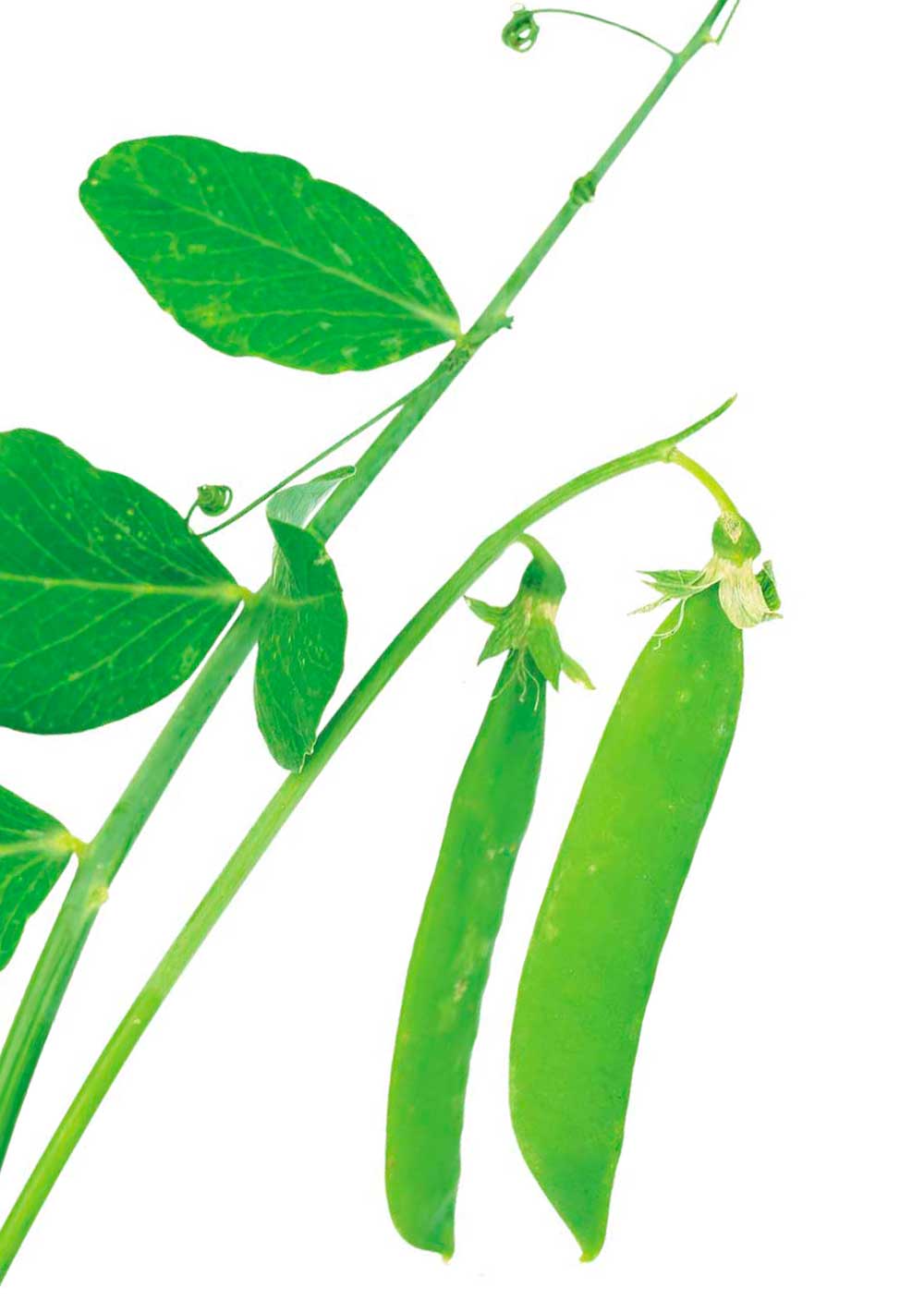
• Peas can be planted with carrots, corn, cucumbers and radishes, but not with onions. Pair onions with beets, cabbage, carrots, strawberries, tomatoes, lettuce and roses. Avoid planting onions near peas and beans as they are believed to stunt the latter’s growth.
• Place lantana around the perimeter of garden beds as a trap plant for whiteflies. Use lavender throughout to repel ants, aphids, fleas, ticks, mosquitoes and silverfish. Lavender also attracts bees and butterflies for pollination. Plant it with eggplant and Swiss chard. It is also purported to deter rabbits. Nasturtium is another good plant for discouraging aphids and whiteflies with the added benefits of producing edible flowers.