



Landscape + Garden
Plant Now, Enjoy for Decades
These long-lived desert classics reward fall planting season with year-round sculptural interest for your landscape.
ReadAs we eagerly greet the approaching fall with its cooler
Elevate your interiors with statement-making indoor trees that combine architectural
August and September still bring triple-digit temperatures, but late summer
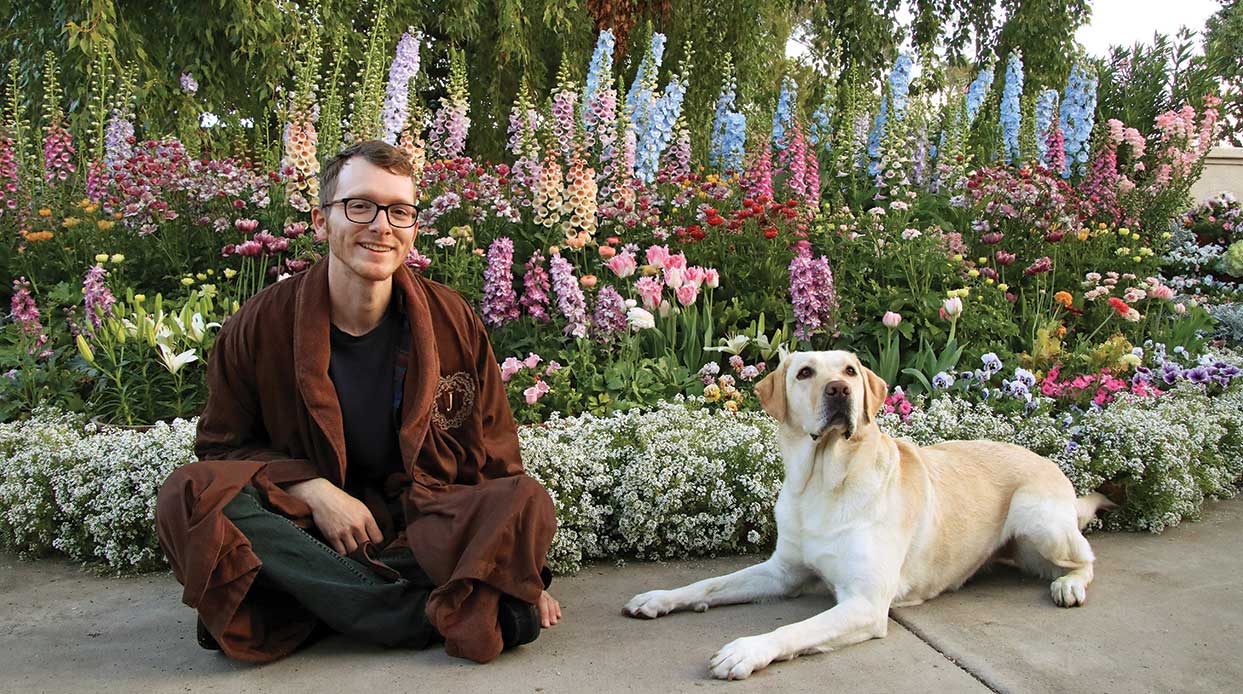
Lush florals, reimagined for the desert.
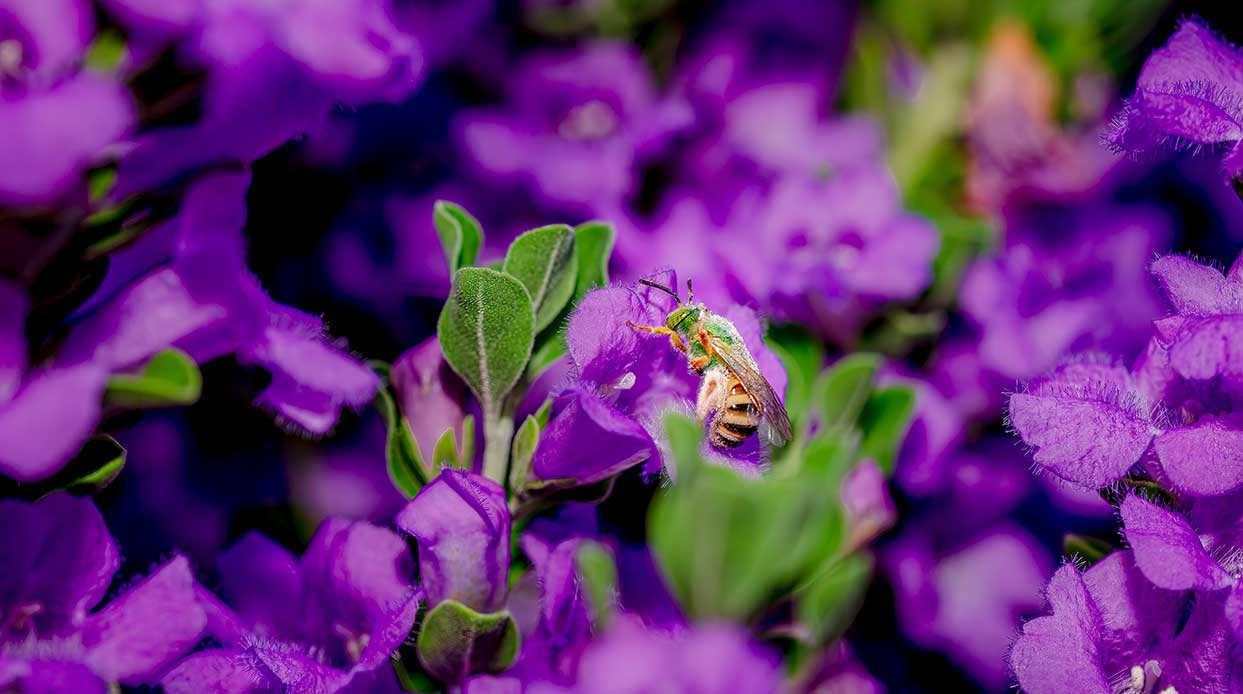
How summer provides a learning experience in the garden.
Submit your garden questions to info@azplantlady.com for the chance to be featured in a future Garden Solutions.
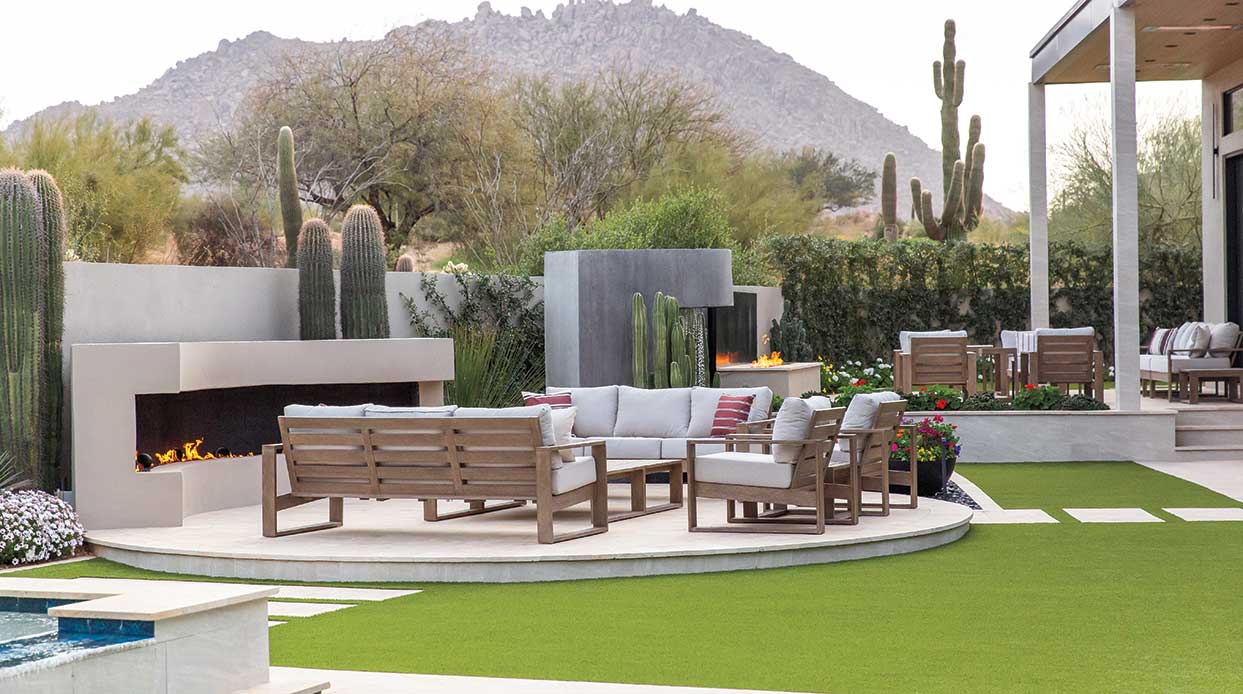
A new landscape by Peggy De La Garza complements a contemporary home.
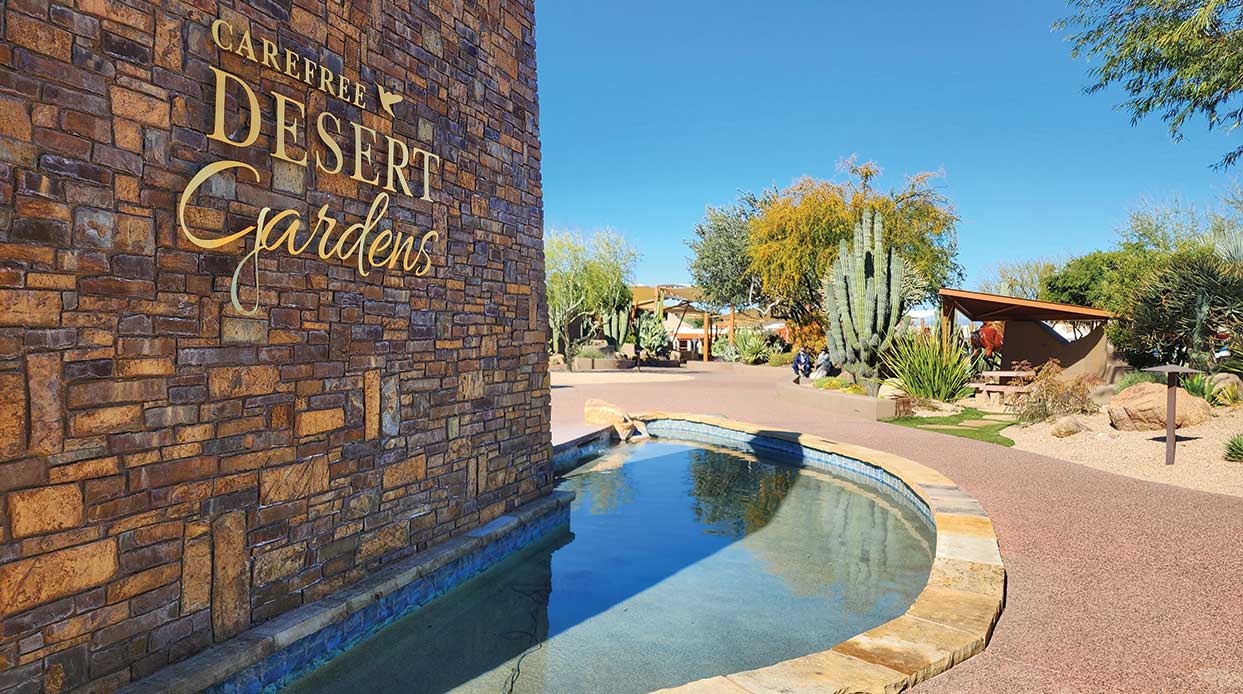
From native perennials to sculptural succulents, this curated list of water-wise public gardens proves that exceptional landscapes and thoughtful plantings don’t always come with

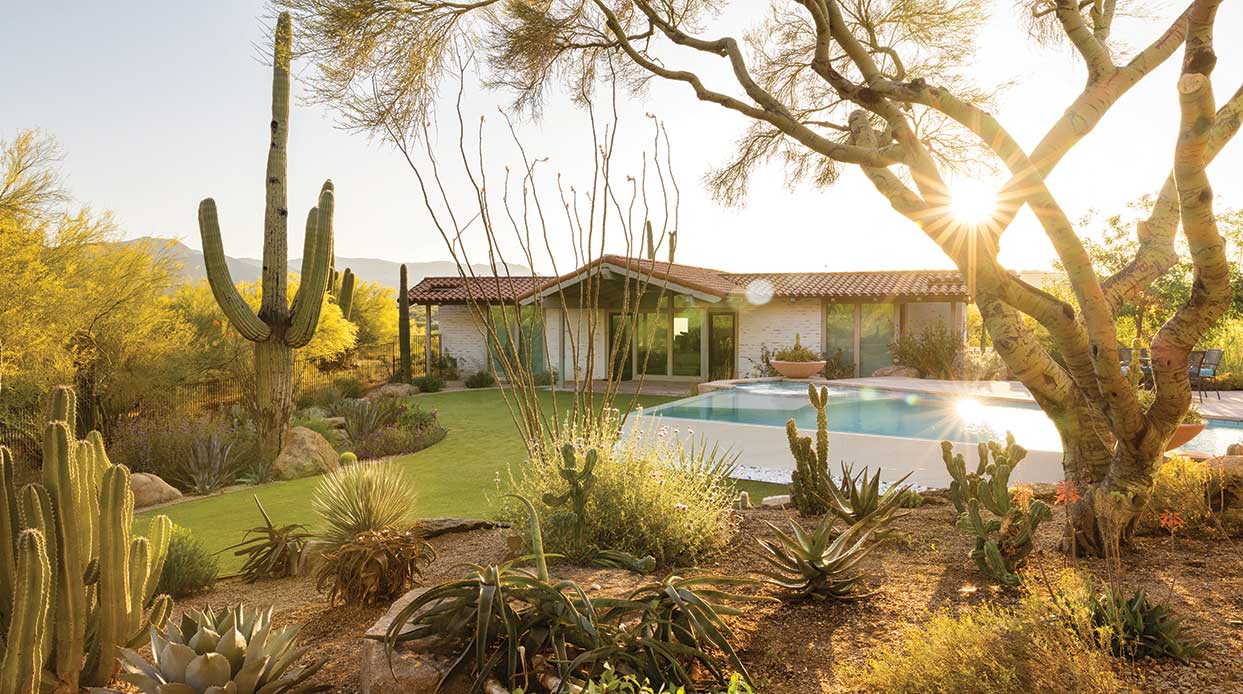
A Paradise Valley home pairs authentic Spanish architecture with a layered, wildlife-friendly Sonoran landscape.