


Garden Solutions for October & November
by Noelle Johnson | illustration by Gary Hovland
Hello Friends,
As we eagerly greet the approaching fall with its cooler temperatures, our plants are rejoicing as well. You may notice they are perking up and blooming while producing new leaves. Even though trees, shrubs and other leafy green plants put on the most growth in spring, fall is a close second as cooler temperatures remove heat stress and allow plants to devote resources to the production of new foliage and flowers.
Success in the garden is largely affected by the time of year plants are planted. The more time they have to establish and grow a healthy root system before summer, the greater likelihood they will survive their first year. This means that fall is the best time of year to add new plants.
I invite you to take time this month to honestly evaluate the design of your landscape. Is it cohesive or disjointed? If it appears rather haphazard regarding plant placement and a lack of design, the solution is often easier than you think. On these pages, we explore an easy solution to bring balance and beauty to your outdoor space during this ideal time of year for planting.
Noelle, aka “AZ Plant Lady”
CREATING VISUAL HARMONY IN THE LANDSCAPE
A well-designed landscape has a natural flow that guides your eye from one area to the next. However, many outdoor spaces lack this sense of cohesion. Instead, they feel like separate parts that don’t quite belong together. The result often looks busy or disjointed rather than calm and inviting. In many cases, when a homeowner tells me their landscape doesn’t look “put together,” this is the reason why.
This design challenge usually appears as a garden filled with many different plants—often one of each type scattered throughout the front or backyard. It’s an easy mistake to make, especially for people who love plants and want one of everything. And that narrow strip of earth on the other side of the driveway? It often ends up looking like it belongs to the neighbors instead of being part of your own front yard.
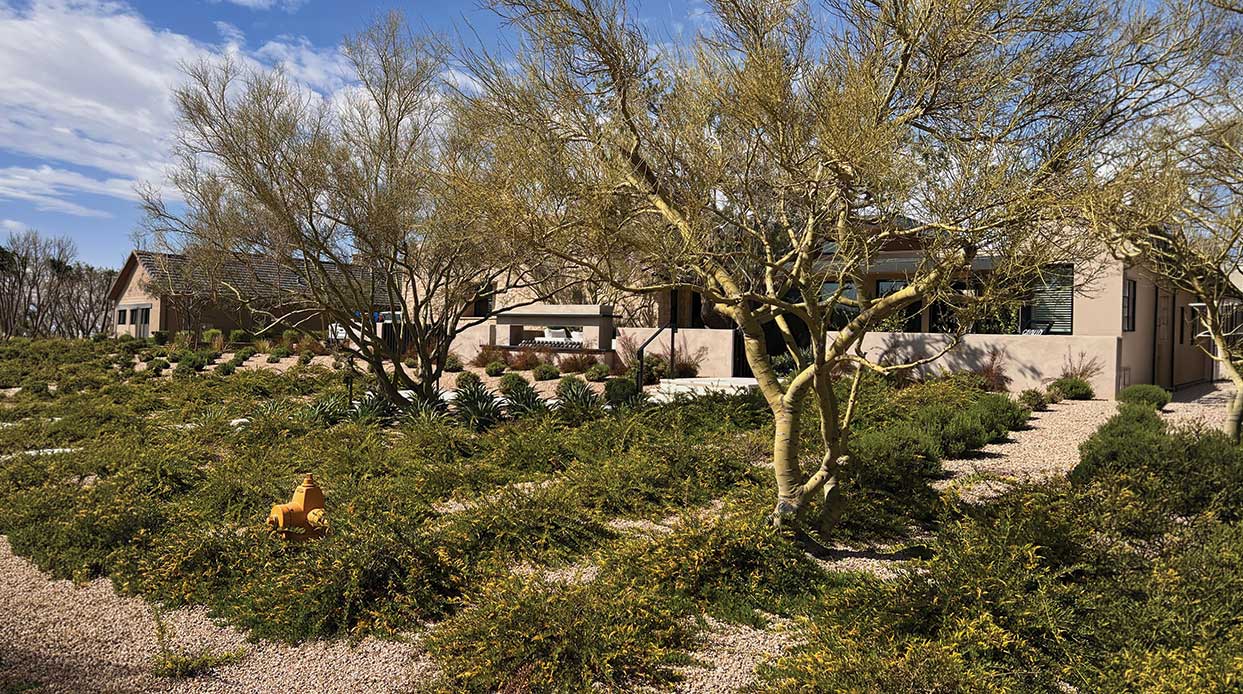
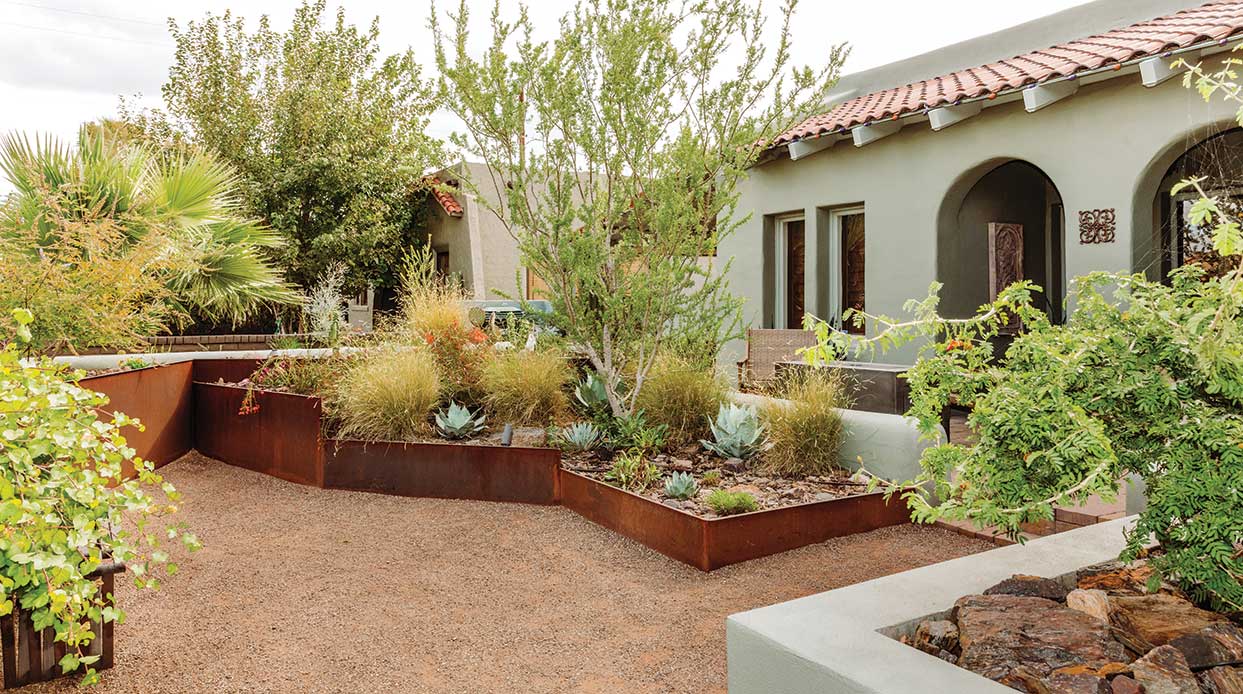
The solution is surprisingly simple: Create connecting elements by repeating the same plants throughout the yard. As we view a garden, our eyes naturally look for familiar shapes, colors and textures before moving on to something new. By adding one or two types of plants in multiple locations, you create visual “bridges” that tie separate areas together. That repetition becomes the unifying element that gives the landscape a more balanced, cohesive appearance.
When you see any well-designed landscape—or even a professionally drawn garden plan—you’ll notice groups of the same plants repeated throughout the garden. Rather than featuring dozens of individual plants that appear only once, the same shrubs, succulents or ground covers are used again and again. This repetition is one of the simplest secrets behind a landscape that feels balanced and professionally designed.
For established landscapes that lack cohesion, the addition of a single type of ground cover and/or small succulent are excellent choices because they can be tucked into open spaces without removing existing plants. Place them in prominent areas, such as corners, near pathways and around entries where they’ll naturally catch the eye. For new landscapes or major renovations, larger plants, such as shrubs and cacti can also be repeated throughout the front or backyard. The key is simple: Use the same plant in more than one location.
For example, plant clusters of angelita daisies (Tetraneuris acaulis) on both sides of the driveway and again near the front entry. Or use a low-growing shrub such as ‘Outback Sunrise’ emu (Eremophila glabra ‘Mingenew Gold’) to fill open spaces throughout the landscape. Repeating these plants in different areas creates a subtle rhythm that visually ties the garden together.
The narrow strip on the side of the driveway deserves special attention too. Instead of treating it as a separate planting area, repeat plants from the main landscape. Doing so creates a sense of continuity, helps the two sides feel connected and can even make your front yard appear larger.
Boulders can also reinforce this sense of unity. Repeat similar-sized boulders in different areas of the landscape, burying the bottom third for a natural appearance. They pair beautifully with succulents and ground covers and help create another layer of visual repetition.
Here are some favorite plants that can help create unity in your landscape.
GROUND COVERS
- Bush Morning Glory (Convolvulus cneorum)
- ‘Outback Sunrise’ Emu (Eremophila glabra ‘Mingenew Gold’)
- Gold Lantana (Lantana x ‘New Gold’)
- Trailing Rosemary (Rosmarinus officinalis ‘Prostratus’)
- Angelita Daisy (Tetraneuris acaulis)
GRASSES
‘Regal Mist’ Pink Muhly Grass (Muhlenbergia capillaris ‘Regal Mist’)
SHRUBS
- ‘Blue Bells’ Emu (Eremophila hygrophana)
- Bush Lantana (Lantana camara)
- ‘Little Ollie’ (Olea europaea ‘Montra’)
- Baja Ruellia (Ruellia peninsularis)
- Coral Fountain (Russelia equisetiformis)
- Yellow Bells (Tecoma stans)
SUCCULENTS
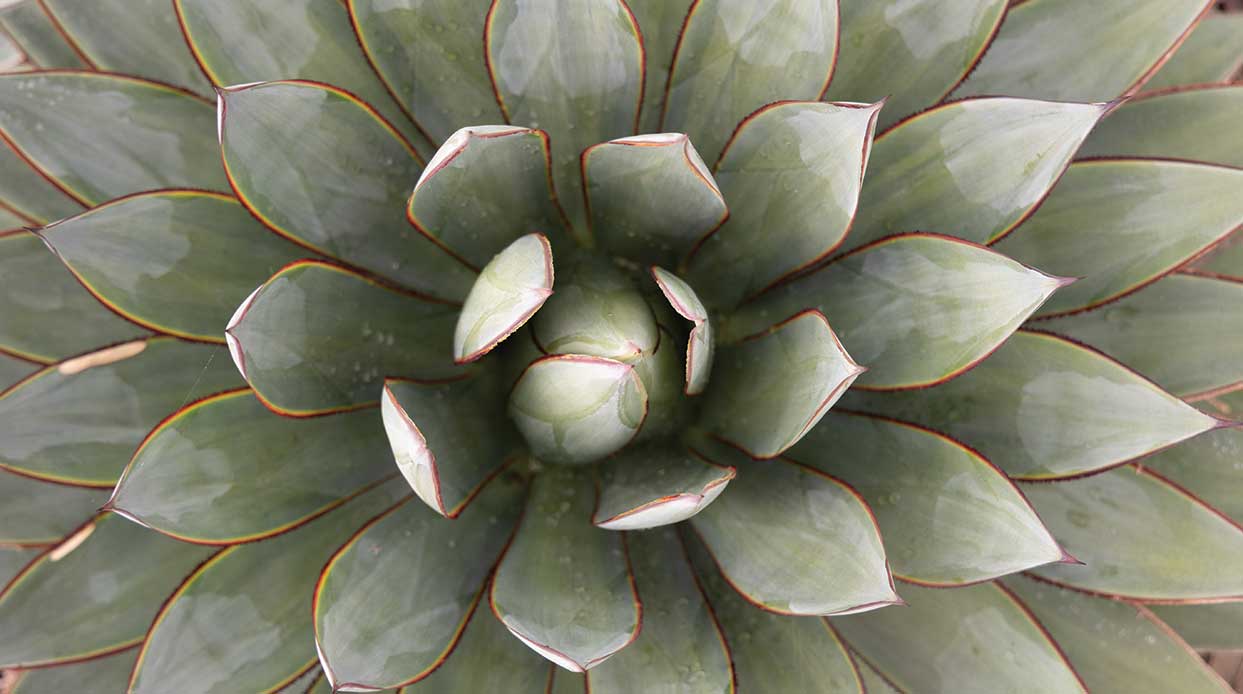
- Artichoke Agave (Agave parryi var. truncata)
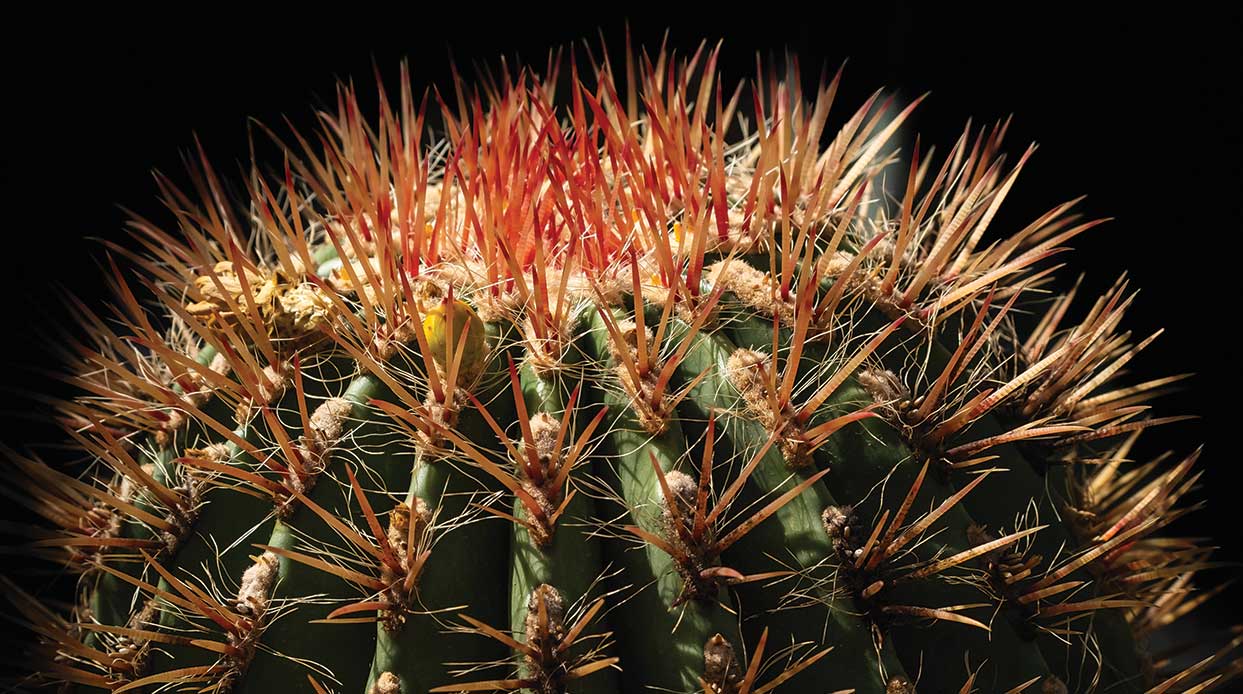
- Golden Barrel (Echinocactus grusonii)
- Lady’s Slipper (Euphorbia lomelii)
- Moroccan Mound (Euphorbia resinifera)
- ‘Brakelights’ Red Yucca (Hesperaloe parviflora ‘Perpa’)
MONTHLY GARDEN TASKS
LOW TO MID ELEVATIONS
Add new shrubs, ground covers, vines, cacti and succulents now to give them the best start before next summer arrives. To avoid planting too deeply, dig a planting hole twice as wide, and the same depth as the root ball. Skip adding fertilizer to the planting hole, as it encourages top growth before the roots are established enough to support it. New plants will need more frequent watering during their first year as they become established. Planting in fall gives roots time to grow through the cooler months before summer heat returns.
Now is the time to prepare your vegetable garden for a productive fall season. Refresh planting beds by removing spent summer crops, pulling weeds and incorporating 3″ of compost into the soil before planting. Sprinkle in blood and bone meal to add organic sources of nitrogen and phosphorus. Continue harvesting tomatoes, peppers and eggplants while keeping them well-watered through the heat. In the beginning of October, begin planting cool-season vegetables, such as broccoli, cauliflower, cabbage, carrots, beets, lettuce and spinach. Herbs, including cilantro, dill, parsley and chives can also be planted as temperatures begin to cool into the upper 80s.
Lightly prune summer-blooming shrubs such as bougainvillea, lantana, oleander, Texas sage and yellow bells now to freshen their appearance after summer and encourage healthy growth. Remove no more than one-third of the plant’s overall size, focusing on overly long stems, spent flowers and any dead or damaged branches. Avoid severe pruning this time of year, as major cutting back is best saved for spring when plants can recover more quickly. Hold off on pruning shrubs that bloom in late winter or early spring, including feathery cassia, ‘Little John’ bottlebrush and Valentine bush. These plants bloom on older wood, so pruning them now will remove next season’s flower buds and greatly reduce their blooms.
HIGH ELEVATIONS
Cooler nights signal the beginning of one of the busiest gardening seasons in Arizona’s higher elevations. September and October are the ideal time to plant trees, shrubs and many perennials, giving roots several months to establish before next summer’s heat arrives. If perennial flowers have become crowded or aren’t blooming as well as they once did, dig, divide and replant them while the soil is still warm.
Begin sowing cool-season vegetables. Protect tender vegetables with frost cloth whenever freezing temperatures are in the forecast to stretch the growing season. As plants begin preparing for dormancy, taper off fertilizer applications to avoid stimulating tender new growth before winter. Continue watering trees and shrubs deeply during dry periods, especially new plants, until the ground begins to freeze.
Submit your garden questions to info@azplantlady.com for the chance to be featured in a future Garden Solutions.
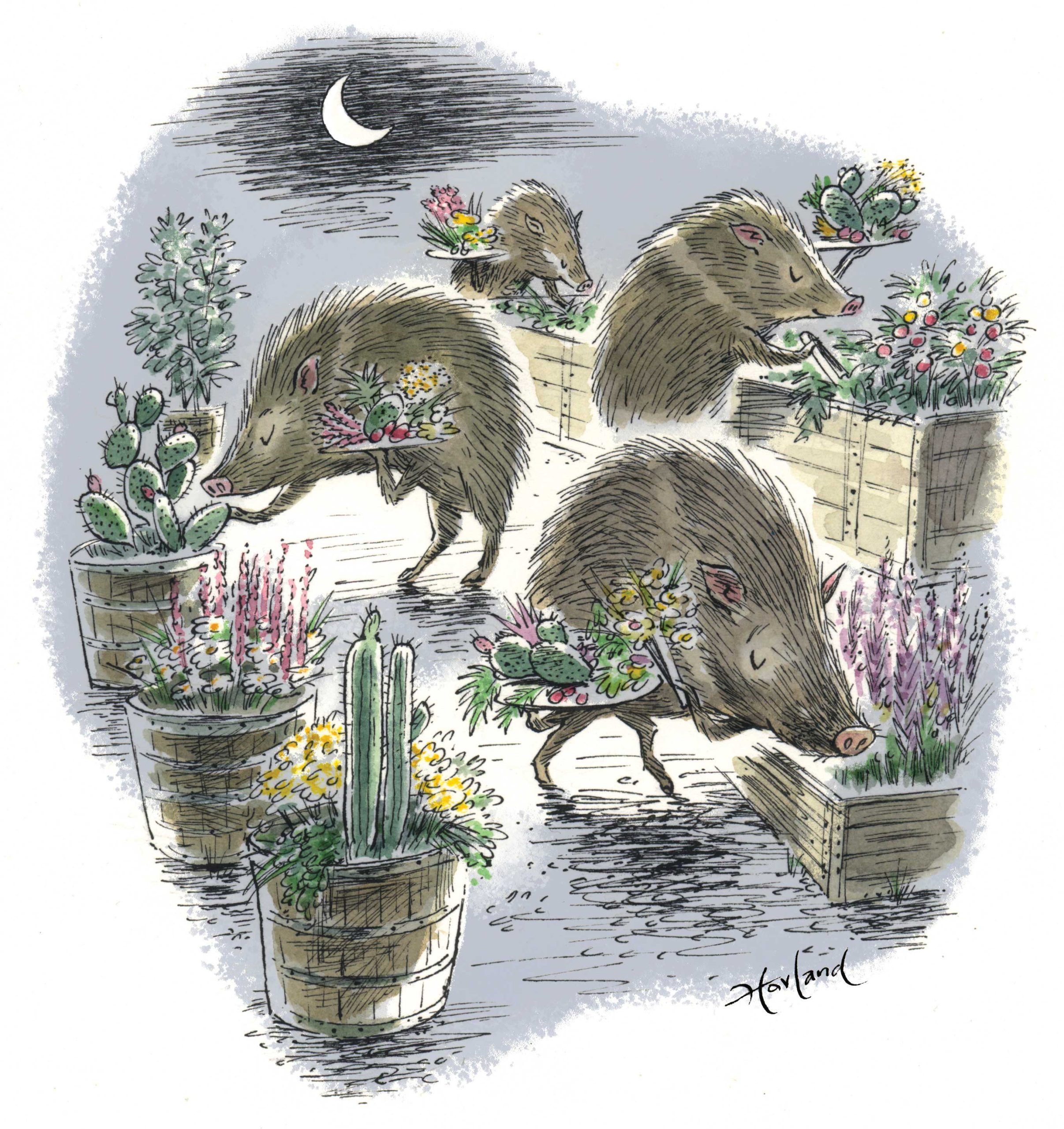
Javelina are destroying almost every living thing in my garden, except trees. I find them in my 24”-high planters, and they also feast on my lantana and bougainvillea. I am tired of buying expensive plants to feed these pests. What can I do?
I can understand your frustration. Javelina can do a surprising amount of damage overnight, and unfortunately, there are no plants that are truly javelina-proof. The good news is that there are options—plants that javelina tend to avoid more than others. Shrubs such as Texas sage, jojoba, hop bush and Baja fairy duster are good choices. Lavender is another plant that is often left alone because of its fragrant foliage. Many euphorbias, including Moroccan mound and other species with milky sap, are also less appealing to javelina. Other choices include damianita, red yucca and beargrass.
Unfortunately, even plants that are considered resistant aren’t guaranteed to be safe. Javelina appetites vary depending on what’s available, and during periods of drought they can eat flora they would normally ignore when native food sources are scarce. The only reliable way to protect plants is with a physical barrier, such as temporary wire cages around new plants, or fencing to keep these hungry critters out of the landscape.
Flowering plants in containers by my front door never seem to last. I’ve tried geraniums, petunias, vinca and a few other varieties. They bloom for a short time and then stop flowering altogether. The area gets about two hours of sun every day and is shaded for the remainder. Is that why they aren’t blooming? I’d really like to add color to this area—what do you recommend?
Yes, the shade is almost certainly the reason you aren’t seeing the blooms you desire. Most flowering annuals need about six hours of direct sunlight each day to produce flowers continuously. In a shady front entry, they’ll often bloom for a short time using the flower buds they had when you purchased them, but without enough sunlight, they won’t continue producing new blooms.
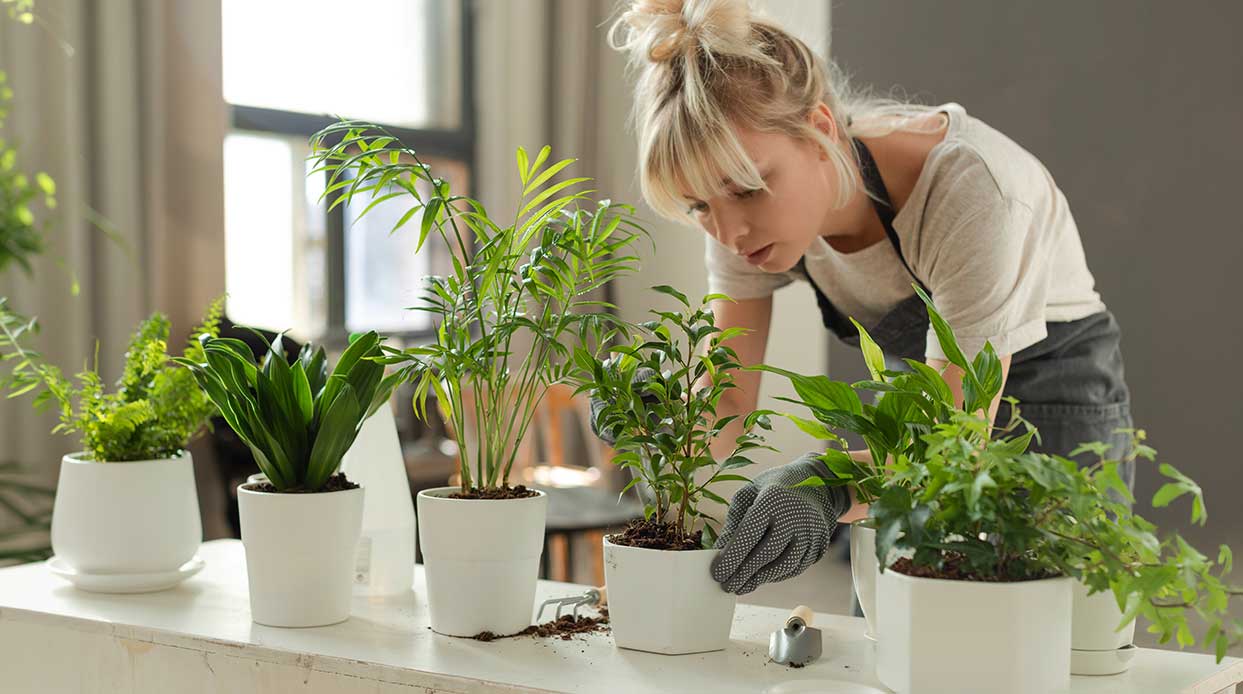
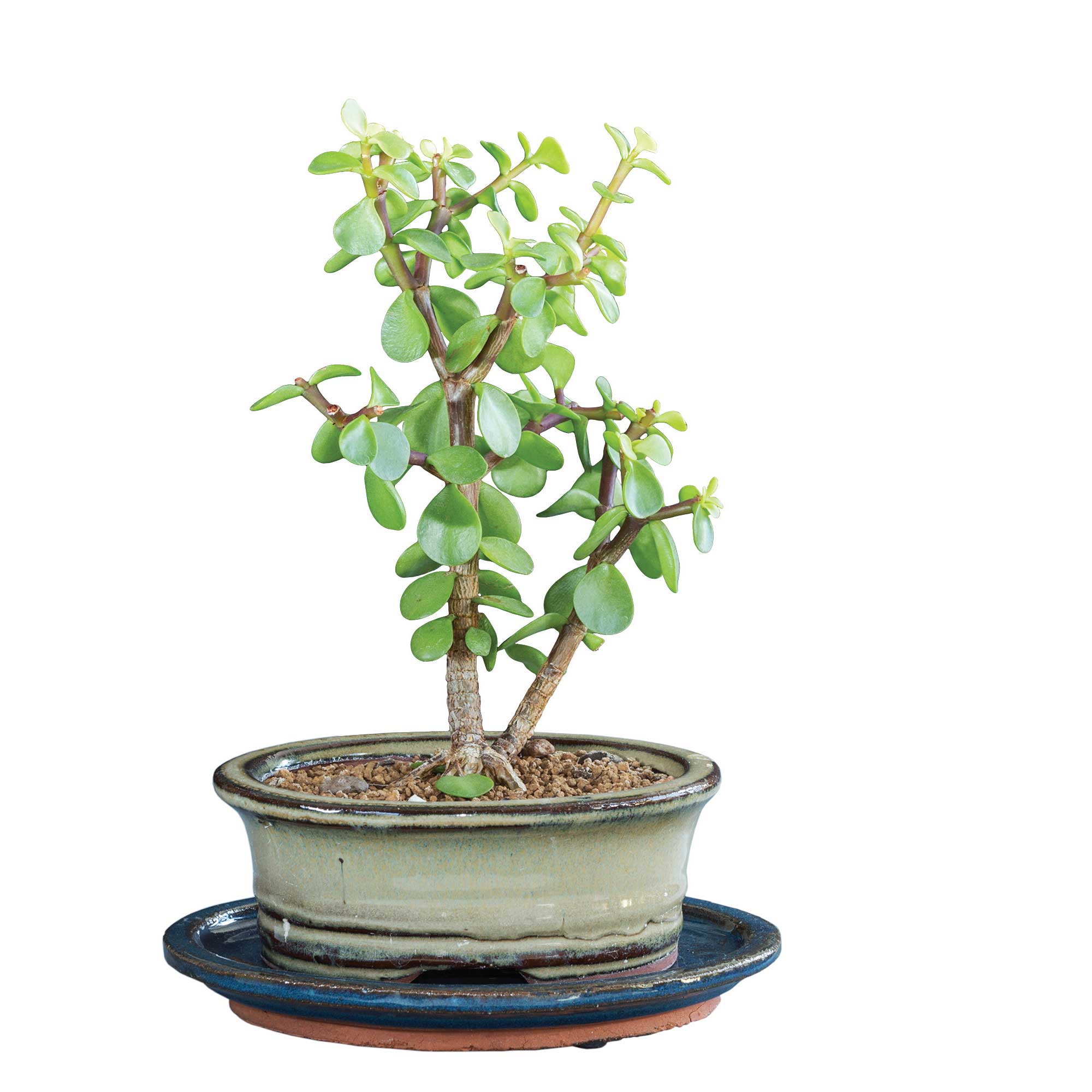
Fortunately, you can still create a colorful, welcoming entry. Instead of relying on flowers for color, let the container itself provide it. Glazed pots come in beautiful shades of blue, turquoise, orange, yellow and red that instantly brighten a shady space and create an inviting focal point near your front door. Then, fill the container with attractive shade-tolerant plants such as snake plant (Dracaena trifasciata) or elephant’s food (Portulacaria afra). Their bold foliage provides year-round interest with very little maintenance, and you’ll have a welcome splash of color without relying on flowering plants.
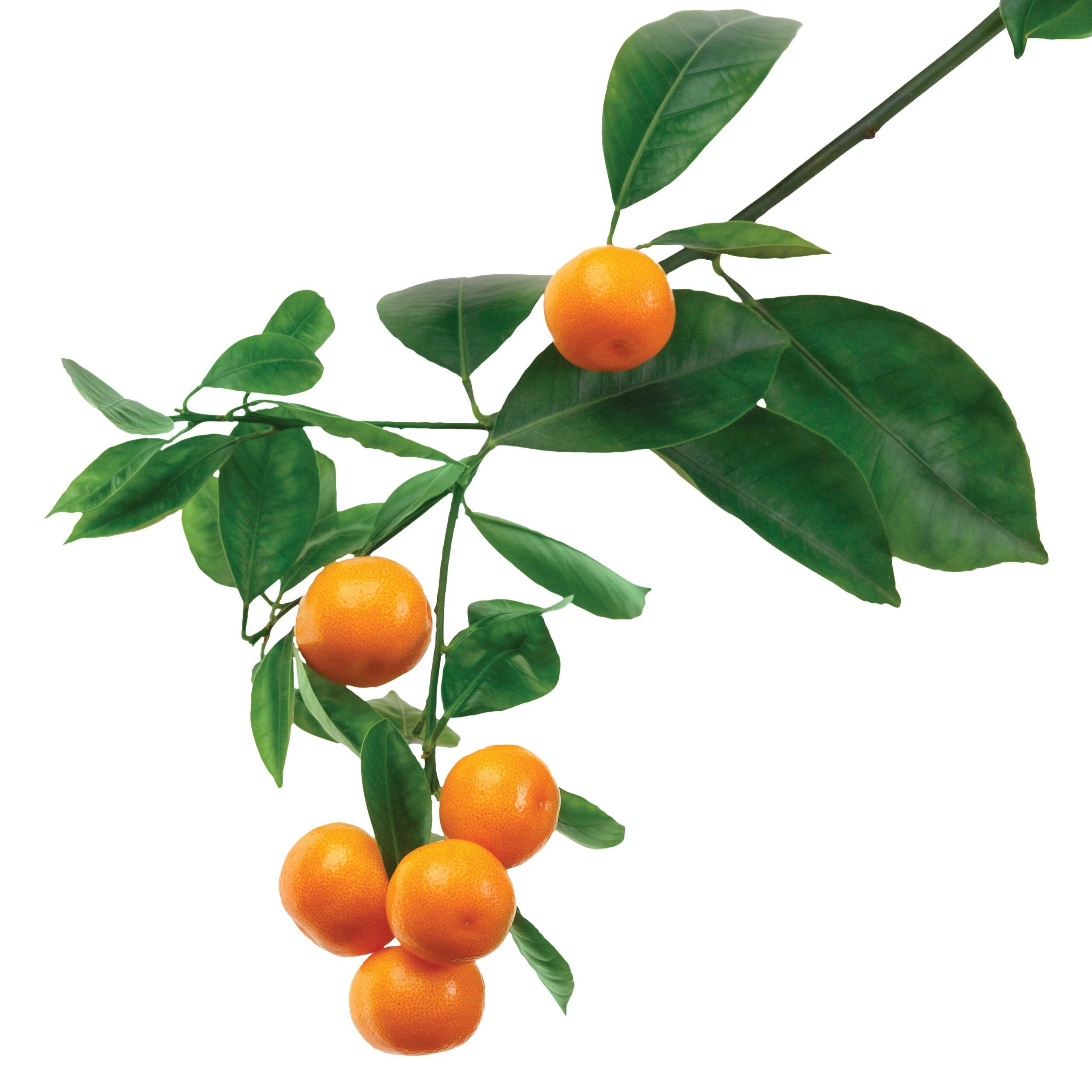
We recently moved into a house with mature citrus trees. Our orange tree has yellowing leaves and some that are brown and crispy. They do not cover the entire tree, but appear only on one side. Is this an overwatering issue or sun scorch?
Because the damage is only showing up on one side of your trees, the likely cause is sun scorch. In summer, the south- and west-facing sides of citrus trees take the brunt of the hot afternoon sun. The outer leaves often start turning yellow, and, as the heat continues, they can become brown and crispy around the edges or over the entire leaf. If watering or nutrients were the issue, you’d expect to see the same symptoms throughout the entire tree, not just on one side.
As tempting as it might be, don’t prune off those damaged leaves just yet. They may not be pretty, but they’re helping to shade and protect the healthy leaves inside the canopy. Wait until temperatures drop into the high 80s this fall before removing them. Established citrus trees can usually handle a little summer sun scorch without any long-term damage. If your tree is young or recently planted, consider putting up 50 percent shade cloth on the south and west sides next summer to help protect it during the hottest months.