



Garden Tasks, Answers and Solutions for Early Spring
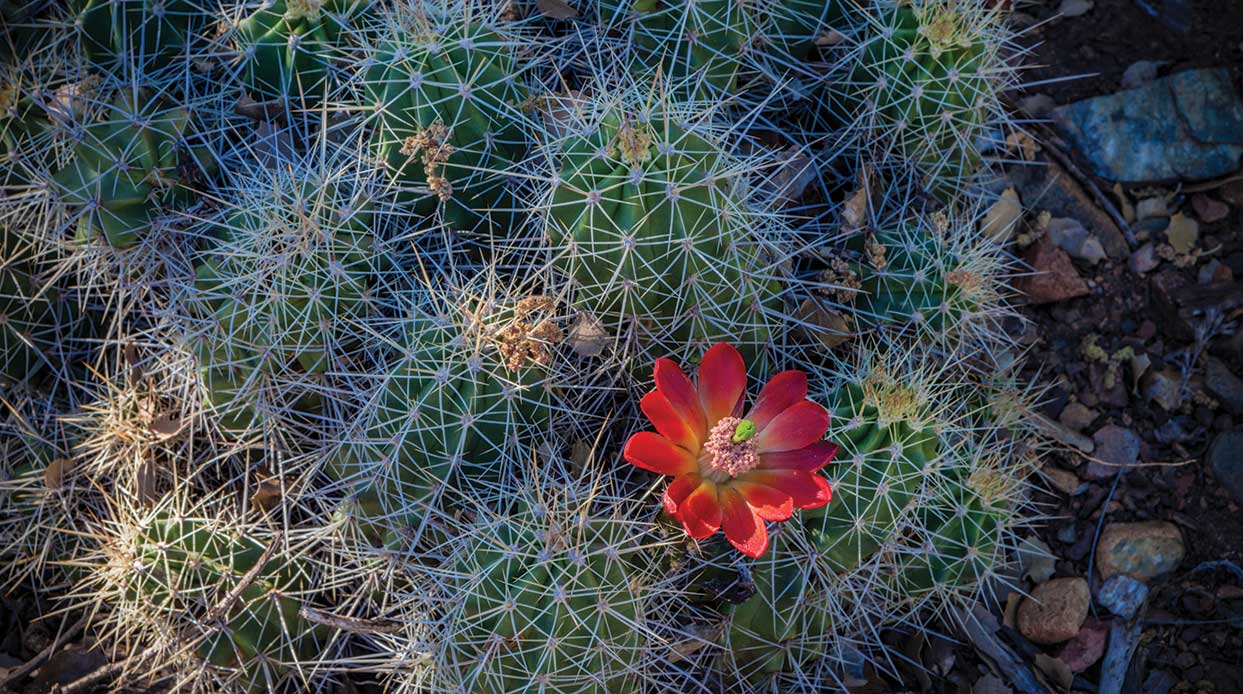
Get your landscape and garden in shape as we emerge from winter and sprint into spring.
By Noelle Johnson | Illustration by Gary Hovland
Hello Friends,
Late winter in the desert is a season of quiet beauty and the anticipation of spring. Cool morning temperatures and pleasantly warm afternoons create the perfect opportunity to spend time outdoors. Citrus trees are laden with ripening fruit and offer bright pops of color against lush green leaves. Hummingbirds fly from bloom to bloom in search of nectar, and the first signs of spring emerge with new buds and fresh growth. I invite you to step outside to enjoy the cool, mild weather and do the few necessary maintenance tasks before spring’s rapid burst of growth arrives.
In this issue, I will share tips to help you make the most of this transitional season. You will learn how to select plants that attract hummingbirds during the cooler months when blooms are few, providing welcome color when many plants are resting. I will also cover which trees, shrubs and ground covers can still be planted successfully in winter and which frost-tender favorites should wait for warmer temperatures.
Citrus care is a major focus this month. I will walk you through the essential steps for fertilizing your trees, determining when fruit is truly ready to pick, and recognizing the signs of roof rats, which can be problematic in our area. A few simple practices can protect your harvest and keep your citrus thriving for years to come.
I encourage you to take advantage of these gentle winter days. Let the slower rhythm of this time of year inspire you to appreciate the beauty around your home without feeling rushed by numerous garden tasks.
— Noelle “AZ Plant Lady”
Submit your garden questions to info@azplantlady.com for the chance to be featured in a future Garden Solutions.
Citrus Season in the Desert
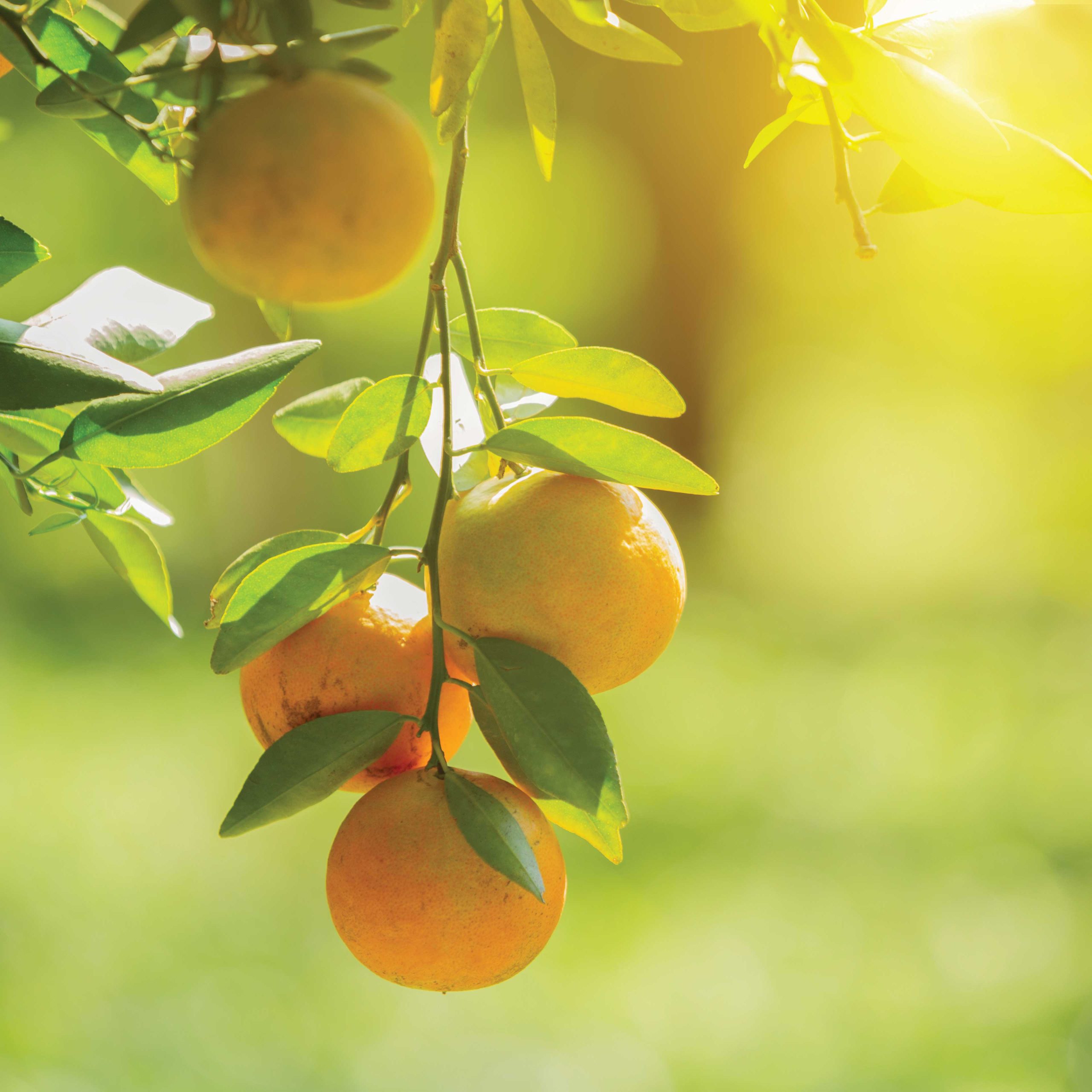
One of the greatest joys of living in the low- to mid-altitude desert regions is stepping outside on a winter morning and picking a fresh orange, lemon or grapefruit from your own tree. For many people who come from colder climates, the idea of growing citrus feels extra special—something they cannot do back home. Our mild winters and long, warm growing season create ideal conditions for citrus to thrive, and with a bit of care, your trees will reward you with flavorful fruit year after year.
As we approach late winter and early spring, it’s time to focus on several tasks that will set your citrus up for success. Fertilizing, checking for fruit ripeness, watching for pests and knowing when not to prune are all essential for maintaining healthy, productive trees.
Citrus are heavy feeders, and they rely on regular fertilization to support growth, maintain dark green foliage, and produce abundant fruit. In the desert Southwest, the recommended schedule is easy to remember because it aligns with familiar holidays:
- Valentine’s Day
- Memorial Day
- Labor Day
These three applications provide the consistent nutrition citrus need throughout their active growing season. Fertilizing on or around these dates ensures nutrients are available when the tree needs them most—new leaf growth in spring, early fruit development and late-summer growth.
While both synthetic and organic fertilizers are available, I recommend using organic citrus fertilizers whenever possible. They release nutrients slowly, improve soil health and reduce the risk of salt buildup. Look for a fertilizer formulated specifically for citrus. The label should list the major nutrients nitrogen (N), phosphorus (P) and potassium (K), all of which support vigorous growth and fruit production. Citrus also requires certain micronutrients, particularly iron, zinc and manganese, which keep the foliage green and prevent deficiencies that often occur in our alkaline soils.
When fertilizing citrus, a common mistake is applying it too close to the trunk. Citrus roots grow outward, extending well beyond the canopy edge. To fertilize effectively:
- Calculate the correct amount based on the size or age of your tree (this information is found on the fertilizer label).
- Sprinkle the fertilizer evenly in a wide circle beginning several feet out from the trunk and extending past the outer branches of the tree.
- Lightly rake the granules into the top layer of soil to help them break down.
- Water deeply after applying. Fertilizer needs moisture to move down to the roots.
If your citrus tree is surrounded by landscape rock, it can trap heat and contribute to summer stress. Rake the rock back to the outer edge of the canopy, and replace the area beneath the tree with 3 inches of compost or an organic mulch like bark chips. This helps create a cooler microclimate during hot weather while enriching the soil as it breaks down. Be sure to keep mulch a few inches away from the trunk to avoid moisture-related fungal or insect issues.
Citrus ripens slowly on the tree, and color alone is not always a reliable indicator of when it is ready. The best test is simple: Pick one and taste it. If it’s sweet (or tart, in the case of lemons) and juicy, it’s ready. Do not be in a hurry to harvest, as the fruit can remain on the tree for weeks after it’s ready. Once picked, citrus does not continue to ripen, so it’s OK to leave fruit in place until you are ready to enjoy it.
Here’s a general guide for ripening times in the Phoenix area:
- Lemons and limes: Late fall through spring
- Navel oranges: December–February
- Grapefruit: January–April
- Valencia oranges: March–June
If your fruit seems sour or bland, it often just needs more time on the tree.
Unfortunately, our citrus trees have become a welcome food source for roof rats. These pests are active primarily at night and often go undetected until half-eaten fruit begins to appear. They are particularly problematic with trees located near the eaves of your house, allowing them easy access.
To discourage these pests:
- Harvest ripe fruit promptly, especially if you notice gnaw marks.
- Keep trees pruned away from roofs, fences and even block walls.
- Remove fallen fruit immediately.
- Seal openings around the home where rats might enter.
To get rid of roof rats, snap traps may be necessary. Avoid poison baits in residential gardens—these can harm pets and wildlife. Consult with your local pest control professional to assist you.
While a warm, late winter day may inspire you to grab your pruners, citrus trees should be left alone until all danger of frost has passed. Pruning too early exposes tender new growth to cold damage. It’s safest to wait until mid-March before pruning, limiting pruning to removing dead, crossing or damaged branches. Major shaping should be avoided—citrus prefers a full, rounded canopy that shades its bark.
Monthly Garden Tasks
Low to Mid-Elevations
Prune roses back by the end of February. The Arizona Federation of Garden Clubs has a helpful pruning guide at: azgardenclubs.com/pruning-roses. Be sure to clean up fallen leaves and other debris around the base to reduce disease and insect problems. Avoid using landscape rock near roses, as it overheats the soil. Instead, apply compost or bark mulch after pruning and refresh it each winter. Late winter is also an ideal time to plant bare-root roses, but they should be in the ground by the end of February.
Continue planting cool-season crops by using transplants for leaf lettuces and green onions, or sowing seeds for radishes and other fast growers. Fertilize both edible crops and flowering annuals to support strong growth. This is also a good time to start warm-season vegetable seeds indoors, such as cucumbers, peppers and tomatoes. As seedlings grow and the danger of frost passes, gradually expose them to outdoor sunlight and temperatures over several days before planting them in the garden.
Late winter is the best time to prune deciduous trees because their bare branches reveal the tree’s natural structure. Remove dead, damaged or crossing branches to encourage healthy growth and improve airflow throughout the canopy. Avoid cutting large limbs unless necessary, as doing so can stress the tree. Steer clear of untrained landscapers—improper pruning can cause lasting damage. Instead, hire a certified arborist or learn proper techniques yourself using resources such as extension.arizona.edu.
High Elevations
Prune deciduous trees, shrubs and summer-blooming perennials while they are still dormant to encourage healthy growth. Water trees, shrubs and perennials as needed when conditions are dry, especially in sunny, exposed locations. As soon as the soil thaws, begin preparing beds by loosening soil, incorporating compost and amending with organic matter to support healthy spring growth.
Garden Solutions
I am a snowbird who lives here from fall through early spring and would like to attract hummingbirds to my garden. However, most of my plants bloom in summer when I’m not here. What can I plant that will ensure my yard is filled with these welcome visitors?

We’re fortunate that hummingbirds live in the desert year-round, but nectar-rich blooms can be scarce during the cooler months. To attract these colorful visitors while you’re here in fall through spring, focus on species that flower during this timeframe. Chuparosa (Justicia californica) is my top choice, producing red, tubular blooms that hummingbirds can’t resist. Pink fairy duster (Calliandra eriophylla) offers soft, powder-puff flowers in winter and early spring. Firecracker penstemon (Penstemon eatonii) adds vibrant spikes of red blooms, and ‘Blue Bells’ emu bush (Eremophila hygrophana) provides lavender flowers through the cool season. Each of these plants does best in full sun and will brighten your landscape and keep hummingbirds visiting your garden while you are here to enjoy them.
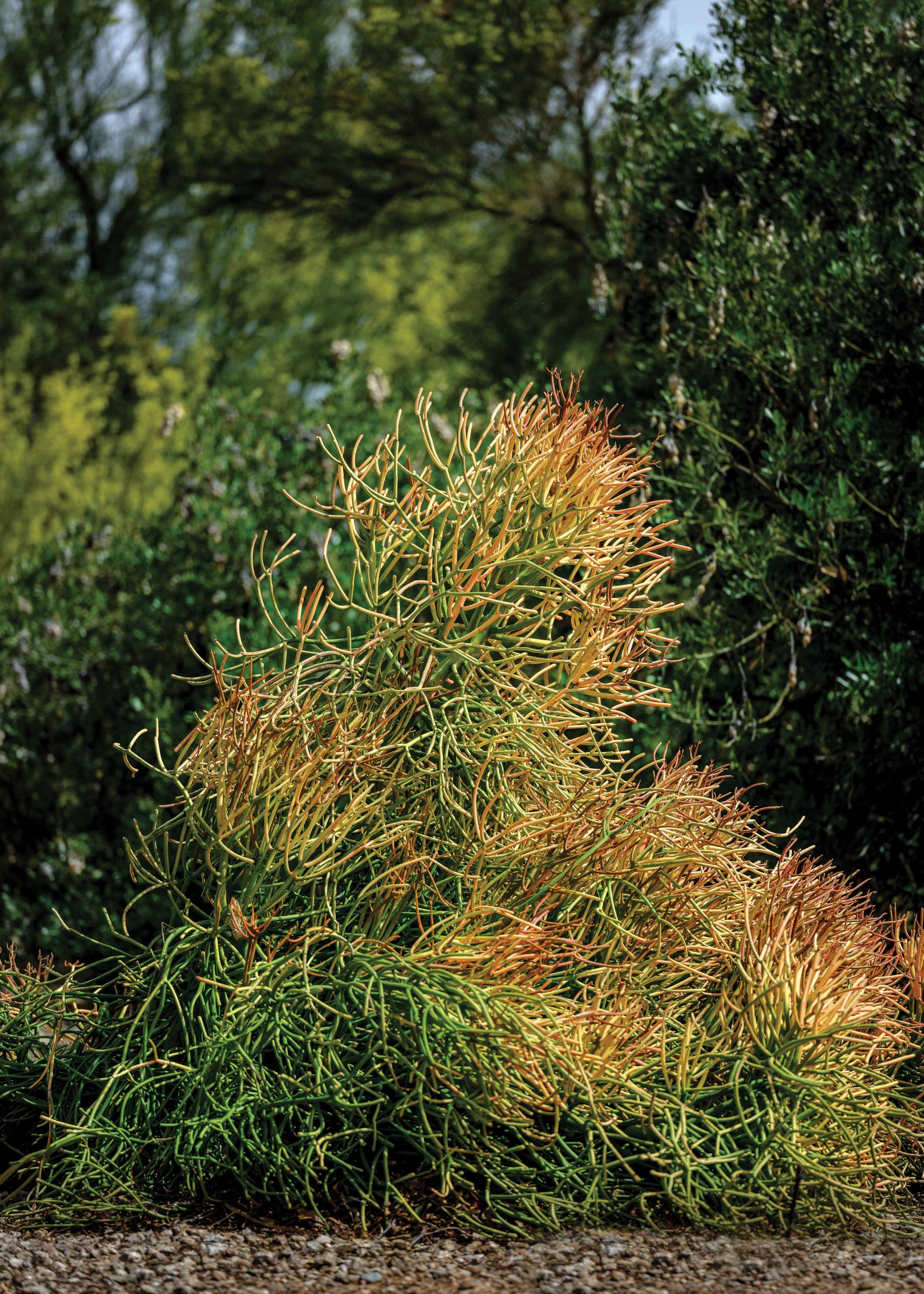
I’m fascinated by a succulent in my neighbor’s garden. It has a unique, bushy shape with spiky stems that are green at the base and orange-red at the tips. I’d love to add one to my own landscape. Can you help me identify it?
The succulent you’re describing is commonly known as ‘Firesticks’ (Euphorbia tirucalli, ‘Sticks on Fire’). This striking plant shows its best orange-red color when grown in full sun, while shaded areas cause the foliage to fade to green. Firesticks can grow quite tall—often reaching 6 feet or more—so be sure to give it plenty of room, though it can be pruned to maintain a smaller size, if needed. Because its sap is toxic if ingested and can irritate skin and eyes, it’s best planted away from children, pets and areas with heavy foot traffic, such as the front yard. It also thrives in large containers, making it a versatile choice for sun-filled patios.
I’ve always heard that planting in the fall is best because it gives new plants time to settle in before our summer heat hits. But I missed that window this year. Can I still plant in winter, or are there certain plants I should hold off on until later?
You’re correct that fall is the ideal planting season—it gives new plants time to establish before summer’s extreme heat. But if you missed that opportunity, don’t worry. Winter is still a good time to add many plants to your landscape. Focus on native and desert-adapted trees, shrubs, vines and ground covers, which handle our winter cold well and will begin rooting before warmer weather arrives. Avoid planting frost-tender plants such as bougainvillea, lantana and yellow bells. These are easily damaged by freezing temperatures, so it’s best to wait until the danger of frost has passed before putting them in the ground.