


Garden Solutions
August and September still bring triple-digit temperatures,
but late summer is a great time to assess your landscape and plan improvements.
By Noelle Johnson | Illustration by Gary Hovland
Hello Friends,
As the summer heat continues to press on through August and September, it’s the perfect time to pause and evaluate how your landscape is holding up—and plan for any needed changes once the weather cools. While we experience the hottest part of summer and monsoon rains bring welcome moisture, this is also a time where we need to pay attention to watering and plant care.
During the second half of summer, it’s important to know when to skip irrigation after a storm, when to get ready for fall vegetable garden planting, and to knowing the best way (and time) to prune shrubs such as Texas sage. We’ll also explore the benefits of downsizing lawns and introducing drought-tolerant ground covers, plus how to keep your trees healthy and safe before the next round of monsoon winds.
Use this time to observe your garden’s needs, prepare for a thriving fall planting season, and plan improvements that will create a more resilient, beautiful, and water-wise landscape for years to come.
Noelle, aka “AZ Plant Lady”
Late Summer Landscape Solutions
August and September still bring triple-digit temperatures, but late summer is a great time to assess your landscape and plan improvements. Whether you’re thinking about removing or downsizing your lawn, checking trees’ health before monsoon storms, or designing new planting areas, the choices you make now can enhance the beauty, water, and functionality of your outdoor space for years to come.
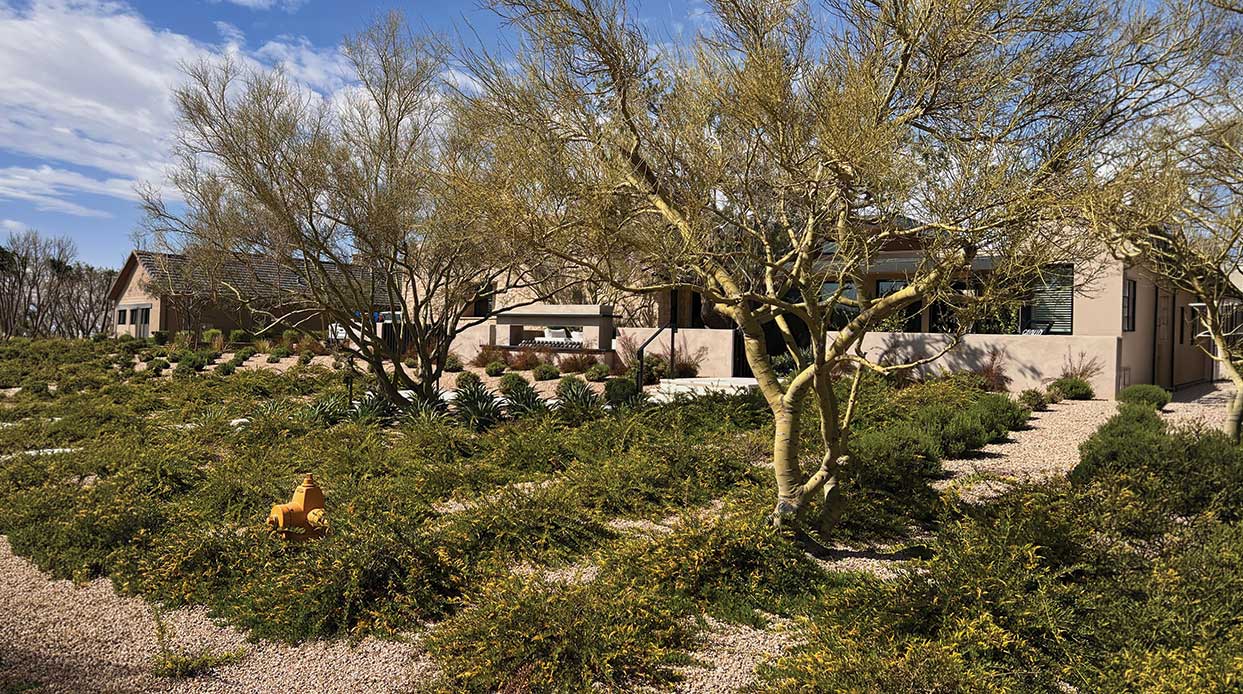
As homeowners look for ways to reduce water use and create more sustainable landscapes, one trend gaining ground is lawn removal. Traditional grass lawns demand a lot of water and ongoing care, from mowing and fertilizing to weed control. By replacing some or all of your lawn with drought-tolerant trees, shrubs, colorful perennials, and attractive ground covers, you can cut water use dramatically, while creating a more vibrant and interesting outdoor space that requires less maintenance.
Ask yourself if your lawn is still meeting your needs. Is it regularly enjoyed by kids or pets, or has it become more of a decorative feature that requires constant upkeep? Many homeowners find parts of their lawn rarely get used, such as those in the front yard that serve a decorative function only. Instead, consider transforming them into planting areas that offer year-round beauty with less maintenance and water.
If you’re considering lawn removal, now is a great time to start. Warm-season grasses, such as bermudagrass, are easier to eliminate while they are actively growing because herbicides are absorbed more effectively, resulting in better control. Beginning the process now also gives you time to plan how you’ll use the newly available space.
For many homeowners, drought-tolerant ground covers provide the same decorative benefits as a lawn by creating a carpet of green while requiring far less water and maintenance. Unlike artificial turf, which can become extremely hot in summer and radiates heat into the surrounding area, living groundcovers help cool the landscape through a natural process called transpiration. This cooling effect can make outdoor spaces more comfortable while still providing the lush, green appearance many homeowners desire. One excellent choice is ‘Outback Sunrise’ emu (Eremophila glabra ‘Mingenew Gold’), a low-growing ground cover with lush green foliage that thrives in full sun. Planted 5 feet apart, individual plants gradually grow together to form an attractive, water-wise expanse of green.
Monsoon storms also bring strong winds that can expose weaknesses in trees. Each year, you’ll see fallen limbs and damaged trees after summer storms. While some damage is unavoidable, proper pruning can help reduce the risk. Trees that have become overly dense or top-heavy may benefit from crown thinning, a selective pruning technique performed by certified arborists. This method removes small branches throughout the canopy, allowing wind to flow through and reducing wind resistance while preserving the tree’s natural shape and health.
Some common pruning practices, however, can increase storm damage risks. Topping, which cuts back large branches to stubs or drastically reduces tree height, causes weak regrowth prone to breaking and shortens the tree’s lifespan. Lion tailing, where interior foliage is stripped and leaves are left only at branch ends, makes branches more vulnerable to breakage and reduces the tree’s ability to produce energy.
If you’re concerned about a mature tree in your landscape, consult a certified arborist who understands proper pruning techniques. Corrective pruning by a professional can improve both your tree’s health and safety.
Although you might be spending more time indoors waiting for cooler weather, summer is actually a fantastic time to start planning updates for your landscape—whether that means adding trees, shrubs or ground covers. Preparing now lets you make the most of fall, the prime planting season in the desert.
Begin by assessing how you use your outdoor spaces and pinpointing areas that could benefit from improvement. Think about spots that get too much sun, need extra shade, demand too much maintenance, or consume more water than you’d like. Take photos of these problem areas and write down what you want to change. This is also a perfect time to research plants, visit local botanical gardens, explore neighborhood landscapes for ideas, and build a list of plants well-suited to your site’s conditions. Many cities throughout the Valley also maintain xeriscape demonstration gardens where you can see water-wise plants growing in real-world settings. To find a demonstration garden near you, visit amwua.org, which provides a helpful guide to locations throughout the Phoenix metropolitan area.
In fall, soil temperatures stay warm enough to encourage root growth, while the cooler air reduces stress on new plants. Trees, shrubs and perennials planted during this season have plenty of time to develop strong roots before enduring the heat of next summer.
Although summer isn’t typically the season for major planting projects, it is the perfect time for planning. By evaluating how your landscape performs during the most challenging time of year, you can identify opportunities to reduce water use, lower maintenance, improve tree safety, and create a more comfortable outdoor environment. Making decisions now can help you make smart changes that will benefit your landscape for years to come.
Monthly Garden Tasks: Low to Mid Elevations
Feed citrus trees. Late August through early September is the ideal time for the third and final citrus fertilizer application of the year. Choose a fertilizer specifically formulated for citrus and follow the label instructions carefully. Be sure to water deeply after applying fertilizer to help nutrients reach the root zone. Avoid fertilizing later in the fall, as this can trigger tender new growth that may be vulnerable to cold damage.
Prepare your roses for their fall bloom season. In mid-September, lightly prune your roses, trimming back about one-quarter to one-third of the plant’s size, removing dead, damaged or crossing branches. After pruning, apply fertilizer and maintain consistent watering. Within a few weeks, you’ll see vigorous new growth ready to produce beautiful blooms flowers throughout fall.
Get your vegetable garden ready for fall. In early September, rejuvenate your tomatoes, peppers and eggplants to ensure a bountiful fall harvest. Lightly prune these plants by cutting back roughly one-quarter of their growth and removing any dead or unproductive stems. Follow up with fertilizer and regular watering to encourage healthy new growth. This is also a perfect time for planning your fall and winter vegetable garden. Decide which crops you want to grow, prepare your planting beds, and start seeds indoors for cool-season vegetables such as broccoli, cabbage, cauliflower and lettuce.
Watch for signs of heat stress. Late summer heat can take a toll on even well-established plants. Common signs of heat stress include wilting despite sufficient soil moisture, leaf scorch, sunburn and excessive leaf drop. To help your plants recover, provide temporary shade using 50 percent shade cloth for shrubs, vines and ground covers. Keep up this protection until daytime temperatures consistently drop to the low 90s.
Monthly Garden Tasks: High Elevations
As summer starts to fade, it’s time to get your garden ready for the cooler weather ahead. Keep harvesting vegetables such as tomatoes, squash, beans and peppers regularly to extend their productivity as long as possible. In your vegetable garden, plant seeds for cool-season crops such as lettuce, spinach, radishes and carrots to enjoy fresh fall harvests.
By early September, reduce fertilizing trees, shrubs and perennials to prevent encouraging tender new growth that could be damaged by frost. Take advantage of the warm soil to divide and replant crowded perennials, helping them establish strong roots before colder weather arrives.
Watch the weather closely, especially in elevations over 6,000 feet, where early frosts can occur. Have frost cloth ready to protect your late-season vegetables and flowering plants. Continue deep watering trees and shrubs during dry spells between summer storms to help them stay healthy as they prepare for winter.
Submit your garden questions to info@azplantlady.com for the chance to be featured in a future Garden Solutions.
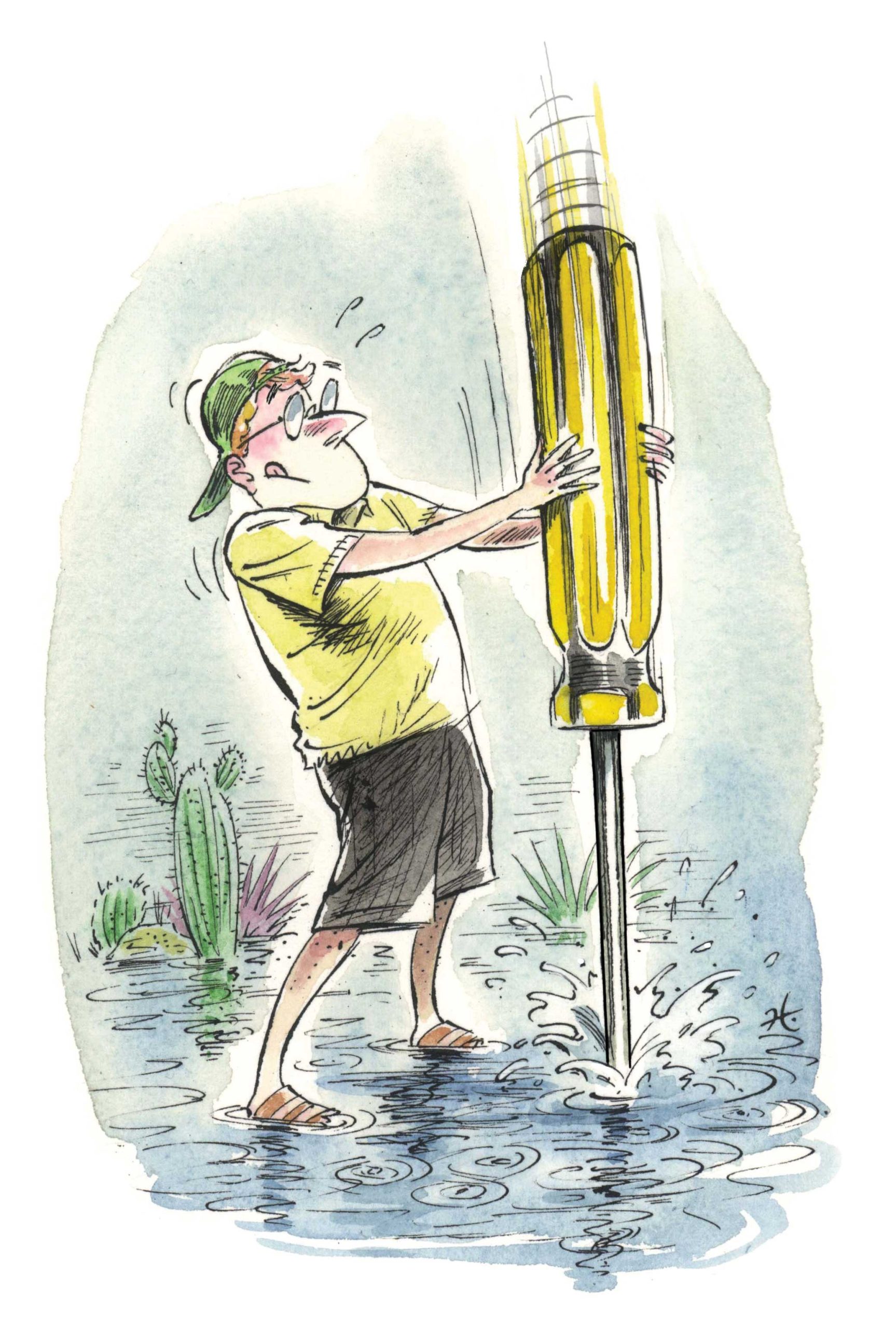
“We recently received a good amount of rain from a monsoon storm. Is it okay to skip my next irrigation cycle, and how can I tell if my plants have received enough water?”
It depends on how much rain your landscape actually received. A quick monsoon shower that leaves puddles often only wets the top few inches of soil and usually isn’t enough to skip a scheduled irrigation. However, a heavy storm or multiple rains over several days can provide enough moisture to justify postponing your next watering.
An easy way to check is with a soil probe or long screwdriver. Wait a few hours after the rain, then insert the tool into the soil. If the soil feels moist to the depth your plants’ roots grow, you can likely delay irrigation. For trees, moisture should reach 2 to 3 feet deep. Shrubs generally need 18 to 24 inches, and most ground covers or perennials require 12 to 18 inches.
Keep in mind that rainfall can vary significantly across the Valley. One neighborhood might get an inch of rain while another only sees a light sprinkle. Checking soil moisture directly is more reliable than relying on reported rainfall totals.
“I’d like to grow vegetables this fall, but it’s still very hot outside. When should I start planting my fall vegetable garden, and how can I prepare for it?”
A common mistake many gardeners make is waiting for cooler fall weather before planting their fall vegetables. In the desert Southwest, cool-season vegetables need to be planted while temperatures are still warm to give them enough time to mature before winter sets in.
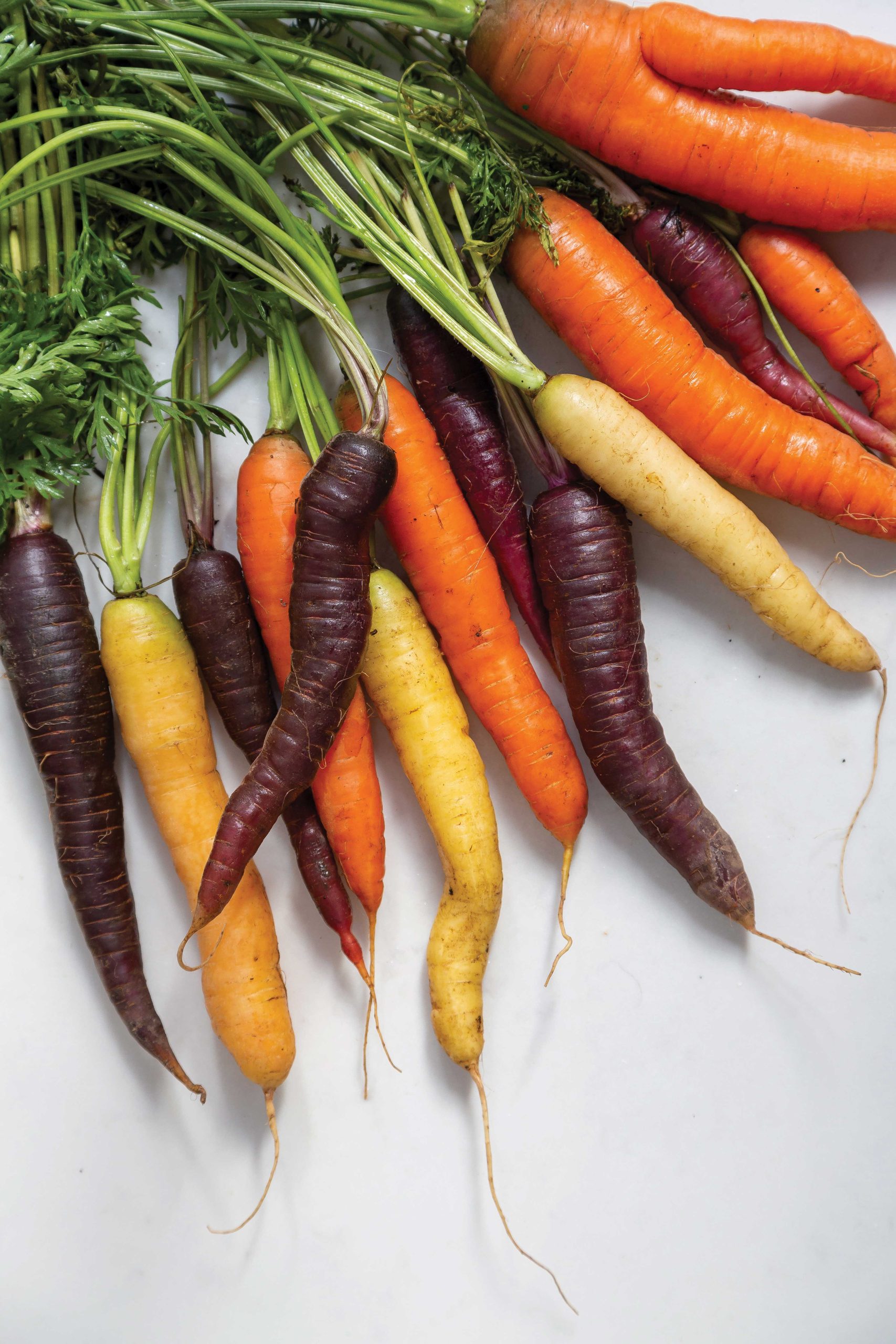
The planting time varies depending on the vegetable. For example, seeds for carrots, beets, radishes and turnips can be sown starting in late September. Vegetables, such as broccoli, cauliflower, cabbage and other leafy greens, are best planted from transplants between late September and October.
Now is a great time—August through early September—to prepare your garden. Begin by clearing out any old summer crops and weeds, and then add compost to your planting beds to enrich the soil and improve its structure. It’s also smart to check your irrigation system now, repairing any leaks and making sure emitters are functioning properly so your garden receives adequate water once you start planting. Doing these tasks in later summer will set you up for a productive vegetable garden through fall, winter, and spring—one of the great advantages of gardening in our desert climate.
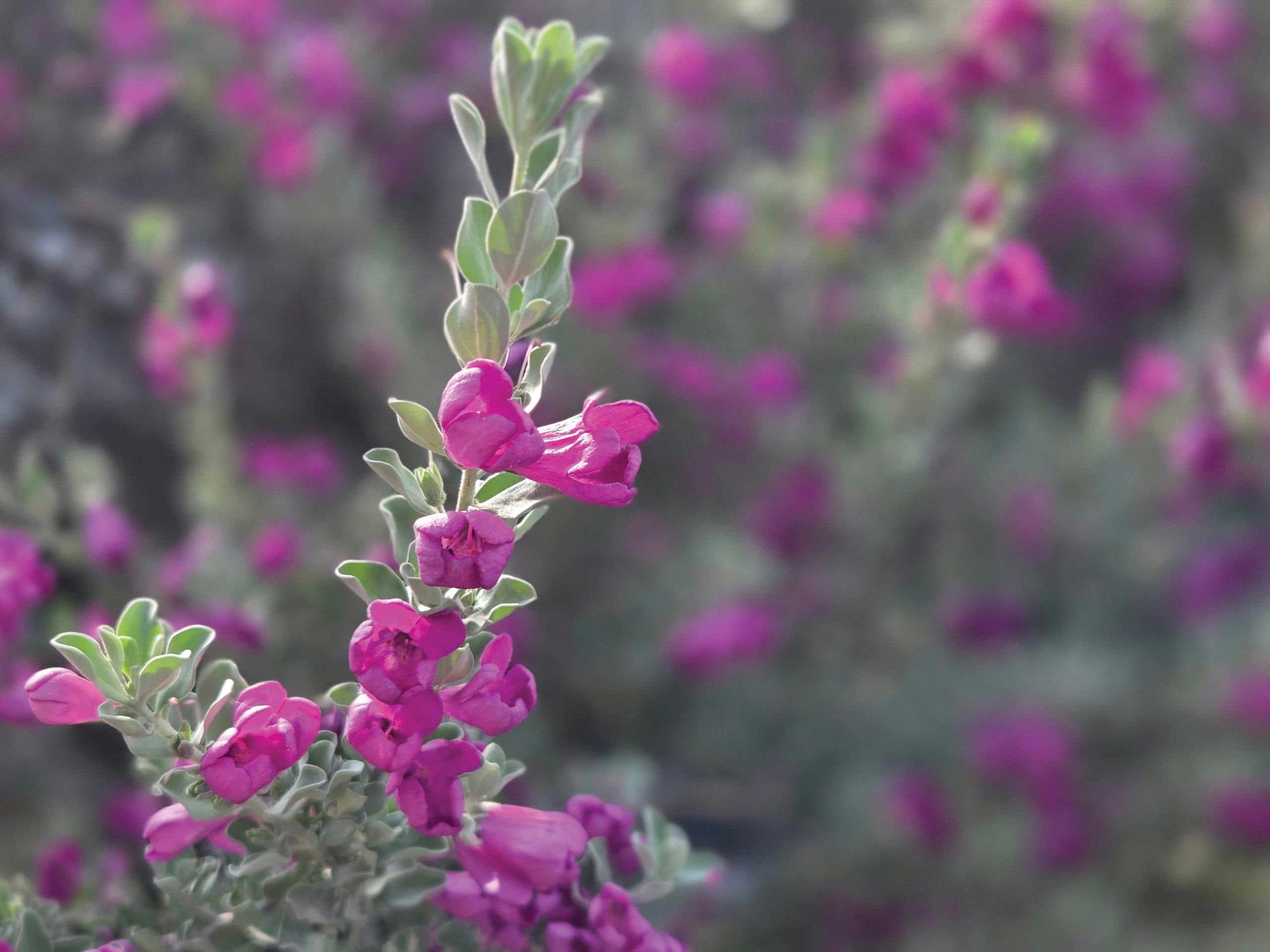
“I have a large Texas sage shrub that I’d like to cut back severely. Is it okay to do this in the summer?”
Texas sage (Leucophyllum spp.) can grow into a large shrub, often reaching 5 feet or more in height and width, depending on the variety. Allowing this plant space to grow to its mature size usually means less frequent pruning is needed. However, as the plant ages, some branches may become thick and woody, leading to fewer leaves and flowers.
When this happens, a severe cut-back, called rejuvenation pruning, can help by removing old woody branches and encouraging fresh, vigorous growth. Pruning shrubs in summer is stressful for them because they are already dealing with the heat’s effects, which can hinder their ability to recover. The best time for rejuvenation pruning is in the spring (around March or April), not during summer, fall or winter. Pruning severely in late fall or winter often results in slow regrowth, leaving the shrub with stubby branches near the ground for a long time until spring comes.
Most healthy Texas sage shrubs recover well after this type of major pruning, but older or unhealthy plants might not bounce back as easily. It’s important to check the health of your shrub before deciding to prune it severely or opt to replace it.