



Fall Planting Guide: Best Shrubs for Year-Round Color

By Noelle Johnson | Illustration by Gary Hovland
Hello Friends,
As summer’s triple-digit grip finally loosens, we desert dwellers step back outdoors, ready to reconnect with our gardens. This seasonal shift—often referred to as the desert’s “second spring”—is the the best time of year to add new plants. Cooler nights and warm days provide ideal conditions for root growth, giving new plants a strong start before winter arrives.
Nurseries are brimming with colorful options right now, but before you fill your cart, take a moment to plan. Not every pretty plant will thrive in the desert, and poor choices can lead to high-maintenance headaches or plant failure. Here, I’ll share tips to help you choose the right plants for long-term success.
After 25 years as a horticulturist, I’ve curated a list of top-performing shrubs—ones that are low-maintenance, look great year-round, and stand up to our intense summer heat. I’m excited to share my top five favorites and how to use them in your own garden.
You’ll also find helpful guidance on revitalizing vegetable garden soil and sowing wildflowers—two easy ways to boost your fall garden’s beauty and productivity.
Have a garden question? I’d love to hear from you. Send it to info@azplantlady.com, and it may be featured in an upcoming “Garden Solutions.”
Noelle, aka “AZ Plant Lady”
Send your gardening questions to info@azplantlady.com.
Foolproof Shrubs That Add Beauty to the Desert Garden
While the growing season winds down in much of the country, fall marks the beginning of the best planting season in the desert Southwest. With milder temperatures and still-warm soil, this time of year provides optimal conditions for roots to establish before the heat returns. Planting in fall gives shrubs a crucial head start—three full seasons to develop deep root systems—greatly increasing their chances of thriving through intense summer heat.
Given our trend of hotter, drier summers, fall planting is more important than ever. It sets your garden up for long-term success while minimizing water stress on new plants. And when it comes to designing a water-wise and beautiful landscape, shrubs are the foundation. They add structure, soften architectural lines, provide living screens and bring year-round interest through foliage and flowers. But it’s essential to choose varieties that are adapted to our climate, as not all traditional shrubs can handle desert extremes.
Here are five of my favorite foolproof shrubs—all are native to the Southwest and handle the heat and full sun of the desert landscape while enhancing the garden with texture, color and beauty:
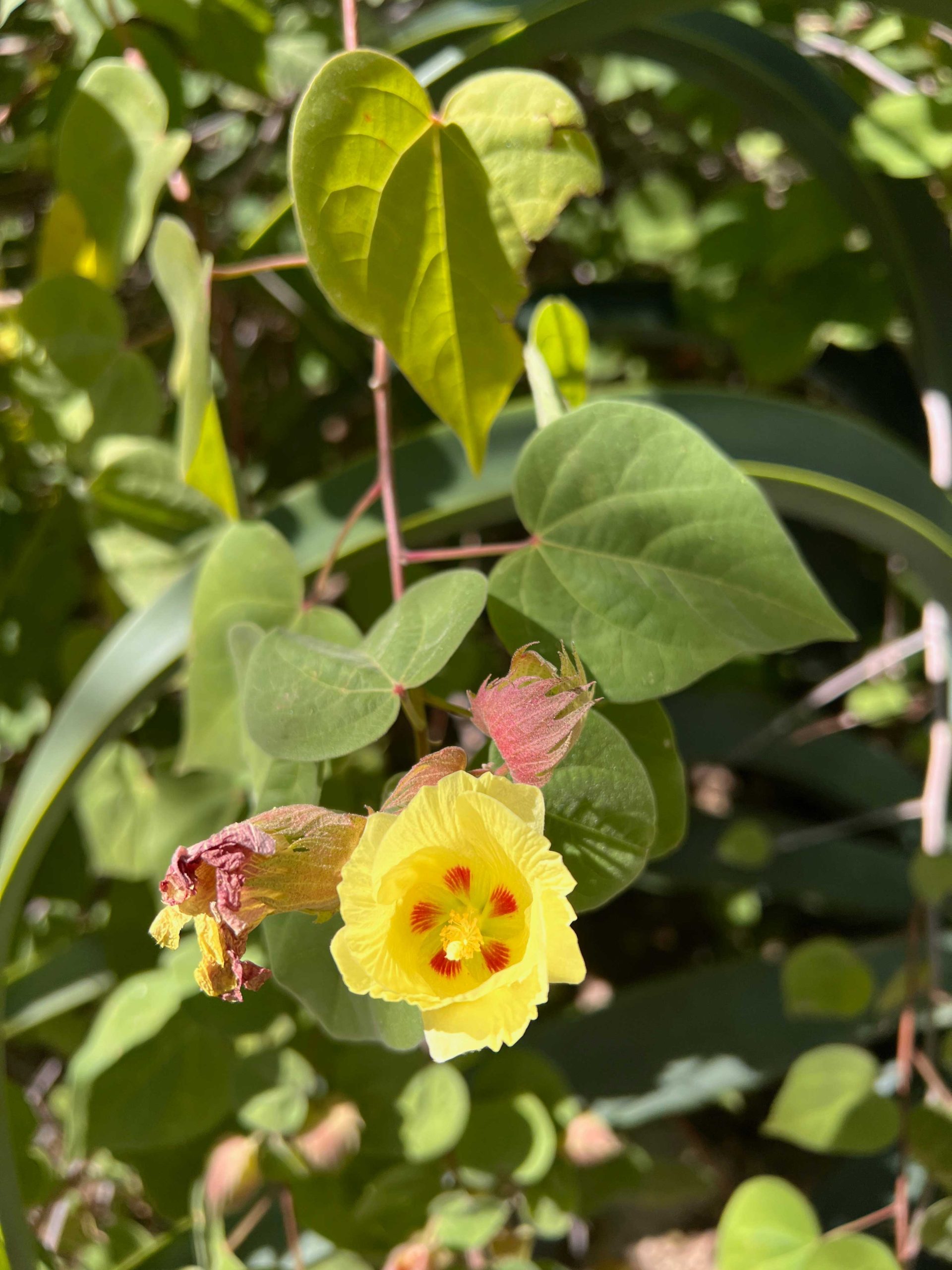
San Marcos Hibiscus (Gossypium harknessii)
A hidden gem for desert gardens, this Baja, California, native offers something rare: tropical-looking flowers on a heat- and drought-tolerant shrub. San Marcos Hibiscus produces bright yellow, hibiscus-like blooms, with red spots in the center that pop against its lush green, heart-shaped foliage. It grows 4 to 5 feet tall and wide and thrives in full sun. In mild climates, it can bloom nearly year-round. This underused shrub is gaining popularity—and I plan to add one to my garden this fall.
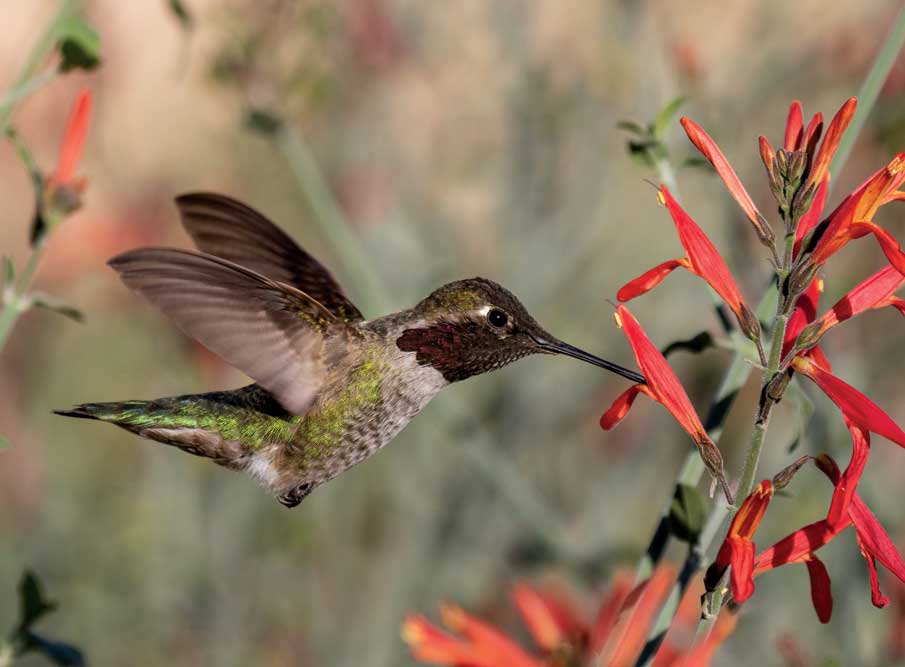
Chuparosa (Justicia californica)
If you want to support pollinators and enjoy winter color, chuparosa is a must. This Arizona native produces tubular red flowers from late winter through spring, when many plants are still dormant. It thrives in rocky soil, handles reflected heat and needs infrequent watering once established. Reaching about 4 feet tall and wide, it pairs well with cacti, succulents and other desert perennials. I’ve scattered them throughout my backyard, where hummingbirds love feeding from the flowers during the cooler months.
‘Lynn’s Legacy’ Texas Sage (Leucophyllum langmaniae ‘Lynn’s Legacy’)
This improved Texas sage variety stands out for its lavender-purple blooms, flowering more frequently than other types—even without the usual humidity or rainfall triggers. It forms a rounded shape, about 5 to 6 feet tall and wide, with gray-green foliage that provides year-round visual interest. It thrives in full sun, tolerates reflected heat, and needs little pruning (when given enough room to grow), making it an excellent choice for low-maintenance gardens. I like to use it along block walls, reducing the heat that radiates into surrounding areas.
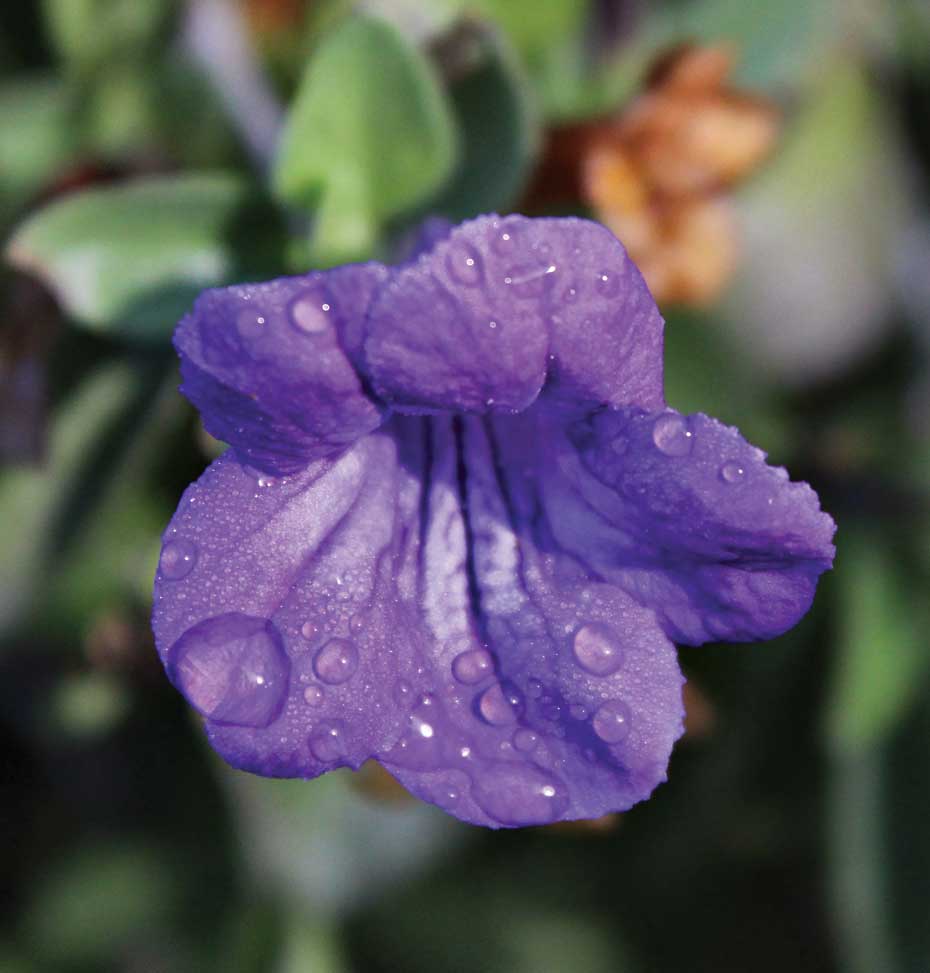
Desert Ruellia (Ruellia peninsularis)
Think desert plants can’t look lush? This shrub proves otherwise. With soft green leaves and purple blooms from spring through fall, desert ruellia (also known as Baja ruellia) adds a tropical touch and a welcome splash of green. Not to be confused with its more invasive cousin (Ruellia brittoniana), this Southwest native is low-maintenance, needing little to no pruning. It grows 3 to 5 feet tall and wide and works wonderfully as a background or filler shrub. I like to plant them in groups of three for maximum impact and seasonal color.
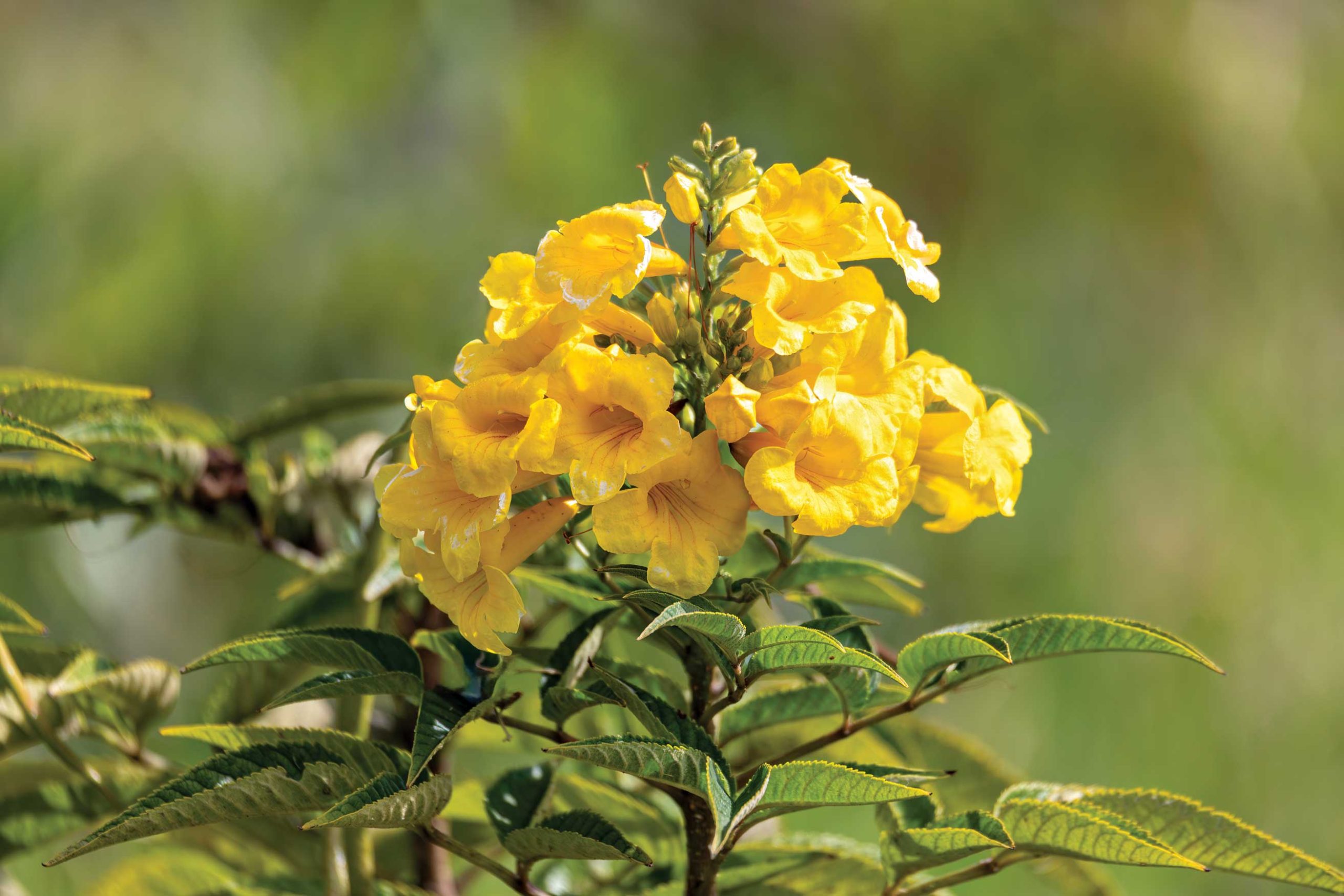
Yellow Bells (Tecoma stans)
Few plants brighten a garden like yellow bells. Their trumpet-shaped golden flowers bloom from spring through fall and are irresistible to hummingbirds. The lush green foliage also adds a refreshing look that many desert dwellers appreciate. This fast-growing shrub can reach up to 6 feet tall and wide, making it ideal against walls or in large containers. It loves full sun and handles heat with ease. In addition to yellow bells, I also grow two related varieties with orange flowers—‘Bells of Fire’ and ‘Sparky’—for extra seasonal color.
Before you head out to the garden center to pick out a new shrub, take a few minutes to measure the space where you plan to place it. Before purchasing, check the plant tag to see how large the shrub will eventually grow. This simple step can save you from a common problem: planting something that gets too big for the space, leading to frequent pruning. Not only is constant pruning a chore, but it also reduces flowering and weakens the plant over time.
It’s also important to evaluate the sun exposure of the planting spot. Is it in full sun, partial shade or full shade? Many desert-adapted plants thrive in full sun, but not all do—especially in the intense afternoon heat. Always match the sun needs listed on the label with the actual conditions in your garden. When in doubt, ask a knowledgeable nursery staff member for guidance. This small bit of planning goes a long way toward creating a thriving, low-maintenance landscape.
Planting in fall means lower water needs, better root establishment and higher success rates. Whether you’re refreshing a tired landscape or starting from scratch, these foolproof shrubs offer beauty and heat-resilience for your desert garden.
GARDEN SOLUTIONS
As a winter resident, I love growing cool-season flowering annuals in containers for added color in my desert landscape. But every year when I plant them, many die and need to be replaced. How can I prevent this?
You’re not alone—this is a common frustration for many seasonal gardeners. Our desert climate allows us to grow cool-season annuals such as alyssum, petunias, geraniums and snapdragons. However, while these plants often begin appearing in nurseries in late August, our weather is still too hot for them to thrive. Newly planted annuals simply cannot handle temperatures in the triple digits, which leads to stress, wilt and often death. To give your flowers the best chance of success—and avoid the cost of replanting—wait until late October or when daytime temperatures consistently stay in the low 90s or below. Your plants will establish more easily, providing you with colorful beauty.
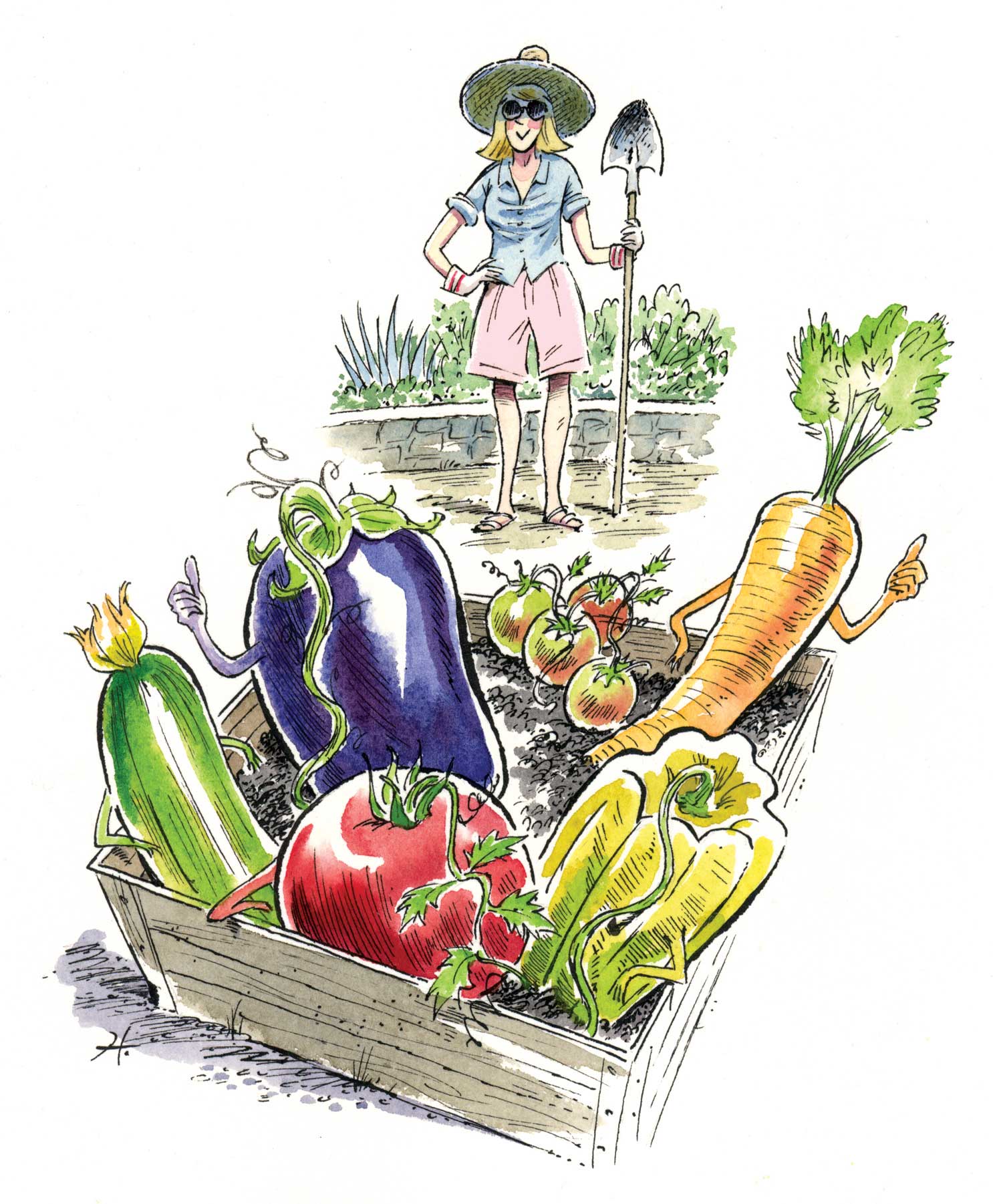
I’m excited to start growing vegetables in raised beds in my backyard. I’ve found the perfect sunny location, but I’m overwhelmed by the different sizes of raised beds available. What size is best for the desert vegetable garden?
You’ve picked a great time to start—fall is ideal for planting vegetables in the desert. While there are many raised bed options out there in terms of size, here are a few simple guidelines to help you get started. Begin with a 4-foot square bed, or a longer rectangular bed that’s no wider than 4 feet. This width allows you to reach the center of the bed from either side without stepping into it, which helps prevent soil compaction.
When it comes to depth, aim for sides that are between 18 to 24 inches tall, which accommodates most vegetables—including those with deeper roots such as carrots or tomatoes. For even more flexibility, and if bending over is uncomfortable, consider building the bed 36 inches tall.
I have an overgrown Texas sage shrub that needs to be pruned back severely. I’d like to do it now, but I believe this is the wrong time of year. Is it okay to cut it back in the fall?
Texas sage (Leucophyllum spp.) is a beautiful, low-maintenance shrub that thrives in our desert climate. Many varieties can grow quite large—reaching 5 to 6 feet tall and wide—which sometimes requires a hard prune every few years. While these shrubs can handle being cut back significantly, fall is not the ideal time to do it. Severe pruning in the fall can leave the plant with bare, stubby branches that may remain that way until warmer temperatures return in spring. That’s because regrowth is slow or nonexistent during the cooler months. For best results, wait until spring to do heavy pruning. At that time, the plant will respond quickly with vigorous new growth, helping it recover its shape and beauty much more quickly.
MONTHLY GARDEN TASKS
LOW TO MIDDLE ELEVATIONS
Replenish your vegetable garden soil before planting this fall. Vegetables are heavy feeders, and over time, soil nutrient levels drop as organic matter breaks down. To restore fertility, spread a layer of compost mixed with aged steer, chicken or rabbit manure at a ratio of three parts compost to one part manure. Then, sprinkle blood and bone meal over the surface—following package directions—until you reach the optimal soil level. Gently mix these amendments by raking them together, but leave the underlying soil undisturbed to protect its natural structure and beneficial microorganisms. This no-dig approach prepares your bed for a productive season while supporting long-term soil health.
Cooler weather means plants need less frequent watering, and forgoing seasonal changes can lead to overwatering, plant stress and higher water bills. Adjust your irrigation schedule once daytime temperatures dip into the low 90s, typically by mid- to late-October in the low desert.
Keep in mind that while you will be watering less often, it’s essential to do so deeply to encourage healthy root growth. Aim to water trees to a depth of 2–3 feet, shrubs and vines 18–24 inches, and succulents about 12 inches deep. For more guidance on seasonal watering, visit wateruseitwisely.com.
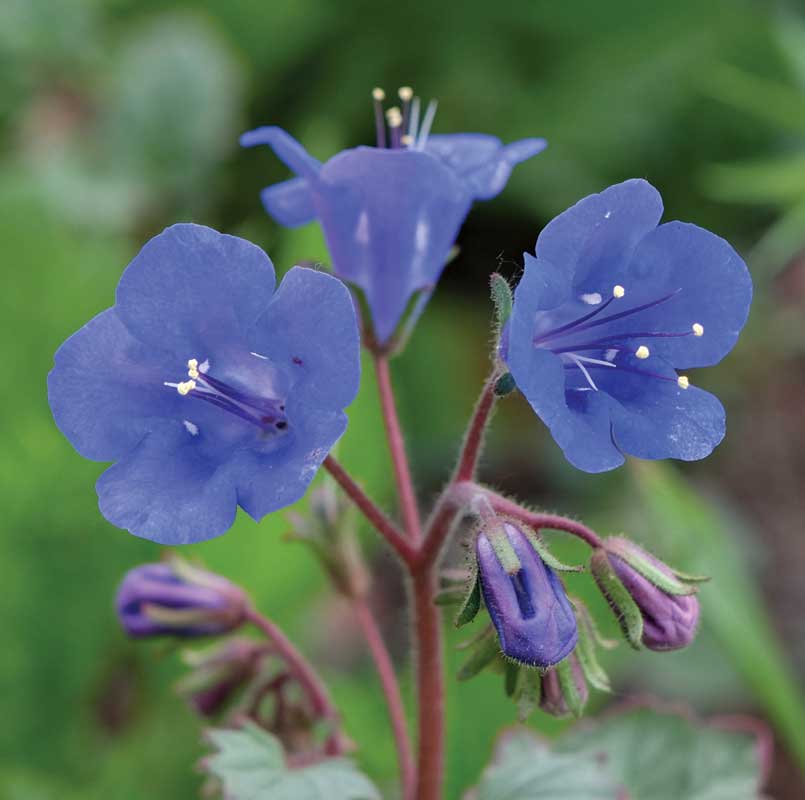
To enjoy a vibrant wildflower display in the spring, sow seeds in fall in a sunny area. Clear the area of rock, and lightly rake the soil surface. Scatter seeds of desert-adapted varieties such as arroyo lupine, California bluebells, desert marigold and Mexican poppy. Re-cover with existing landscape rock, or walk over the area to compress the seed into the soil. Water thoroughly after sowing and continue watering every few days if rainfall is lacking. In spring, you will be rewarded with a colorful, low-maintenance burst of blooms.
HIGH ELEVATIONS
In October, plant spring-flowering bulbs such as tulips, daffodils, hyacinths and crocuses.
Start cool-season vegetables, including spinach, kale, garlic, onions and lettuce. Plant perennials, shrubs and trees now—fall is an excellent time to establish roots before winter. Divide and replant perennials such as daylilies, hostas and iris.
Resist the temptation to cut back summer perennials after the first hard frost. Instead, allow them to remain through the winter, as the dead foliage protects the base of the plant from winter cold and offers insulation for the roots. The seedheads from the dried-up flowers provide cool-season interest and food for birds and other small creatures. Mulch garden beds with straw, shredded leaves or bark to protect plant roots from freezing temperatures.