


Desert Botanical Garden’s Beloved Director Retiring After 25 Years of Growth and Resilience

After nearly a quarter century, the Desert Botanical Garden will have a new leader. Long-time director Ken Schutz will retire at the end of September. Reflecting on his legacy leading one of the Valley’s premier cultural institutions, “probably the one I’m most proud of is the way our profile in the community has changed in the past 25 years,” Schutz says, noting the garden has gone from being “one of the best-kept secrets in Phoenix” to a top attraction.
Schutz, only the 10th person to hold this leadership role, led that change by raising more than $50 million to invest in the garden and attracting blockbuster exhibitions that now garner nearly half a million visitors each year. The garden has undertaken a national search to find Schutz’s successor.
We caught up with Schutz on his time at the garden and what’s next for him.
How Desert Botanical Garden Changed Our Relationship With Plants >>
Q&A With Desert Botanical Garden Director Ken Schutz
How did you know that this was the right time to step away?
People and organizations have life cycles. It just so happened that the garden’s lifecycle and mine synced up.
For me, in the past year, having turned 70, having reached almost the 25th year mark, and also having a health scare—I’m in remission now but have been battling prostate cancer—all of those things combined came at the right time as well.
As you look back on nearly a quarter century of leadership, are there things you are most proud of?
There are several. The garden’s mission falls into four areas—research, conservation, education and exhibition. I think we moved the garden forward on each of those four core pillars.
The one I’m most proud of is the way our profile in the community has changed in the past 25 years. When I interviewed, one of the comments the search committee made was that the garden was one of the best-kept secrets in Phoenix. The challenge was to tell the garden story while also focusing on the visitor experience, plant care, horticultural excellence, science and conservation activities. We’re no longer the best-kept secret. I’m very proud that for two years in a row, we’ve been Trip Advisor’s No. 1 attraction in Phoenix.
It’s important to me that in addition to our science, conservation and education work, we changed our stature as a tourist destination, as a cultural organization.
In the area of conservation, we created the Central Arizona Conservation Alliance Valley-wide, which to first stabilized and then restored the mountain park systems.
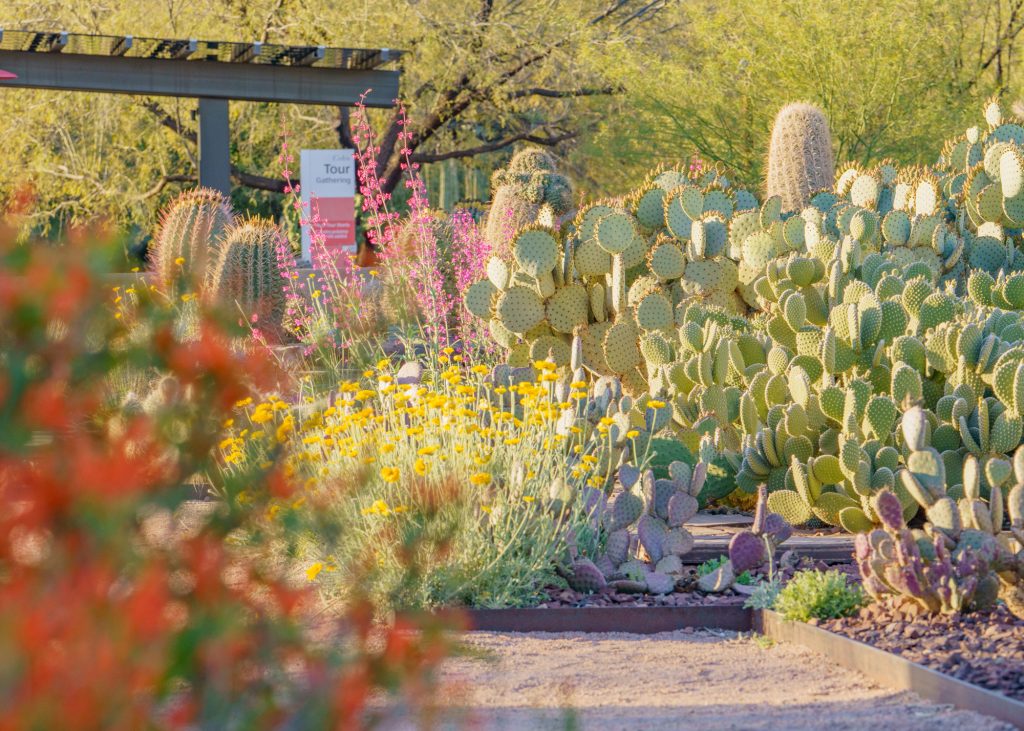
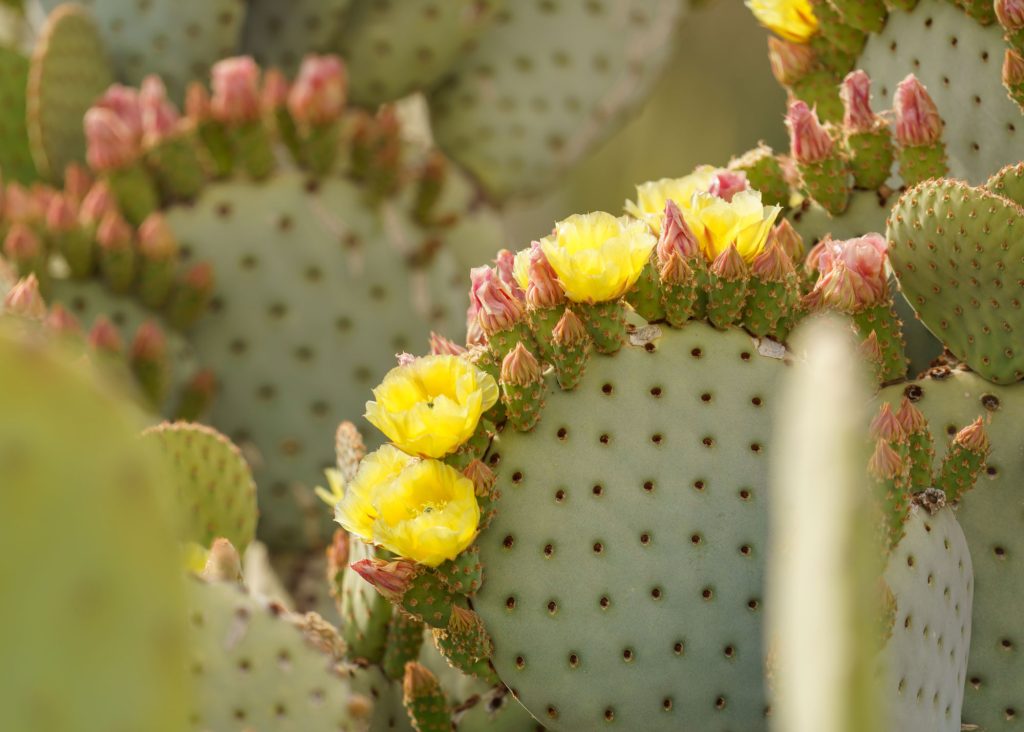
In terms of science and research, I think the garden is Noah’s Ark for cactus and agave species. There are probably 2,000 cacti in the world and 2,000 kinds of agave; we’re 75% of the way to filling the ark. In some cases, their last chance of survival resides here, and that’s something that we built—the size of the collection and the number of breeding populations we have increased dramatically.
The new horticulture facility is something that we’re especially proud of, which we all accomplished together.
Desert Botanical Garden’s New Science Facility is Like a Modern Stonehenge >>
With education, we had a rough time, as most museums did during COVID. We welcomed guests to the facility, especially students, and had to mothball some programs, but we’re bringing those back online. We have very rich plans, the first step of which is to create a new C-suite level position that will report directly to me and the new director, called the chief learning officer. That’s a challenge and a joy that the next director will have.
During your tenure, you saw challenges that were often out of your control. What were some of those experiences that you all navigated, and that you feel the garden was better for on the other side?
There were three, actually, and each started with adversity and required nimbleness, but we did come out stronger.
The first one, just a few months back when I got here, was 9/11. Our group, then and now, is equally tourism and local guests. Losing tourists, on top of the national tragedy, was a scary proposition, but we were able to pivot to becoming a destination for staycationers. We began advertising that the garden is here, that we had just opened the butterfly facilities, and that it was a great place to spend the day. We more than compensated for the business we lost.
The next was the 2008 financial crisis. That was the first year we had our Dale Chihuly exhibit. That required a big investment in art. We opened in November, the markets crashed in October. We earned back the investment we made in Chihuly, and it turned out to be a successful run.
In the public garden world, for the most part, COVID drove business to gardens around the country. We closed the first spring and slowly reopened in the summer, and then we reopened fully in the fall of 2020. Our motto was safety first, bottom line second. We were able to keep our staff, our volunteers and guests safe. We were also able to provide an outdoor experience for people who were stuck indoors and going stir crazy. Like many other gardens, we had a good year. As it turned out, we were nimble and turned an awful situation into a new operating model.
As the search gets underway for your successor, what is most prescient for the person who takes over this role?
I think that there aren’t any problems that need to be fixed before the garden can move on, so we’re not looking for a problem solver. The garden is looking for someone who can take the legacy that we’ve had in our first 85 years, envision what the next 10, 20 years could be like, move us along on those four pillars—becoming more prominent in education on the national level, conservation and research are crucial, and the situation is ever more dire with loss of biodiversity and climate change.
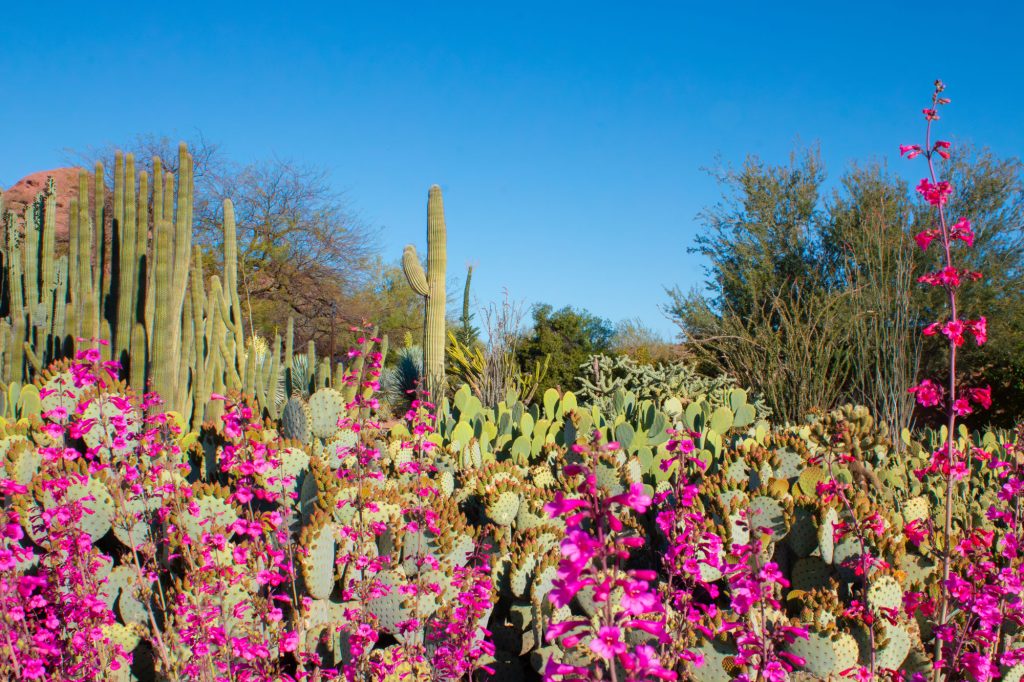
We always strive to make the visitor experience new and fresh each year, so we need someone who can feed the garden with the next Chihuly, that blockbuster.
The biggest challenge will be the effect of climate change on the plant collection, on ourselves as living beings in the desert and our water systems, electricity and clean air.
What does the future hold for you as you look forward to retirement in September?
My husband, Craig, is retired. We have three children and five grandchildren. Two of our kids are living just outside New York City, and the other is in Boulder, Colorado, so Arizona will still be home, but we’re going to become snowbirds.
There are organizations in the community apart from the garden that I’m interested in. I might pursue a non-paid relationship with some of those.
Where would you like to volunteer—organizations that have ties to the garden or otherwise?
As a courtesy to my successor, I will step back from the garden and museum world. When the time is right, in a year or two, I might become a volunteer at the garden.
For more information, go to dbg.org