


Behind the Royal Palms: How a Landscape Designer Brought the Once-Faded Phoenix Jewel Back to Splendor

Landscape renovations completed almost three decades ago have matured to create a regal backdrop that accentuates the Royal Palms’ historical grandeur.
By Douglas C. Towne | Photography by Kevin Kaminski
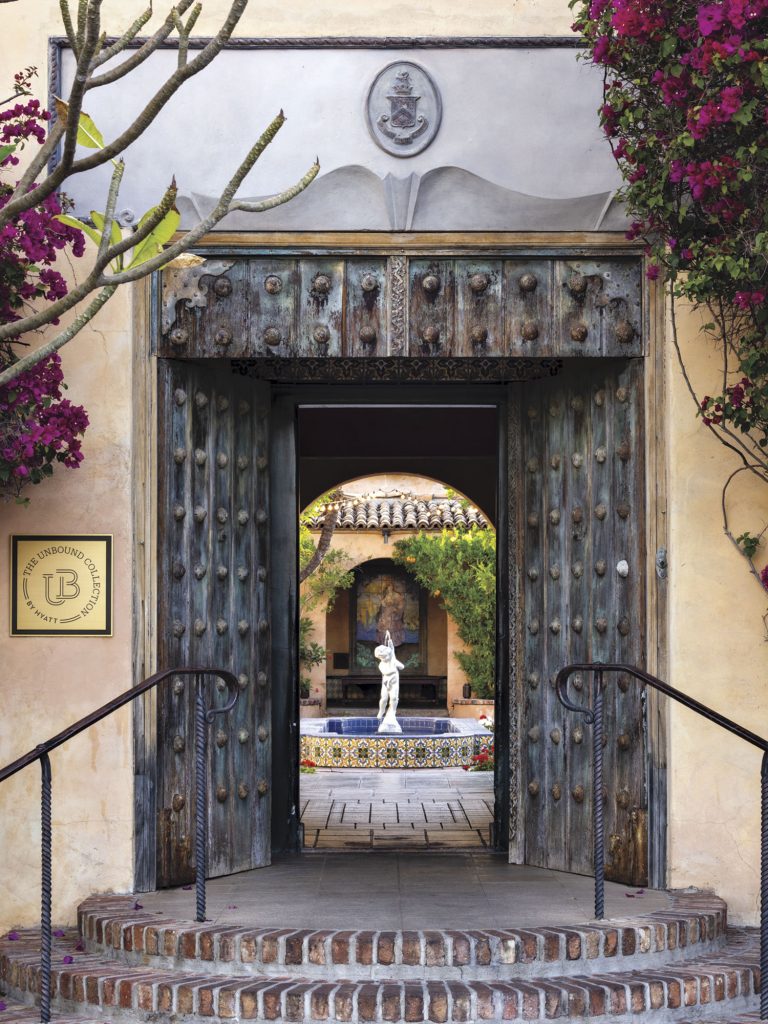
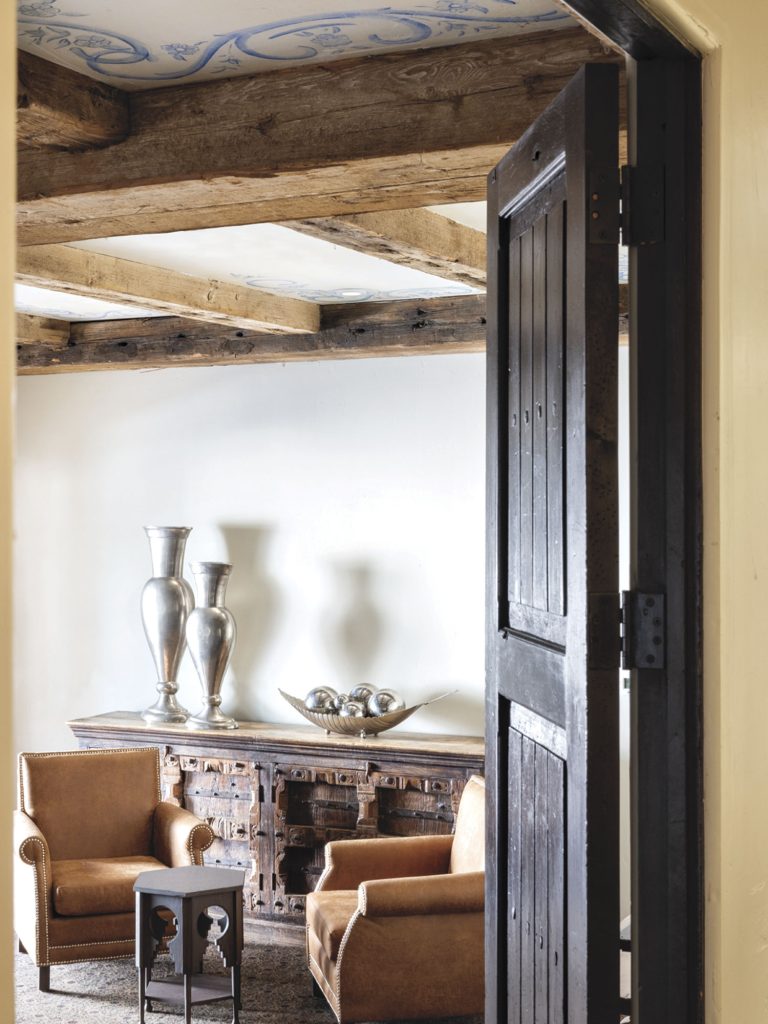
Greg Trutza smiles as visitors to Royal Palms Resort and Spa stop in awe as they pass through carved mahogany doors with a rich gray patina to behold what lies within. “My favorite part of the resort’s gardens is the experience of being transported to another age, the wondrous Alhambra in Granada during the eighth century, once one enters the main courtyard,” says the landscape architect. “The magic of the resort is that it currently looks as though it existed in this magnificent form from its inception.”
While beloved facets of the Royal Palms were indeed created 95 years ago in a Spanish Colonial Revival style, Trutza’s vision has brought a faded Phoenix jewel back to splendor. The resort, nestled against the south slope of Camelback Mountain, was in a sorrowful state when Trutza was approached to do a landscape design and oversee its renovation in 1995.
“The old hotel was in such ruins that even cacti were growing out of the rain gutters in the courtyard,” Trutza says. “The existing landscape was completely dilapidated and looked abandoned. The trees, palms and shrubs were in basic survival mode, and most of the growth had become entangled and overgrown.”
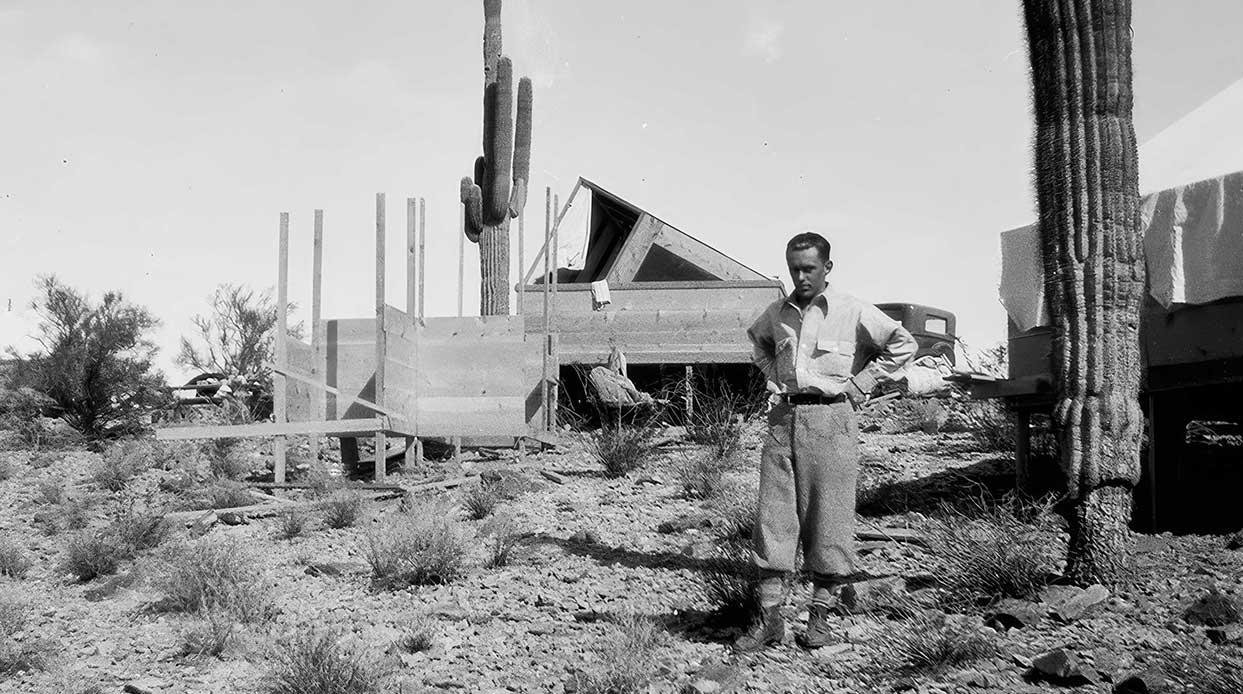
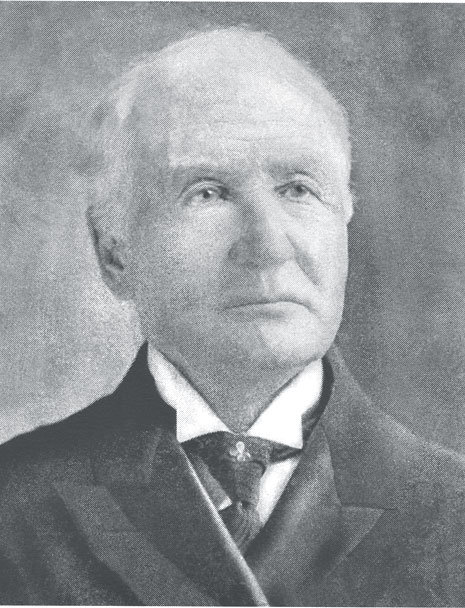
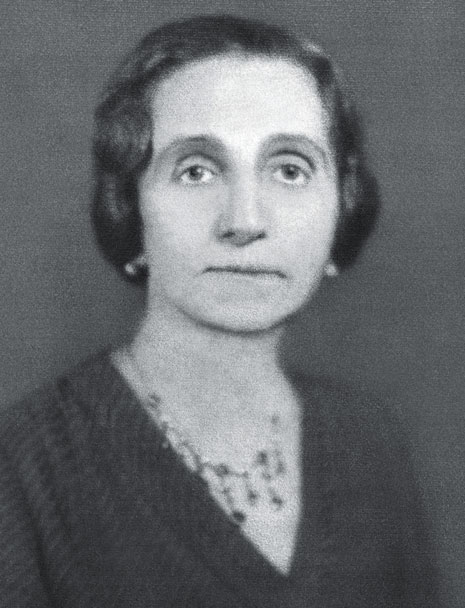
The tattered condition of the Royal Palms would have broken the heart of its creator, New York financier Delos Willard Cooke. In 1929, he had a 3,500-square-foot retreat called El Vernadero, or “winter haven,” constructed on 65 acres, hoping the mild winters would help the health of his wife, Florence. Ironically, Delos Cooke died two years later at the age of 66.
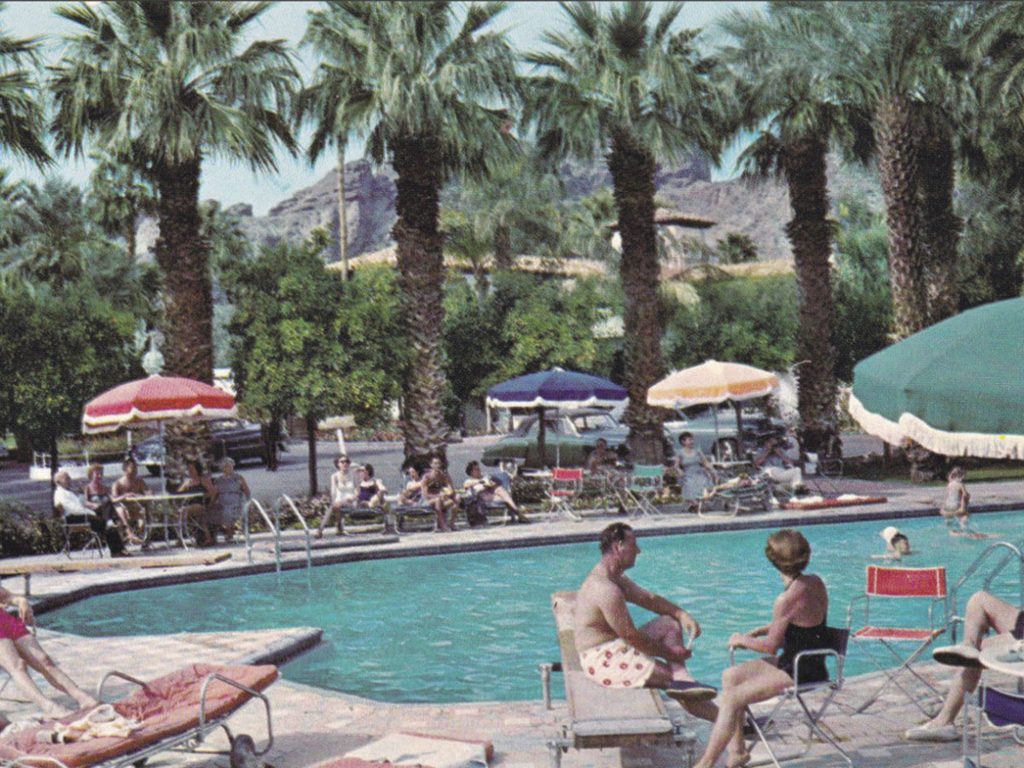
Several owners later, in 1948, the Royal Palms Inn opened with the Cooke’s former estate as its centerpiece. At the time, it included amenities such as a horse stable, a nine-hole golf course, and a heart-shaped swimming pool. For decades, the resort was a beloved retreat during an era when luxurious monthlong stays by guests
were common.
By the 1990s, however, the Royal Palms looked less than regal, and redevelopment into high-end homes was a distinct possibility. Fred and Jennifer Unger, who owned The Hermosa Inn, purchased the historic property and preserved Cooke’s residence. They transformed other buildings to emulate the Spanish Colonial Revival style and sought Trutza to reinvigorate the grounds.
“What is fascinating to me is that the original hotel had a very small footprint, with some basic rooms added in linear rows to the property as it was converted to a resort,” Trutza says. “It was mostly lawns, open desert, citrus groves and an allée of California fan palms framing the main drive.”
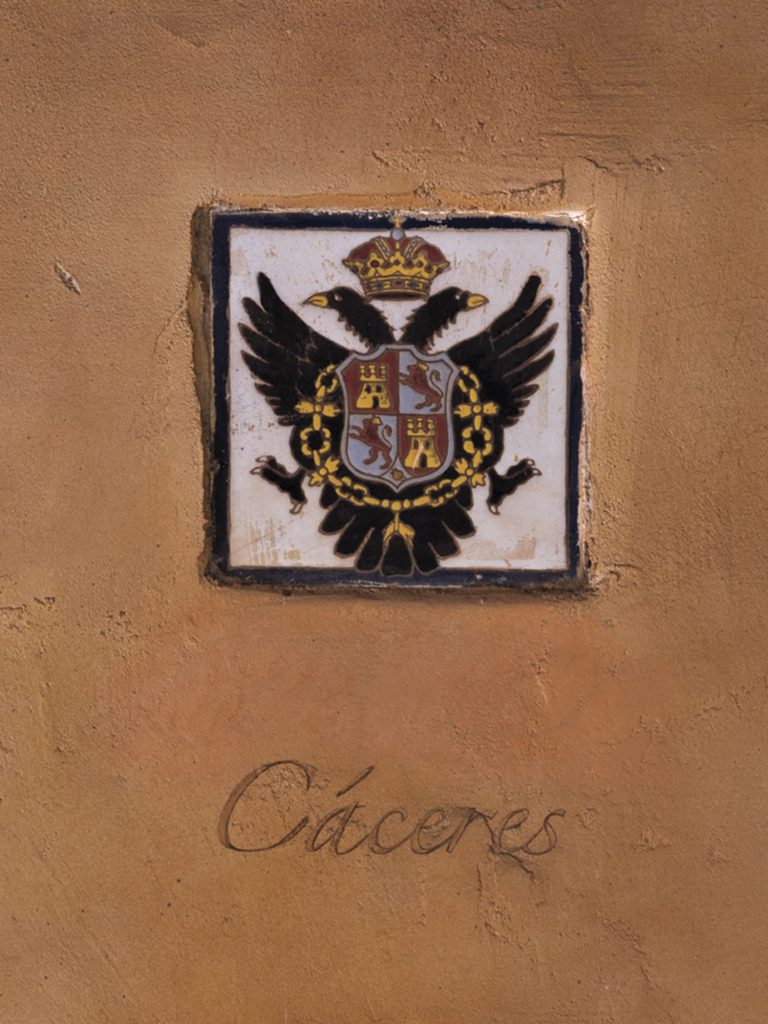
Trutza developed plans for the restaurant and entertaining areas, the wedding gardens, and the ballroom reflecting pool. Paths meander through this labyrinth to different settings, many with secluded nooks to enjoy the resort’s tranquility. But Trutza’s showpiece was reinvigorating the central courtyard that included iconic features, such as the “Lady of Spain” tiled mural, a wall fireplace with citrus-inspired tiles and a fountain that was beyond repair.
“It was important to design the new fountain as the centerpiece of the courtyard so that it would resonate with the image of the original,” Trutza says. “I loved the concept of using a lead fountain centerpiece and located a reproduction of ‘Pike Boy,’ the original of which is at the Palazzo Vecchio in Florence, Italy.”
Other hardscape additions include historic brick from Denver used as garden walkways and reclaimed Adoquin and granite pavers from Mexican haciendas repurposed for driveways and courtyards. “Special faux finishes and integral color mixed into the stucco have allowed the resort to age gracefully as a richer patina and subtleties in the colors become more authentic with each passing year,” Trutza says. “Even the perimeter walls facing the street were newly added and still appear inherent to the original hotel.”
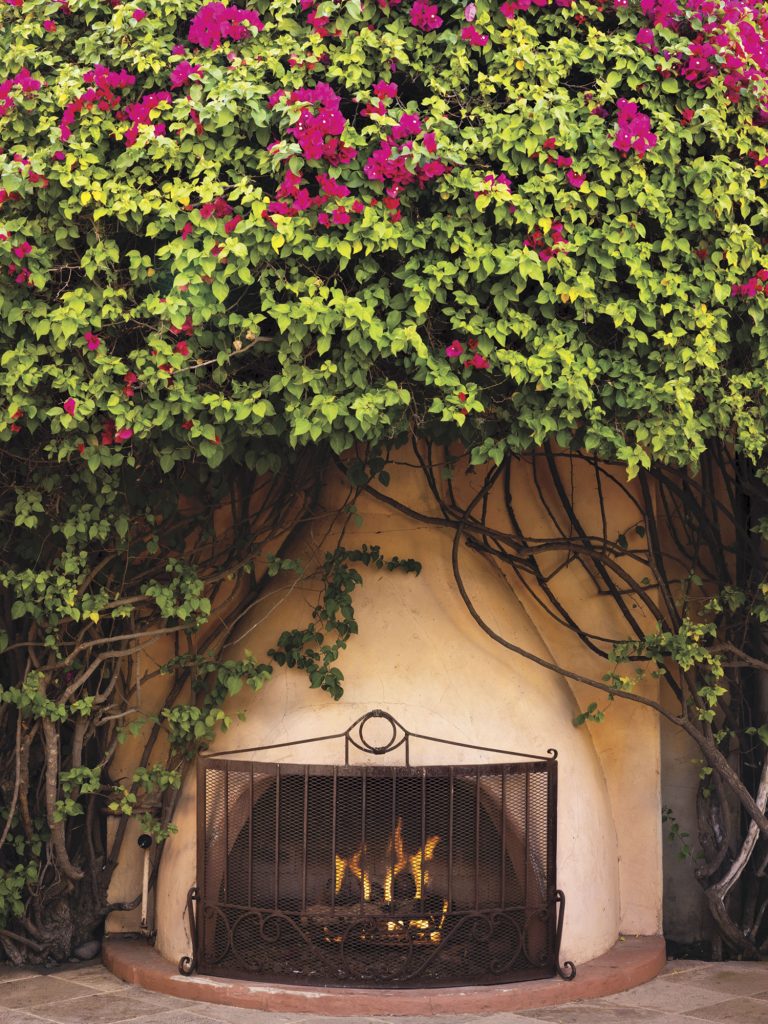
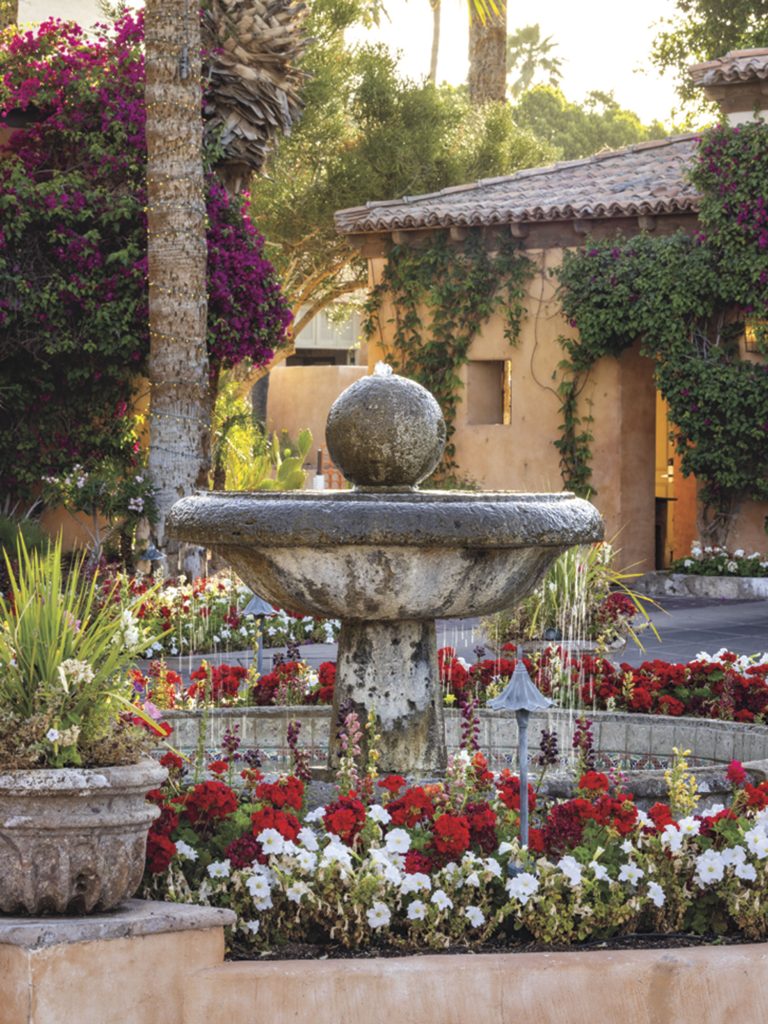
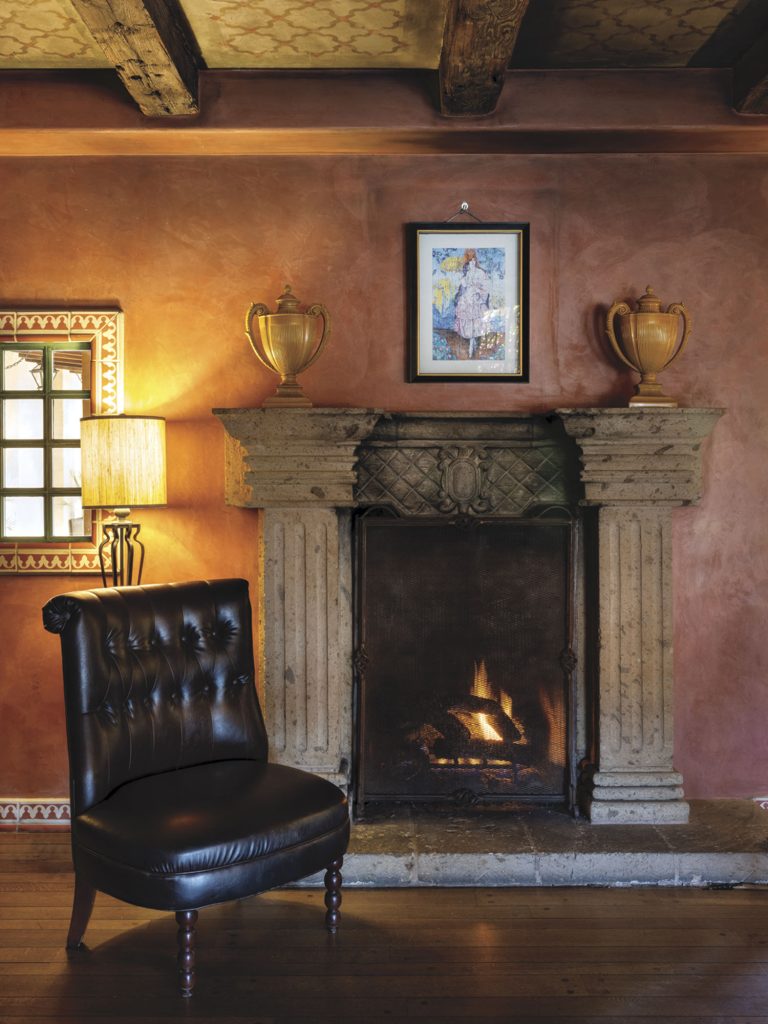
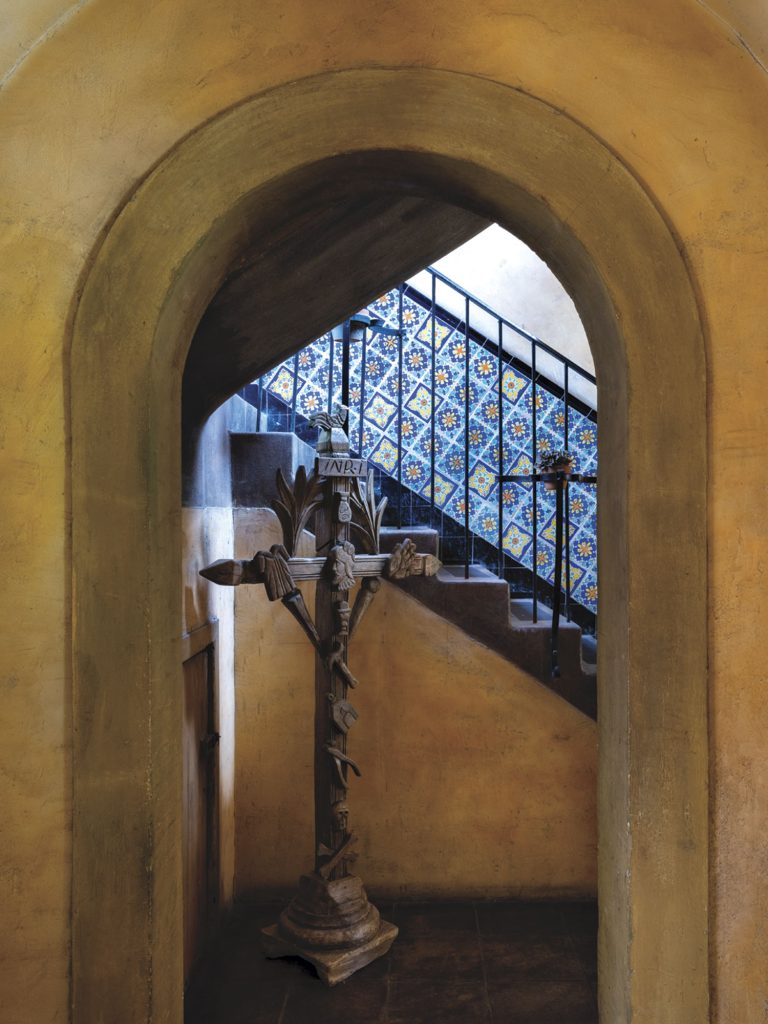
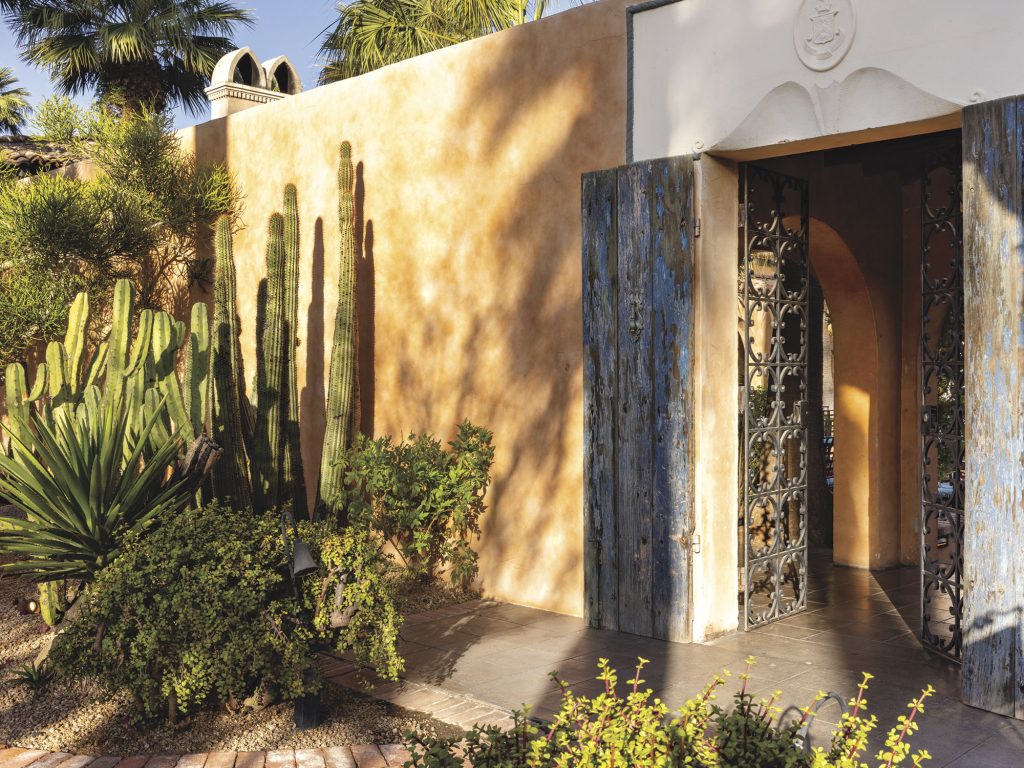
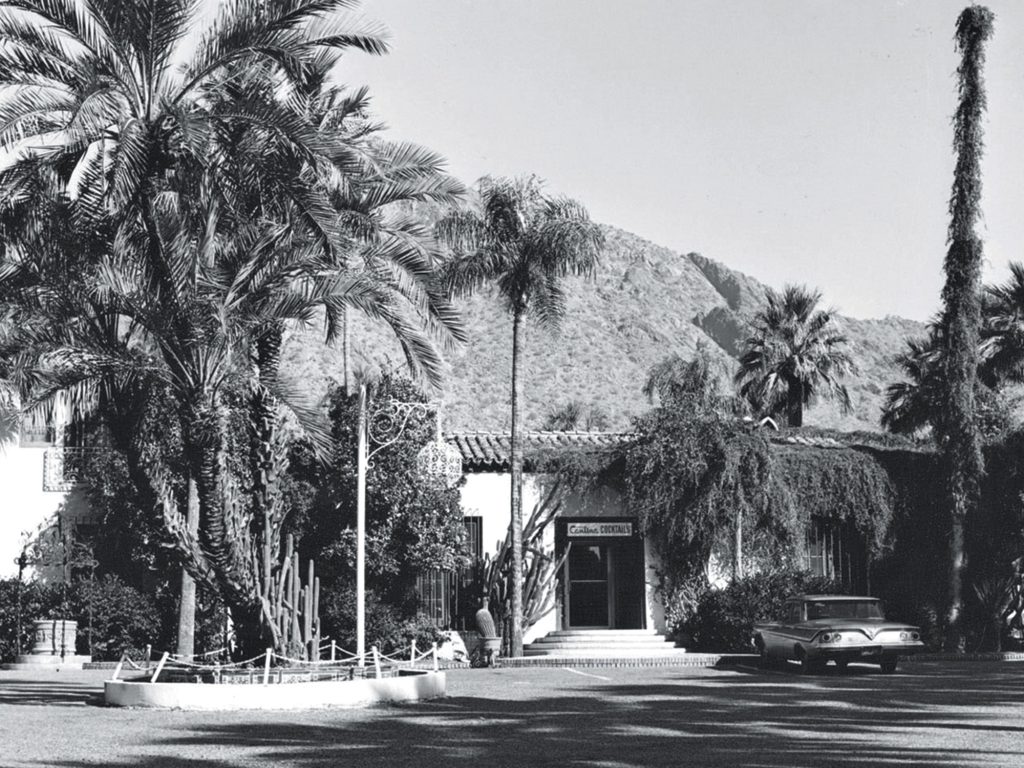
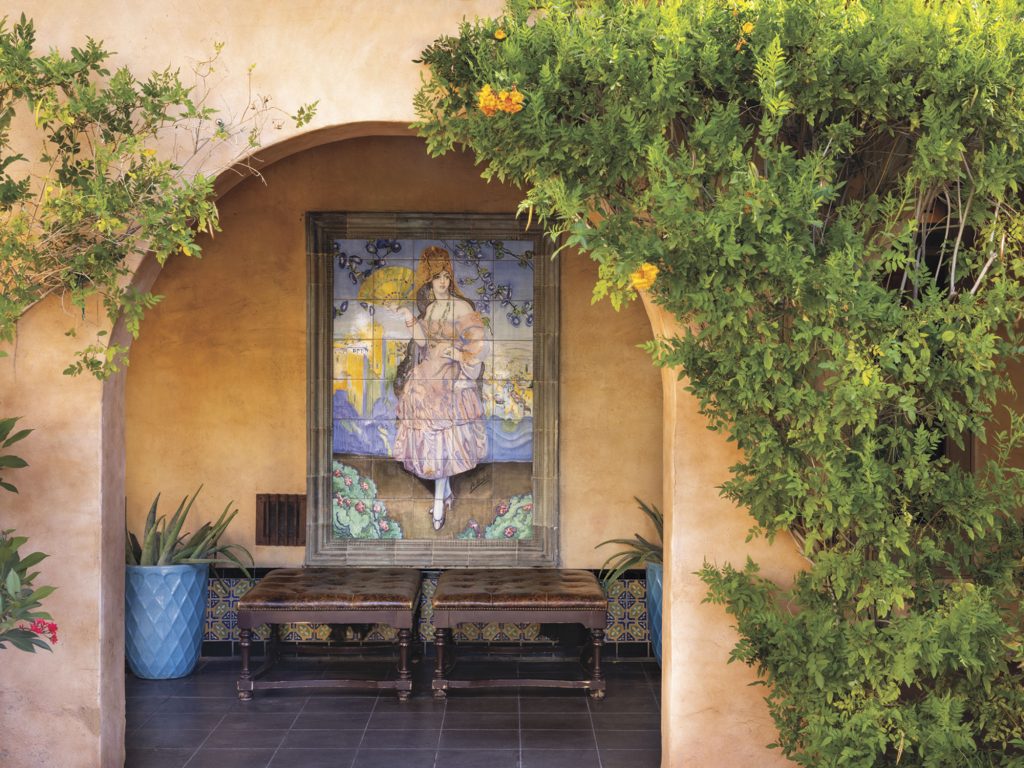
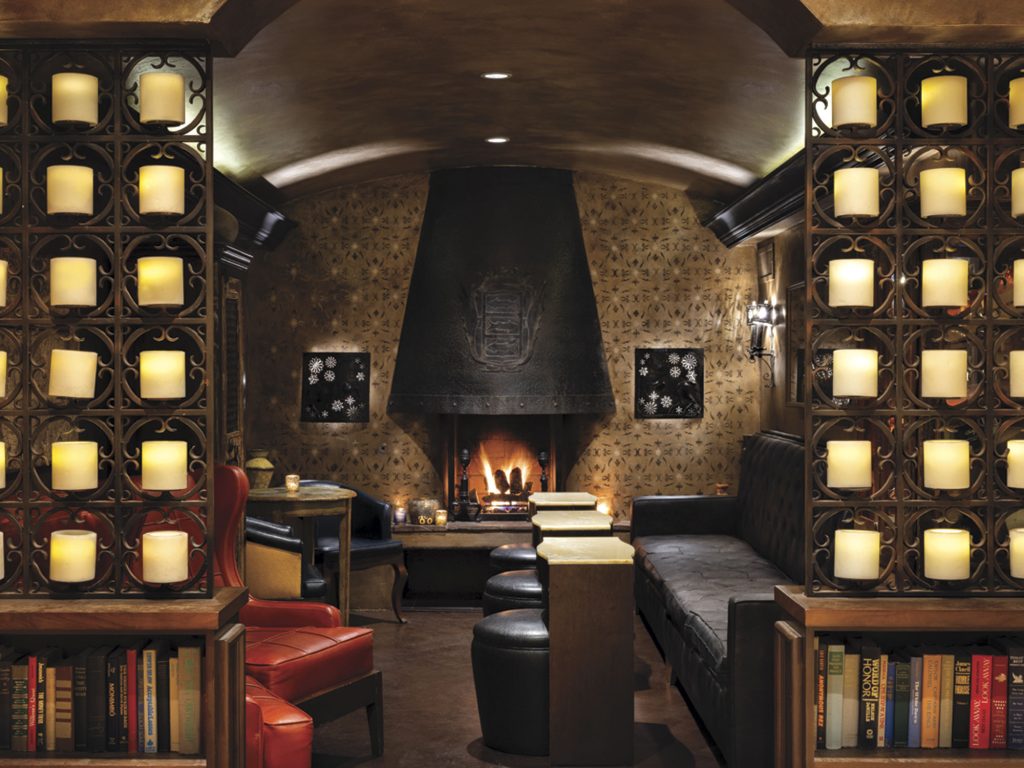
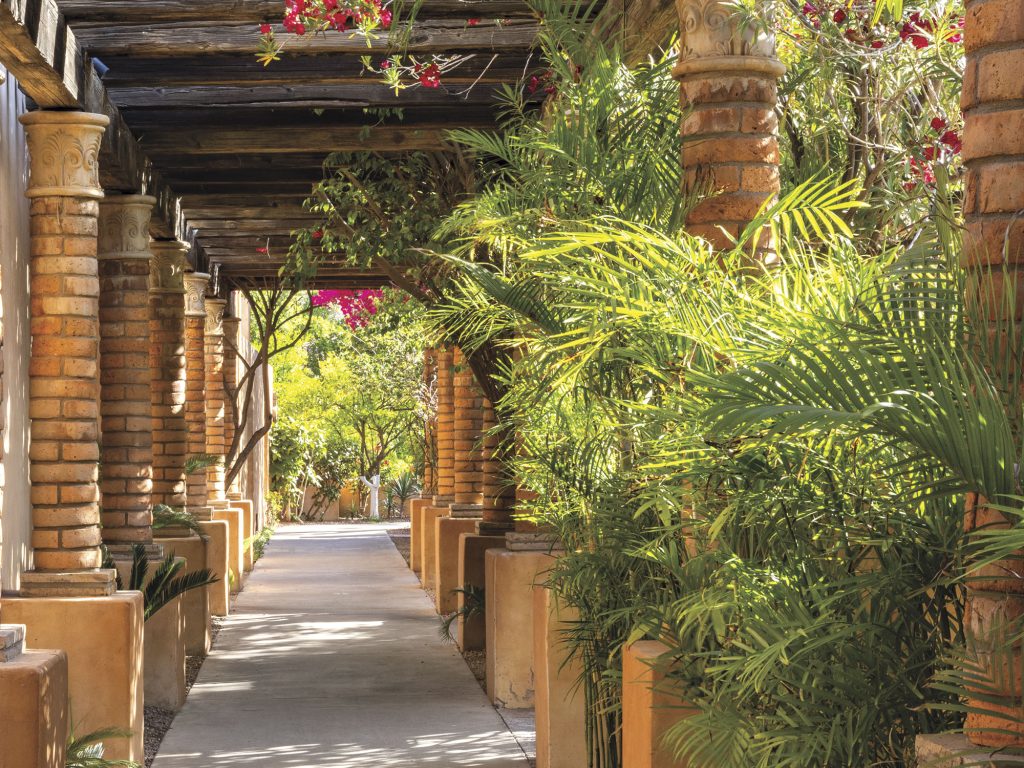
Trutza conducted a plant salvage inventory and tried to incorporate unique specimens such as Yew pines and multitrunk date palms into the new hotel layout. “The great advantage of the resort’s location is the microclimate created by the proximity of Camelback Mountain and the many wall enclosures,” Trutza says. “Tropical specimens thrive better here than in most areas of the Valley, ensuring the mystique of the place.” These include fragrant frangipanis, expansive Indian laurel fig trees and elegant lady palms. Fruit trees, from mango to citrus, also thrive, and their bounty is harvested for use in the resort’s two restaurants and the Mix Up Bar + Lounge.
For Arizona state historian Marshall Trimble, the resort is a special place to step back to when Phoenix was a young city and the sweet aroma of citrus blossoms hung in the air at night. “I’ve spent many a night at the Royal Palms imagining that I was in “The Great Gatsby” wining and dining a winsome lass named Daisy Buchanan,” he says.
Sources
Royal Palms Resort and Spa, Scottsdale, royalpalmshotel.com. Landscape architect: Greg Trutza, ASLA, New Directions in Landscape Architecture Inc., Phoenix, gregtrutza.com.