



Interior Design
Bathing Beauty
A collection of stylish accents to dress your bath or powder to the nines.
High Drama
Interior designer James McIntyre maximizes a small footprint with big theatricality.
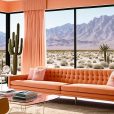
Midcentury Marvelous
A collection of our favorite furnishings that evoke the enduring style of the mid-20th century.
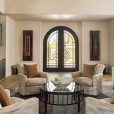
Encore Performance
After more than two decades, interior designer Angelica Henry returns to refresh her first residential project.
3 Questions on Interior Design
This issue, three of the Valley’s top creatives tackle your questions about interior design dilemmas.
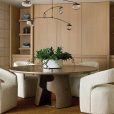
Serene Sanctuary
Interior designer Anita Lang shares her wisdom on the importance of aging in place beautifully.
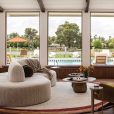
70’s Southwest Soul
A re-imagining of a Paradise Valley home celebrates the best of the decade in which it was built.

Is it Better to Remodel a Home in Phases or All at Once? 3 Common Design Questions Answered
Your architecture, building, interior design and landscape questions answered by Valley pros