


Why Native American Trade Blankets are Rare, Beautiful Works of Art

Barry Friedman recounts how he came to be the foremost authority on Native American trade blankets.
The cramped interior of Barry Friedman’s Phoenix home looks like a cross between the Heard Museum and the Brass Armadillo Antique Mall.
Every inch of space is covered with displays of pottery, antique radios, petrified wood, children’s kites from the ’50s and, of course, hundreds of vintage Native American trade blankets, stacked high on tables and floors, with some rare pieces displayed on a rack behind a couch in his cluttered living room. Friedman refers to this aesthetic as “organized hoarding.”
Formerly a Hollywood comedy writer, Friedman once crafted jokes for Richard Lewis, Arsenio Hall, Johnny Carson, Rodney Dangerfield and Phyllis Diller, among others.
But about 20 years ago, the Ohio native gave it all up and moved back to his adopted hometown of Phoenix to pursue his other passion: wool Native American trade blankets, sometimes referred to as “Pendletons,” named after Pendleton Woolen Mills in Pendleton, Oregon, which has been designing and manufacturing blankets for Native American tribes since the 1890s. Other mills manufactured such blankets, but only Pendleton has survived to the present day.

“I was collecting in the late ’60s,” Friedman explains. “As far as I knew, there wasn’t another collector on Earth. People would ask, ‘What are you buying those things for?’ I said, ‘I like them.’ The first one I ever bought cost 85 cents.”
Handmade Navajo textiles are world-renowned and expensive—far beyond the reach of a struggling college kid, which Friedman was at the time. He thought the trade blankets were simply “cool,” and at under $1, they were in his price range.
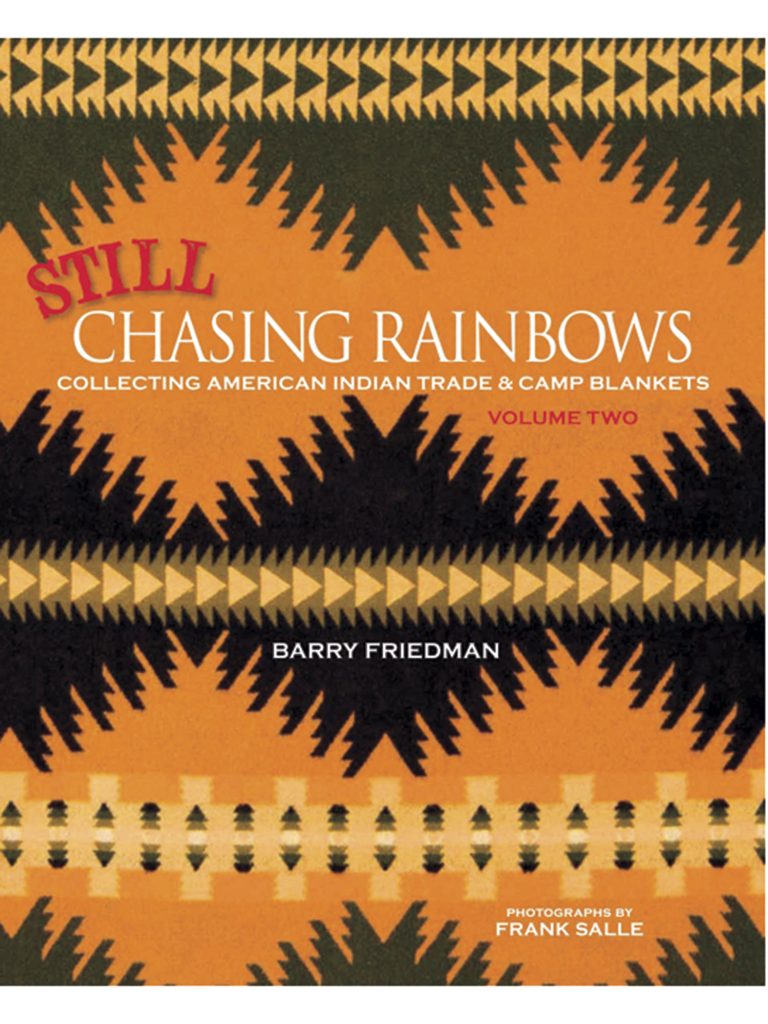
Fast forward 50 years, and Friedman is considered by many to be the foremost authority on antique trade blankets, having written two books on the subject, 2003’s “Chasing Rainbows” and its 2014 sequel, “Still Chasing Rainbows.” And he’s lectured at prominent museums, including the Baltimore Museum of Art, the Heard Museum in Phoenix and the National Cowboy and Western Heritage Museum in Oklahoma City.
No wonder he likes to call himself “blanket boy.”
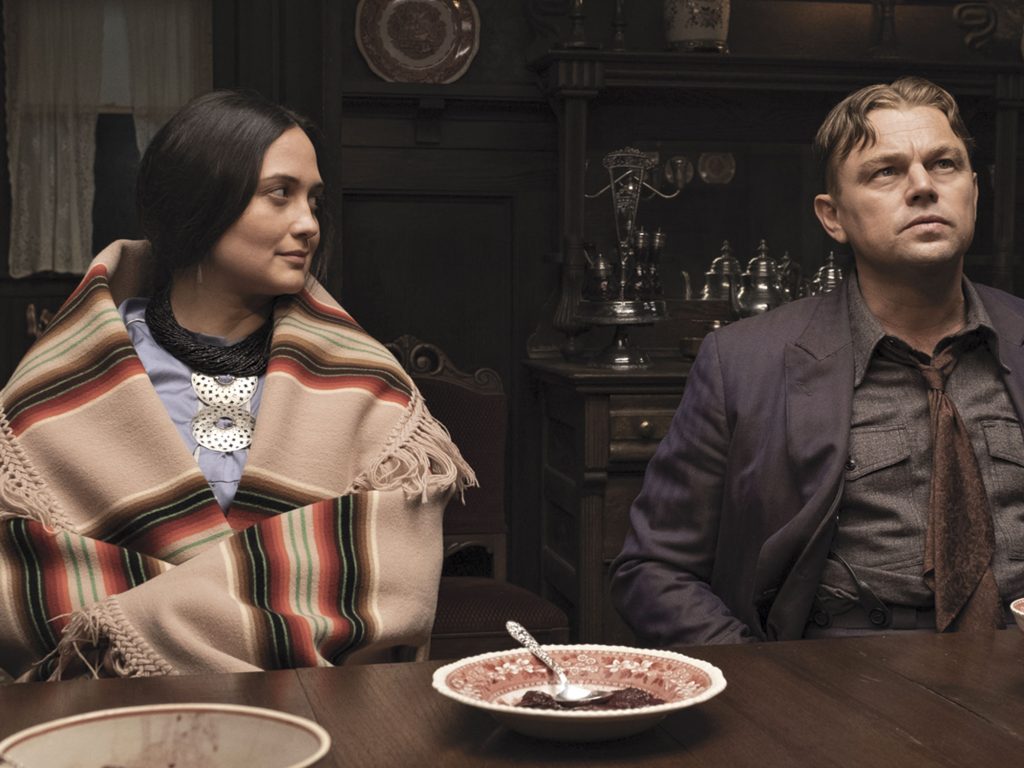
Among his customers, Friedman counts Ralph Lauren, glass sculptor Dale Chihuly, novelist Thomas Pynchon, and now, Martin Scorsese, whose production company bought about 60 trade blankets from Friedman for the recent film “Killers of the Flower Moon,” starring Lily Gladstone, Leonardo DiCaprio and Robert De Niro.
The film takes place in the 1920s on Oklahoma’s Osage Indian Reservation (now known as the Osage Nation), where oil was discovered in 1896, making the Osage people the richest on earth at the time. In response, Congress passed a law requiring court-appointed guardians for most Osage on the misguided assumption that the tribe members were not competent enough to manage their own wealth.
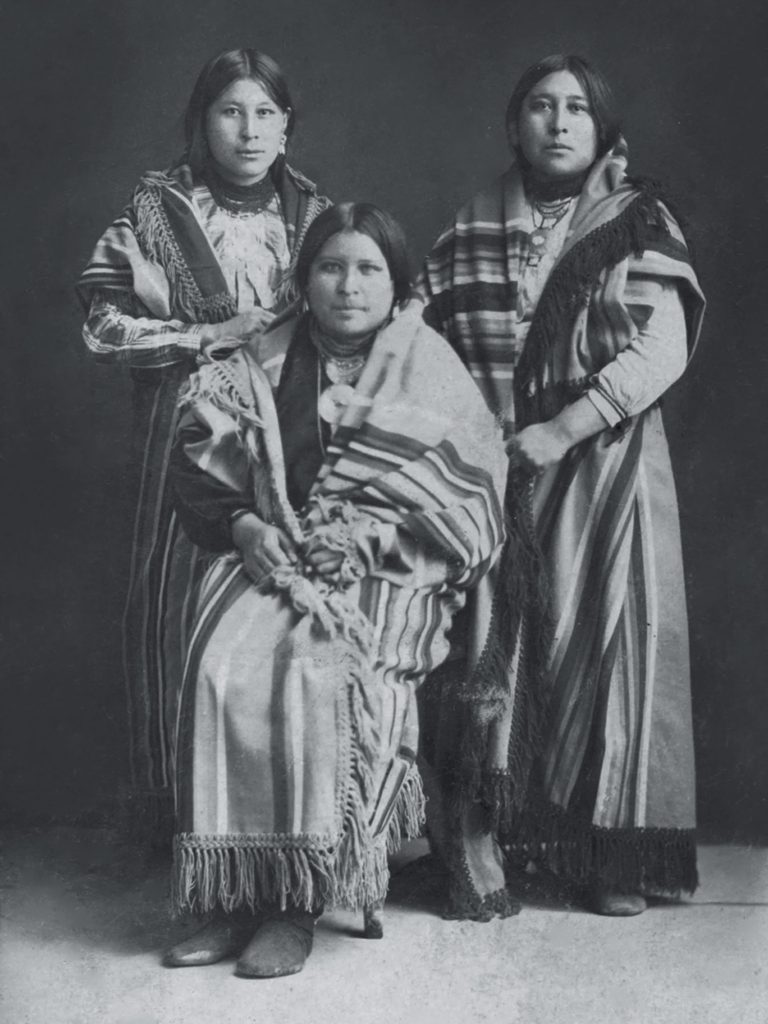
Familiar with the Osage and the Reign of Terror, Friedman was able to sell historically accurate blankets to the film’s costume designer. “There’s going to be a lot of finely striped blankets in the film that almost look like Mexican serapes,” Friedman says. “The Osage women preferred that type of blanket.” Osage men wore more ornate, colorful blankets as robes. Unlike women’s shawls, the men’s robes are fringeless. The film’s production company also purchased darker-hued blankets, to suit the mood of the film.
“Older blankets have such a soul. They’ve been around for so many years that slowly, everything about them just softens.”
—Linda Robinson , interior designer
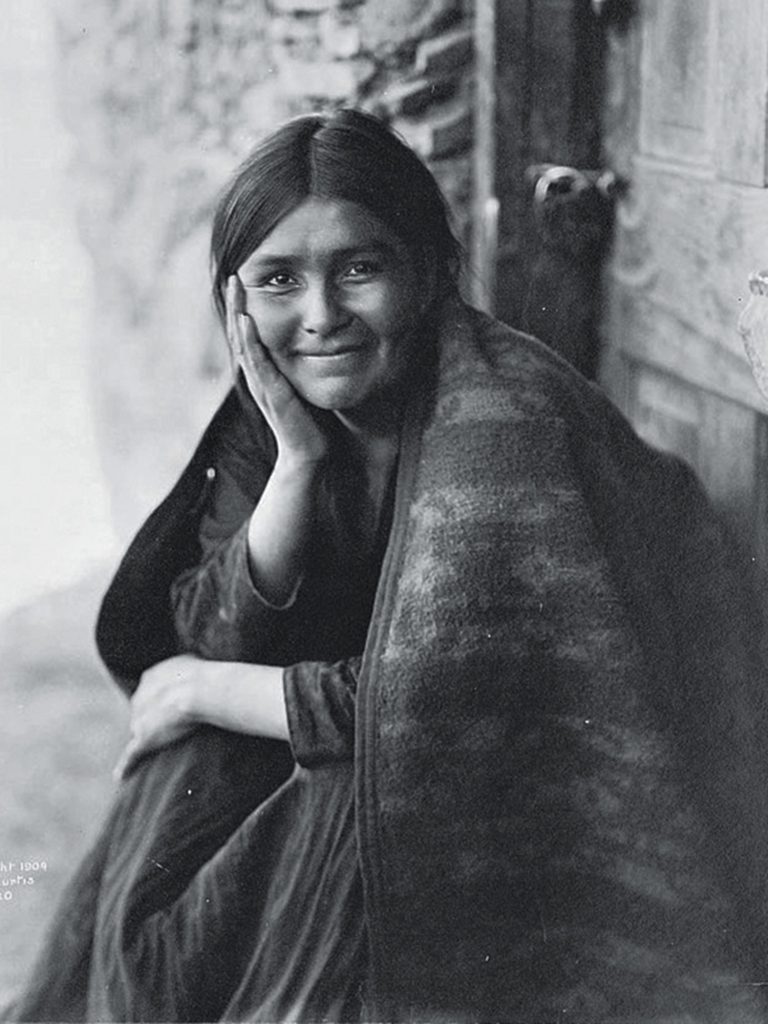
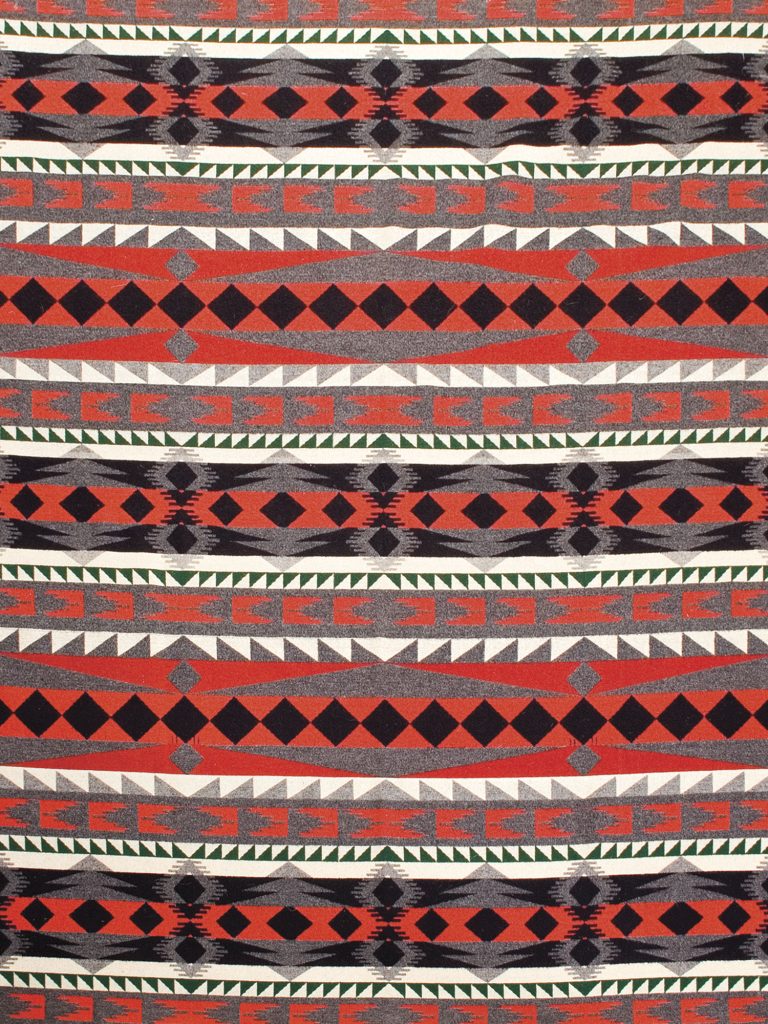
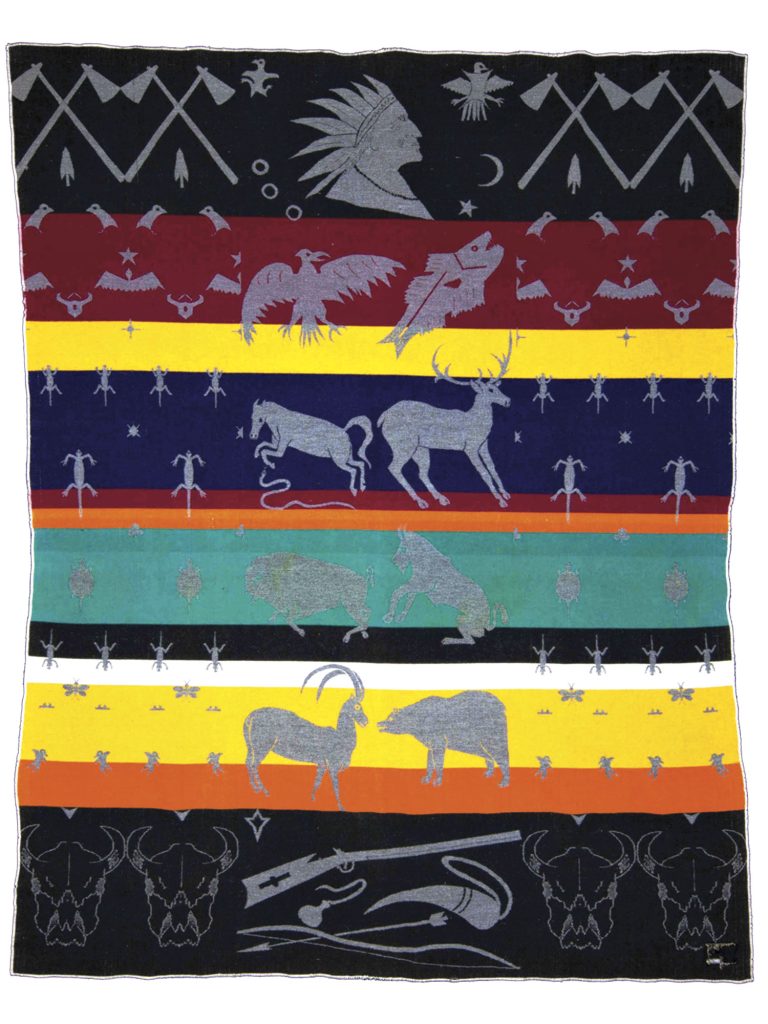
Roberta Conner, a member of the Confederated Tribes of the Umatilla Indian Reservation, near Pendleton, Oregon, is well-versed in trade blankets and Friedman’s work. She directs the Tamástslikt Cultural Institute, a research and history museum located on the Confederated Tribes’ reservation.
During a recent interview, Conner explained that Pendleton blankets are prized by Native Americans, often handed down as heirlooms, given new as gifts and used in weddings, funerals and naming ceremonies. “If you are one of the people who receives a Pendleton blanket at a ceremony, you are an esteemed individual,” Conner says.


Pendleton is not Native-owned, which raises the touchy issue of cultural appropriation. According to Friedman, early blanket designs by Pendleton were simply geometric without overt borrowing of tribal symbolism. After the end of the Native American wars, trade blankets were marketed to different tribes via federally sanctioned trading posts.
Salesmen for trade blanket companies catered to the preferences of their customers, says Conner. As a result, the designs and colors were Native-influenced and beloved by American Indians. “I can’t speak for all tribes,” she says. “But there’s never been anything crossing a boundary that our elders have pointed out to me.” Conner adds that over the last 25 years, the Tamástslikt Cultural Institute has collaborated with Pendleton Woolen Mills on about 18 designs sold exclusively through the institute’s store.
Interior designer Linda Robinson explains that the blankets have an enduring appeal and can be used in contemporary design. “An old blanket can be just as beautiful as a great abstract painting in a contemporary interior, filling the same wall space, but for considerably less money,” she says, adding that the blankets also look beautiful thrown over a bed, in place of a bed cover quilt and matching shams. And if a blanket is damaged, it can be repurposed as pillows or upholstery on a chair.
Robinson prefers antique blankets over new ones. “Older blankets have such a soul,” she says. “They’ve been around for so many years that slowly, everything about them just softens, like a beautiful old piece of wood.”
Friedman retains the wit of a comedy writer in person—and on the page. Take his caption for a photo of sheep: “Fleece Navidad.” Or this cheeky one-liner for a colorful orange, black and green blanket: “Bold and beautiful, but enough about me.” Then there’s his advice to those buying his book, from the cover: “So, if you don’t own a coffee table, purchase a very good one to display your treasured copy of ‘Still Chasing Rainbows.’ What you want is hardwood. Cherry would be nice.”
Barry Friedman, aka, “Blanket Boy,” shares his knowledge on purchasing and caring for authentic Indian trade blankets.
PRICE RANGE New Pendleton blankets: $289-$529; Antique trade blankets: $500-$10,000. “Antique” trade blankets would be around 100 years old, give or take a few years. Friedman mostly deals in blankets from the 1920s and 1930s.
The price of antique blankets depends on the condition and rarity of design, color and manufacturer. Other mills made these blankets at one time, but Pendleton Woolen Mills is the only surviving manufacturer of woolen trade blankets.
DIMENSIONS Authentic antique trade blankets should measure roughly 5 feet wide by 6 feet long.
CARE Wool blankets shrink when exposed to water. This lessens the value considerably. If you lay a blanket on a flat surface fully opened, the edges will ripple if there is shrinkage. You can pull it in any direction, and it will never lay flat. Look for blankets in pristine condition, without holes or other damage.
STORAGE Never store blankets in plastic. Plastic doesn’t breathe, and over time it affects the stability of the wool. Wrapping them in a clean cotton sheet is preferable. For long-term storage, roll the blankets rather than fold them to avoid permanent fold lines.
NAVAJO TEXTILES Native American trade blankets are different from Navajo-made rugs and other textiles. Trade blankets are factory made. Navajo-made textiles are made by hand. Generally, Navajo-made textiles are more expensive than trade blankets. “At the high end of Navajo textiles, you’re talking about private sales of more than $2 million for a single piece,” says Friedman. Otherwise, collecting one category or both is a matter of preference.
CLEANING Trade blankets must be professionally cleaned by someone who specializes in antique weavings. Do not take them to a dry cleaner.
SOURCES
Barry Friedman, Phoenix, barryfriedmanblankets.com