


What is the Perfect Room Aesthetic for Me? 3 Common Design Questions Answered
Your architecture, building, interior design and landscape questions answered by Valley pros.
Submit your design questions to phgmag.com/ask-the-experts for the chance to be featured.
WOODWORKER AND CUSTOM CABINETRY DESIGNER
Michael Moody, Madley Fine Cabinetry
I love the warmth of wood cabinets, but I’m nervous it might look dated in a few years — like how cherry wood and dark Tuscan finishes fell out of style so quickly. Are there certain woods or finishes that will stand the test of time?
Your concern is well-founded. Cabinetry can either age beautifully or feel out-of-date, depending on the type of wood, finish and its integration into the overall design of your home. The key is to choose materials and tones with a proven history of staying relevant and to avoid finishes that are tied too closely to a specific design movement or decade.
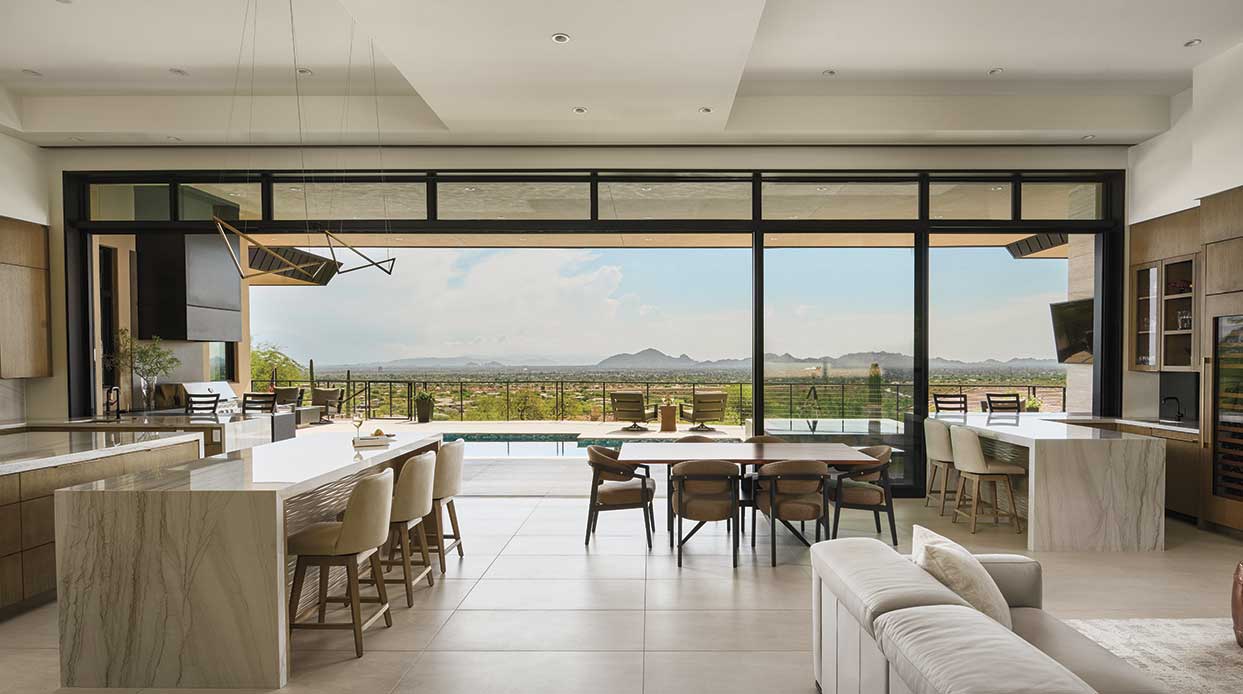
Rift-cut white oak has been a design staple for decades (rift-cut refers to a method of sawing that is perpendicular to the log’s rings, creating a uniform, linear grain pattern). It works in a wide range of styles, from traditional to ultra-modern, and carries a quiet luxury that designers and architects have specified for generations. It does not announce itself as belonging to a particular year or fleeting trend, which is why it remains a reliable choice for long-term appeal.
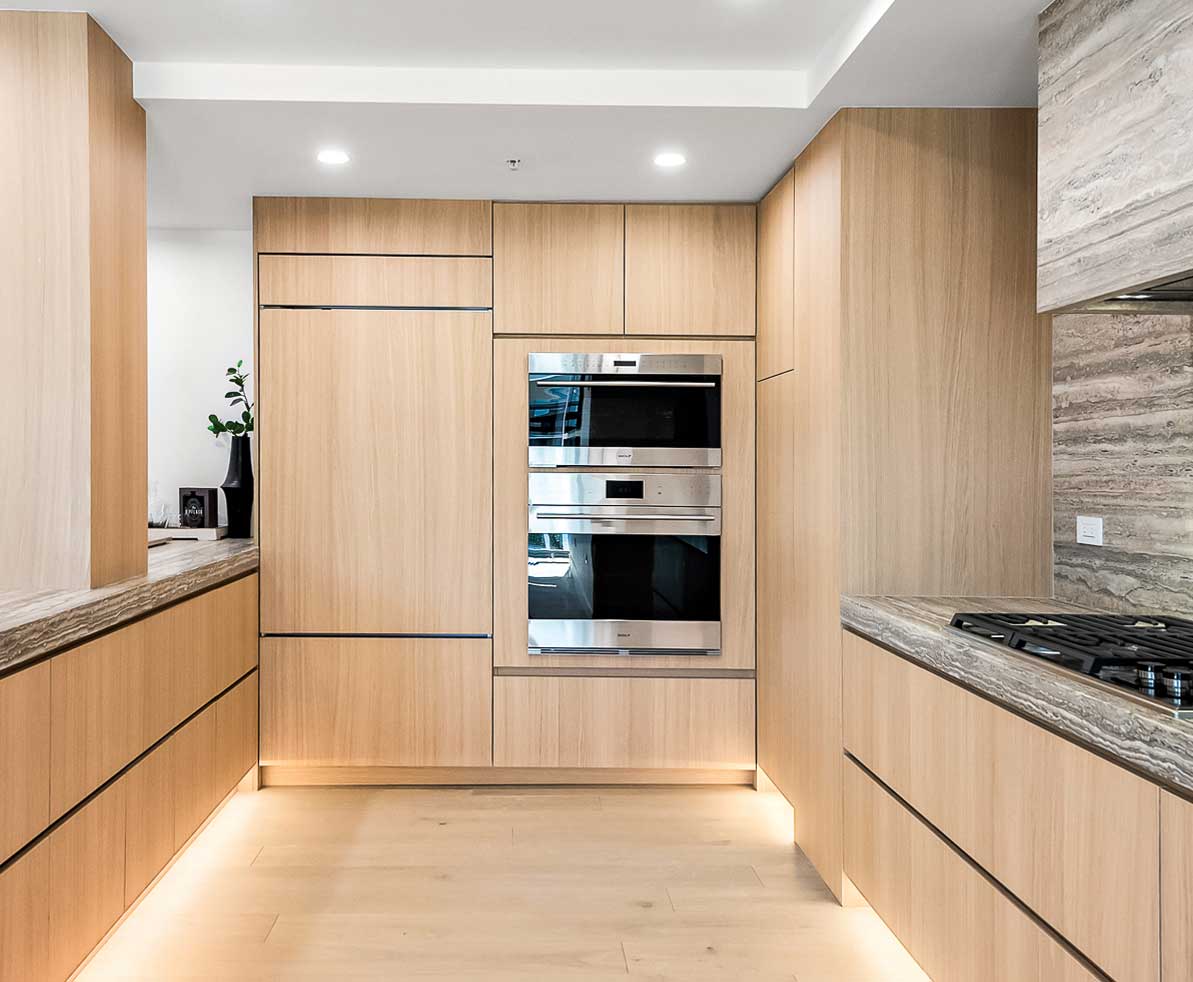
When selecting wood cabinetry with lasting style, opt for neutral, natural finishes that allow the grain to take center stage. Avoid high-gloss coatings or heavy stains that alter the wood’s natural character. If you love the warmth of wood but want flexibility, consider pairing it with painted cabinetry. For example, a rift-cut white oak island in a soft, neutral finish can be complemented by painted perimeter cabinets. In the future, the painted sections can be updated with a new color, while the wood island remains timeless.
A useful rule of thumb when choosing cabinetry is this: If you can find examples of that wood tone used beautifully in kitchens both 20 years ago and in current high-end projects, you can be confident it will age gracefully.
LANDSCAPE DESIGNER
Chad Brower, System Pavers
I’m redoing my patio and keep hearing that pavers are better than concrete—even though concrete may be more affordable. Which is better and why?
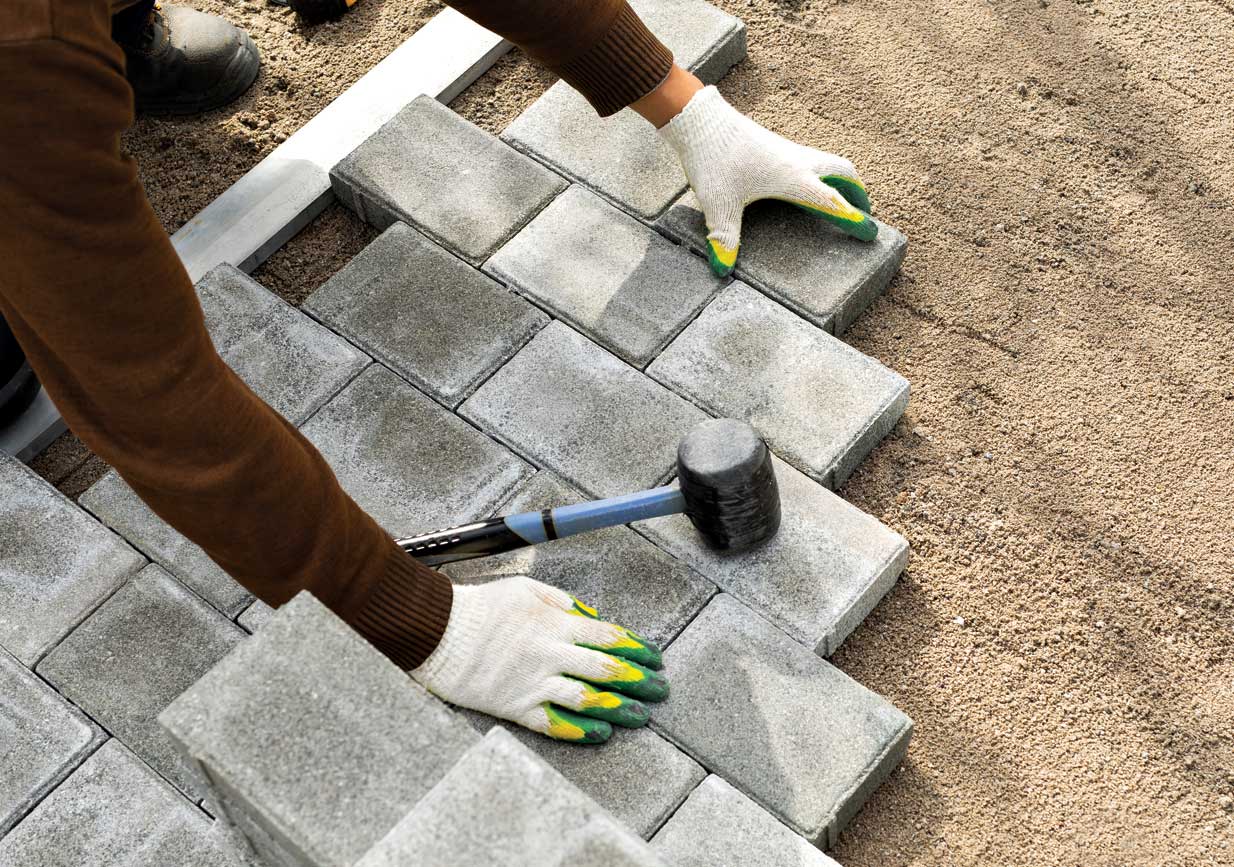
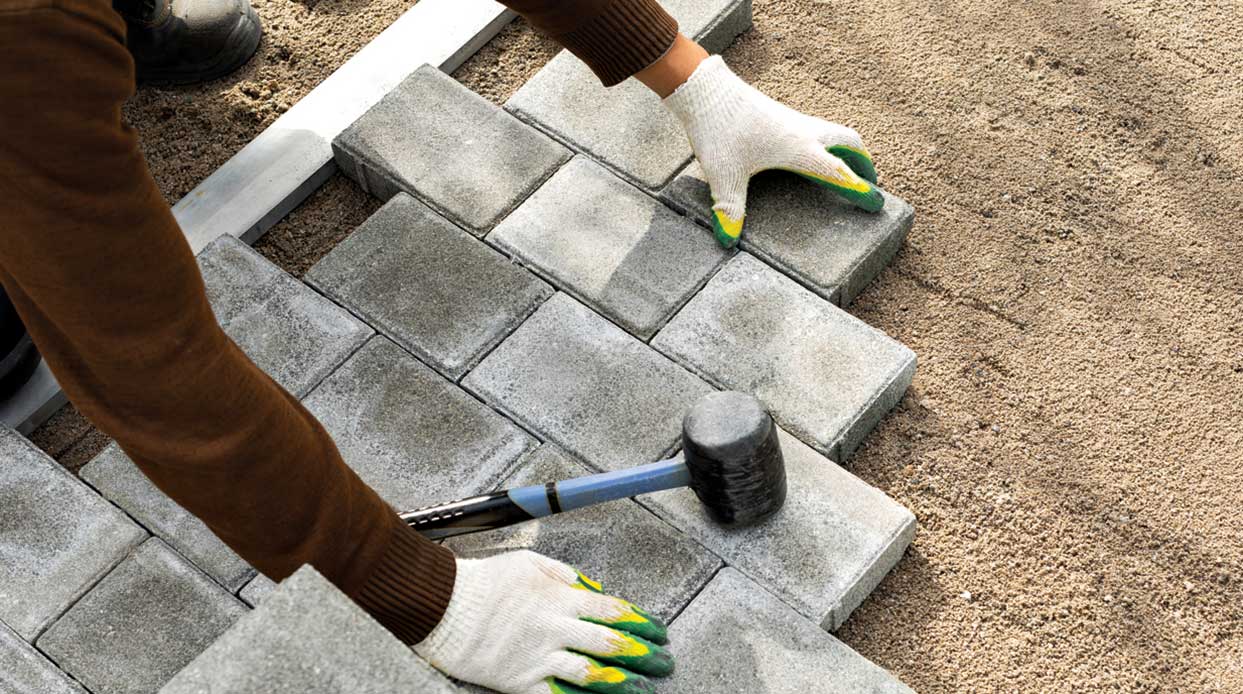
In the battle of pavers versus concrete, pavers are the clear winner. This is because a high-quality paver installation offers several benefits that concrete simply cannot. In functionality, pavers are more than twice as strong as concrete and will last years longer. This is thanks to the intense pressure and heat involved in their manufacturing process. Concrete is prone to settling and cracking over time. This creates a need for patchwork repairs that never quite match and are visually unappealing. If you need to access buried electrical or plumbing lines under your patio, the concrete will need to be demolished and completely replaced.
Pavers, on the other hand, can be ‘unzipped’ and reinstalled, leaving no trace of interruption. From an environmental standpoint, pavers also have the benefit of being permeable, as they allow more efficient water dissipation through joint lines, joint sand and the base below them. Concrete is also not a product that can be warranteed, whereas a high-quality paver installation should be backed with workmanship and product warranties. In addition to superior functionality and aesthetics, homeowners can work with licensed designers to choose from an impressive array of colors, textures, shapes and sizes to complement lifestyle, exterior color palette and architecture. The result is a paver patio that has resort-style vibes for a beautiful, durable space any homeowner can be proud to share.
INTERIOR DESIGNER
Kristen Hancock, Guided Design Partners
I want my home to reflect my personality, but I’m not sure how to define my style. What’s the best approach to personalizing my interior design while making it feel cohesive?
When clients tell me they want their home to feel like a true reflection of their personality, I always start by reminding them that style isn’t about labels—it’s about layers. You don’t need to define yourself as purely ‘modern’ or ‘traditional’ to achieve a cohesive design. Instead, focus on a few key strategies:
- Invest in timeless foundation pieces. Choose sofas, dining tables and larger case goods in neutral tones and classic silhouettes. These anchor the space and create longevity in your design.
- Let your personality shine through accents. Art is one of the most powerful ways to tell your story—it’s what brings soul into a home. Beyond art, incorporate textiles, books, travel mementos or vintage finds that resonate with you. These details infuse the space with individuality.
- Create cohesion through palette and repetition. Even if your treasures are eclectic, repeating colors, textures or finishes throughout the home ties everything together. Think of it as weaving a thread that runs from room to room.
- Edit with intention. A curated home feels more personal than one that’s filled with everything you’ve ever collected. Be selective and display the pieces that truly spark joy or reflect your journey.
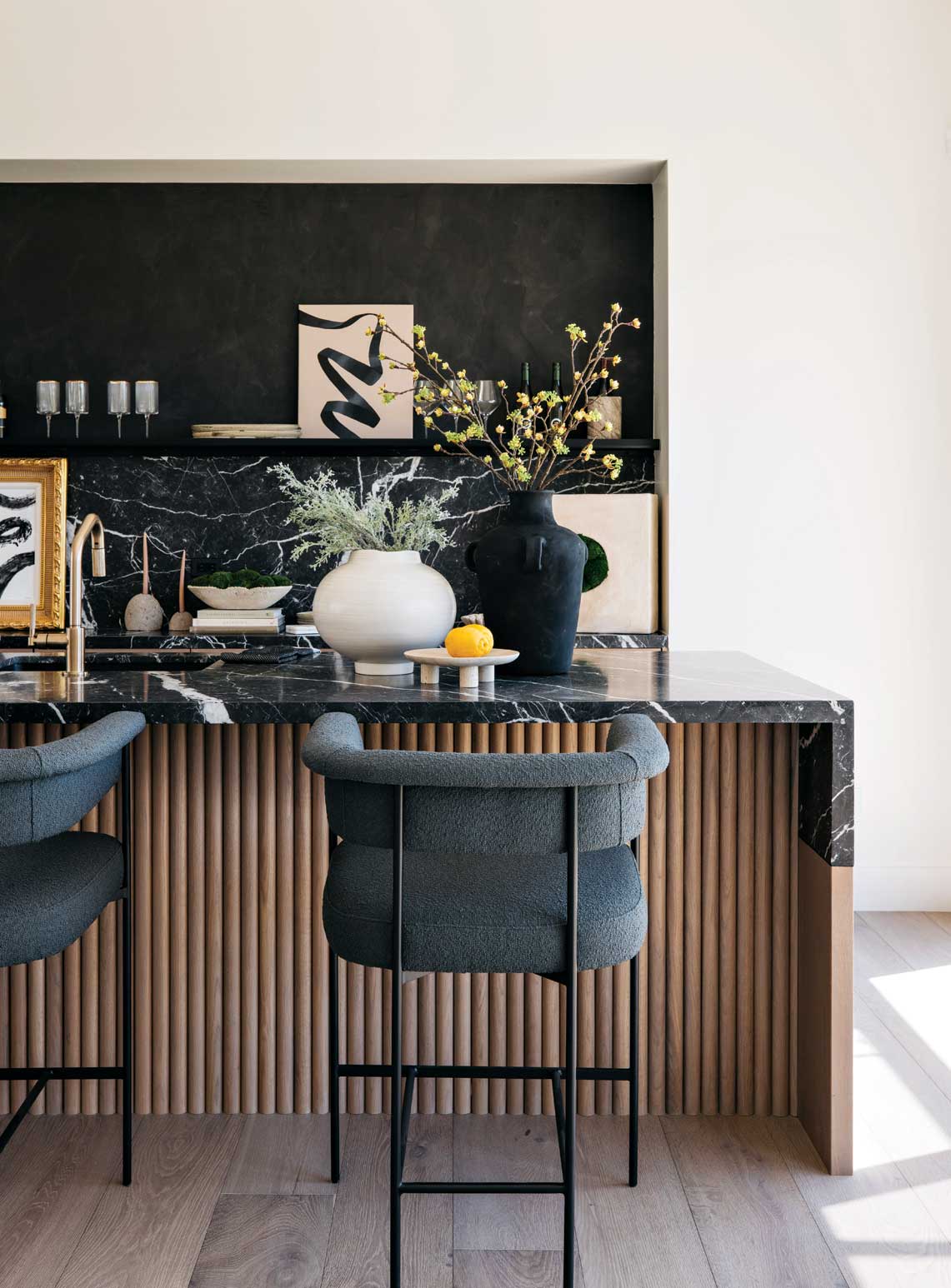
The result is a home that feels layered, authentic and deeply personal—but still beautifully pulled together.
3 QUESTIONS (Sources)
- Interior designer: Kristen Hancock, Guided Home Design, Scottsdale, guidedhomedesign.com
- Landscape designer: Chad Brower, System Pavers, Tempe, systempavers.com
- Woodworker and custom cabinetry designer: Michael Moody, Madley Fine Cabinetry, Scottsdale, madleyfinecabinetry.com