


Masters of the Southwest: Meet the Conservationist Protecting Arizona’s Landscapes

Meet the conservationist who has channeled his lifelong love of nature into protecting Arizona’s landscapes.
By John Roark | Portrait by Carl Schultz; Photos by Jim Dublinski
Conservationist and preservationist Jim Dublinski credits Frank Lloyd Wright for his love and reverence for the outdoors. From the age of 9 until he began attending college at Northern Arizona University, Dublinski lived with his parents and younger sister in the Avery Coonley House in Riverside, Illinois, designed by Wright and constructed between 1908-1912.
“My dad was transferred from St. Louis to Chicago,” Dublinski says, noting that his grandmother had once been a gardener on the estate. “My parents drove by the house, saw that it was for sale and made an offer, hoping the owners wouldn’t be offended by what they could afford. They said yes.”
The historic home was an inspiring place to grow up. “All of the windows gave us the full benefit of the seasons: spring popping up with green; summer rainstorms; the maple and oak trees in autumn. Every winter we would watch squirrels jump from branch to branch and shake down the snow. It was a great place to be a kid, and it gave me an appreciation of nature and design.”
Dublinski, who is over 6 feet tall, also recalls that the scale of the historic house could be problematic. “The living spaces were on the second story, so you had to go downstairs to get outside. I think the clearance was about 5 feet, 11 inches high. So many times, I would hit my head just as I got down to the bottom floor. I learned to duck,” he says with a laugh.
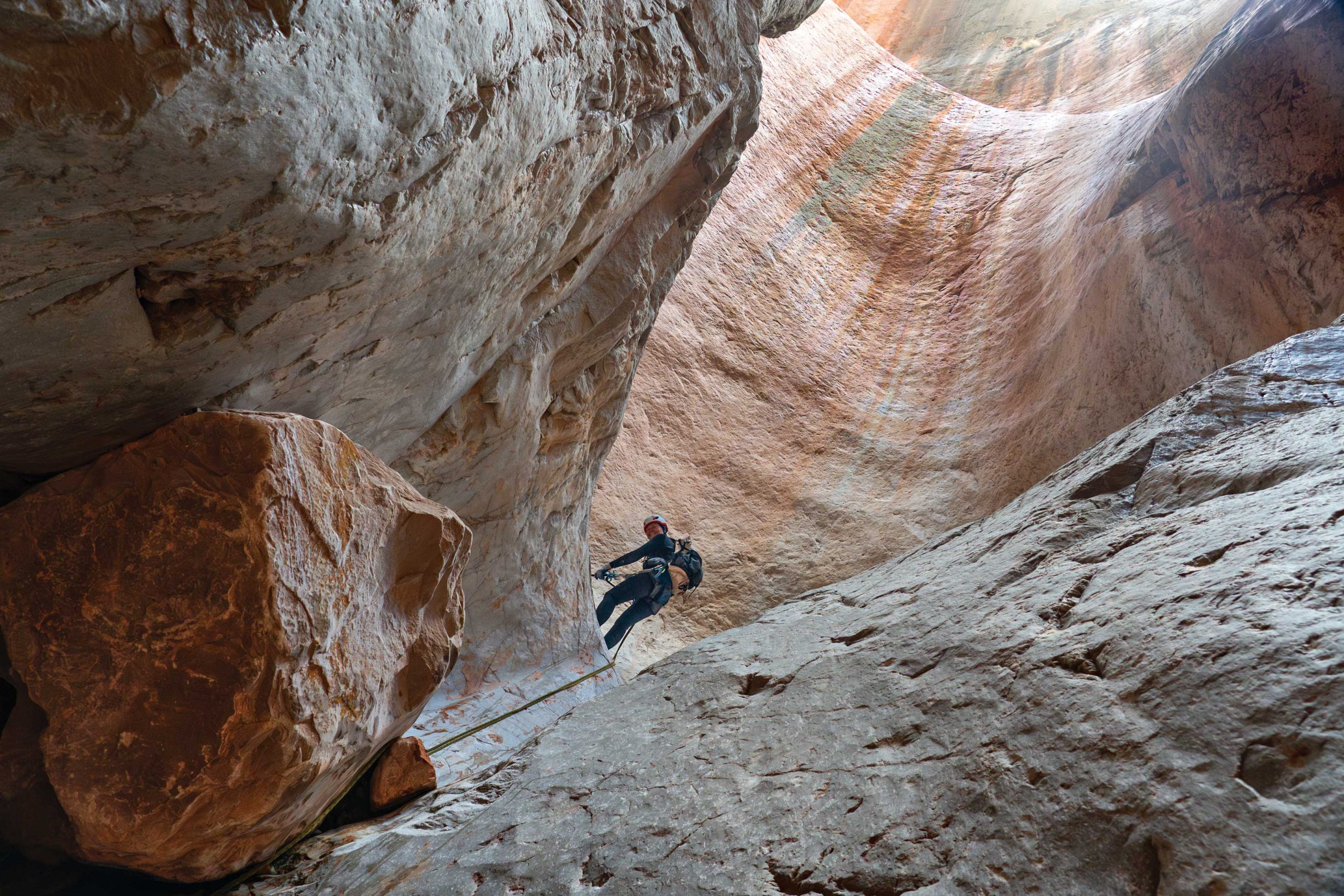
Studying business at NAU led to work for the defense department, then to Campbell’s Soup, where Dublinski worked for 30-plus years in sales, trade marketing and strategy. Eventually, the lure of returning to Arizona proved irresistible. “It was during my college years that I developed my passion for the outdoors—rock climbing, hiking and backpacking. It triggered what I really love to do,” he says.
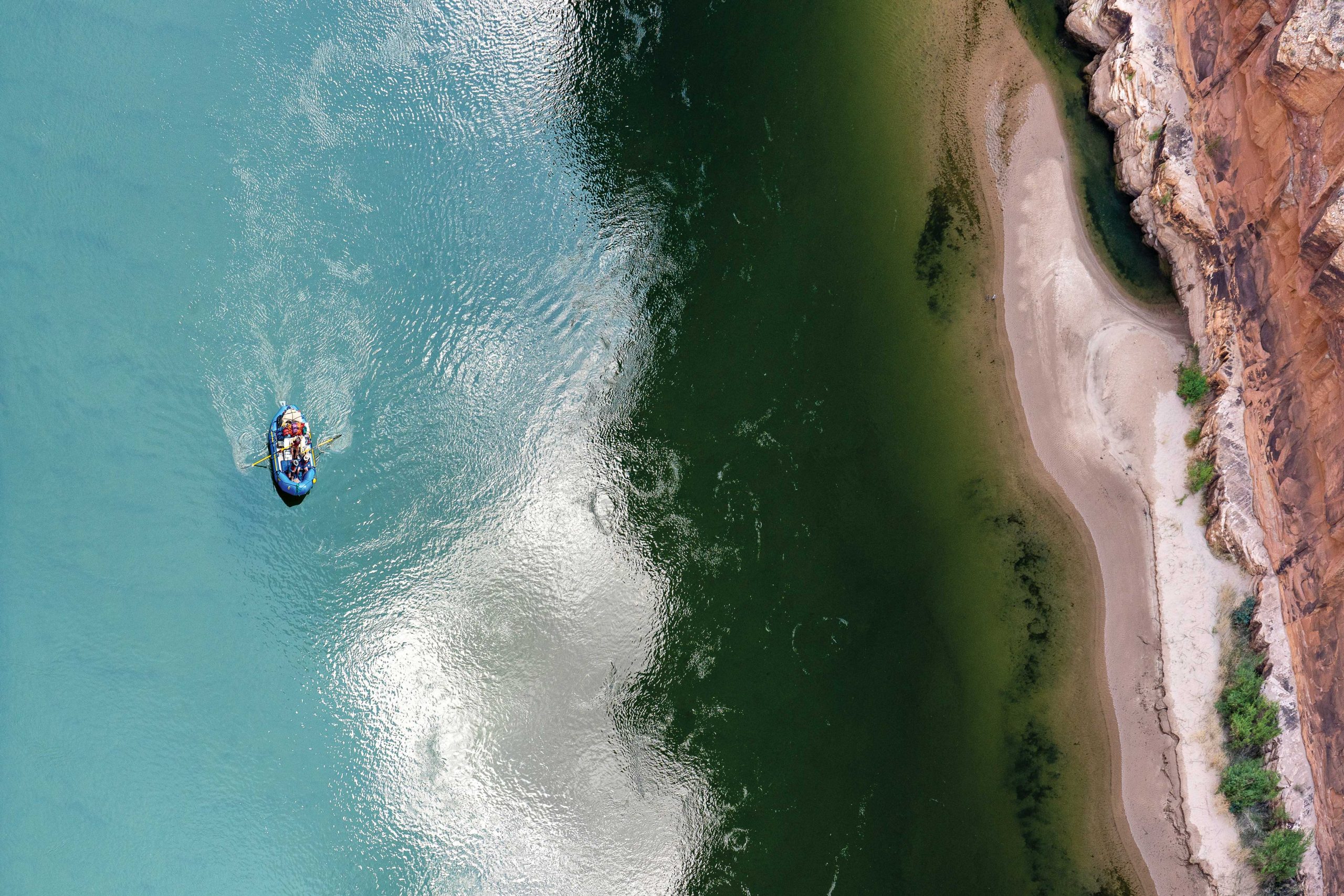
When Campbell’s offered a generous retirement package—and following a 21-day river trip down the Grand Canyon with friends—Dublinski and his wife, Noan, a deaf educator, moved West in 2016. “That was my entrée into retirement, the rewiring, getting into the conservation space,” he recalls.
In 2016, he began volunteering with the Sierra Club’s Arizona chapter, which in addition to public land protection, focuses on advocacy for the conservation of land, water and wildlife; climate change; and promoting clean energy and environmental justice.
“Jim is genuinely invested in protecting our lands, but also in connecting people who may not be aware of some of the amazing resources we have here in Arizona,” says Sandy Bahr, director of Sierra Club’s Grand Canyon Chapter. “He’s so passionate about the issues and brings enthusiasm to any project and the work that he does. That enthusiasm is infectious.

“You don’t do conservation because you have to or want to. You do it because you love it.”
Jim Dublinski, conservationist

“He is also willing to acknowledge when he doesn’t know something and is very excited about learning,” Bahr continues. “Jim understands that none of the work that we do is accomplished by one person but by a lot of people working together.”
Dublinski serves on the local chapter’s executive and conservation committees; has been involved in advocacy and outreach; has commented on national environmental policy documents and volunteered on the Baaj Nwaavjo I’tah Kukveni – Ancestral Footprints of the Grand Canyon National Monument, canvassing local businesses for support. “I was just a small pin in the process,” he says. “So many people, coalitions and organizations did the heavy lifting.”
Designation as a national monument will conserve nearly 1 million acres of public lands surrounding Grand Canyon National Park. Dublinski was invited by the White House to attend the Aug. 8, 2023, ceremony at which President Biden established protection for the site.
“I don’t care what side of the aisle you’re on,” Dublinski says. “Seeing the president sign the proclamation was surreal, a real-life event.” Bahr, who was also present, recalls the day. “We couldn’t stop smiling. I remember seeing Jim’s face and thinking, this is what pure joy looks like.”
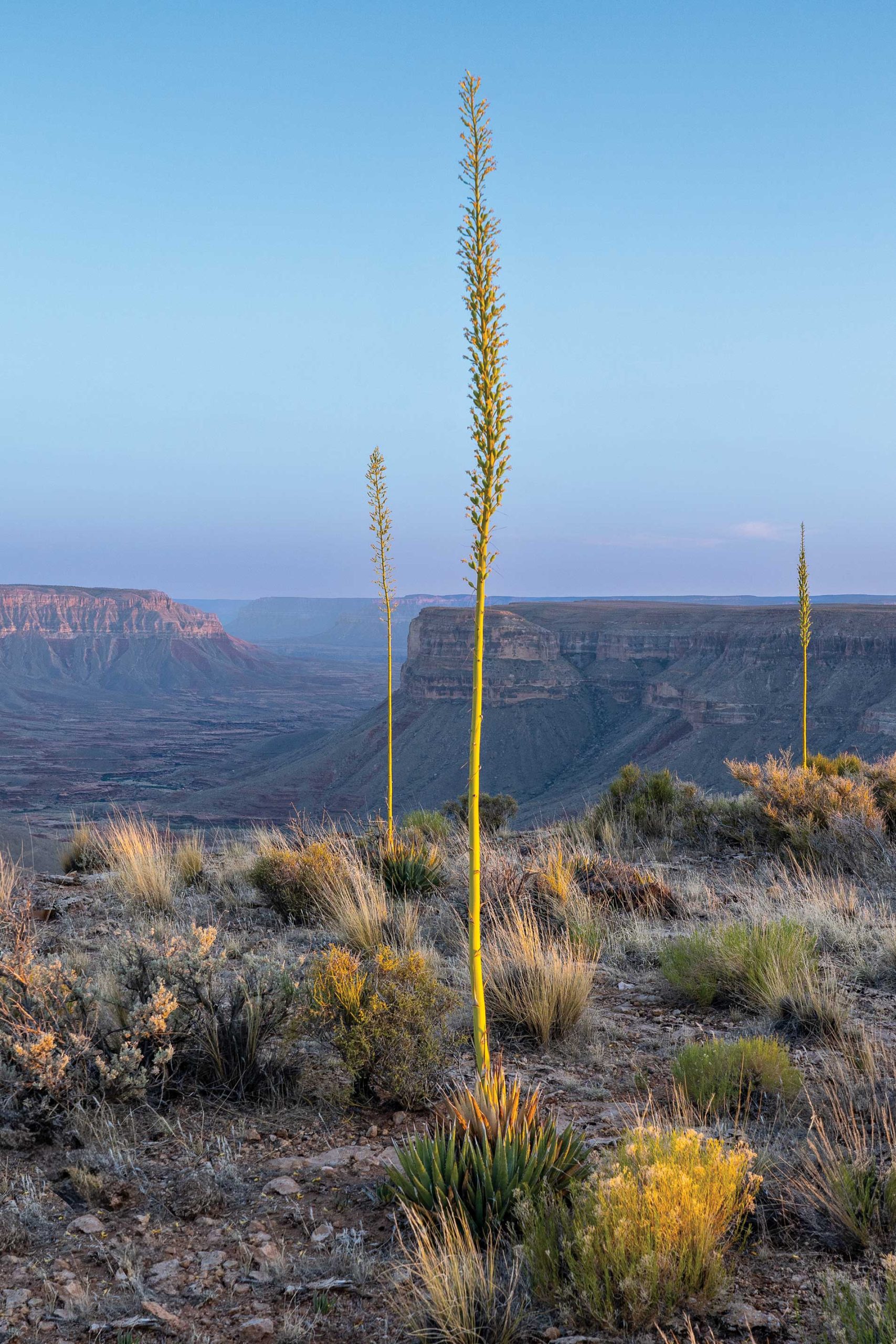
Dublinski gets emotional when speaking of the canyon. “You get into a rhythm when you’re there,” he says. “There’s a certain cadence where your senses are heightened. Whether you’re on a ridge or a summit feeling the sun soften the desert or the breeze on your face—those are good moments. They give perspective. There is so much out there that is much bigger than we are.”
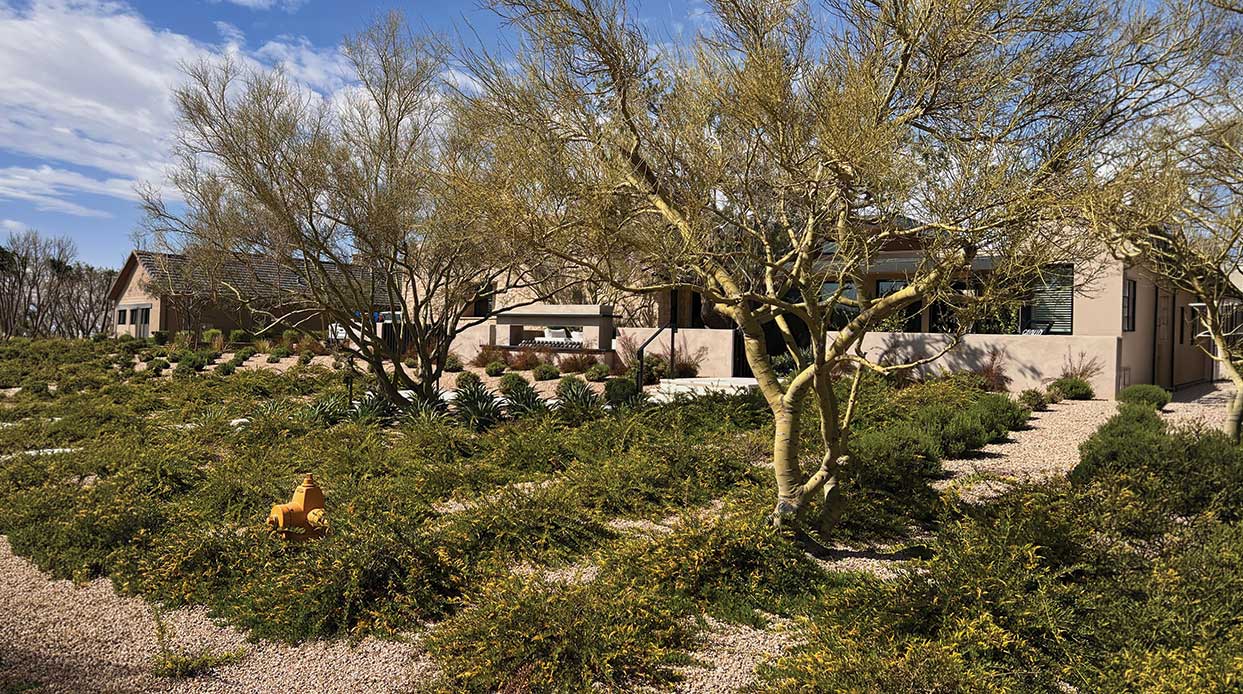
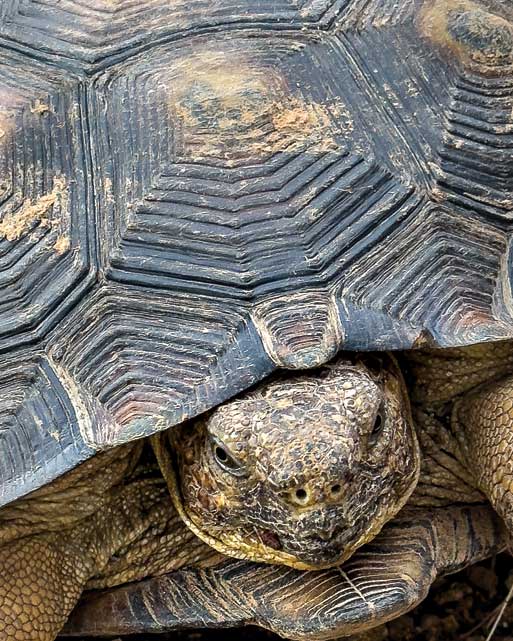
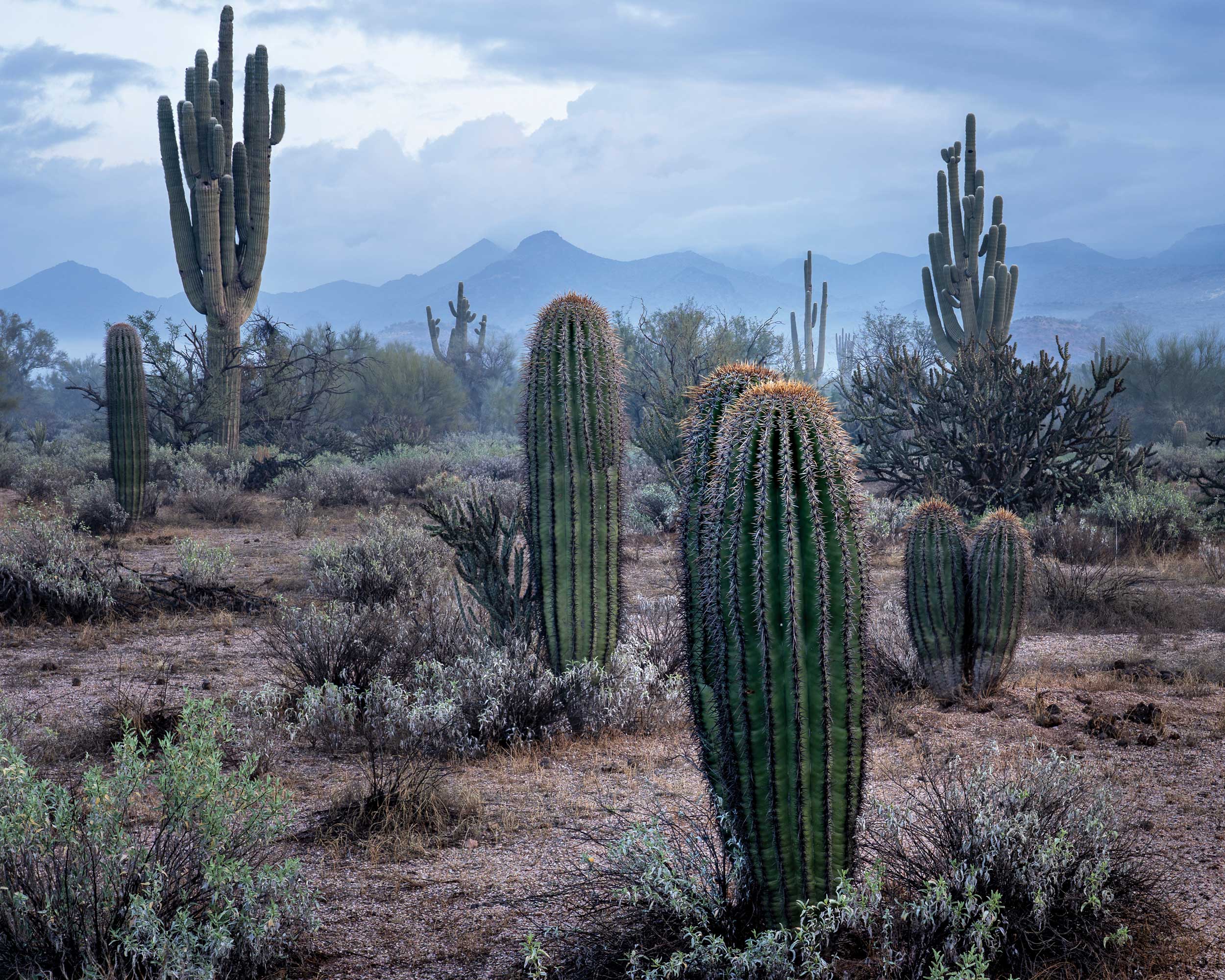
In addition to the Grand Canyon, Scottsdale’s McDowell Sonoran Preserve, which is near Dublinski’s home, holds a special place in his heart. At 30,500 acres, it is the nation’s largest urban preserve. As a volunteer for the conservancy arm of Parson’s Field Institute—which conducts studies on plant and animal populations, ecosystem health and the impacts of climate change—Dublinski has varied duties. “I get to ride my bike and hike the 125 miles of trails,” he says. “I work on citizens’ science projects and help with desert wildlife telemetry to see their urbanization and how it impacts their movement. We have four mountain lions living in the preserve, more than 200 deer; tortoises, badgers, coyotes and javelinas.”
Today, Dublinski’s focus is on the protection of the Great Bend of the Gila, a 300,000-acre, historically significant stretch of river valley located between Phoenix and Yuma. The site, which for thousands of years served as a crossroads for travel, farming, commerce and trade, has ties to 13 federally recognized tribes and contains North America’s largest expression of petroglyphs and geoglyphs, some of which are more than 11,000 years old. Protecting this delicate desert ecosystem, maintaining key wildlife corridors and providing regional open space systems for West Valley residents is crucial for future generations.
As a part-time contractor for The Wilderness Society, Dublinski’s role has been in individual community leader outreach and engagement. Mike Quigley, the Society’s Arizona State director, praises Dublinski as an asset in Great Bend of the Gila advocacy. “I think Jim’s experience and temperament suit him well in engaging people in conversation,” he says. “He’s really good at authentically connecting with people, listening to their backgrounds, concerns and desires, and then looking for ways where he can help work with them to advance common goals.”
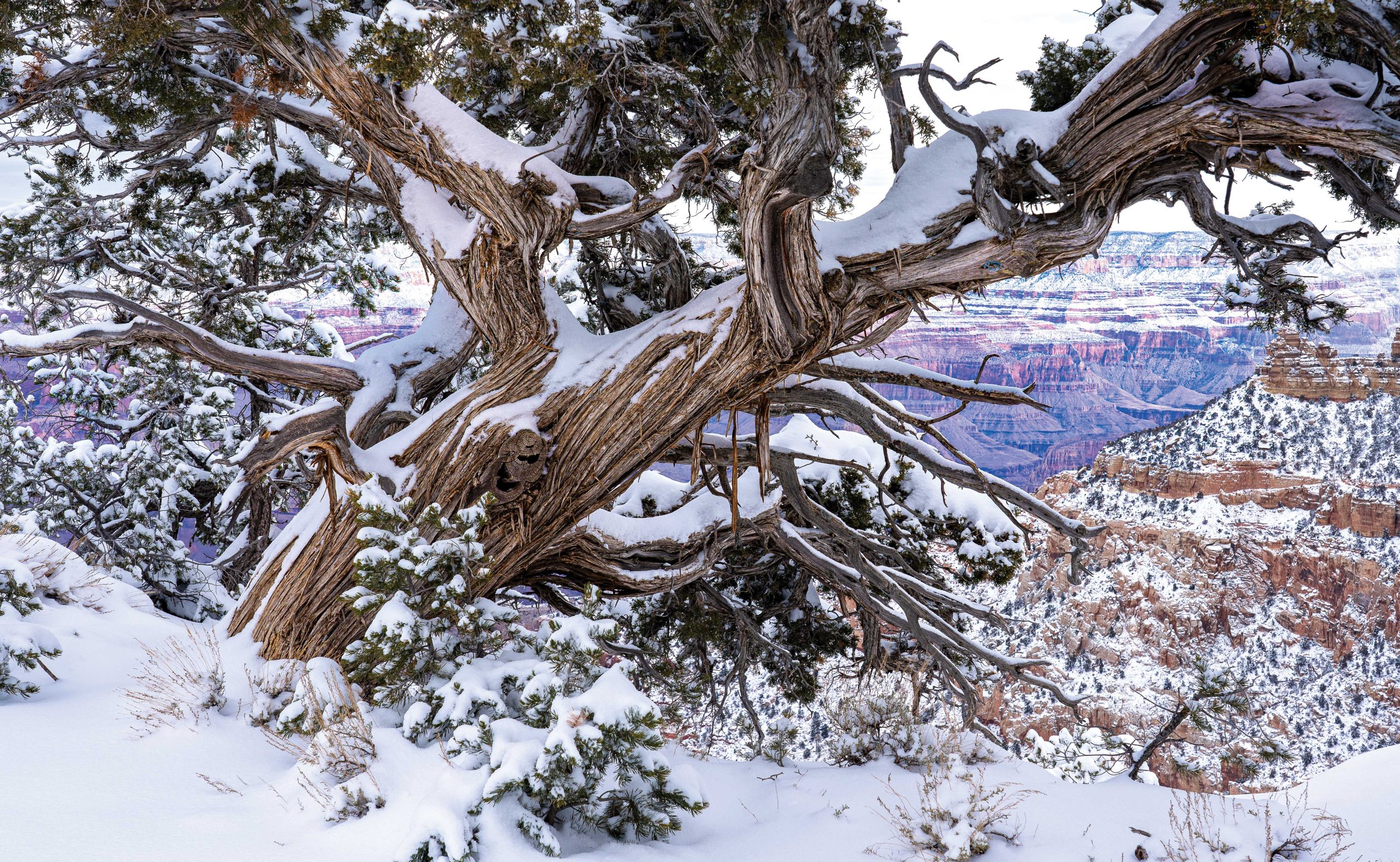
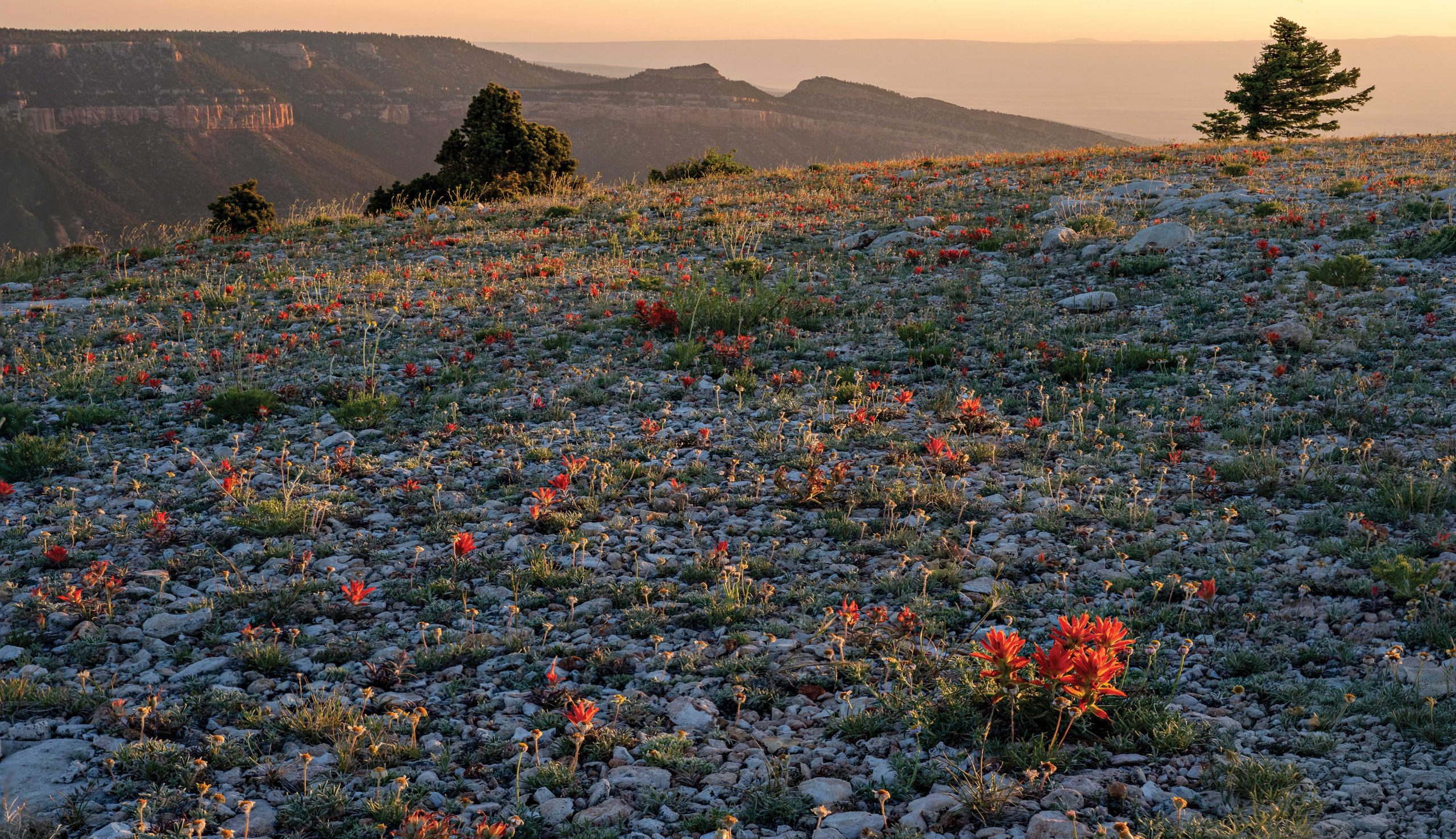
While it’s difficult to imagine that he has any time to spare, the conservationist is also a part-time guide for outdoor gear purveyor REI and is an avid self-taught photographer. “When you look through the camera, there’s a difference in perspective, whether it’s the broad landscape, the human story or the intimate landscape,” he says. “Sometimes when you stop and look at the ordinary, it can become extraordinary. You learn to appreciate the intimacy of things.” Through his company, Xplore Outside, which he founded in 2019, Dublinski leads hikes and immersive and instructional photo tours.
“I’m helping people see the desert in a new light, from a different perspective, and to experience the landscape in a unique way, instead of just from the windshield as they are driving by,” he says.
Dublinski is philosophic about his passion for Arizona and his desire to keep learning. “The bottom line is I love getting out there and exploring,” he says. “I’m not a master of anything. I’m on a journey.”
SOURCES
Conservationist: Jim Dublinski, Xplore Outside, Scottsdale, xploreoutside.com
Sierra Club: sierraclub.org
The Wilderness Society: tws.org