


Learn Hands-On Gardening At Arizona’s Most Unique Architectural Community
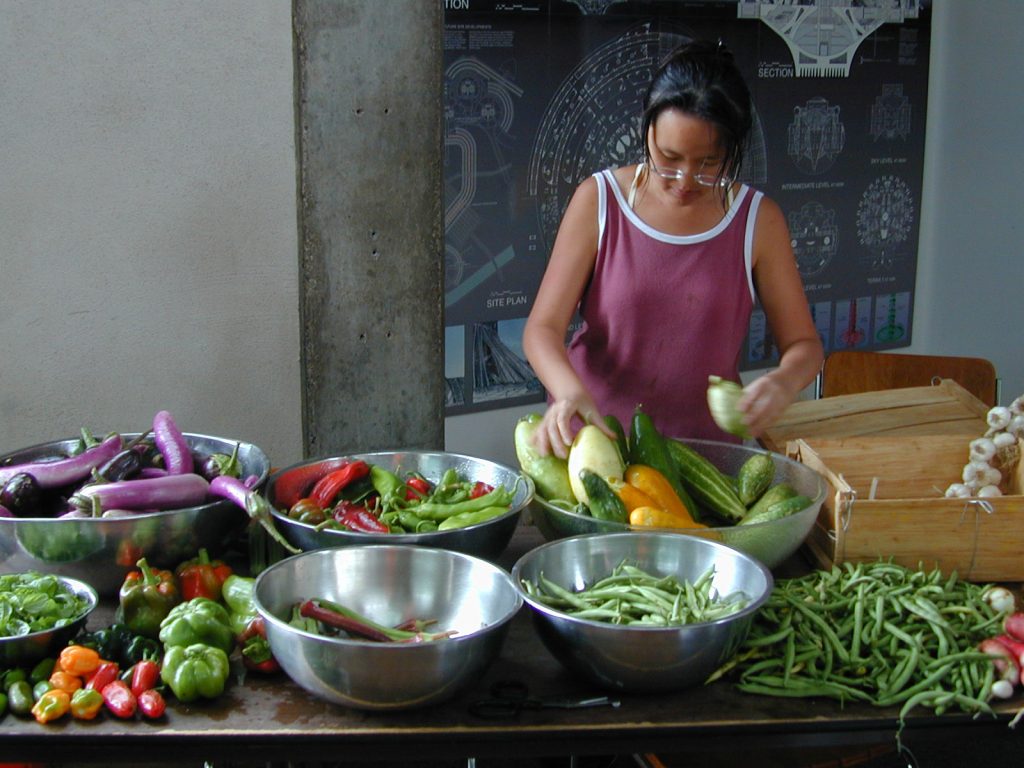
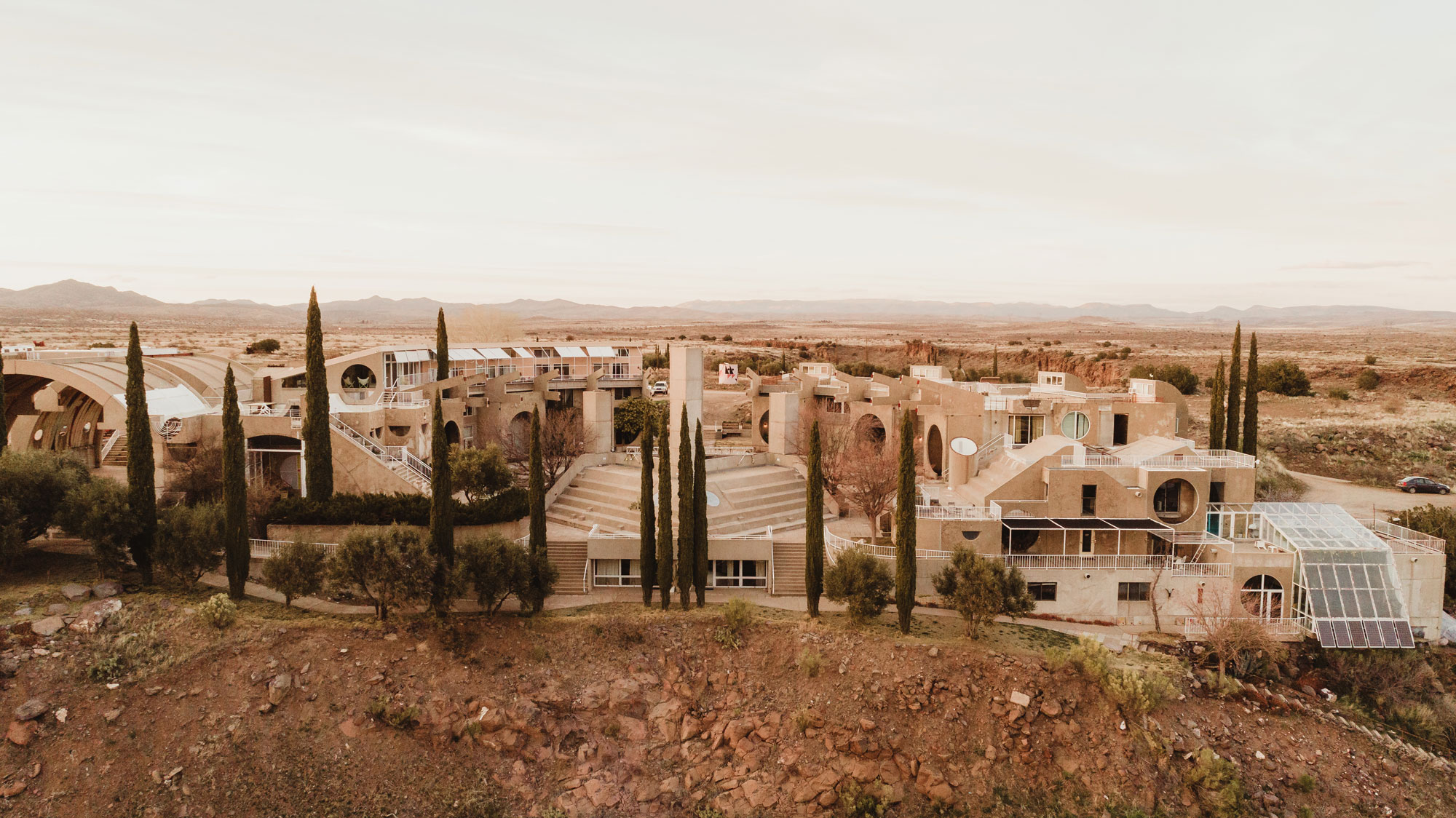
Hands-on agricultural classes are back at Arcosanti. The unique Mayer community established by Paolo Soleri marries architectural design with ecology. Residents raise fruits and vegetables in orchards, garden beds and greenhouses, which visitors can taste in dishes made at Arcosanti’s cafe. Over three- and four-week workshops, offered through 2026, participants will learn about growing food and Arcosanti’s unique architecture and history through lectures, field trips and gardening. (Session costs are $1,530 to $2,100.)
“It gets you more in touch with the natural environment, and that’s the biggest thing,” says David Tollas, Arcosanti’s agriculture general manager.
Tollas offers these tips for home gardeners in Arizona based on the agricultural practices at Arcosanti.

Grow Smarter in the Desert
1. Plan and schedule your watering
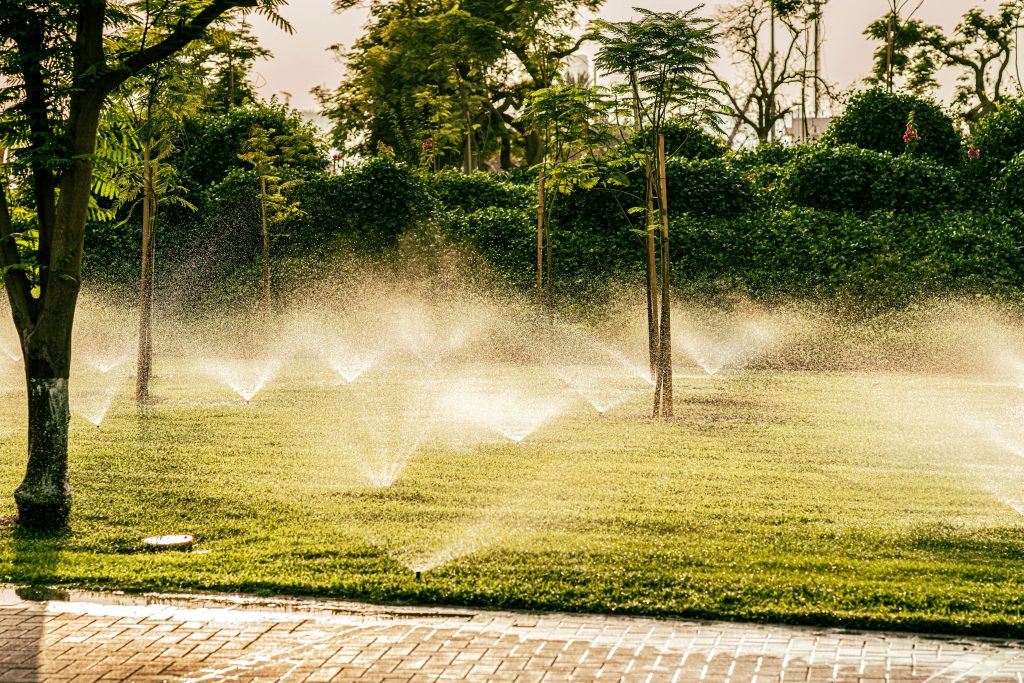
Good irrigation is critical to the success of a garden, Tollas says. That means hooking up hoses or drip lines to timers to ensure plants are consistently watered automatically. That approach can also “really help you save water,” Tollas notes.
Acrosanti relies on well water that is pumped into tanks, but the community also closely monitors its water usage. At Arcosanti, the buildings are designed to catch and collect rainwater, Tollas explains. He recommends home gardeners set up a rain barrel or water collection tank to capture rainfall that can be used in the garden.
“Rainwater is so much better for watering plants than water that’s taken from the ground,” he says. “The water itself has much less salts and minerals in it.”
2. Incorporate shade into your garden
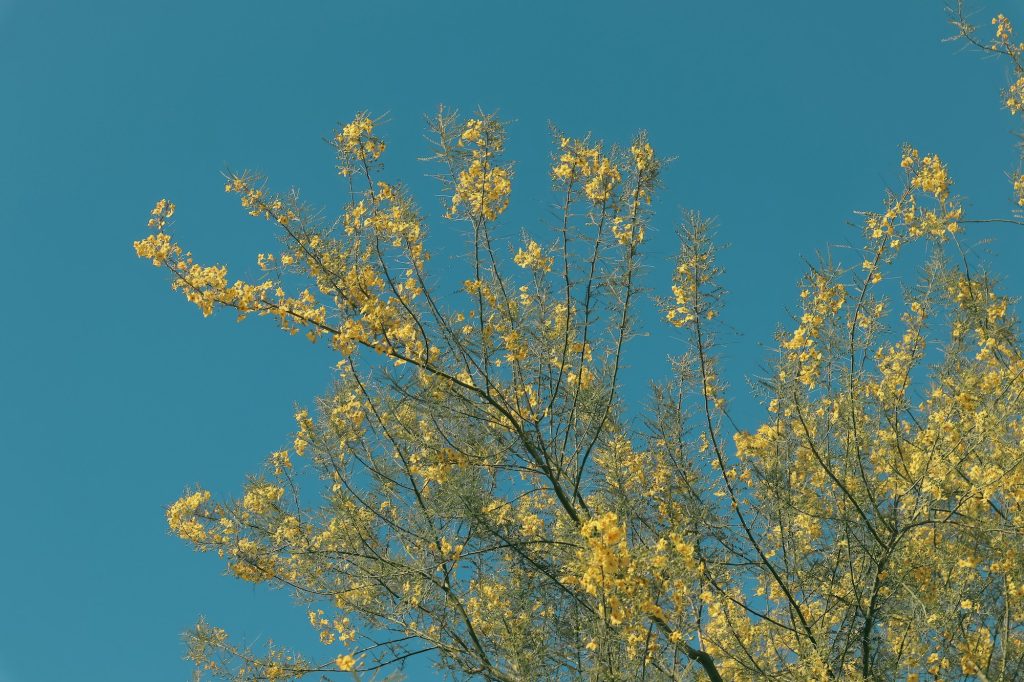
“Sun is one of the biggest challenges here in Arizona,” Tollas says. To combat the sun’s intense rays, gardeners often hang shade cloth or build a protective tunnel over the garden area.
When possible, Tollas recommends placing garden beds underneath the cover of a tree. Arcosanti has a food forest—a diverse garden intended to mimic nature—with shrubs and plants producing items like melons, squash or garlic growing under fruit trees.
“The trees will provide a cooling effect for your plants,” he says.
3. Add a chicken coop
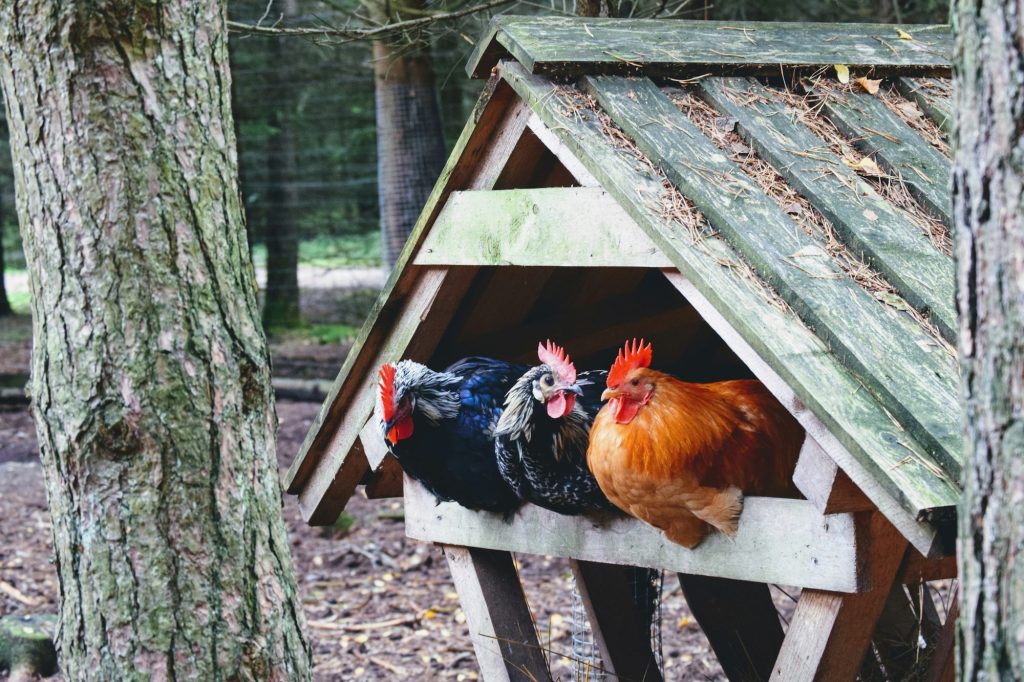
If your community allows it, get some chickens. Part of the draw for workshop participants is learning about how to manage a flock and use their waste for composting, Tollas says.
“Chicken manure is probably the highest in nitrogen content,” he says. “When you’re cleaning the coop, the hay and chicken manure could go into your compost, which can really add to the nutrients in your soil.”
Plus, having chickens around is “just fun,” Tollas says.
4. Just plant something!
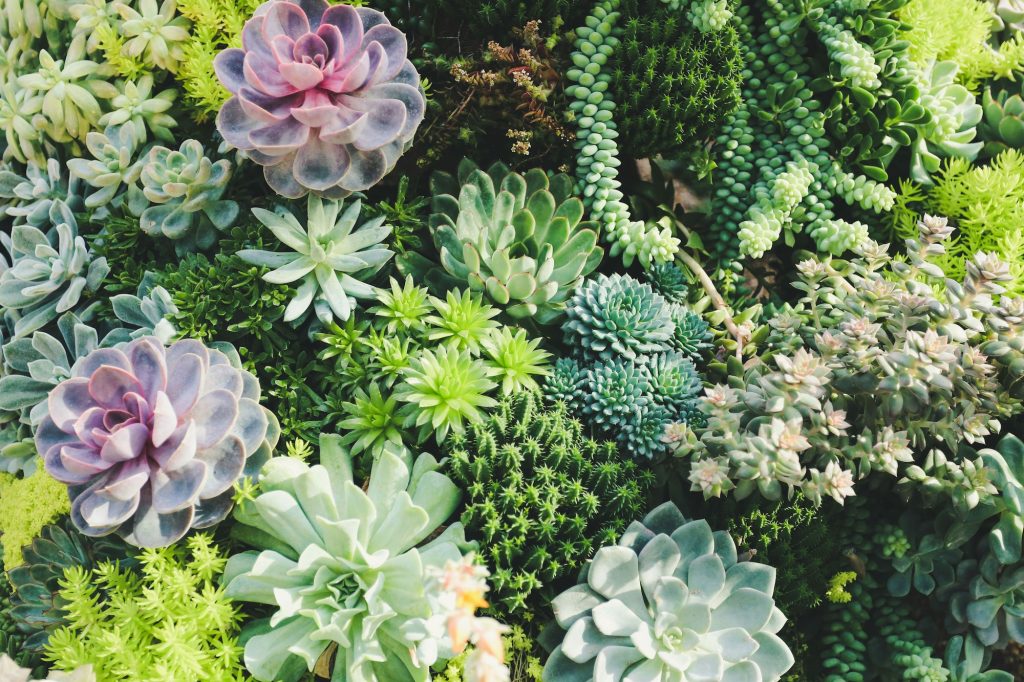
No matter what you decide to do with your home or urban garden, Tollas encourages people to plant something.
“It’s just good for your piece of mind,” he says. “Being responsible for that plant, or a couple of plants, you start realizing you can be responsible for the bigger picture, you know, the natural environment.”
For more information, go to arcosanti.org