


Is There Such a Thing as a Low-Maintenance Pool? 3 Common Design Questions Answered

Your architecture, interior design, building and landscape questions answered by Valley pros.
By Lauren Tyda
Interior Designer
Angelica Henry, ASID, Angelica Henry Design
I want a television in my space but do not want to see it all the time. What are my options?
Incorporating TVs into a room’s design can present challenges. Discussions about size, placement and whether to conceal the big black box are commonplace in nearly every project.
For family rooms where the TV is regularly used and the homeowner prefers it visible at all times, we seamlessly integrate it into the wall layout to maintain a balanced aesthetic.
Conversely, in great rooms designed for entertaining, clients often desire the option to minimize or entirely hide the TV. Through careful planning and weighing the pros and cons of various designs, we find the perfect solution for each space.
One straightforward solution is using a smart TV that doubles as digital art when not in use—a practical compromise that eliminates the “black box” effect.
Another effective method is employing a motorized lift, allowing the TV to rise from a cabinet, countertop or furniture piece at the touch of a button. This approach is particularly useful for concealing TVs above fireplaces.
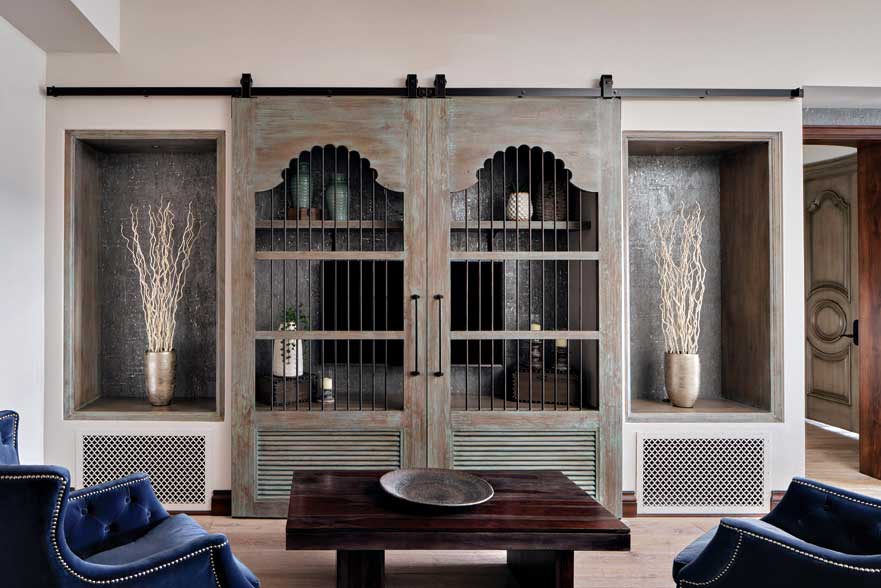
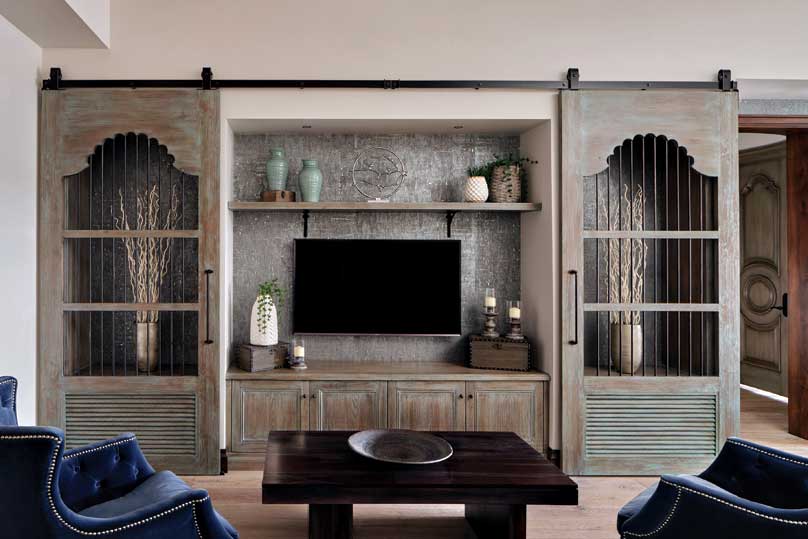
Furthermore, movable panels such as millwork, mirrors or artwork offer versatile options. In a recent project, we utilized sliding barn door hardware in a media room on an upper level, creating both a TV viewing area and a tranquil reading nook as desired.
Ultimately, the decision to hide or display the TV is personal for each homeowner. Rest assured, if the preference is to conceal, there is always a solution tailored to meet your needs.
Architect
Matt Salenger, AIA, coLAB Studio
I am ready to start a new build and want to be environmentally responsible. How do I prioritize decision-making?
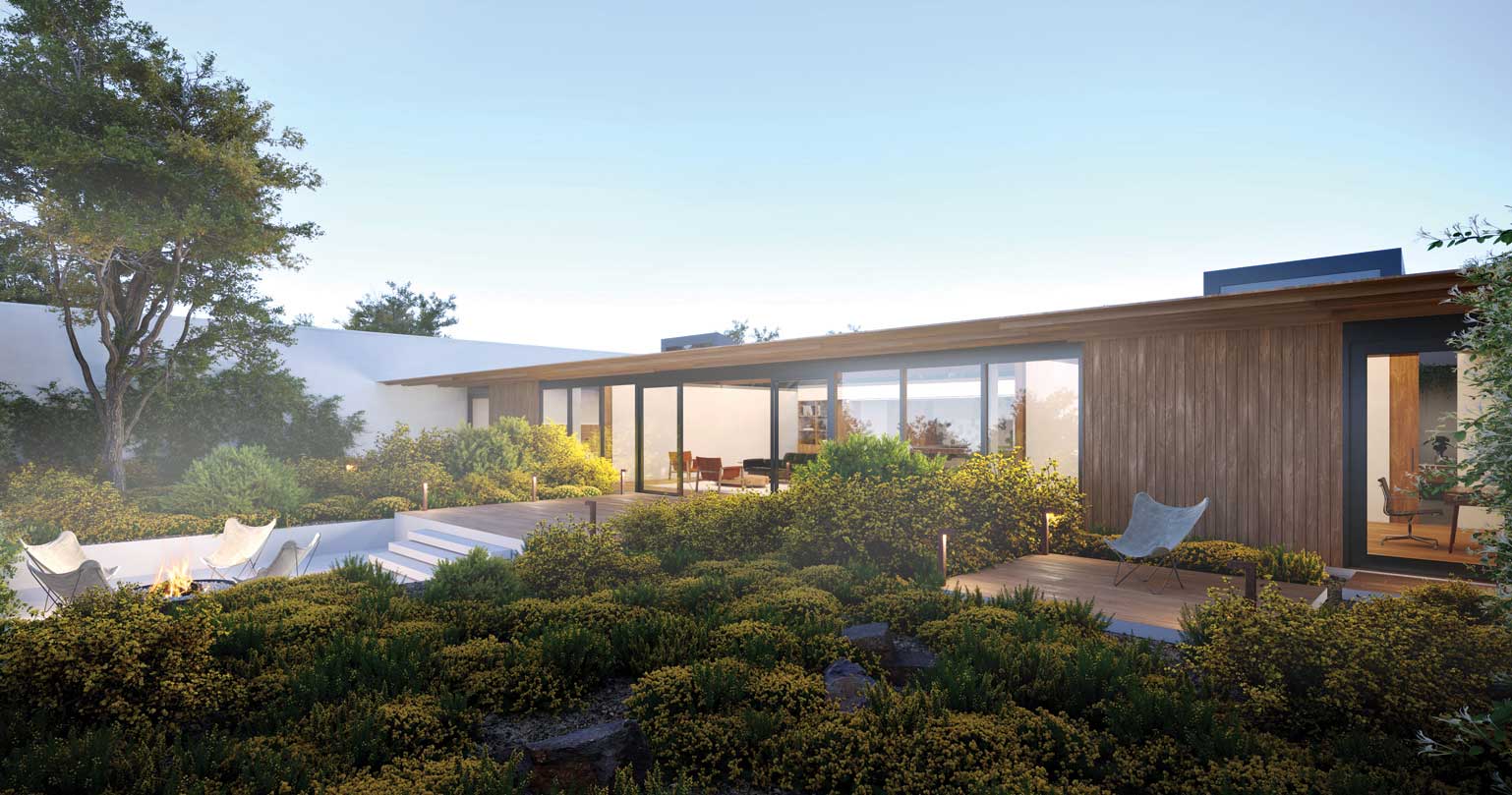
Being environmentally conscientious stewards is not only responsible, but also rewarding. With the right knowledge, you can harness the benefits of nature to the fullest. First, it is important to determine all the project needs: physical, environmental, financial and aspirational. Engaging a design professional for an Integrated Design Process (IDP) is essential. Although intensive initially, this approach streamlines collaboration between clients, designers and contractors. IDPs foster efficiency from conception through construction, enriching homeowners with knowledge and fostering enduring partnerships. Understanding that health, comfort, efficiency, durability, beauty and environmental responsibility can harmoniously coexist is crucial. Achieving ambitious goals doesn’t require compromise; it necessitates finding experts who integrate these principles holistically and avoid superficial and often deceptive “greenwashing” marketing tactics. A key reference I share with my clients is the “Living Building Challenge” (living-future.org), which outlines 20 “imperatives” organized within seven “petals.” These cover everything from sustainable building practices to enhancing health, energy efficiency and aesthetic appeal. It represents a visionary approach toward creating carbon-positive buildings and materials that counteract climate change and bolster local economies.
Pool Builder & Remodeler
Steve Anderson, director of operations, Shasta Pools
As we approach retirement, we’re looking for a pool that’s easy to maintain so we can spend more time enjoying it. What design and technology features can help achieve a low-maintenance pool?
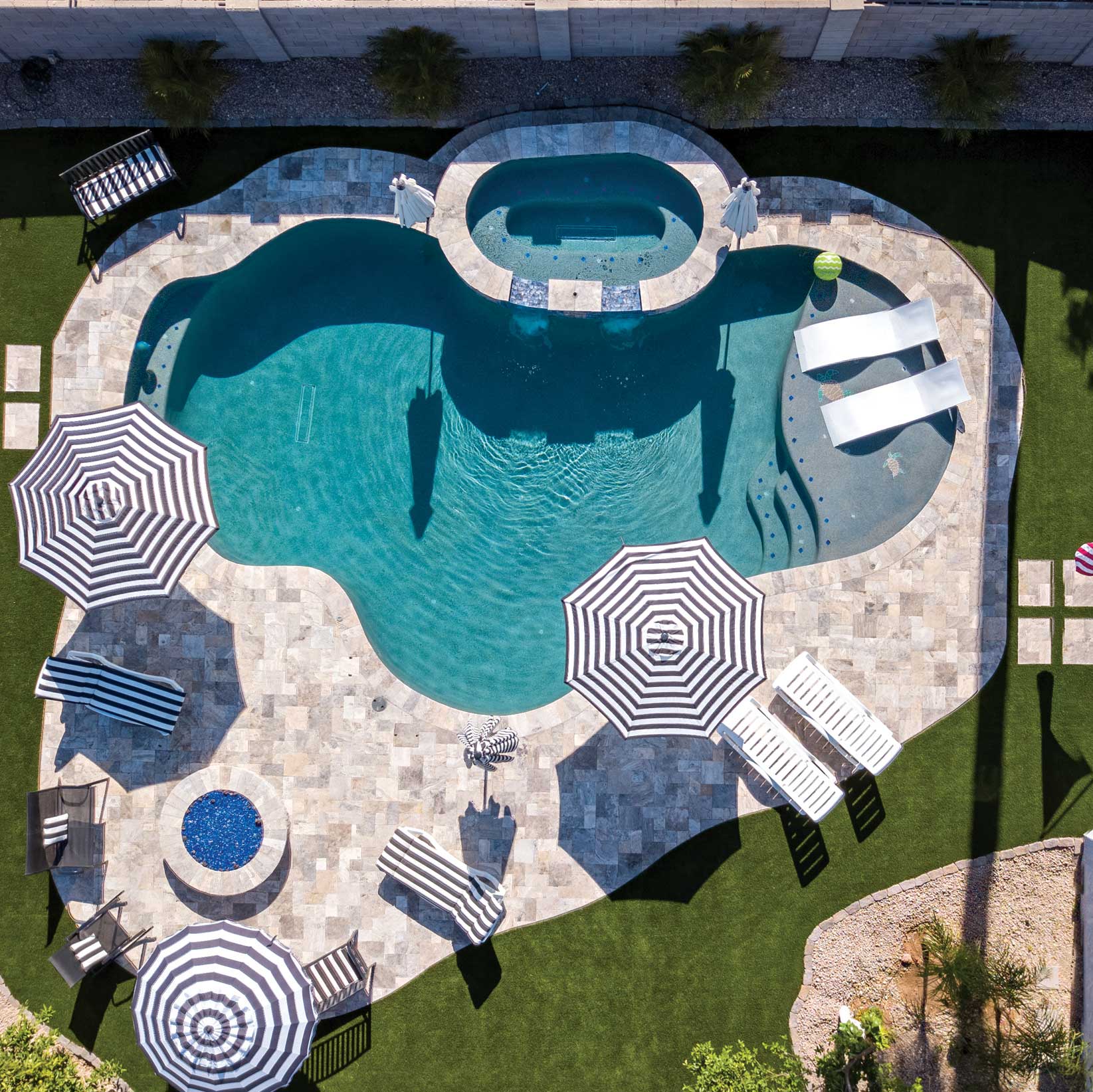
Having the best water quality possible with your pool is important, and there are low-maintenance options. Pool owners are converting away from traditional chemical systems that use chlorine tablets or salt chlorine generators and adopting ozone or oxygenated systems, which provide the healthiest and cleanest water you can enjoy—imagine swimming in bottled water. Not only does it remove the need for traditional chemicals, but it’s also a safe way to sanitize and keep your pool water clean with natural elements, including oxygen and nanobubbles. These systems are similar to hyperbaric oxygen therapy but are made exclusively for residential pools.
Aside from swimming in chlorine-free water, the benefits are endless with this technology. From no itchy or dry skin to reduced inflammation in your body, these systems provide many health and wellness benefits and create an enjoyable swimming environment. These types of innovations can take the strain out of being a pool owner and ensure you, your family and friends get the most out of your pool and backyard.
SOURCES
- Architect: Matt Salenger, AIA, coLAB studio, Tempe, colabstudio.com
- Interior designer: Angelica Henry, ASID, Angelica Henry Design, Scottsdale, angelicahenrydesign.com
- Pool builder and remodeler: Steve Anderson, Shasta Pools, Phoenix, shastapools.co