


Garden Solutions: What to Plant This Spring in Arizona
What to plant, prune and pluck this season according to your elevation.
By Noelle Johnson | Illustration by Gary Hovland
Hello Friends,
We are entering a wonderful time of year as we prepare to bid goodbye to winter cold and enjoy warmer temperatures. It’s also a season of rebirth with plants producing new growth in bright shades of green and bursting with vibrant blooms. Early spring presents an opportunity to add new flora to your outdoor spaces, and on these pages, I will share my best tips for gardening success, including how to avoid common mistakes. Walk around your landscape, and look for places where a new tree, shrub or ground cover is needed. Identify areas where the unique shapes of cacti and other succulents, such as agave, would add interest. Nurseries are well-stocked for the season, and the Desert Botanical Garden’s (dbg.org) annual spring plant sale, scheduled for March 13-16, is an ideal source for plants that will thrive in our hot, arid climate.
Spring is also the time to prune shrubs and ground covers, once the threat of freezing temperatures has passed. It’s also when we fertilize plants that require extra nutrients. But before you grab that bag of mulch, ensure you are only feeding plants that need it. Read on to learn when to skip this maintenance task.
I encourage you to enjoy your backyard as mild temperatures beckon you to revel in the unique beauty of the desert garden.
Questions? Send them to info@azplantlady.com.
They may be featured in a future Garden Solutions.
PLANTING STRATEGIES FOR SUCCESS
Spring is a busy time in the desert garden—especially when it comes to adding new plants. However, high temperatures and low humidity can make it harder to grow plants successfully. Techniques that work in other regions don’t necessarily apply here. I often see people make common mistakes that prevent new additions to their landscapes from thriving. Here are simple strategies to help get your new plants off to a great start.
- First, add plants during the right times of the year. In the low desert, we are fortunate to have a long planting window that stretches from fall through spring, which means that now is a good time to add new additions before the heat of summer arrives. Newly planted trees, shrubs, ground covers and succulents are more susceptible to hot and dry conditions, so plant them in the ground in early spring to optimize their chances of surviving their first summer. This is especially true for non-native plants that have difficulty with our extreme heat. A healthy root system is key to a plant’s success, allowing them to take up water and nutrients needed to cope with the dry, hot summer. Once the heat hits, root growth slows down, hindering the plant’s ability to cope with getting enough water up to the leaves. Avoid late spring or summer planting, if possible, and wait until fall to begin adding plants.
- Next, ensure that the tree, shrub, ground cover or succulent will grow in the low desert. Not all plants you see at your local big-box store or nursery will do well in your landscape, as some require a special microclimate to handle the heat of summer. Save yourself time, money and frustration by doing research in advance. Begin with an online search about a particular plant and enter the plant name along with “Phoenix” or “Arizona desert” to get results specific to our region. If the plant is suitable, you will see results that speak to how it does here and its ideal sun exposure. Another great resource is to utilize staff expertise at your local nursery to point you to the correct choices. The Arizona Municipal Water Users Association has an excellent online guide, as well as an updated booklet. You can order a copy from your city’s water conservation office or download it at amwua.org/plants.
- Before planting, ascertain how much sun or shade the area receives. Is it in the sun all day, or is it partially shaded? The most challenging place for plants to grow is in south- or west-facing exposures near driveways, sidewalks or walls, which reflect the heat onto plants. I often see plants struggle to survive because they are in full sun when they prefer filtered shade. It’s important to note that “full sun” on the label doesn’t mean that a plant can tolerate the intense brightness of our summers in the desert.
- Newly installed plants can look tiny but will grow larger than you expect. It’s important to learn the size that your tree, shrub, ground cover or succulent will reach at maturity and to ensure that your chosen spot is large enough to accommodate its growth over the years. Often, people don’t allow enough room for the mature size of plants, which results in frequent pruning to keep them within bounds. It’s especially vital to keep trees away from outdoor decking, walkways and walls, as their roots can cause cracking and upheaval over time. If you do not have room for a tree to spread out, consider adding a large shrub that can be pruned into a small tree such as the Mexican bird of paradise (Caesalpinia mexicana), Texas olive (Cordia boissieri), Texas mountain laurel (Dermatophyllum secundiflora) or yellow oleander (Thevetia peruvianus).
- To give your plant a jump-start, slightly modify the planting hole to make it easier for roots to grow. Measure the root ball, and dig a hole that is three times wider, yet the same depth. For example, a shrub with a root ball that is 8 inches wide and 12 inches tall would require a hole 24 inches wide and 12 inches in depth. Most roots are in the top 12 inches of soil and will grow more quickly in soil that has been recently dug up. A healthy root system increases the growth rate and will help plants handle the challenges of the summer heat.
- Don’t fertilize new plants. Doing so will stimulate the growth of branches, stems and foliage before there are enough roots to support them. New plantings will require water more often through their first year until they become established. Find new plant irrigation guidelines at amwua.org.
MONTHLY GARDEN TASKS
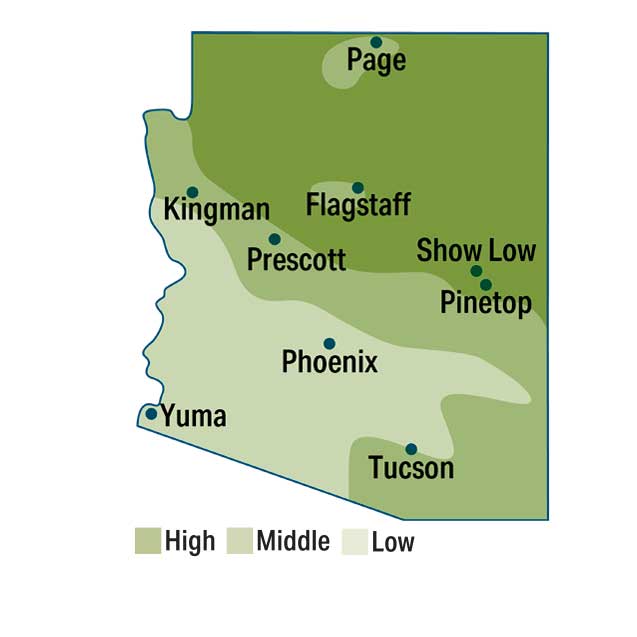
Low to Mid Elevations
Following package directions, feed citrus trees with citrus fertilizer around Valentine’s Day. Spread fertilizer out over the root zone of the tree, which is the area that extends from the trunk to just beyond the reach of the branches. Lightly rake the fertilizer into the top inch of soil and water well to help nutrients reach the roots. This is the first of three applications needed throughout the year with the other times being in late May and early September.
Keep an eye out for aphids, tiny green or brown soft-bodied insects that congregate on new growth. While most plants can handle some aphids without intervention, large amounts of the pests may cause wilting. Spray them off with a strong water jet from the hose or squash them by running your finger and thumb down the stem. Insecticidal soap can be sprayed on affected parts of the plant. Aphids appear on stems, flower buds and on the undersides of leaves. Spring is their most active season, and they will usually disappear in summer.
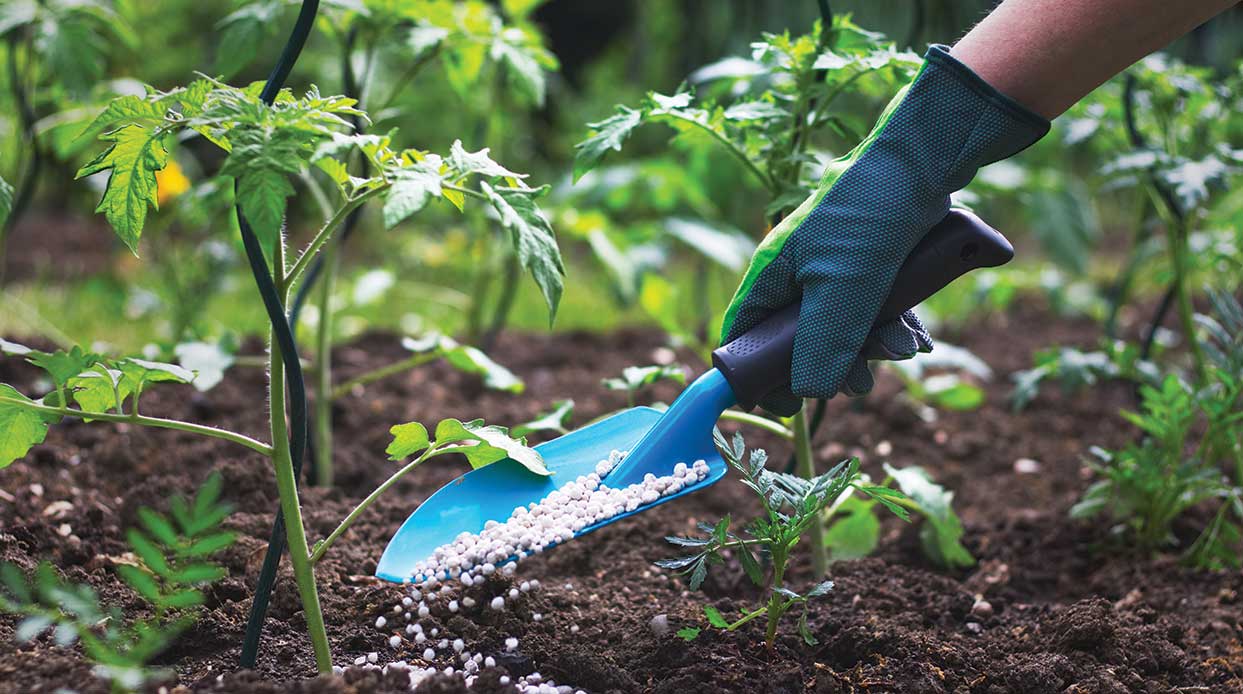
Feed roses in March to help with bloom production throughout spring. Use an organic fertilizer formulated for roses, which lasts longer than synthetic formulations and helps create a beneficial environment for microorganisms that maintain healthy soil. Lightly rake the fertilizer into the top inch of soil and then apply a 3-inch layer of compost, which keeps roots at a comfortable temperature and improves the soil as it breaks down. The better the soil, the more flowers your roses will produce.
Plant tomatoes out in the garden once the threat of freezing temperatures has passed. The earlier you get them in the garden, the longer they have to produce fruit before the heat sets in. Corn, cucumber, melons and squash can be sown from seed once the weather begins to warm. Be ready to protect young plants and seedlings with frost cloth if a late freeze occurs.
High Elevations
March is a great time to prune plants, including trees, roses and summer-blooming shrubs. Cool-season vegetables, such as broccoli, carrots, cauliflower, leaf lettuces and radishes can be planted once the soil temperature is above 45 degrees. A soil thermometer is a handy tool to help you determine when you can begin planting outdoors. Keep an eye out for freezing temperatures and protect frost-tender plants as needed.
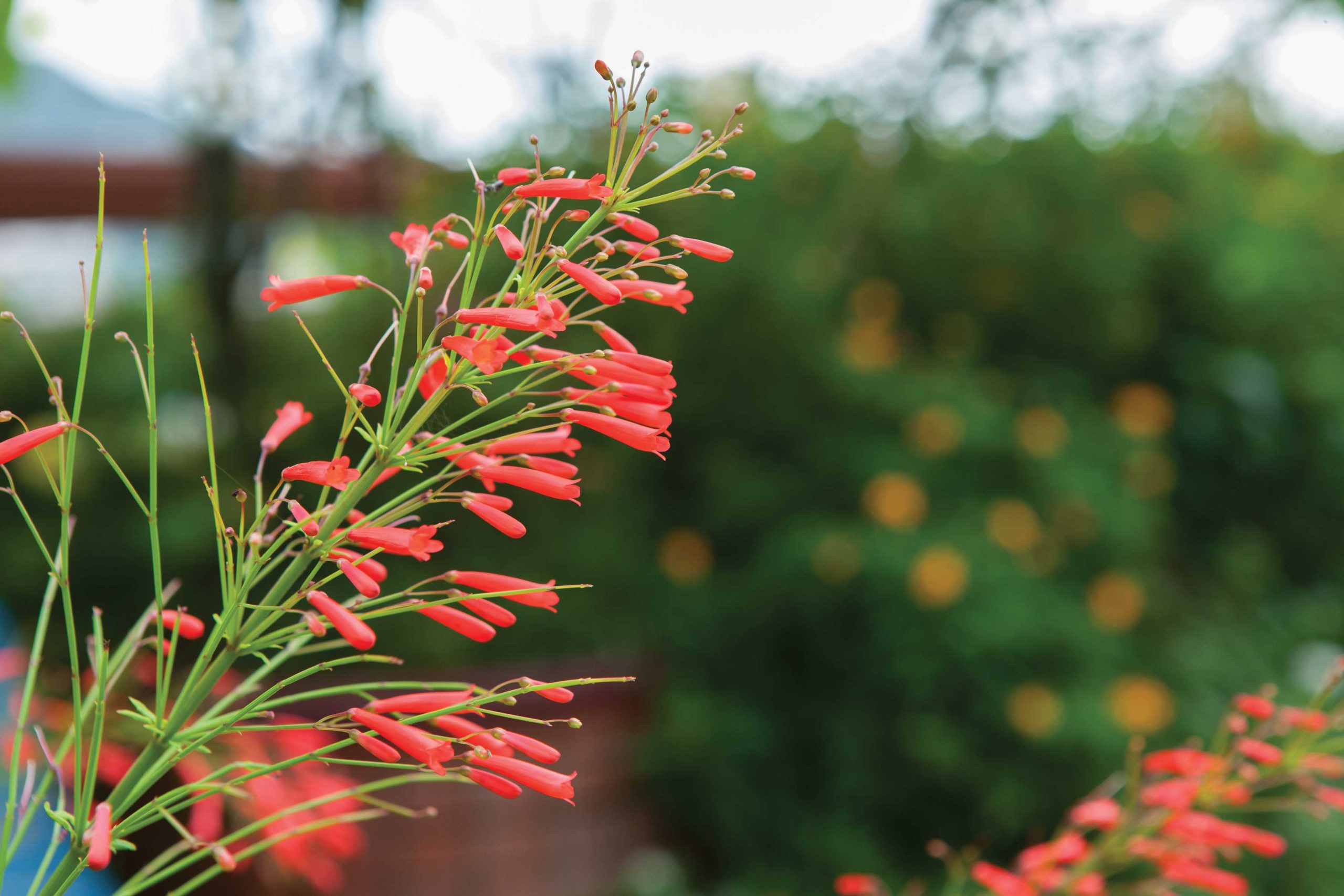
I love the look of flowers in containers, but I don’t have the patience for all the watering, fertilizing and deadheading needed to keep them looking their best. Is there an alternative that will look pretty but will be less time-intensive?
The great news is that flowering annuals aren’t your only option for filling your pots with colorful plants. Many flowering shrubs are suitable for growing in containers where they add beauty to your outdoor spaces. They are an affordable alternative, as they don’t need to be replaced twice a year. Additionally, they require fewer applications of fertilizer and water. Use larger containers—at least 20 inches tall and wide, and plant bougainvillea (Bougainvillea spp.), Baja ruellia (Ruellia peninsularis), coral fountain (Russelia equisetiformis) or yellow bells (Tecoma stans), which will provide color and interest with less work.
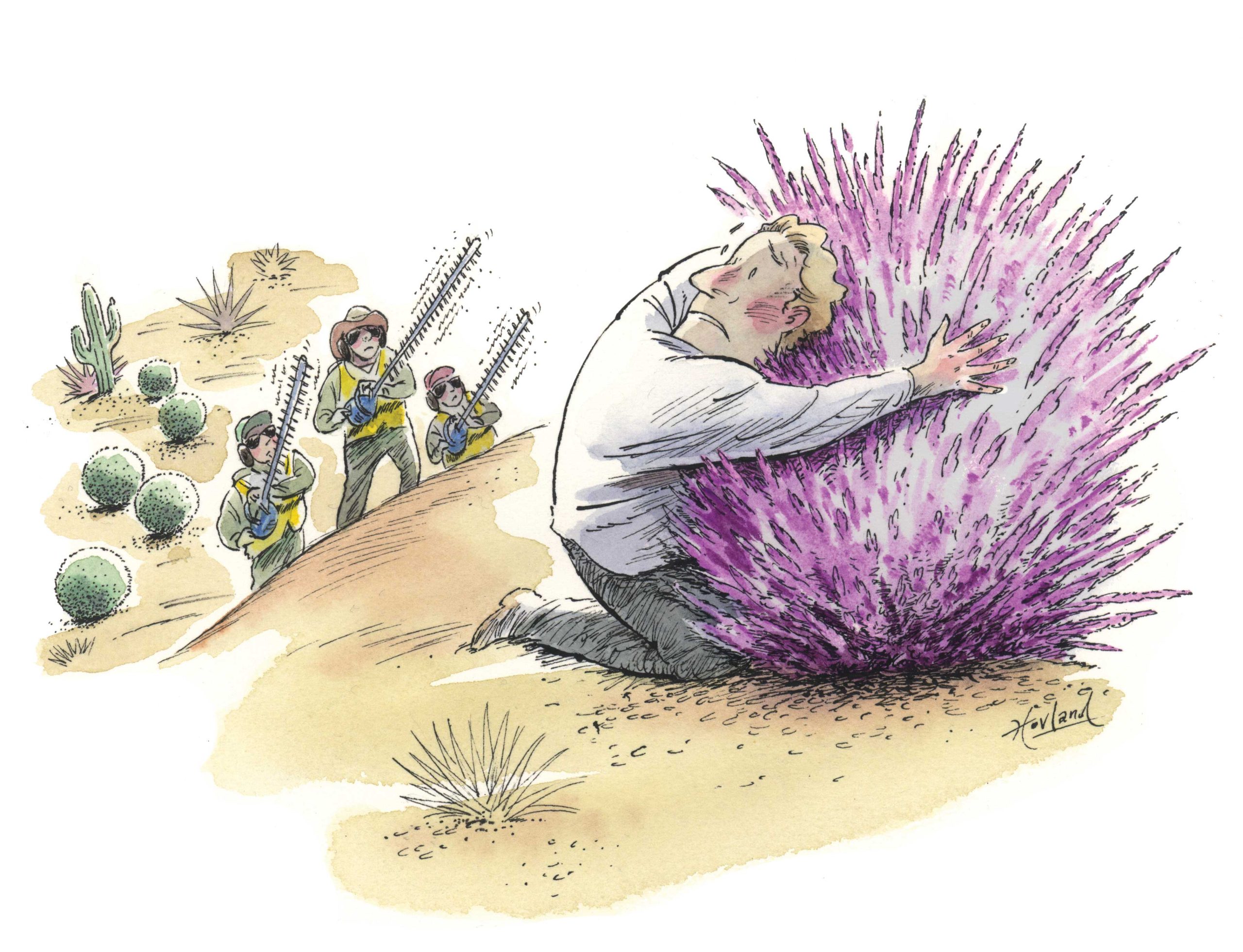
My landscapers keep pruning my shrubs into round shapes. I prefer the natural shape of plants and would like more blooms. Do I need to pull my shrubs out and start over, or can I get rid of their ‘formal’ shape?
Flowering shrubs are frequently sheared into formal shapes and this practice is the default style of many landscape crews. However, this type of pruning isn’t healthy for plants, as it shortens their lifespans, increases their water usage and is unnecessary. In many cases, you can prune back shrubs to 12 inches tall to remove old growth and let them rejuvenate in spring. New growth will typically appear within eight weeks. Moving forward, instruct your landscapers to allow your shrubs to grow to their natural shapes. If given enough room to grow, most will need pruning only once a year. Older or unhealthy plants may not grow back and can be replaced with new ones.
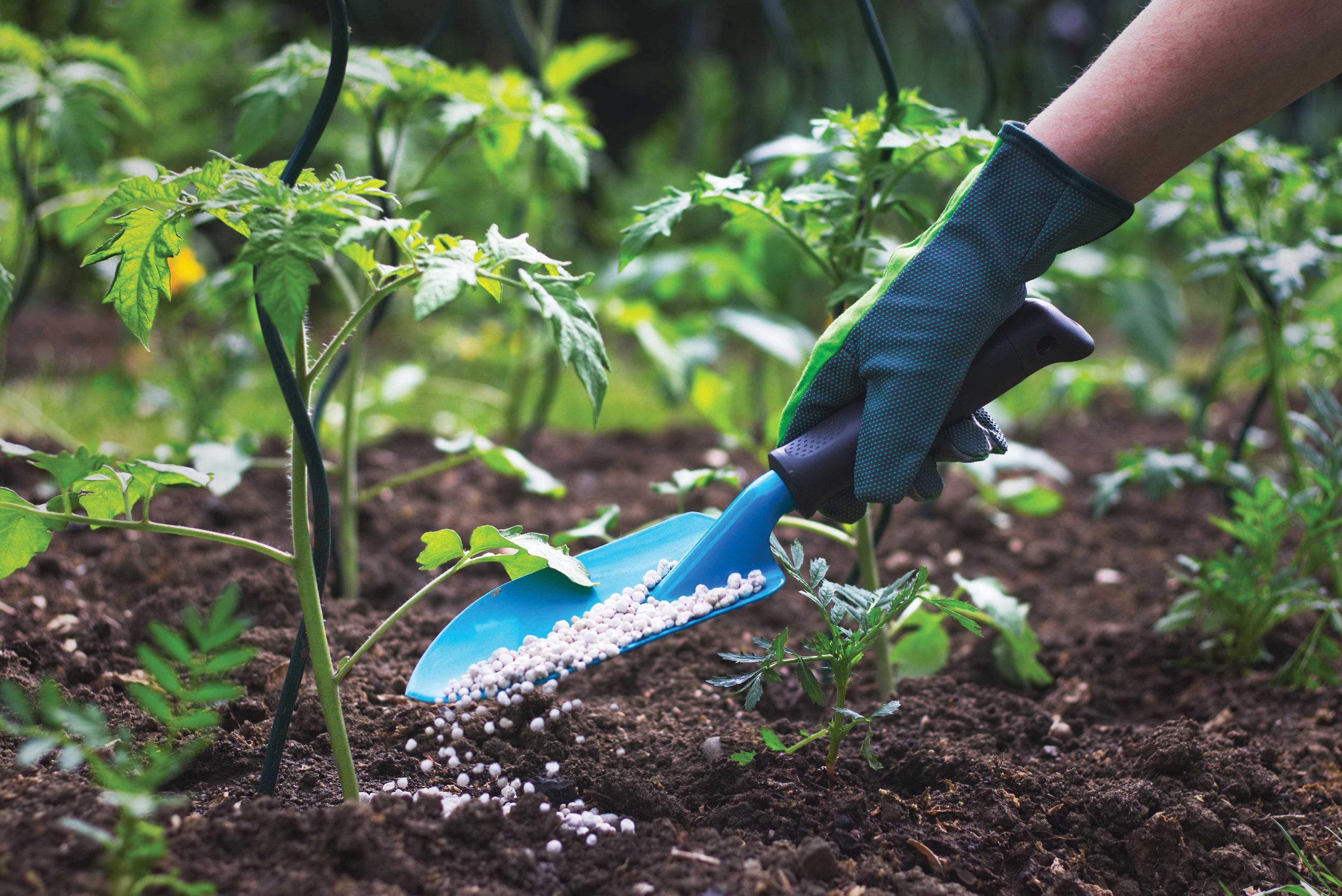
I fertilize the plants in my landscape each spring, but my neighbor never does. Their trees and shrubs look as healthy as mine do. Is it necessary to feed mine?
Arizona’s desert soils are not high in nutrients, but in most situations, you do not need to fertilize your plants. Our plant palette is primarily composed of native flora or those that come from similar arid climates that are accustomed to the soil nutrient levels we have. Too many nutrients (such as nitrogen) can stimulate excess foliage growth at the expense of blooms. For most plants, you can skip the fertilizer, unless you see signs of nutrient deficiency, such as yellowing foliage. Those that do need feeding are container plants, flowering annuals, fruit trees, herbs, roses and vegetables.
Send your gardening questions to info@azplantlady.com.