


Can You Remodel a Historic Home While Preserving its Original Features? 3 Common Design Questions Answered
Your architecture, interior design, building and landscape questions answered by Valley pros.
Architect
Jessica Hutchison-Rough, AIA, LEED AP, Urban Design Associates
What is a popular design trend that you do not see going the distance?
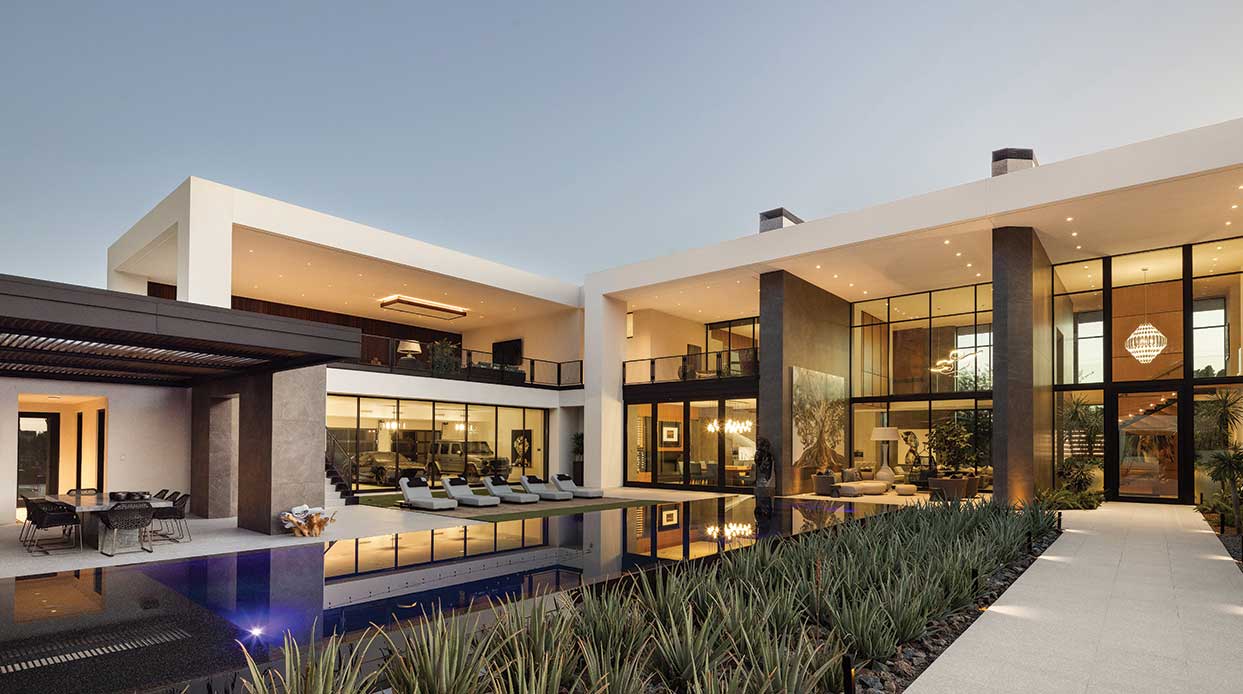
One that I believe may not endure in the long term is the hyper-minimalist approach, which prioritizes extreme simplicity and decluttered spaces at the expense of warmth and character. While minimalism has a sleek and modern look, it sometimes risks creating spaces that feel sterile or impersonal. Functional design often requires a balance between simplicity and comfort, and it’s important to infuse a space with elements that reflect the personality and lifestyle of its occupants. Trends come and go, but well-considered, timeless design that prioritizes the needs of the residents tends to have a lasting appeal.
We often find that our clients bring in contrasting style preferences. Instead of choosing one style over another, we combine elements to craft a cohesive and unique aesthetic that truly feels like home to them. This approach ensures that the design is not only current but also deeply personal and functional, aligning with our philosophy that the best designs reflect the genuine preferences and lifestyles of the homeowners.

Remodel Professional
Cammie Beckert, founder of Cameron Custom Homes and Renovations
We want to update our older home, but we’re worried about losing its historic character. How can we refresh the space while preserving its original features?
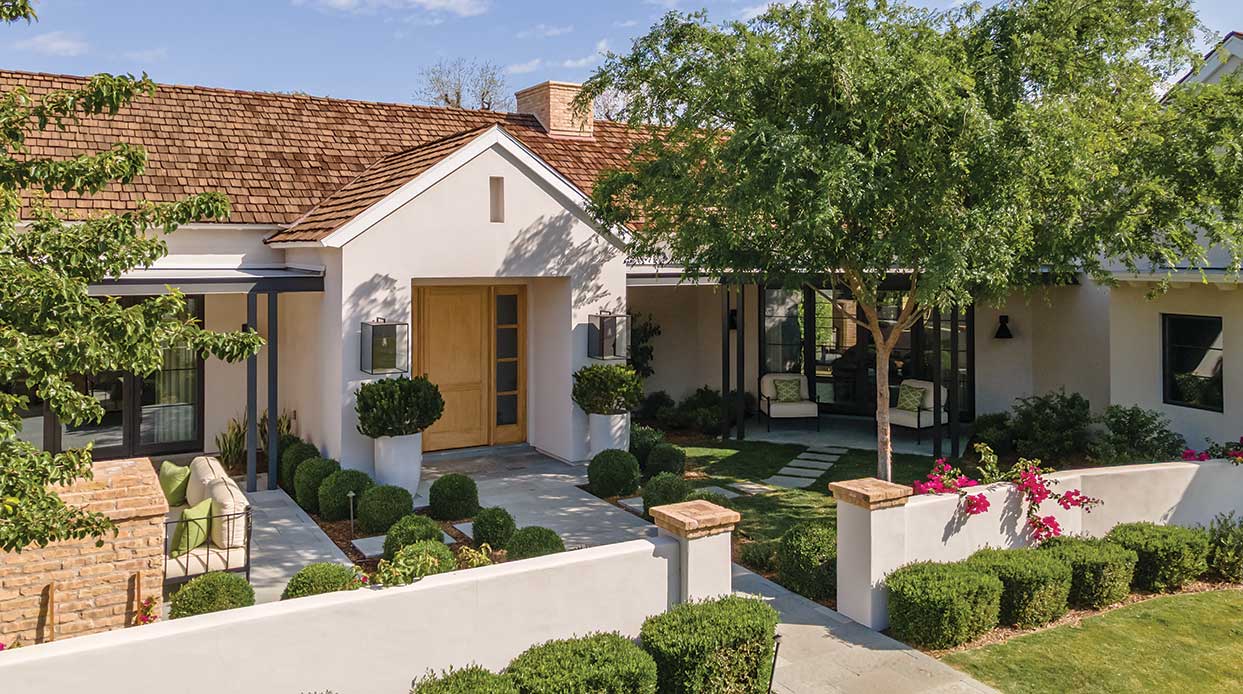
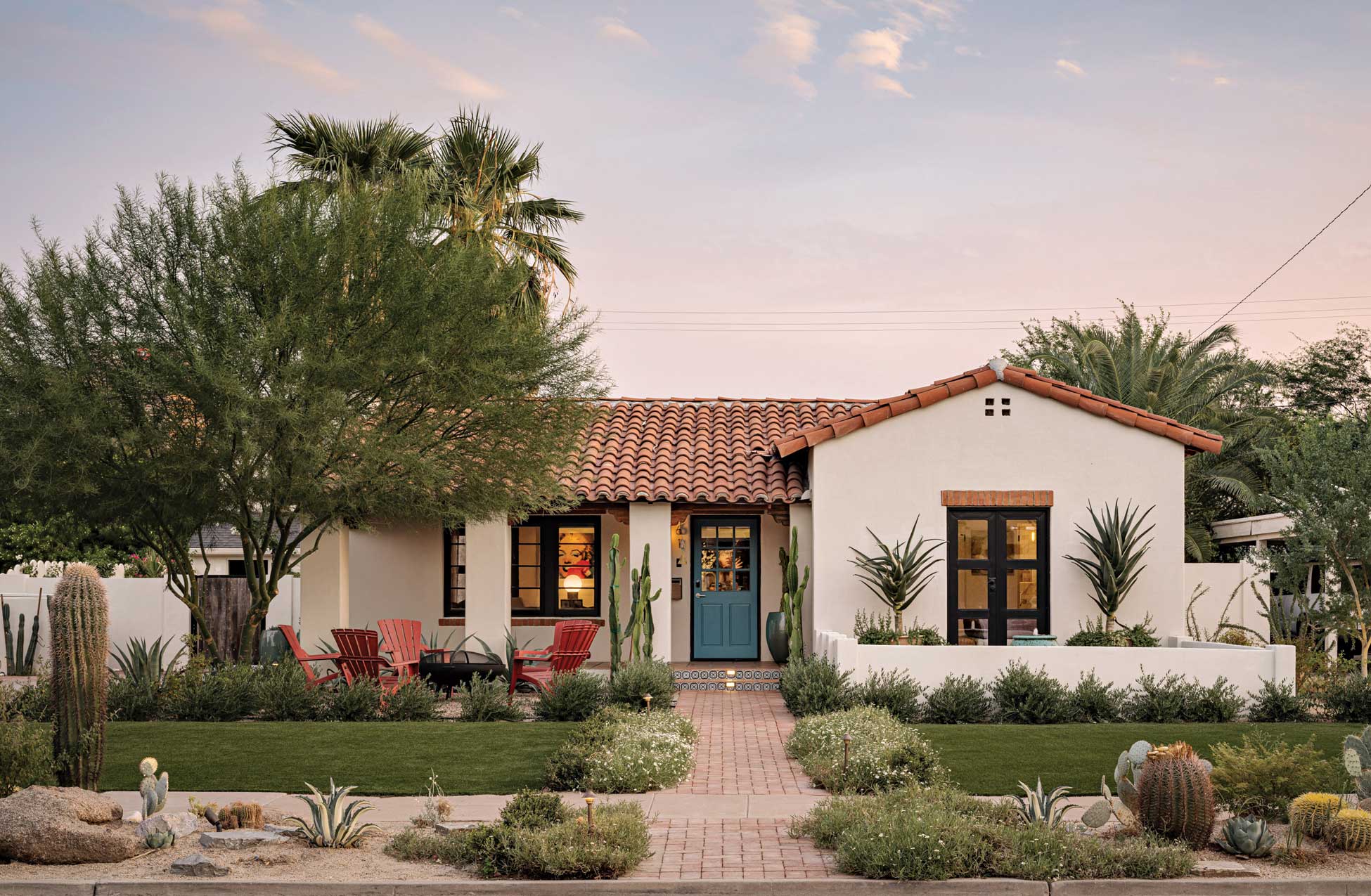
The first step is to determine whether you want to restore or renovate. Restoration restores the home to its original condition, while renovation involves taking a historic home and updating it to include modern comforts. (Tip: Check with your municipality on what you can do to preserve the historic status of the home and take advantage of any special property tax privileges by keeping the home historic.)If you’ve decided to renovate, look at the elements of the home that have the most historic significance. Are there original coffered ceilings, wood beams and wood floors? Is there brick or stone hidden behind a plastered wall? Are there elements such as a pass-through from when milk was delivered to the house? These are the unique features of the home that add character and charm. They are almost always worth preserving.
From there, decide which rooms lend themselves well to renovating. Typically, these are areas where you’ll spend the most time, such as the kitchen and primary bedroom and bath. Feel free to mix contemporary architecture with historic architecture. One does not take away from the other.
When it comes to selecting materials, wood and stone typically don’t fight with original elements. Marble especially looks good, as it has a design effect that marries old with new. Consider saving original wood floors, which can easily be stripped down, sanded and either lightened or stained to any darker shade you desire. Be on the lookout for period-correct light fixtures. It’s the small details that tie historic architecture to the remodel.
Interior Designer
Maria Zambrano, Allied ASID, Maria Z Interiors
I want a modern kitchen, but my home is more traditional. Do I have to choose one or the other?
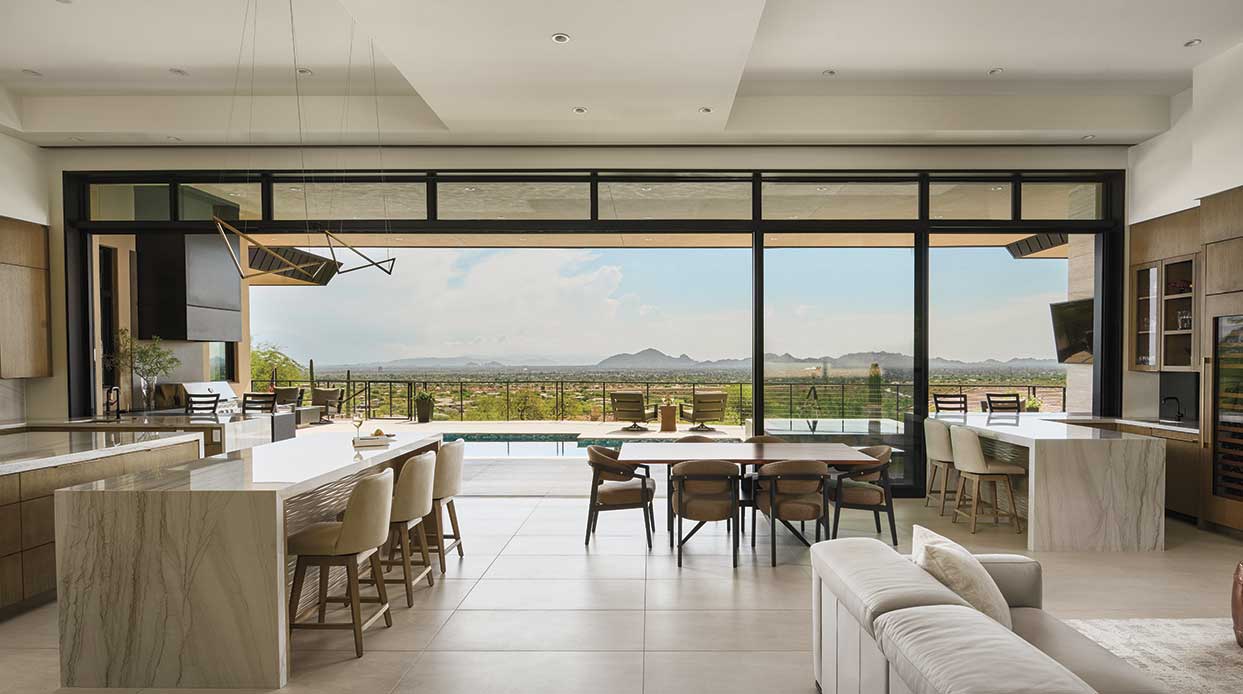
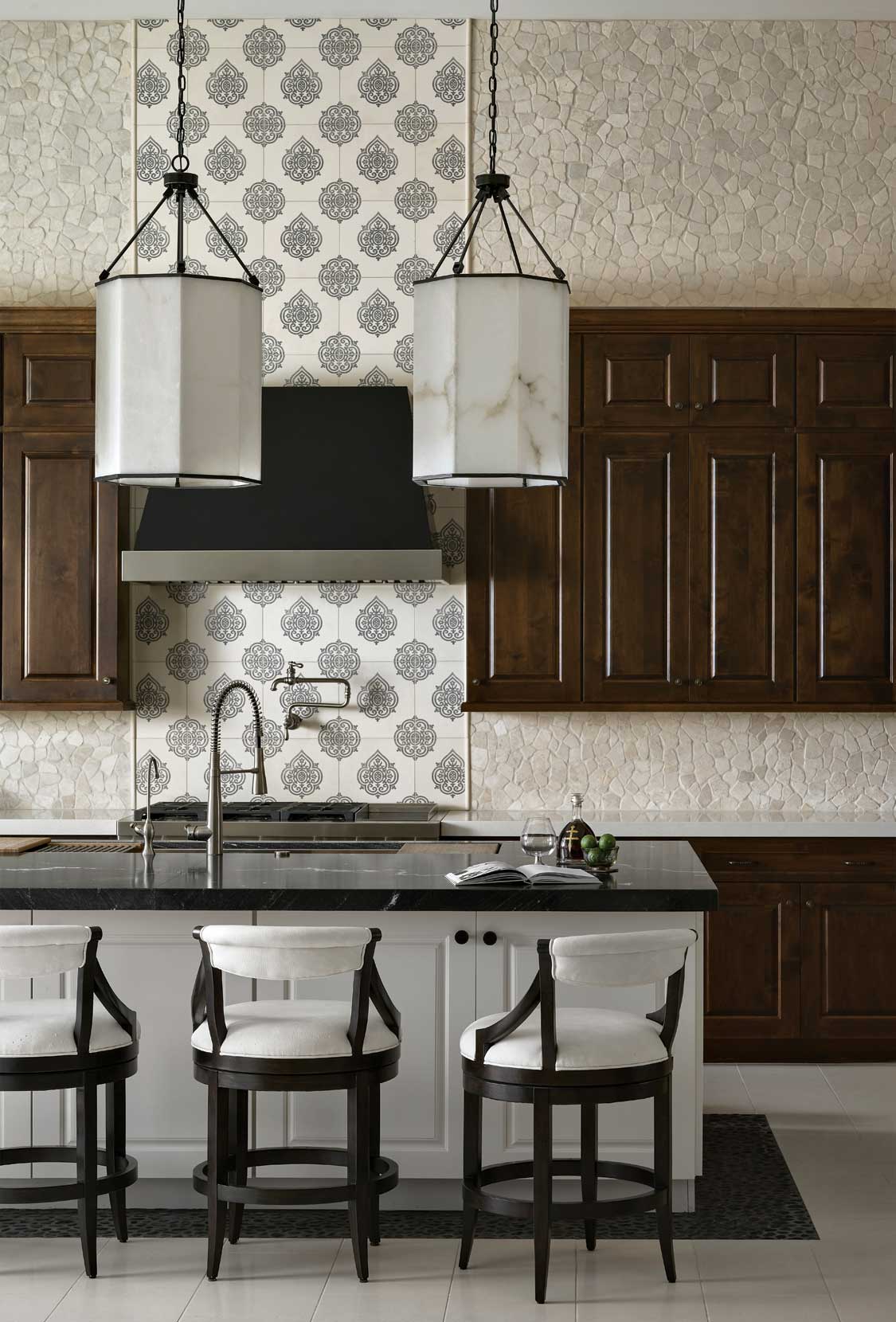
All things—fashion, design, etc.—evolve with time. We often hear the words ‘timeless’ or ‘effortless,’ but what do they mean? To accomplish this look, integrate natural materials such as wood, stone, metal, cotton and linen. Embrace combining the old and new. Knowing how to mix materials can create a beautiful balance and make a room look exquisite and classic. If you want your home to look timeless, bring elements into the space that have character and patina, such as an old brick wall or the tongue-and-groove in the ceiling from a reclaimed or recycled building. When you combine a modern kitchen with some elements of the past, for example, you create a space that is inviting, comfortable and familiar. We call it ‘the yin and the yang’—opposing forces that complement each other. This is why a home with a traditional style will look completely transformed by adding, for example, modern furniture or a sheer, lightweight drape. I observed this concept of balance in Italy going to Salone del Mobile, a furniture and design trade fair held annually in Milan. Italians know how to integrate the right mix of new and old elements. Their furniture designs are usually photographed in an old villa with fresco walls and an ancient mosaic floor. Don’t be intimidated by mixing the modern and traditional to create enduring spaces.
SOURCES
- Interior designer: Maria Zambrano, Allied ASID, Maria Z Interiors, Paradise Valley, mariazinteriors.com.
- Architect: Jessica Hutchison-Rough, AIA, LEED AP, Urban Design Associates, Scottsdale, urbandesignassociates.com.
- Remodel professional: Cammie Beckert, founder, Cameron Custom Homes and Renovations, Scottsdale, cameron-custom.com.