


Can Certain Plants Make Your Home More Vulnerable to Wildfires? 3 Common Design Questions Answered
Your architecture, building, interior design and landscape questions answered by Valley pros.
Submit your design questions to phgmag.com/ask-the-experts for the chance to be featured.
ARCHITECT
Darren Petrucci, AIA, Architecture – Infrastructure – Research, Inc., (A-I-R)
I am building a new home and want to ensure it is efficient, especially during the summer months, when my electricity bill is as high as the temperatures. What are some design strategies and architectural solutions to keep a home cool in this environment?
In desert climates, keeping homes cool requires strategies that work with the environment rather than against it. One practical approach involves planting vegetation near window walls in shaded areas. These plantings create a microclimate that preconditions the air before it reaches the building, lowering its temperature and improving comfort.
Integrating thermal mass materials such as brick or concrete blocks on the interior side of walls also helps. When paired with insulation placed on the exterior, these materials absorb and slowly release heat, keeping indoor spaces cooler during the day and warmer at night or in winter. This setup stabilizes interior temperatures and reduces the need for mechanical cooling and heating.
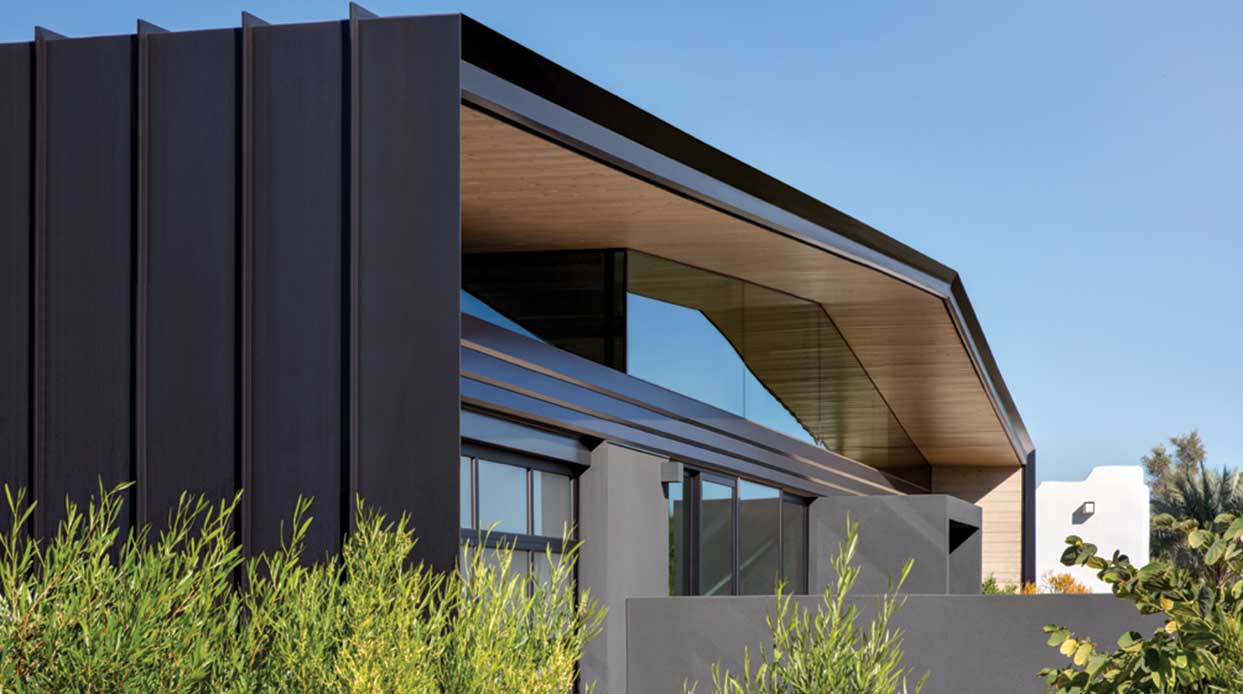
Managing sunlight is another key element. Concealed exterior shades on the east and west facades help block low-angle sunlight, preventing the intense morning and afternoon sun from striking windows and turning light into heat. Because this shading happens before the sun hits the glass, it is far more effective than internal window treatments.
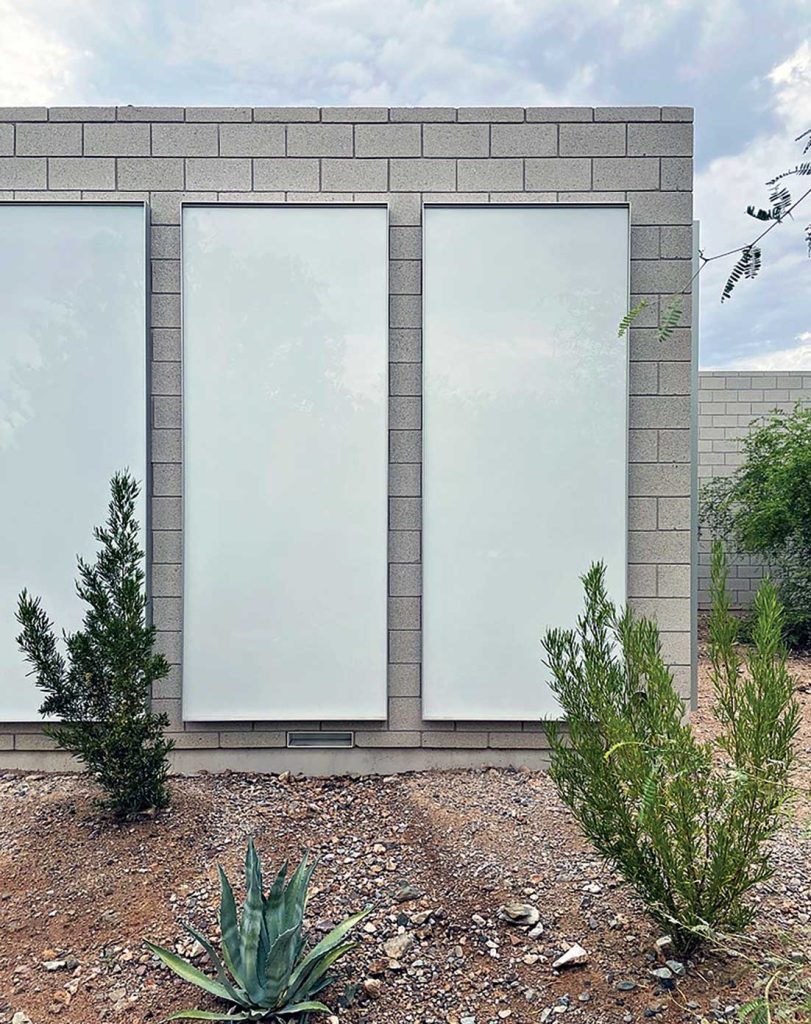
On the south side of the home, roof overhangs or horizontal shading devices are especially useful. These architectural features block the high-angle summer sun, allowing the lower winter sun to enter and naturally warm the space. By combining thoughtful landscaping, smart material choices and climate-responsive shading techniques, homes in desert environments can maintain comfort year-round while reducing energy use and dependence on air conditioning systems.
LANDSCAPE DESIGNER
Donna Winters, Enchanted Garden Landscape Inc.
What landscaping blunders make a residence more vulnerable to wildfires? Are there fire-resistant plants and materials for Arizona yards you can recommend?
Several planning and installation mistakes increase a home’s vulnerability to fires. For the first time, this year, the Phoenix Meteorological Association announced a heightened risk of wildfires as early as February due to the combination of warmer temperatures and windy conditions. Historically, we do not take the threat seriously until May or June.
One of the most important steps is maintaining defensible space. Keep large plants and trees well-trimmed and at a safe distance from your home. Perform annual pruning and maintenance to reduce fire hazards.
Avoid allowing mulch, dry leaves and other debris to accumulate around your house. Ideally, the first 15 feet surrounding your home should be kept clear of anything flammable. This open buffer zone can also serve as an access path in case of emergency. Be sure to remove dead or dried-out plants, trees and flowers.
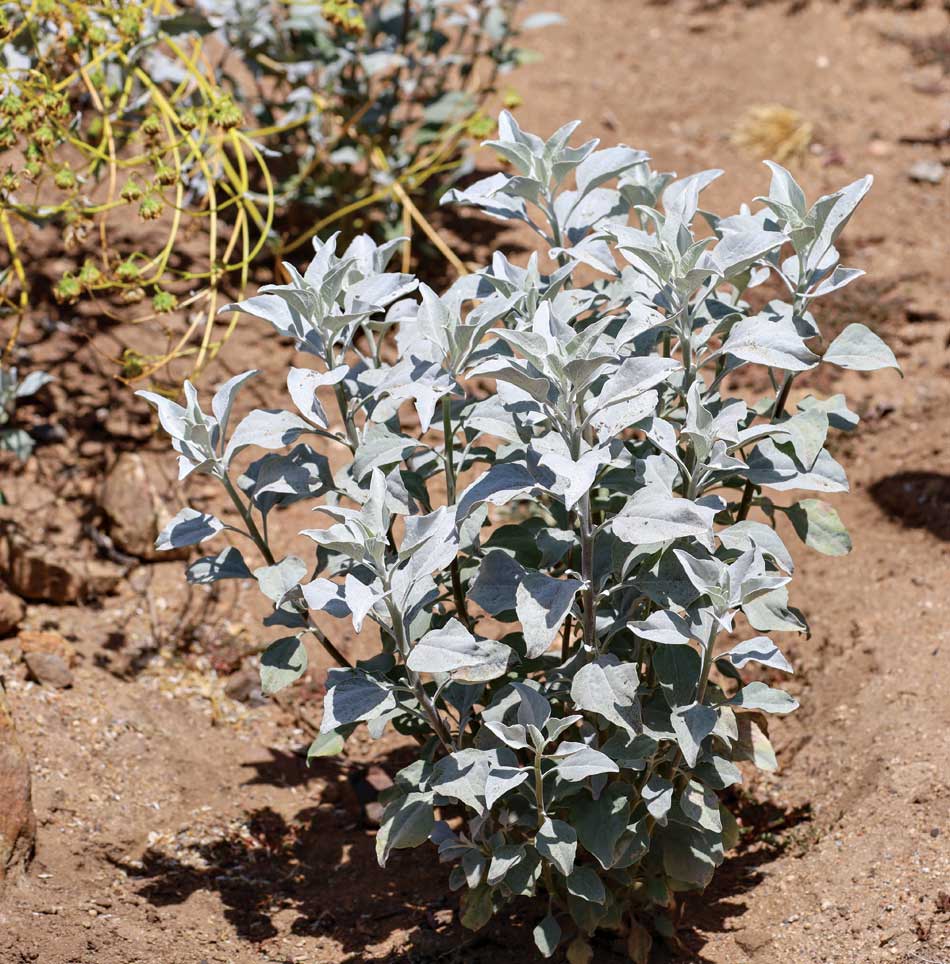
Learn to identify and remove invasive species and noxious weeds, which are often highly flammable. Some of these—such as globe chamomile, also known as stinknet (Oncosiphon piluliferum)—are new to our area and especially concerning. These weeds tend to hold moisture and are often worsened by leaking sprinkler systems.
Also steer clear of highly flammable native species, such as brittlebush (Encelia farinosa). After blooming, this plant becomes dry and poses a fire risk, which has prompted many communities to discourage homeowners from incorporating it into residential landscapes. Thin out older, woody plants while letting younger growth thrive. A pre-emergent herbicide can be applied twice a year to prevent weeds from germinating.
INTERIOR DESIGNER
Amy Klosterman, AB Design Elements
Our dwelling has a lot of natural light, but it can get too bright at certain times of the day. What are some stylish window treatments that also offer light control?
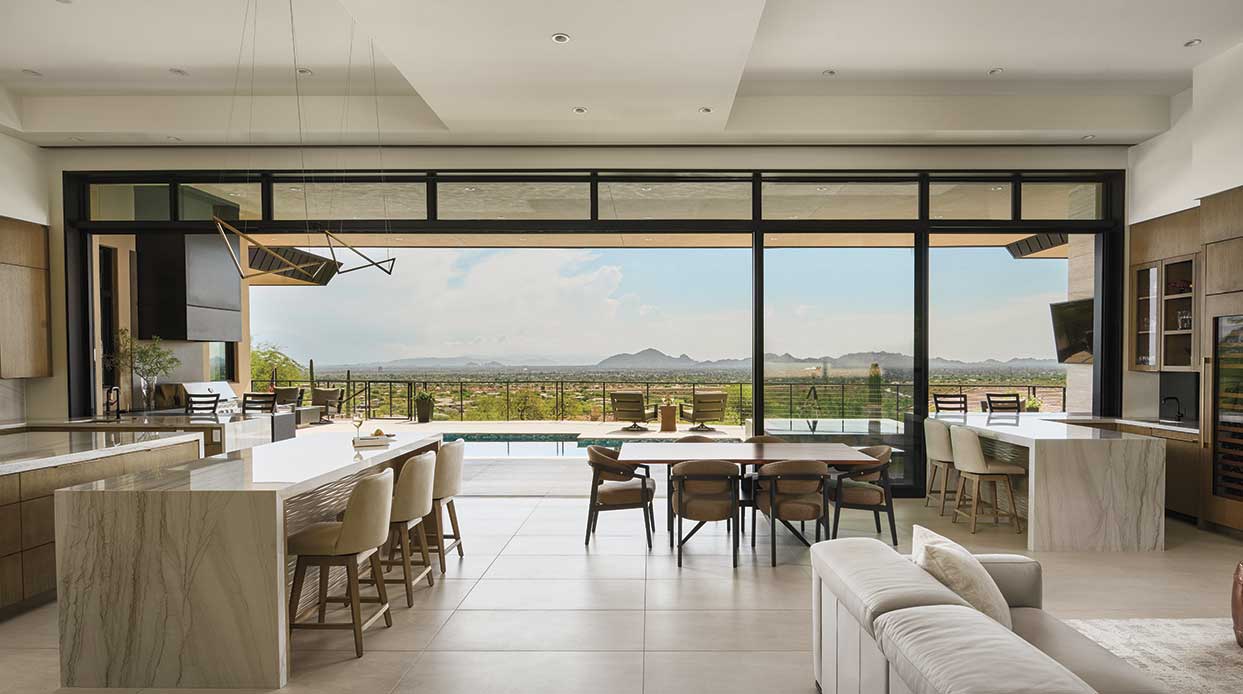
While we all love natural light streaming through our windows and brightening our interior spaces, we also know Arizona’s intense UV light and radiant heat require a multilayered approach to window coverings.
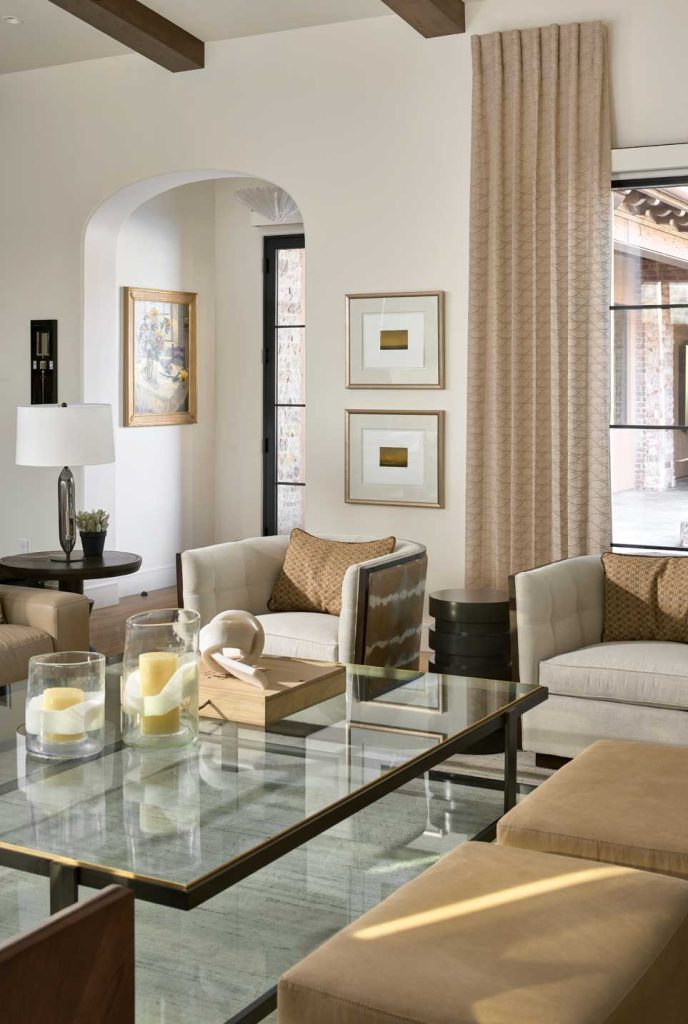
Functional shades and decorative window treatments exist, and often, a combination of both can help manage an abundance of natural light in a space. The first layer can be a functional roller shade, which is a rolled mesh or fabric material offered in a range of light-filtering to room-darkening levels, which can be added to windows to cut the glare while still preserving the view.
In bedrooms, we often do dual shades with one view shade for privacy and one blackout shade, stacked one over the other within a valance that covers the headrails. Roller shades can be motorized (hard-wired or battery) or manual. These roller shades can be combined with drapery panels, which are more of a decorative approach to window treatments. If you don’t need operable drapery panels that fully cover the window, you can opt for fixed panels on either side. Often, just a lightweight, sheer drapery fabric for these panels can add softness, sound absorption and style to a room. For smaller windows within a mudroom or laundry room, consider a patterned fabric or natural-fiber Roman shade that ties in colors or textures from the rest of the space.
Submit your design questions to phgmag.com/ask-the-experts for the chance to be featured.
SOURCES
- Architect: Darren Petrucci, AIA, Architecture – Infrastructure – Research, Inc., Scottsdale, a-i-rinc.com
- Interior designer: Amy Klosterman, Allied ASID, AB Design Elements, Scottsdale, abdesignelements.com
- Landscape architect: Donna Winters, Enchanted Garden Landscape Inc., Phoenix, enchantedgardenaz.com