


Artist Max Hammond Creates Abstract Works That Unfold Like Living Stories

Max Hammond’s layered canvases explode with textures, colors and surprises that keep collectors discovering new thrills.
What does it mean for a painting to unfold slowly, like a thought taking shape? Max Hammond’s canvases reveal themselves in rhythms—marks laid down, scraped away, glazed and reborn—until what remains is both painting and process, a record of discovery.
“I don’t plan paintings,” he says. “I start with a rough sketch, then work in layers, painting, scraping back, glazing and burnishing. I like wandering through the painting, not knowing where it will lead.”
Hammond’s path to art began far from the galleries where his work now hangs. He grew up in Salt Lake City in a home where art was neither practiced nor prized. “There was no art scene where I lived, and my family had no interest in art,” he recalls. “My dad was a sweet man but had a hard time accepting that I wanted to go into the business. He just didn’t get it.”
Still, curiosity propelled him forward. At age 12, he came across the bold canvases of Franz Kline in his local library. “They blew my head off,” he says. “I didn’t know art could look like that.”
At first, he followed a more pragmatic course, drawn to engineering in the Apollo Space program era of his childhood. But eventually, he returned to painting, enrolling at the University of Utah, where he earned a bachelor of fine arts degree. One professor quickly noticed his pull toward abstraction. “He told me, ‘You do well with the figure, but you seem to love color and texture more. Why not let go of the form?’ Once I tried, I was hooked.”
Color soon became the heart of his practice. A formative trip to Mexico and later travels through Latin America immersed him in vivid hues. “The poorer it got, the more color there was,” Hammond remembers. “That may be what got me using so much color in my work.”
Christi Bonner Manuelito of Scottsdale’s Bonner David Galleries sees that influence clearly. “Max’s work, while abstract, has so much depth and beauty to it,” she says. “It captures your attention and holds it. Even if you don’t know the meaning, it gives you a sense of exploration within the work.”
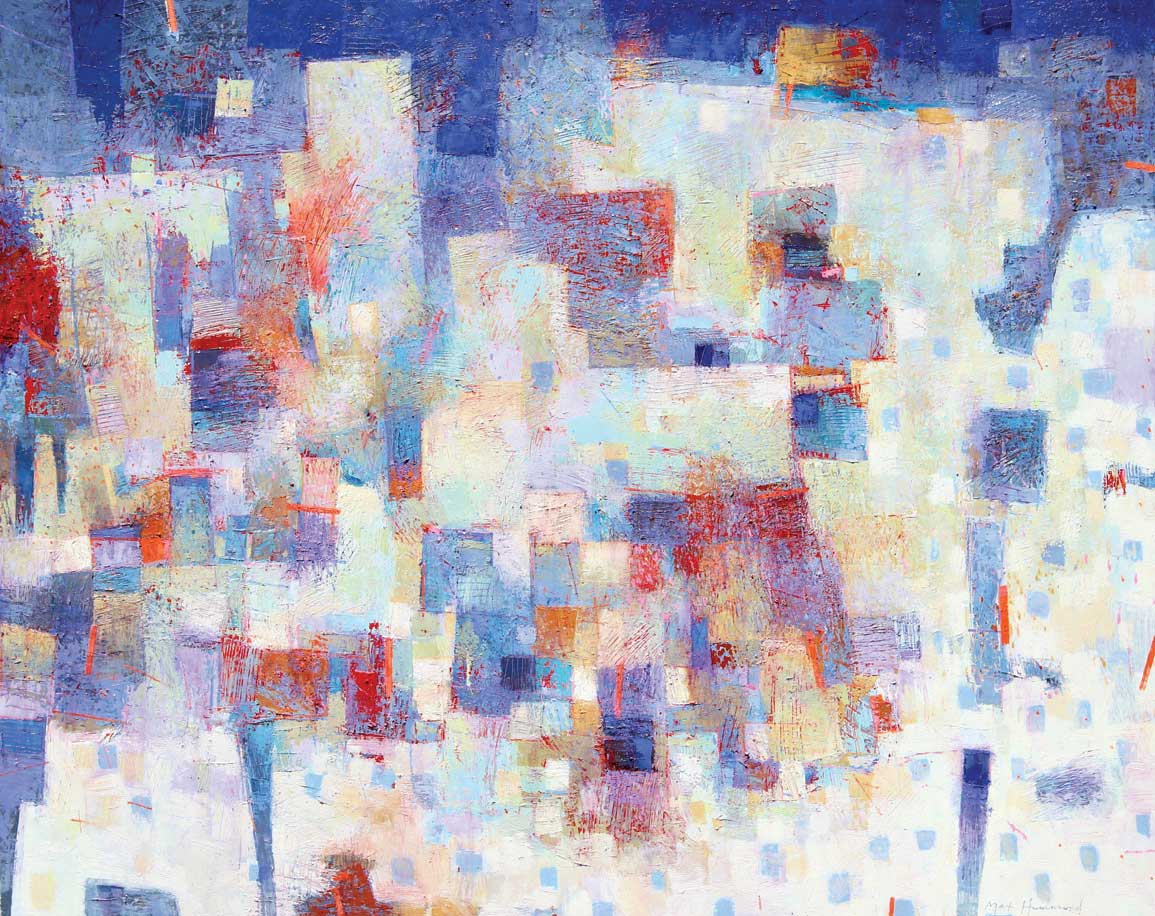
Collectors echo that experience. Paul and Nancy Buscemi discovered Hammond’s paintings while searching for art to fill their Manhattan apartment. “The two pieces in our dining room are full of bold brushstrokes and geometric figures, while the large one in our living room reminds us of New York buildings,” Paul says.
For Nancy, it’s simpler. “It’s pure joy,” she says. “When I raise the shades in the morning and see our Max paintings, they make me start my day with a smile. His colors are vivid and happy, and they just make me feel joy.”
Todd Stephenson and Joyce Mullen of Phoenix also live with Hammond’s work. “I still love finding patterns and textures in the piece four years after we acquired it,” Stephenson says of their first painting. Two years later, they added two more. “They now hang just beyond the dining room table, and I have been known to get lost in them during Joyce’s dinner parties,” he admits.
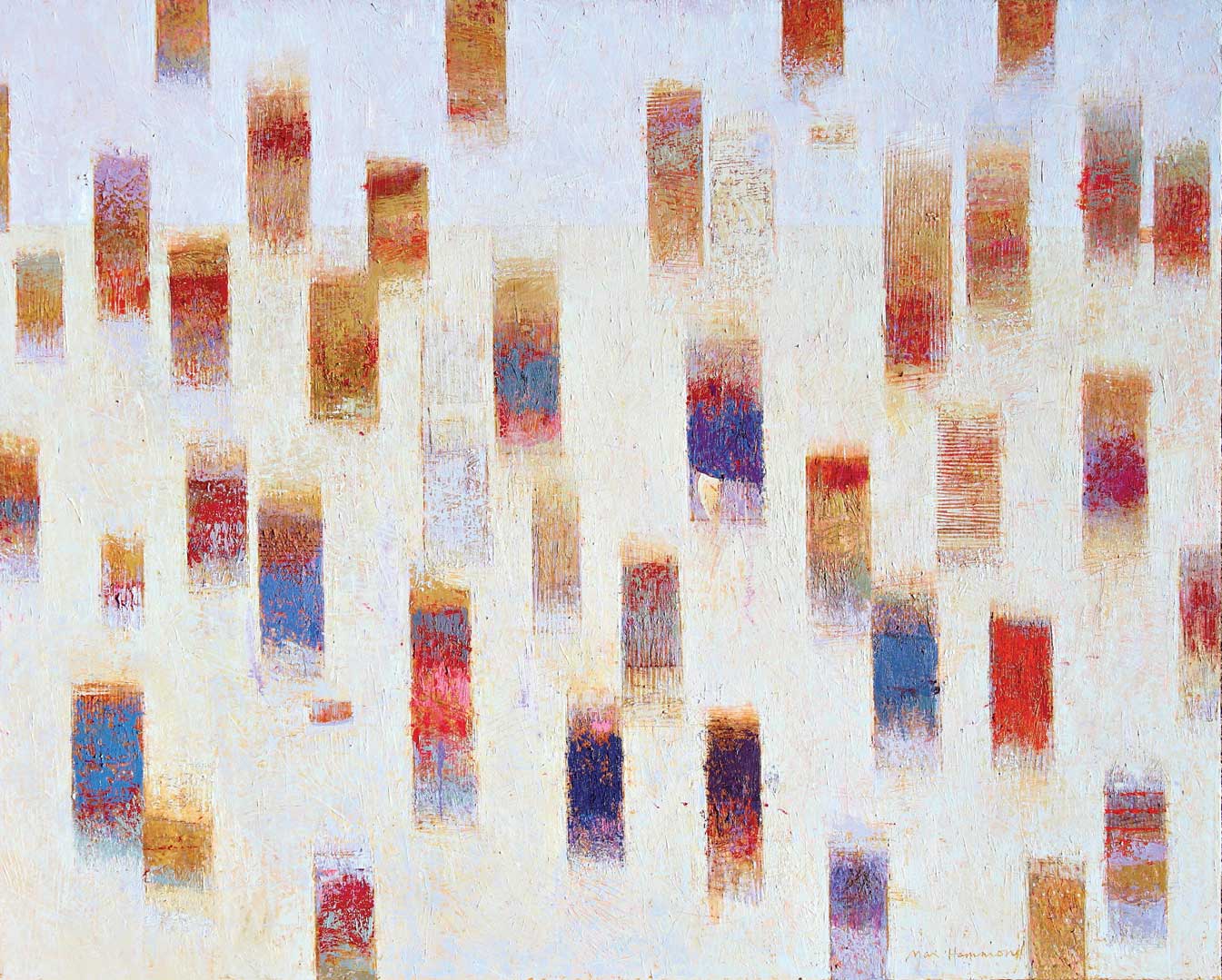
That ongoing experience of discovery lies in Hammond’s layering process. He begins with opaque colors, overlays them with transparent glazes, then scrapes and abrades with sharp tools. “The colors and textures are like words to a writer,” he explains. “They become a narrative—one passage leading to the next.”
Surprisingly, grays anchor the work. “The more gray you use, the brighter the colors become,” the artist says. “When I’ve been mixing grays all day and then I step outside, the world feels almost too intense.”
His balance of figure and abstraction makes Hammond a bridge for collectors. “He’s what I call a transition artist,” Manuelito says. “People who usually collect traditional fine art often buy his work as their first step into abstraction. His classical training shines through, so his art feels grounded and approachable.”
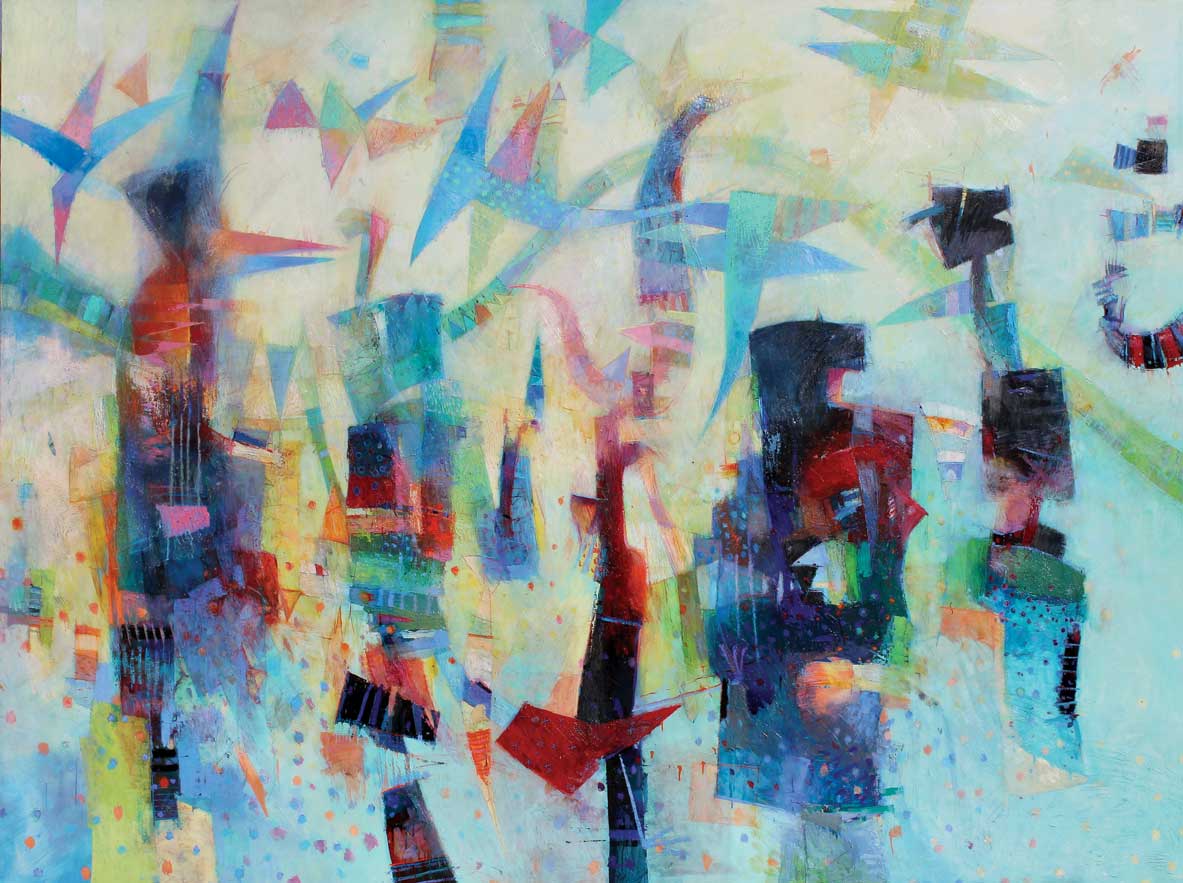
That duality—discipline beneath spontaneity, tradition fueling abstraction—keeps his paintings vital. He shifts between pure abstraction and fleeting figuration, between playful rockets and brooding geometric fields. “If my paintings were songs,” he says, “they’d be losing the lyrics and just playing the instrumentals.”
And like music, Hammond’s art lingers. “You never get tired of looking at them,” Nancy Buscemi says. “They work with everything.”
For Hammond, the process is never static. “Some years, I leap toward something new, then circle back to my older work,” he says. “I’m always experimenting, still trying to surprise myself.”
In his Scottsdale studio, canvases in progress line the walls, each accumulating layer upon layer of color and abrasion. “A painting is done when I can’t think of a thing to make it more interesting,” Hammond says. That restless searching is what keeps his art alive, and what keeps collectors coming back for more.
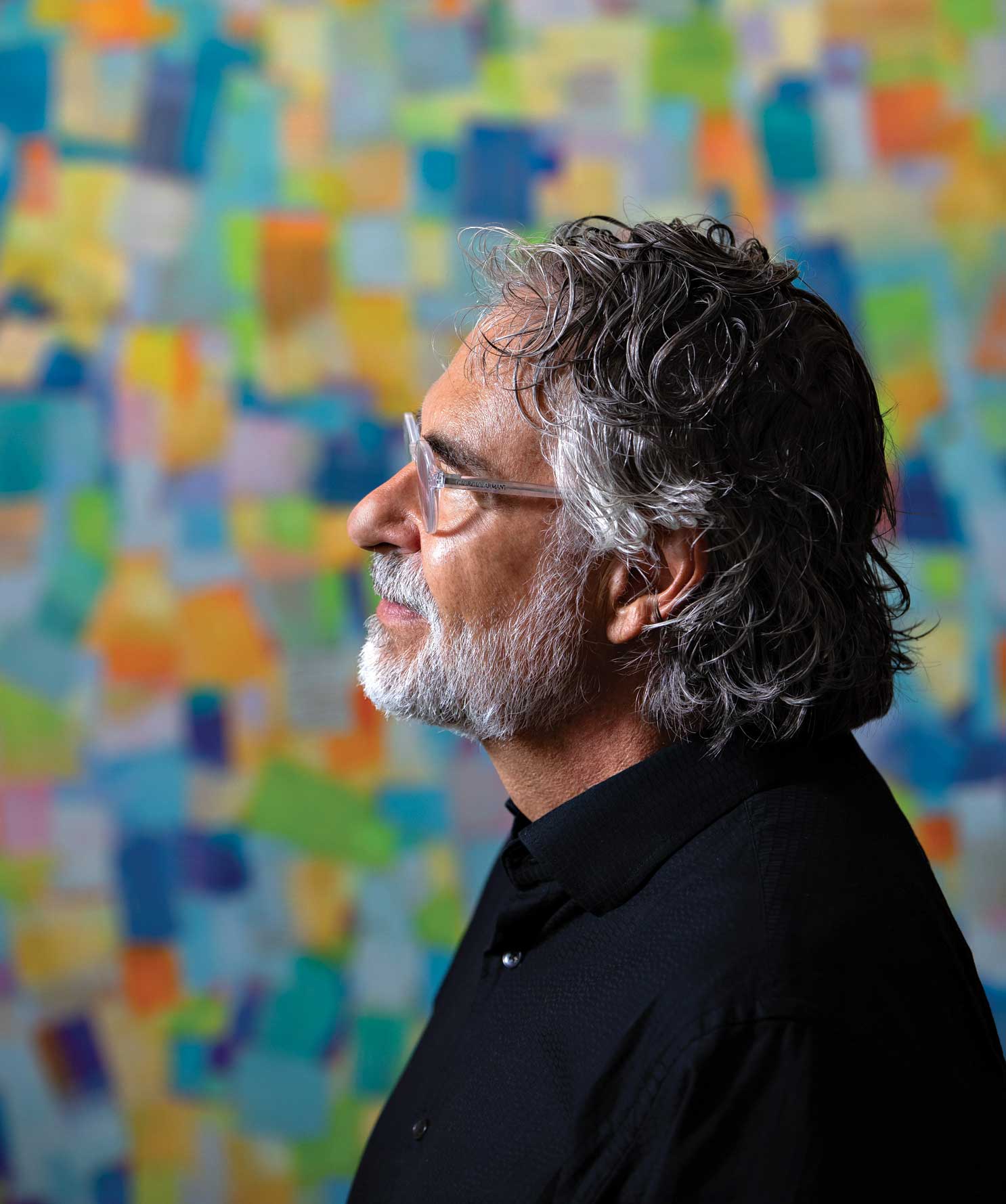
“If my paintings were songs, they’d be losing the lyrics and just playing the instrumentals.”
Max Hammond, Artist
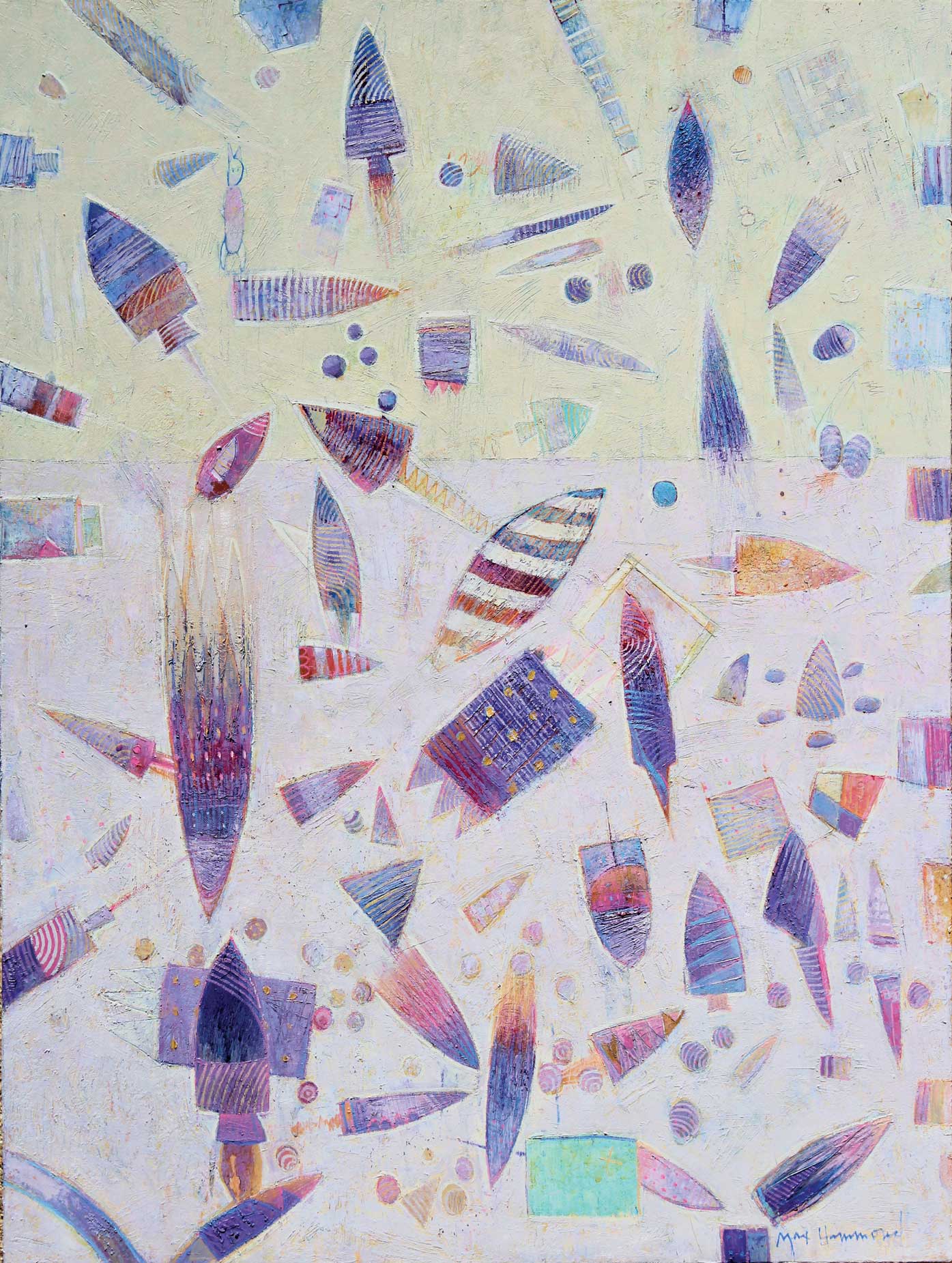
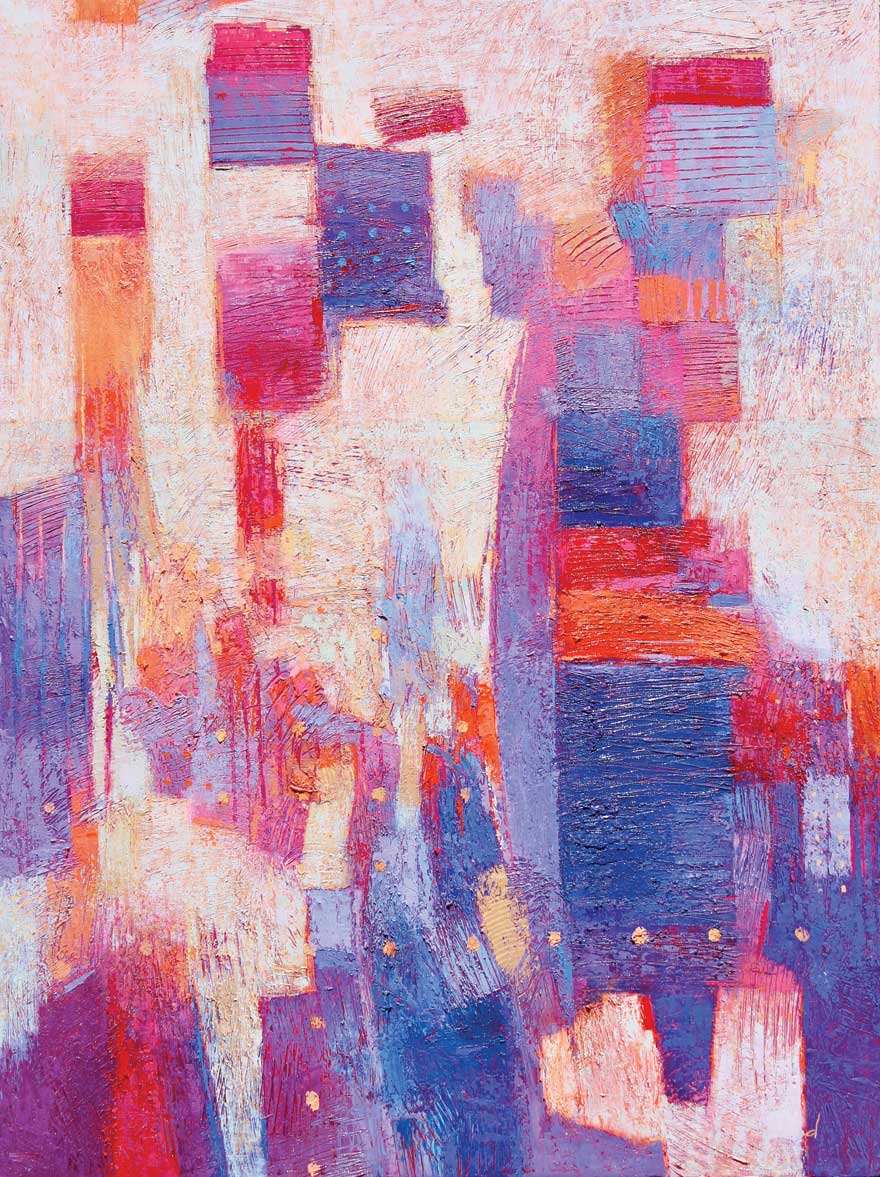
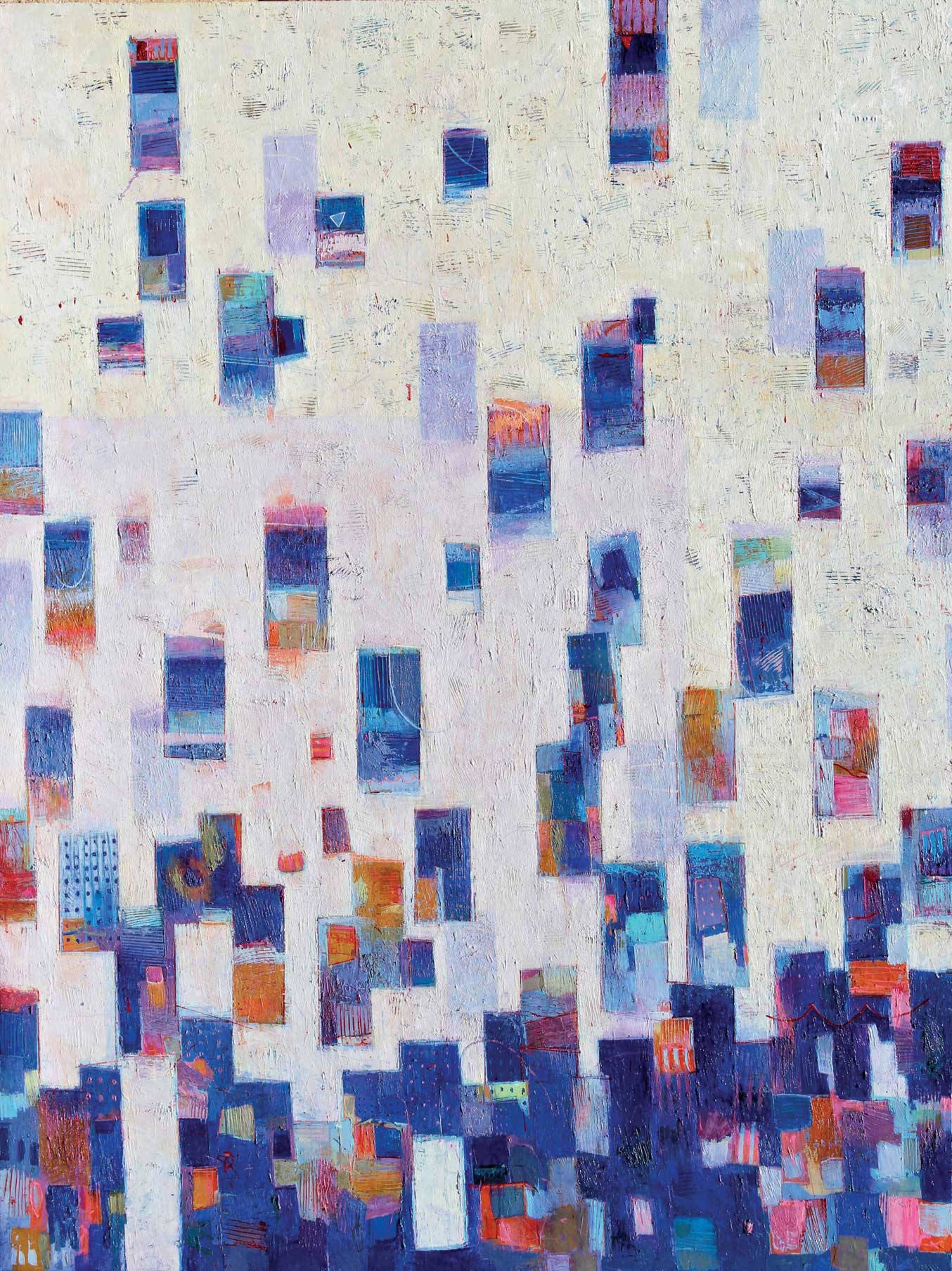
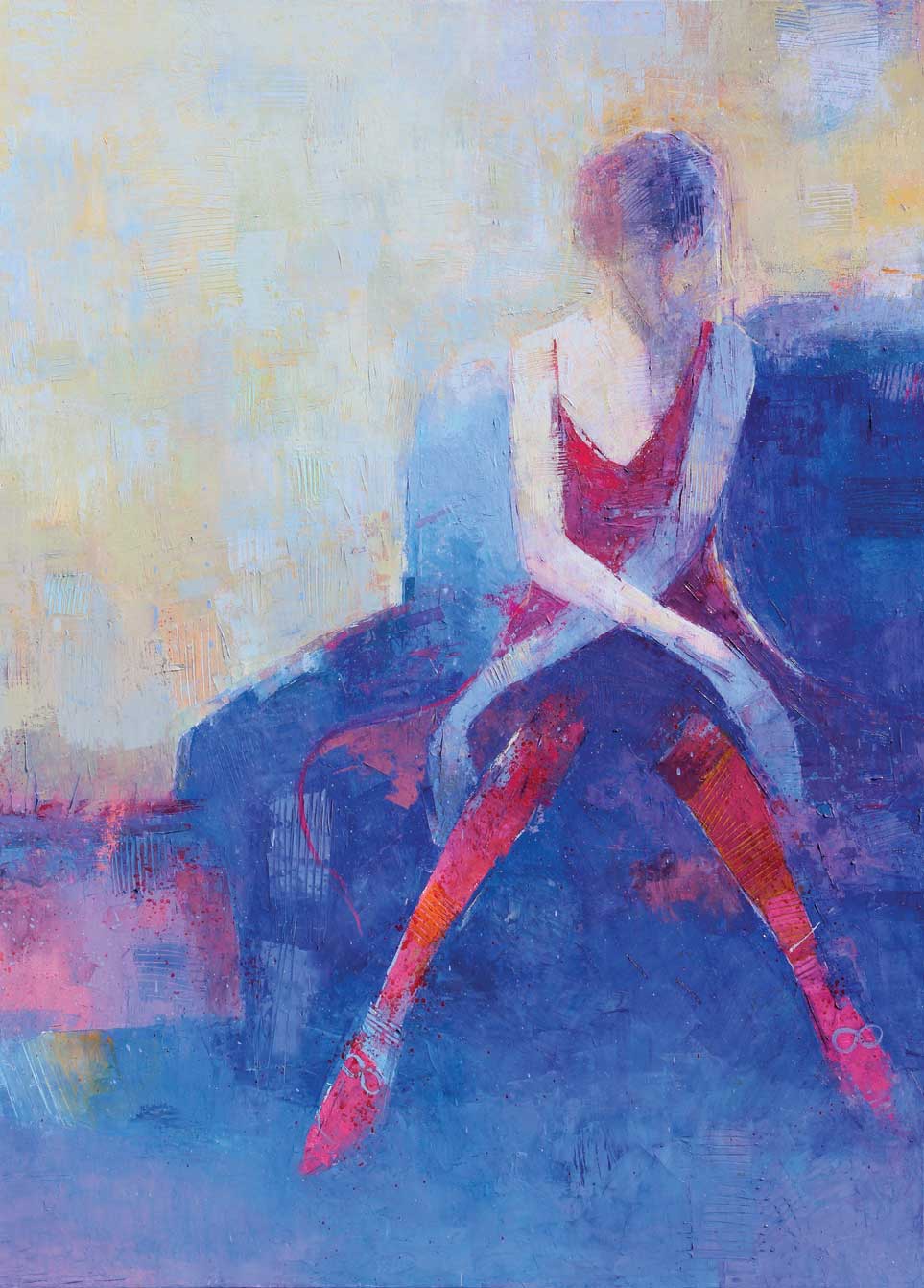
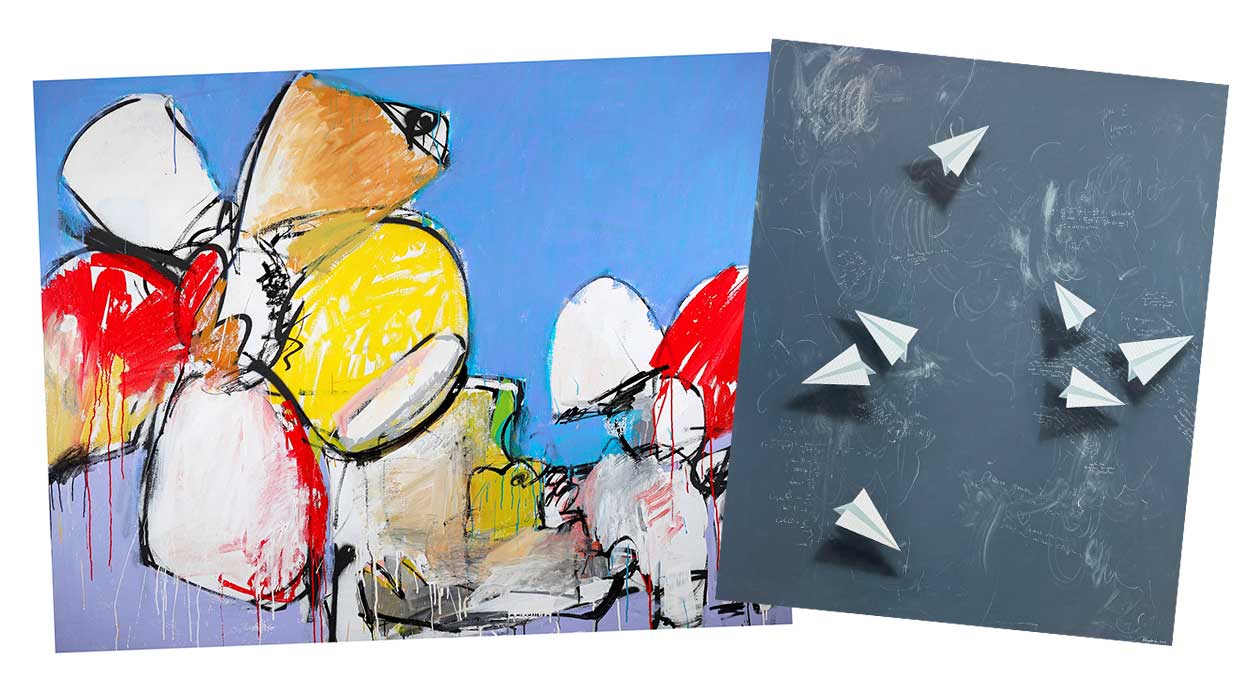
“Notes on Flying Things”
See an exhibition of Hammond’s work at Bonner David Galleries (7040 E. Main St., Scottsdale) Nov. 6–Dec. 2. Opening artist reception, Friday, Nov. 7, 6–8 p.m.
GEOMETRY IN MOTION (Sources)
Artist: Max Hammond, represented by Bonner David Galleries, Scottsdale, bonnerdavid.com