


Are Open-Concept Kitchens Becoming Obsolete? 3 Common Design Questions Answered

Your architecture, interior design, building and landscape questions answered by Valley pros.
Submit your design questions to phgmag.com/ask-the-experts for the chance to be featured.
Interior Designer
Kirsten Holmstedt, Treasure in the Detail
treasureinthedetail.com
We love to entertain and are thinking about knocking out a wall between our kitchen and living room. Are open-concept layouts still popular, or is it smarter to keep defined spaces?
When considering whether to remove a wall between your kitchen and living room, it’s important to prioritize what works best for your family’s day-to-day life and long-term needs rather than focusing solely on trends. At the heart of this decision is understanding how you use the space, how the flow between areas supports your lifestyle, and what design approach creates a home that feels cohesive and functional.
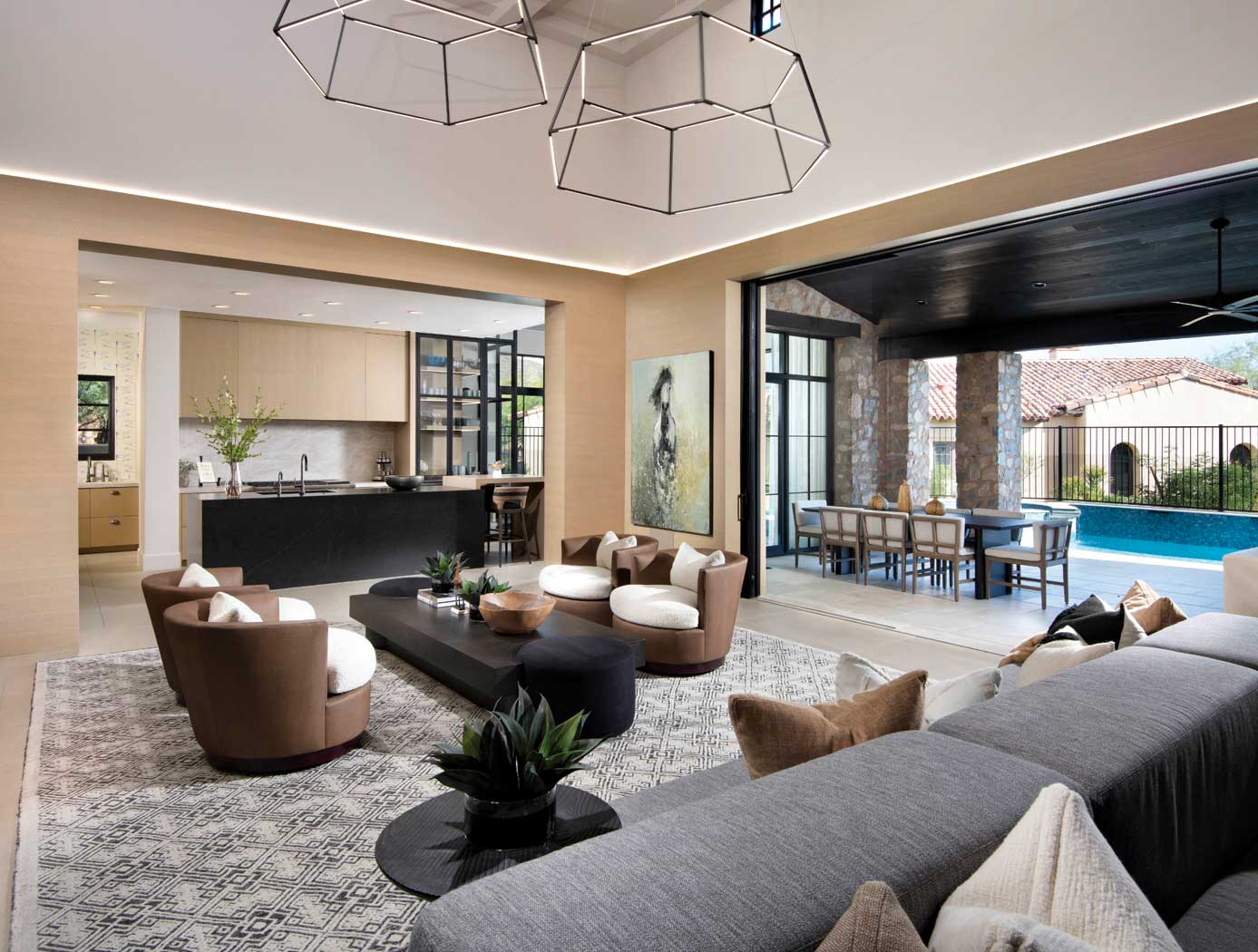
Open-concept layouts offer undeniable advantages. They create a sense of spaciousness, enhance natural light and foster social interaction, making it easier to entertain and connect. Additionally, they provide opportunities for a unified design, where kitchen and living spaces can feel harmonized through cohesive colors, textures and furniture zoning. Thoughtful layouts can still maintain defined areas within the openness by strategically arranging furniture or using elements such as rugs and lighting.
However, open-concept designs also present challenges. Noise from cooking and entertainment travels more easily, which can disrupt activities or conversations. A lack of privacy and the visibility of kitchen clutter may also be considerations, especially during gatherings. If spaces lack a cohesive design, they can feel disjointed, and without defined zones, certain areas may seem too open or underutilized. Ultimately, both open and defined layouts can work beautifully when tailored to your needs.
I want to update my kitchen without doing a full gut renovation. What are some changes I can make to refresh the space without a major overhaul?
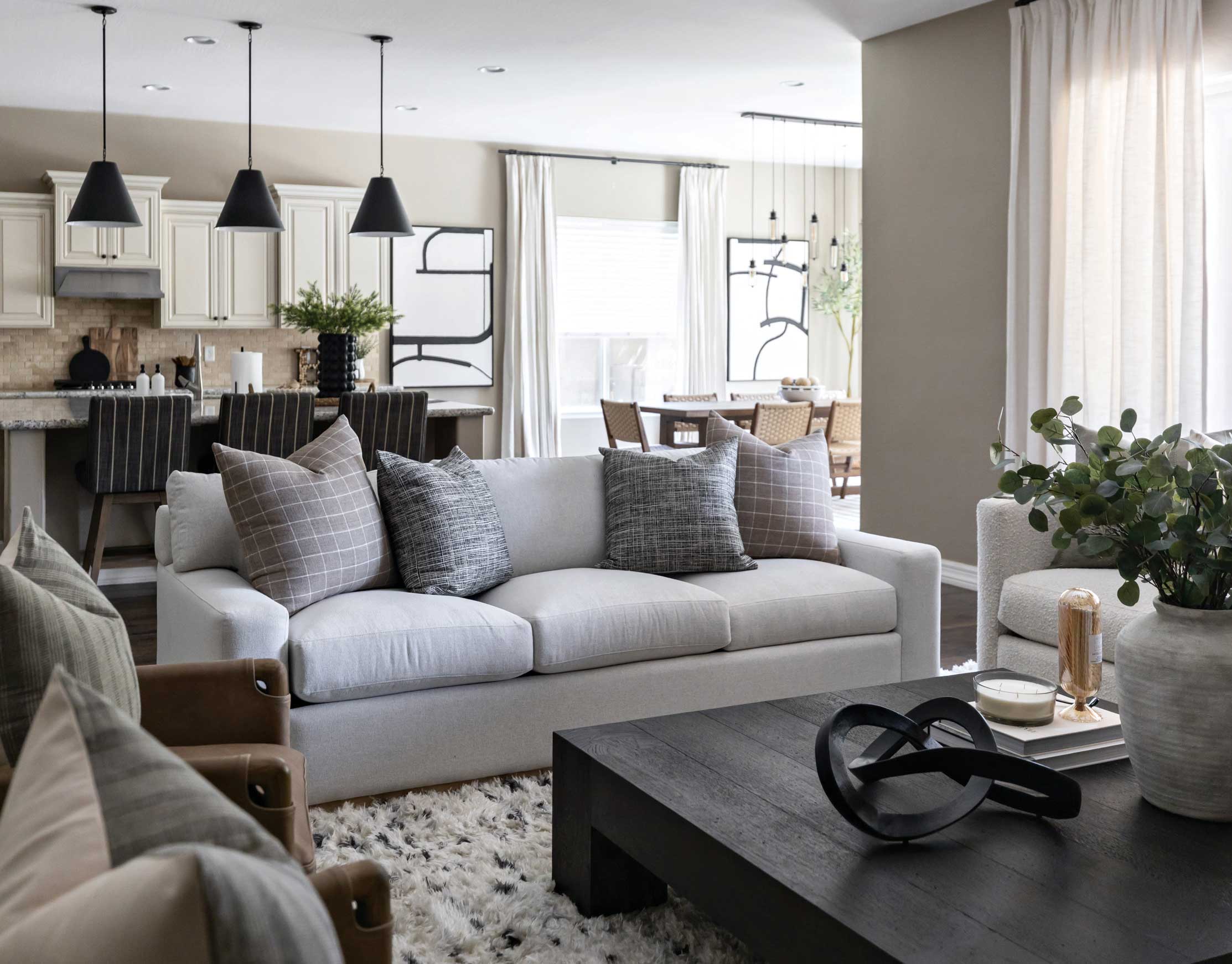
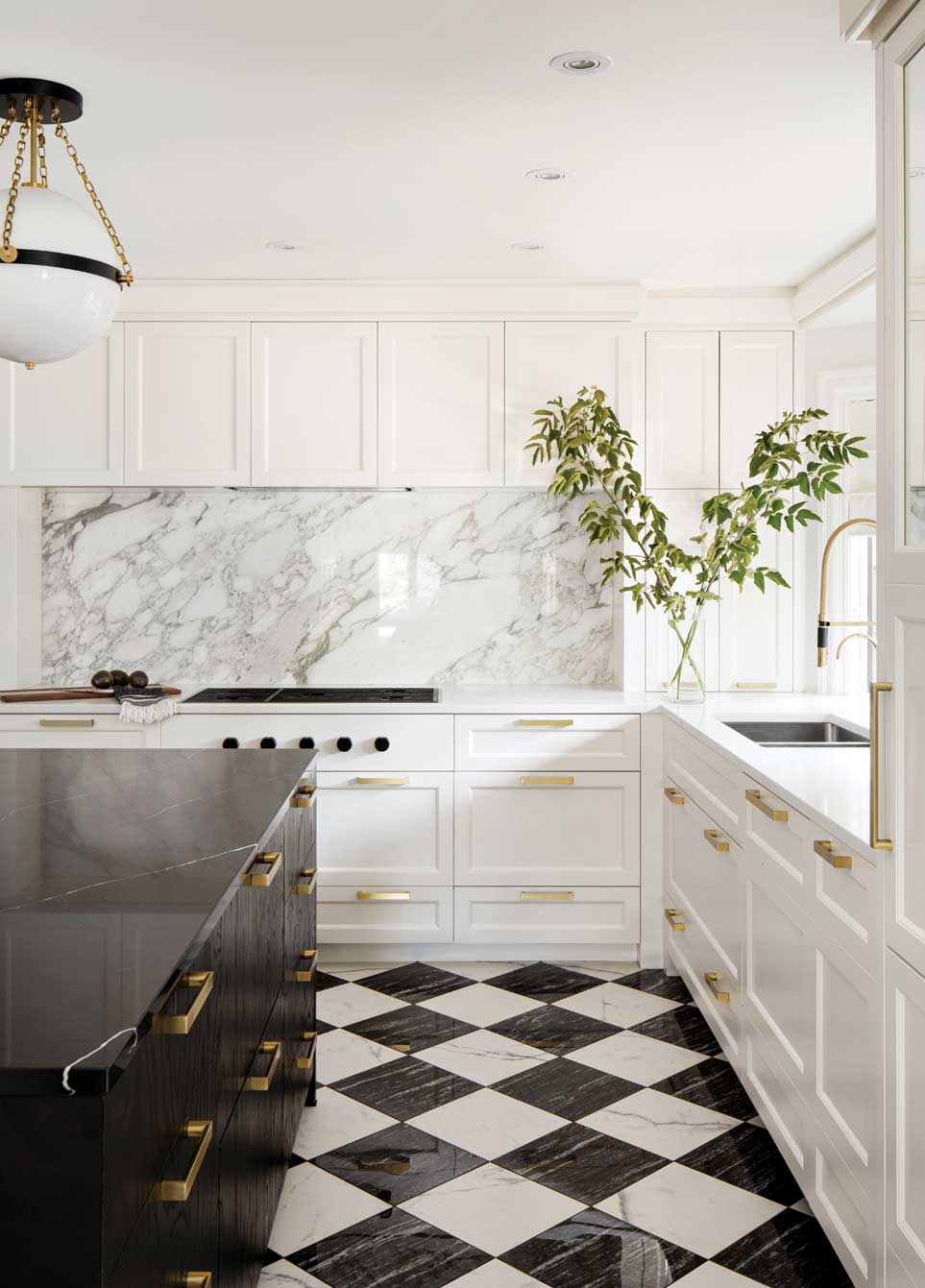
Let’s say your out-of-date kitchen includes white cupboards from years ago. Instead of a full renovation, I suggest giving the space a new ‘outfit,’ while using the basic existing cabinets as a neutral backdrop. Here are some ways to achieve that:
- New ‘show-off ‘ statement pulls and hardware will refresh the basic cabinets with some bling and eye-catching drama.
- Updated flooring can radically change the impact of a basic cabinet. Focus on a pattern or color that makes the old, tired cabinets shine again.
- Upgrade with style-defining light fixtures. Replace old can lights or dated pendants with standout lights to make a statement and brighten things up.
- If you want to take it a step further, replace the island itself (or paint the existing island ) with a high-contrast cabinet wood, or match the style to the kitchen cabinets. It will give a new focus and a centerpiece that redirects the whole kitchen.
Builder
Derrick Willett, vice president of renovations, Cullum Homes
cullumhomes.com
We bought a dated estate property with good bones, but we want to modernize the layout, finishes and outdoor flow. What are the most impactful structural changes you’ve seen in luxury home remodels?
Many older homes are purchased because they have what we refer to as ‘good bones.’ In the building industry, that means the dwelling has solid fundamentals, such as ample square footage, well-placed rooms, adequate ceiling heights and major systems that can be preserved. In these cases, the most transformative updates often come from opening up interior spaces and refreshing finishes to reflect modern living.
Over the past 40 years, one of the most significant shifts in residential design is the move from compartmentalized layouts to open-concept living. During a renovation, we often improve a home’s functionality by removing non-load-bearing walls to create a more seamless and connected flow throughout the main living areas. Updating cabinetry, countertops, flooring, paint and fixtures further enhances the feel of the home and brings it into the present.
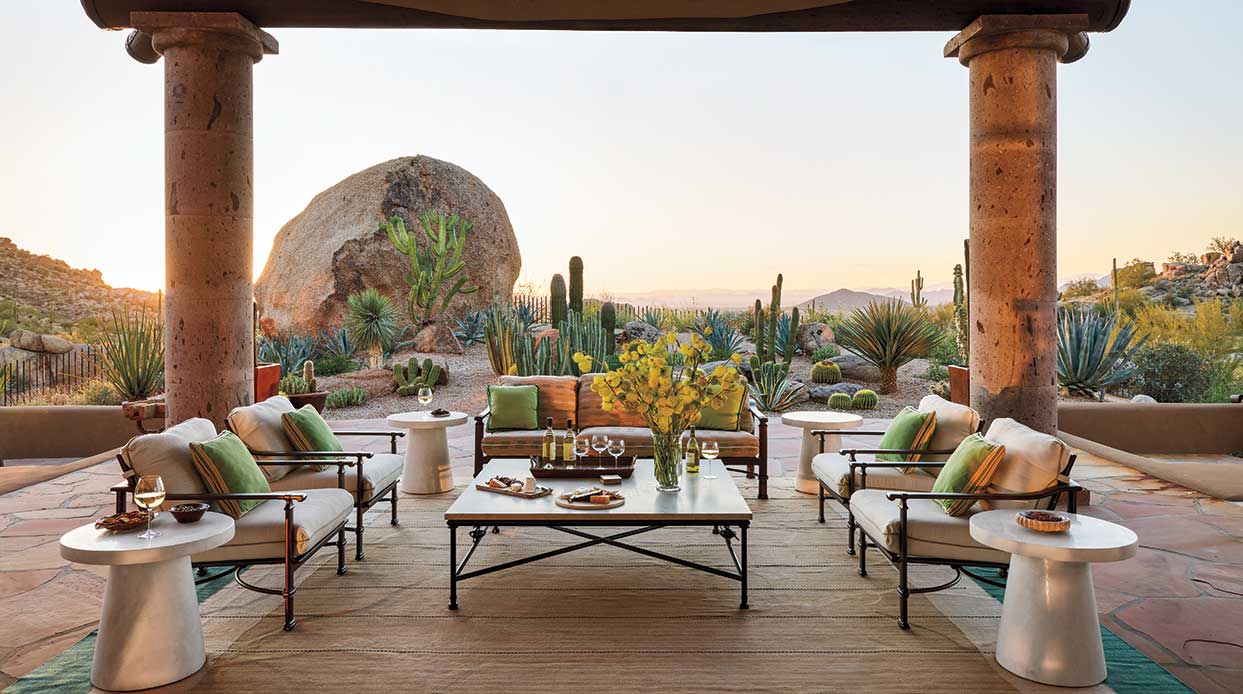
For outdoor areas, replacing heavy materials such as flagstone or volcanic stone (cantera) with lighter, neutral-toned options such as travertine or limestone can instantly modernize the space. We also focus on reshaping walkways and patios to create a smoother connection between indoor and outdoor living.