


6 Top Seeds at This Year’s Great American Seed Up
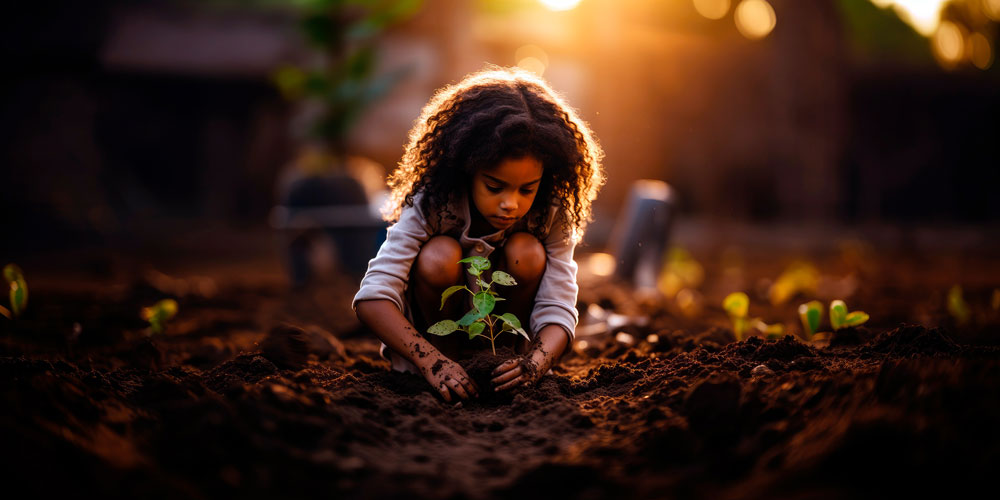
A popular seed-buying bazaar is back for its 10th year. The Great American Seed Up returns to North Phoenix Baptist Church (5757 N. Central Ave.) Oct. 11 and 12.
Available seeds include garden staples such as lettuces, tomatoes and peas, as well as heritage grains and beans, all of which shoppers can purchase at a fraction of retail cost. “People realize it’s not only something we should be doing economically—it’s better for our health,” says event co-founder Bill McDorman. “You can get better plants, and that’s what we’re evangelists for.”
During the opening evening, James Beard Award-winning baker Don Guerra of Tucson’s Barrio Bread will share his story and provide bread samples. Go to phgmag.com/sonoran-scout for a list of some of the most popular and unique seeds for purchase.
McDorman and event co-founder and wife Belle Starr share some of the most popular and unique seeds that will be available for purchase. Organizers will provide growing information, and experienced gardeners will be on hand to answer questions and share tips. McDorman and Starr also recommend using the desert planting and harvest calendar from Great American Seed Up co-founder Greg Peterson.
1. White Sonoran Wheat
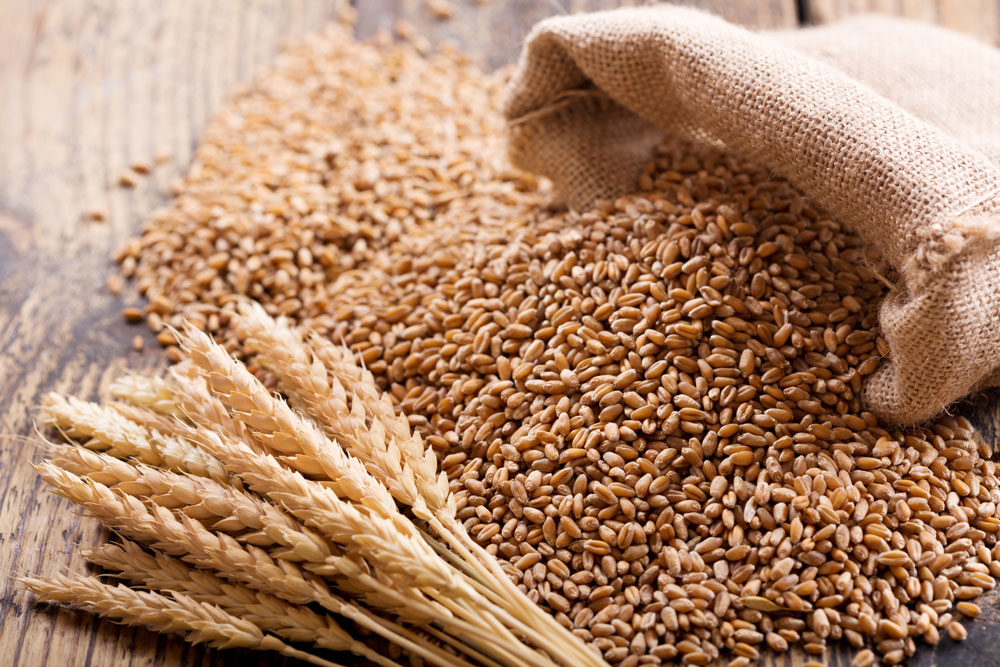
Wheat was introduced in Arizona by Catholic missionaries in the late 1600s. Cultivation of drought-hearty wheat, such as White Sonoran Wheat, continues thanks to a collective of local heritage seed advocates, growers, millers and bakers like Guerra. Despite the acres of amber waves of grain that may come to mind, McDorman says there’s a growing movement to raise small plots of wheat in home gardens.
2. Anasazi Beans

These legumes, which look like a smaller pinto bean, were found in a clay pot in the Grand Canyon in the early 1900s. The beans are a good choice, McDorman and Starr say, for their taste, nutrition and long storage life. McDorman says the beans can be dried on the vines and then removed from their pods.
3. Glass Gem Corn
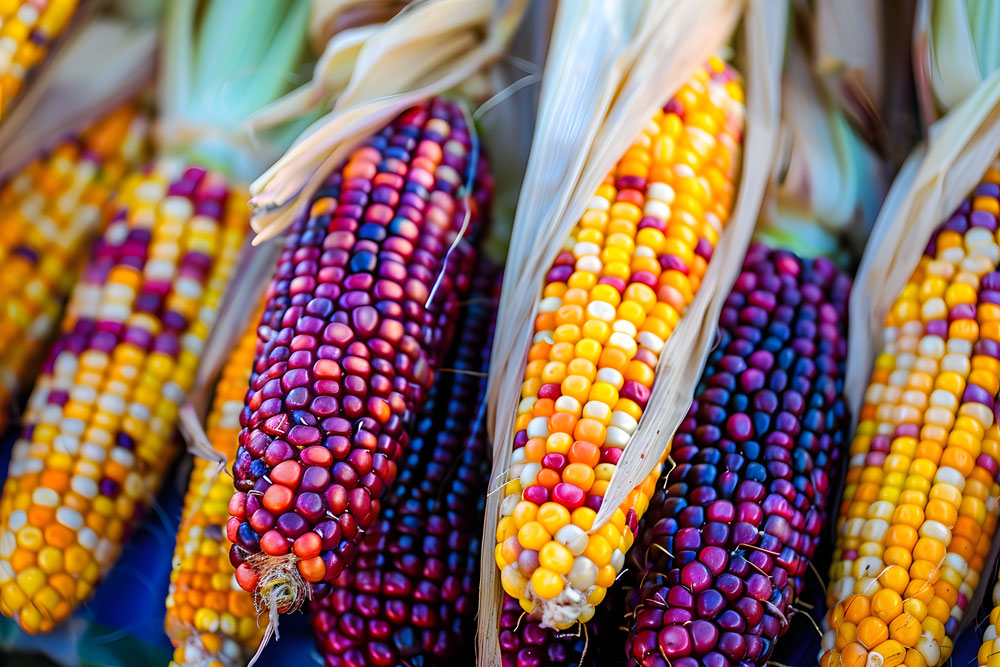
This translucent, multi-colored, jewel-toned corn went viral when Native Seed Search began selling its seeds, which get their vivid, varied colors from crossing several traditional corn varieties. Glass gem is a flint corn, which makes it ideal for grinding into a meal or popping but not for eating off the cob.
4. Sugar Ann Snap Peas
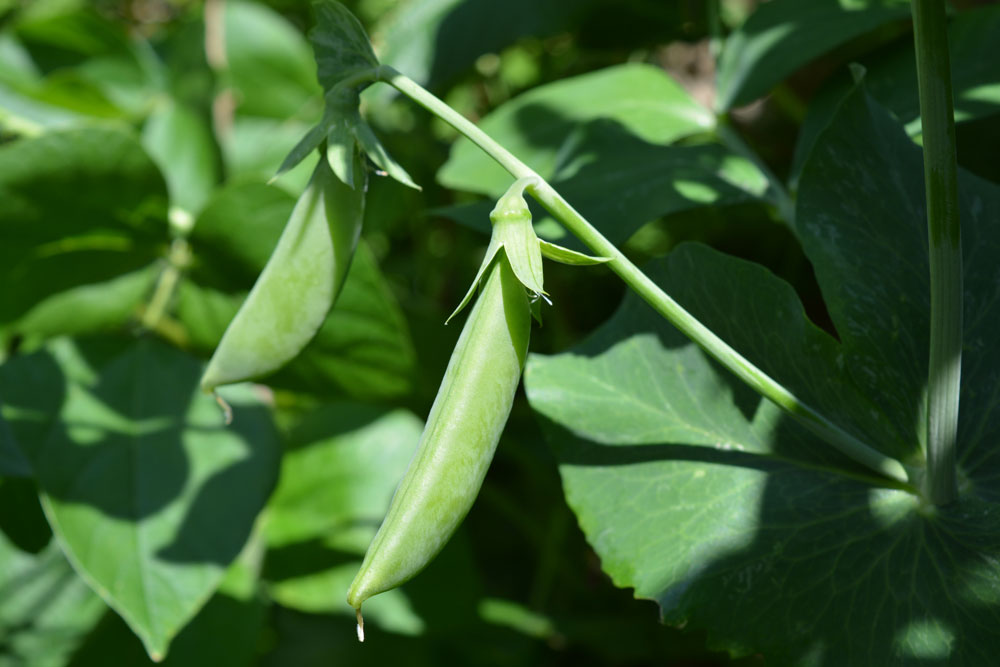
Starr jokes that most of their sugar snap peas never make it into the kitchen and are more often eaten right after plucking in the garden. No matter where they’re eaten, these sweet peas are a favorite because they’re compact, easy to grow in the winter and popular among all ages — ideal for getting children interested in gardening and eating their vegetables.
5. Arugula
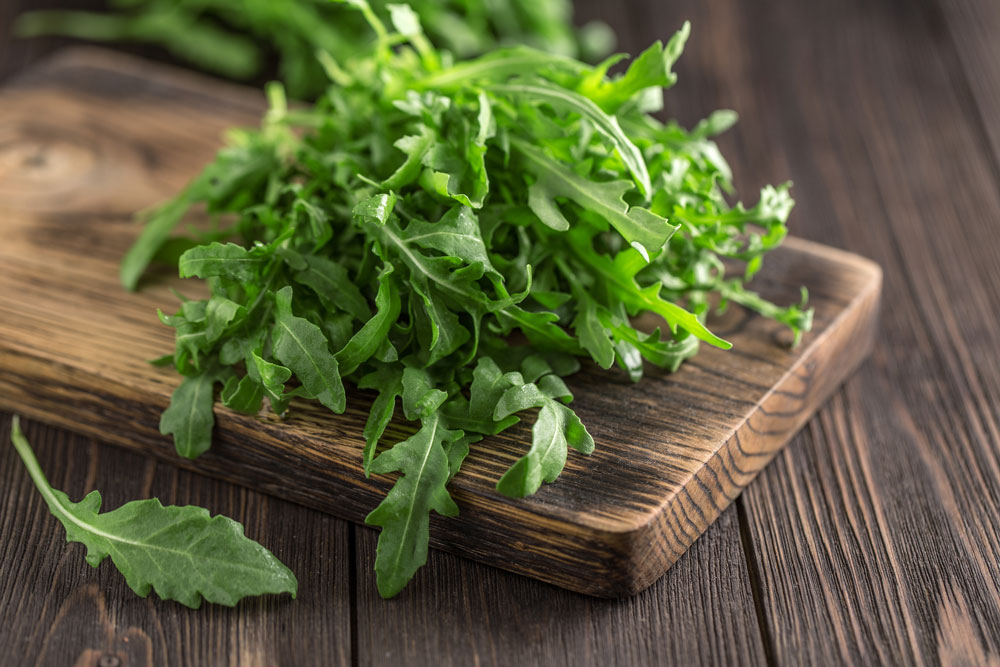
The peppery green is one of many lettuces available at the Great American Seed Up. While lettuces can be challenging to grow in warmer climates, McDorman and Starr note that growing greens under tree cover or using sun-filtering shade cloth can be ways to stave off the sun’s rays.
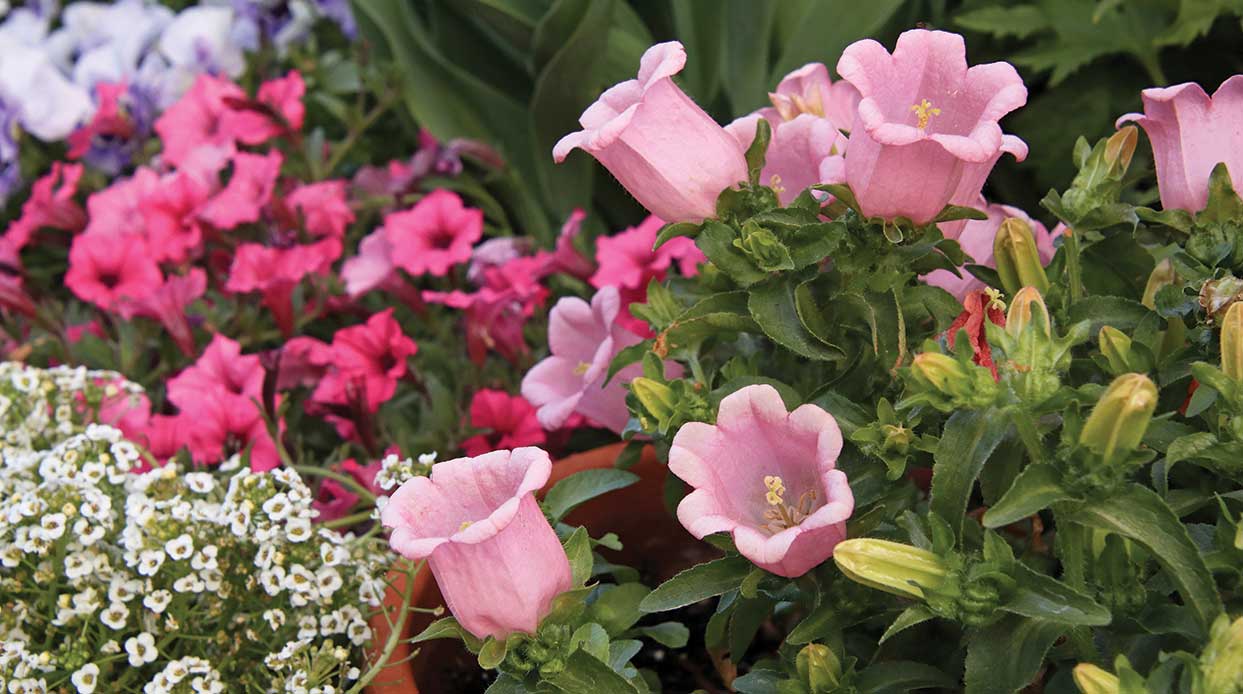
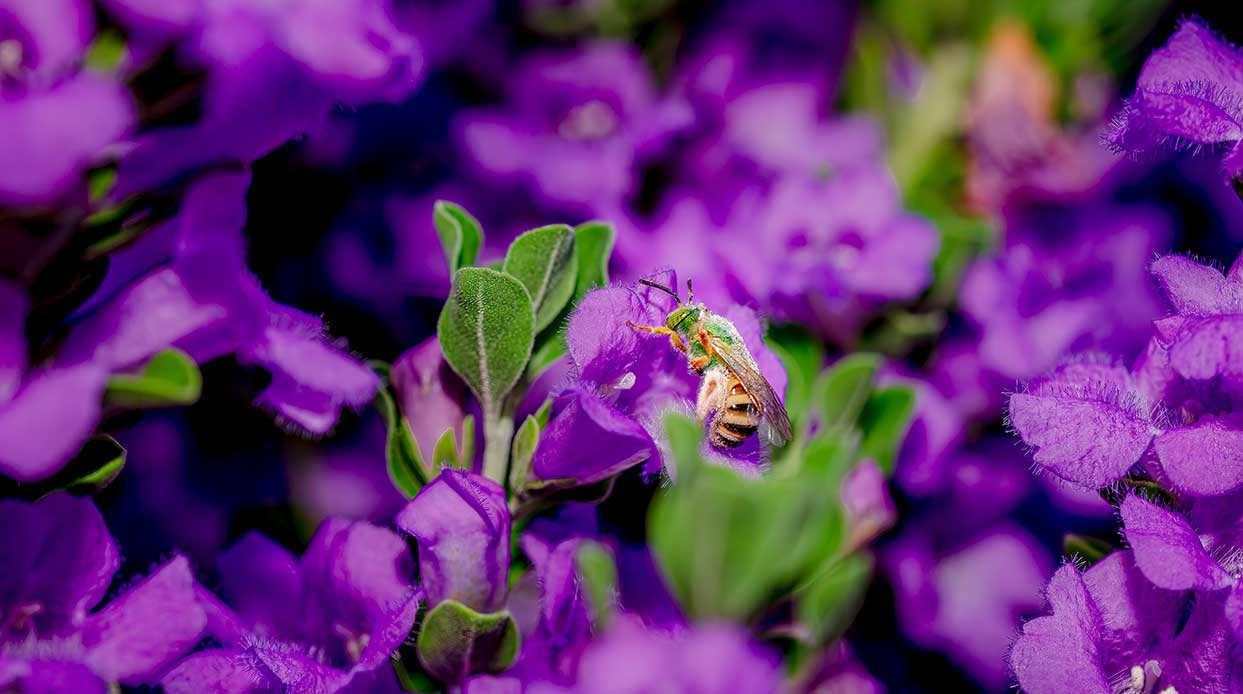
6. Edible Flower Mix
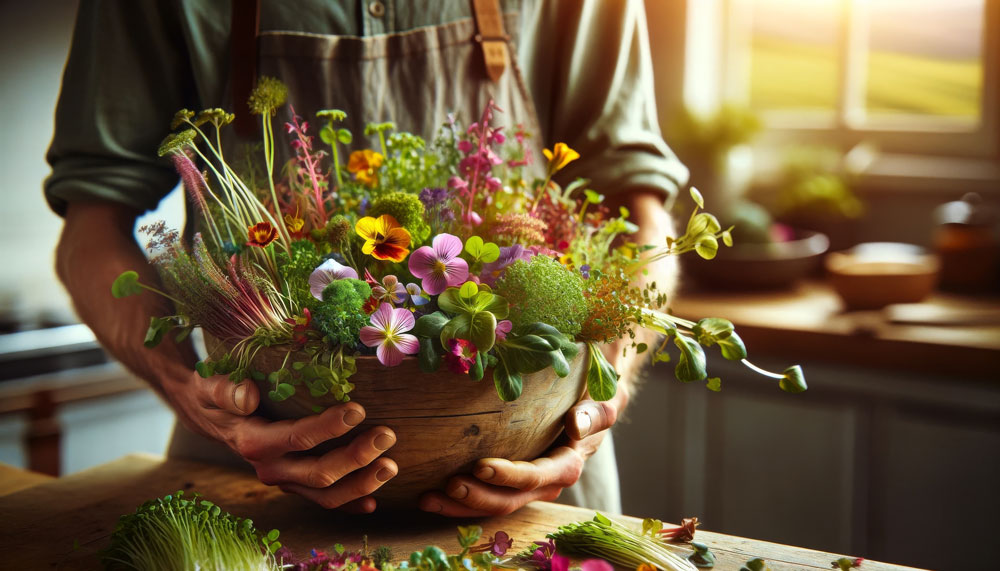
Flowers can be important additions to any garden, supporting the soil, attracting pollinators and helping with pest management. But this mix—which can include chives, lemon mint, pansy, English daisy, lavender hyssop and more—can also be eaten. With an array of plants in the mix, flavors can vary from sweet botanical to licorice and herbal mint to spicy pepper. McDorman and Starr like using edible flowers as colorful additions to a salad or garnish in a drink.