



6 Sustainable Kitchen Hacks to Try In 2025
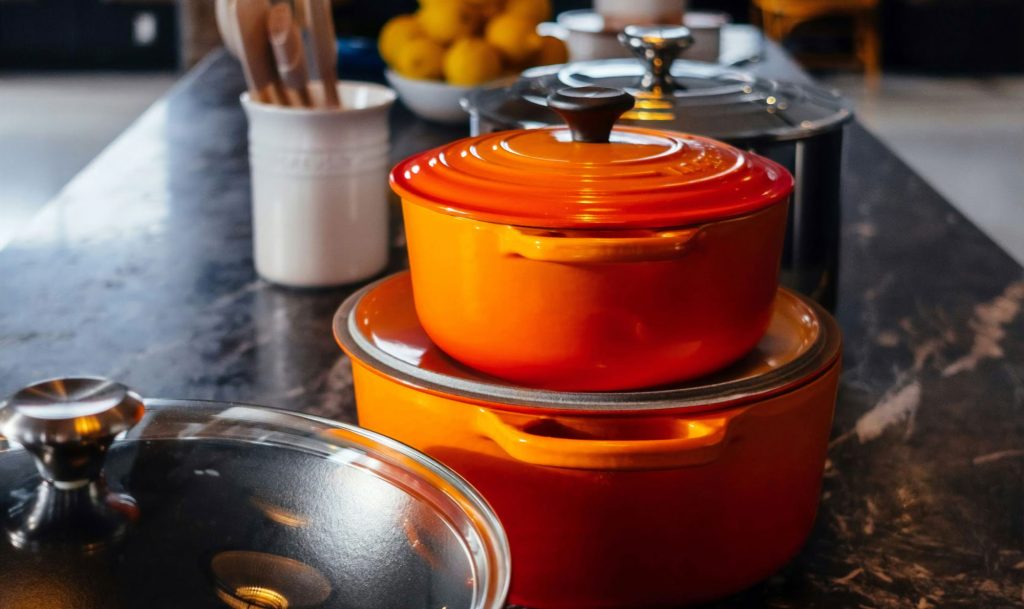
Eco-conscious and cost-conscious consumers looking for budget-friendly yet high-quality cookware can rejoice in Kitchen Switchen, the only online reseller marketplace exclusively for cookware. The website offers gently used cookware from chef-approved brands like KitchenAid, Le Creuset and Our Place for a mere fraction of the retail price.
Founded in Phoenix by mother-daughter trio Amy Powers, Brittney Valentine and Emma Valentine, Kitchen Switchen derived from the desire to provide a “conscious culinary community” where culinary enthusiasts can not only shop sustainably, but also share recipes, cookbooks and meal plans, take homemaking classes and more while helping the environment.
“At Kitchen Switchen, we are pioneering a new era of kitchenware responsibly exchanged reselling, focusing on sustainability, eco-friendliness, and healthy lifestyles,” says co-founder Brittney Valentine. “Our marketplace is dedicated to fostering a fully conscious culinary community that values both the planet and personal well-being, one pot and pan at a time.”
Here is Valentine’s personal “Kitchen Switchen” list to help you create a sustainable kitchen.
Brittney Valentine’s Kitchen Switchen List
1. Say Goodbye to Forever Chemicals
“If you’ve had your cookware for years, especially non-stick items like pots and pans, there’s a chance they’re coated with harmful chemicals like PFOA and PFAS. These can leach into your food over time. Instead, opt for healthier alternatives like cast iron or stainless steel, which can last for generations.” — BV
2. Ditch the Plastic
“Have you ever thought about where all that plastic ends up? Not only can old plastic containers warp and crack, but many contain BPA or other chemicals. Switch to glass or silicone alternatives that are safer and infinitely reusable.” — BV
Plastic Switches:
● Instead of using plastic Tupperware for leftovers, switch to glass food storage containers
● Opt for metal utensils over plastic ones
● Take cereal out of the plastic bag it comes in and store it in a reusable glass cereal storage container or large glass jar
● Carry to-go lunches in a stainless steel bento box instead of plastic sandwich bags
3. Use Wood Cutting Boards
“Plastic cutting boards are everywhere, but every time you slice into them, tiny particles of plastic can end up in your food. Yikes! Go for wooden cutting boards instead—they’re naturally antimicrobial and much kinder to the environment.” — BV
4. Less is More
“In today’s world, it’s so easy to get caught up in buying the latest gadget. But it’s time to focus on multifunctional items. Brands like Our Place offer cookware that can be used in multiple ways, reducing the need for cluttered cupboards filled with single-use tools.” — BV
5. Replace Responsibly
As you make these sustainable switches, Valentine emphasizes the importance of discarding no longer needed cookware responsibly.
“When switching out kitchen gear, don’t just throw it in the trash. Many of these items contain materials that are harmful to the environment. Find a local safe disposal site to handle them properly.” — BV
6. Re-commerce Over E-commerce
Valentine’s final point is simple yet powerful: re-commerce is the future. She encourages consumers to shop intentionally by opting for second-hand, well-loved kitchen items instead of always buying new ones.
“You don’t need more kitchen items, you need better ones. By choosing re-commerce you’re giving new life to quality items and helping to keep our planet healthier.” — BV