
5 Colorful Plants That Attract Pollinators in Arizona

Growing your own pollinator garden that attracts birds, bees and butterflies can be as simple as picking a card from “The Pollinator Garden Planning Deck.” The 109-card stack ($20, thatsaplentyfarm.com), which will be released on Feb. 27, provides details for gardeners of any level on selecting and planting an assortment of wildflowers, shrubs, trees and grasses that beautify yards and provide a habitat for wildlife.
This is the first edition of the deck from Cathy, Michael and Jenny Katz of That’s a Plenty Farm in Hadley, Massachusetts. The impact of pollinators cannot be overstated, co-author Cathy Katz says: “They simply live their lives and do their work of keeping the plants on the earth growing.”
The authors shared five plants that attract pollinators and can thrive in the Valley’s dry climate.
The Birds and the Bees: Plants for Pollinators
1. Big Leaf Aster

Bigleaf Aster, or eurybia macrophylla, has large, heart-shaped leaves and makes good ground cover in shaded areas. The plant can tolerate salt and drought. It will grow 1- to 3-feet tall and features white petalled flowers. Bigleaf aster will attract and nourish bees and butterflies. Songbirds also like the plant’s seeds, the deck says.
2. Butterfly weed

Butterfly Weed, or asclepias tuberosa, is also commonly called orange milkweed because of the vibrant color of its flowers. These plants will attract bees and hummingbirds and will host monarch butterflies – who lay eggs on milkweed. Butterfly weed can tolerate poor soil, wind, and drought.
3. Harebell
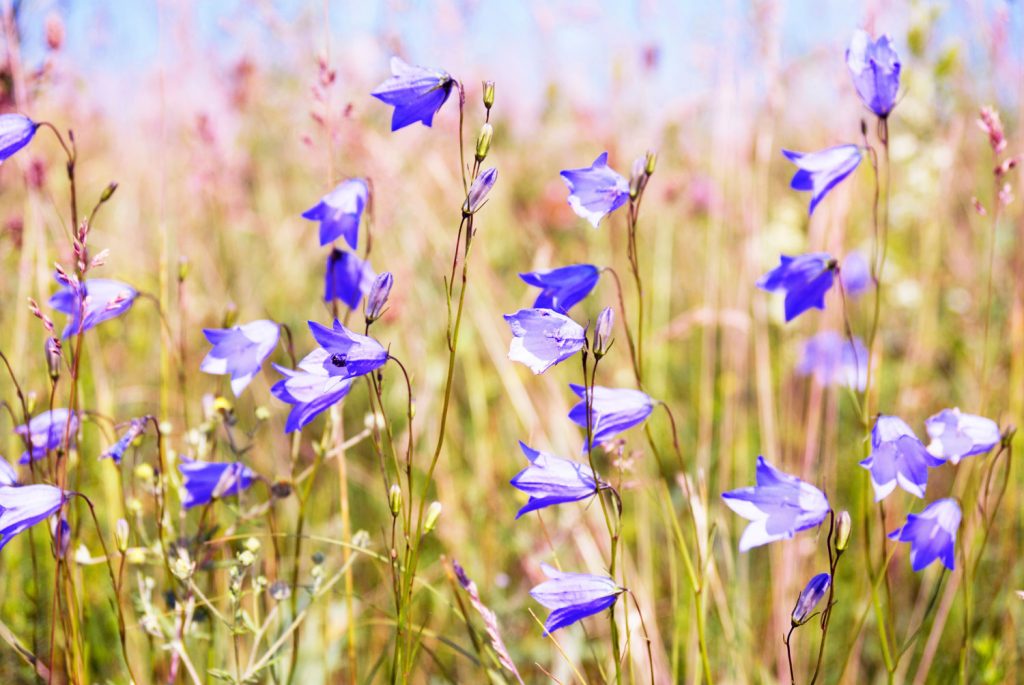
Harebell, or campanula rotundifolia, is a bell-shaped blue wildflower that grows about a foot tall, according to the deck. Harebell will also tolerate salt, rocky soil and drought. It is also deer and rabbit-resistant. These flowers do best in partial shade to full sun and will attract birds and bees.
4. Sundial Lupine
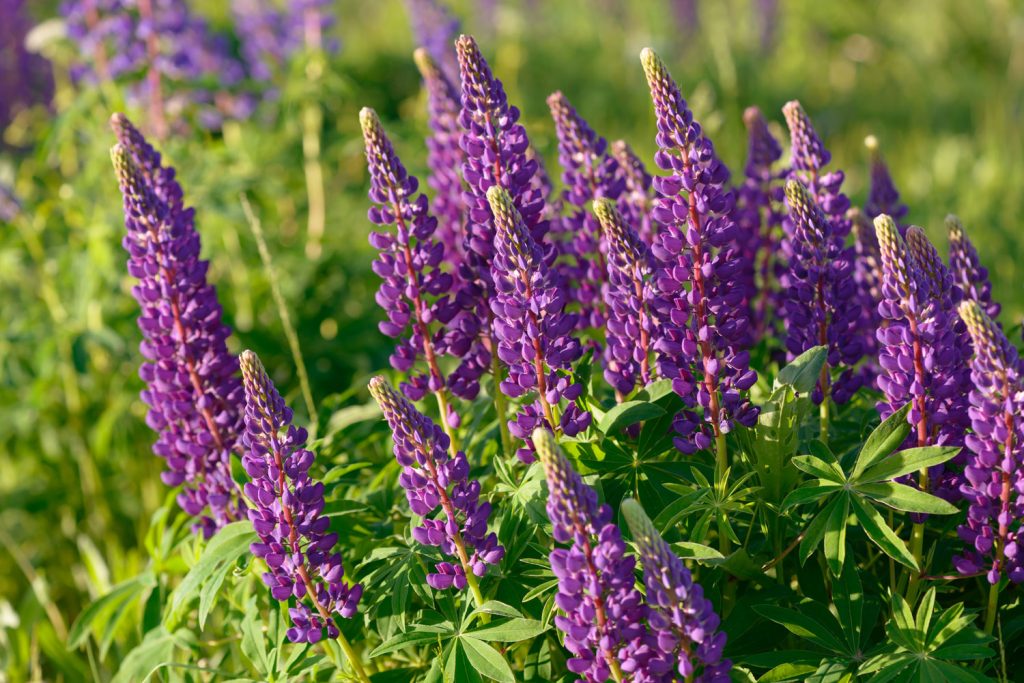
Sundial Lupine, or lupinus perennis, can tolerate most dry soil types, including sand and gravel. The stemmed plant is dotted with pea-sized violet flowers. Lupine is a legume, which fixes the nitrogen in the soil—an added benefit in addition to attracting and nourishing birds, bees and butterflies.
5. Wild Bergamot

Wild bergamot, or monarda fistulosa, grows 2- to 6-feet tall, featuring large round pink fragrant blooms. Wild bergamot will tolerate poor clay soil and heat and needs partial shade to full sun. The plant will attract a number of bees, butterflies, moths, hummingbirds and songbirds.
The team also shares that if you’re unable to find these plants or seeking an alternative to reach out to a local nursery and inquire about other native plants.