



4 Plants That Repel Mosquitos in Your Garden

These pest-deterring plants add beauty and fragrance to desert gardens.
By Lori A. Johnson
Lemongrass
(Cymbopogon citratus)
Perennial | Yellow; summer to fall | 2′-4’H by 2′-3’W | Well-drained loamy soil | Zones 10-11 | Full sun | Medium water; low maintenance | Attracts: Bees
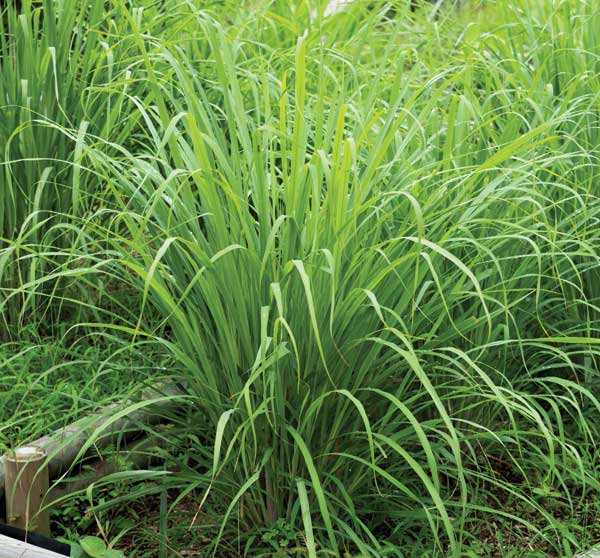
Lemongrass contains citronella, a well-known natural insect repellent. Lemongrass is best known for its many culinary, medicinal and cosmetic applications. Its lemony scent adds a pleasant fragrance to the garden. While safe for human consumption, lemongrass should be considered toxic to cats and dogs.
WHY WE LIKE IT: With its tall, slender leaves and graceful arch, lemongrass adds texture and evergreen visual interest when planted in beds or along borders and can even be grown in containers. While it can occasionally flower, the small pale-yellow blooms are inconspicuous.
Mexican Marigold
(Tagetes lucida)
Perennial | Gold; summer to fall | 8″-4’H by 1′-2’W | Well-drained soil | Zones 8-11 | Full sun | Medium water; low maintenance | Attracts: Bees, birds, butterflies
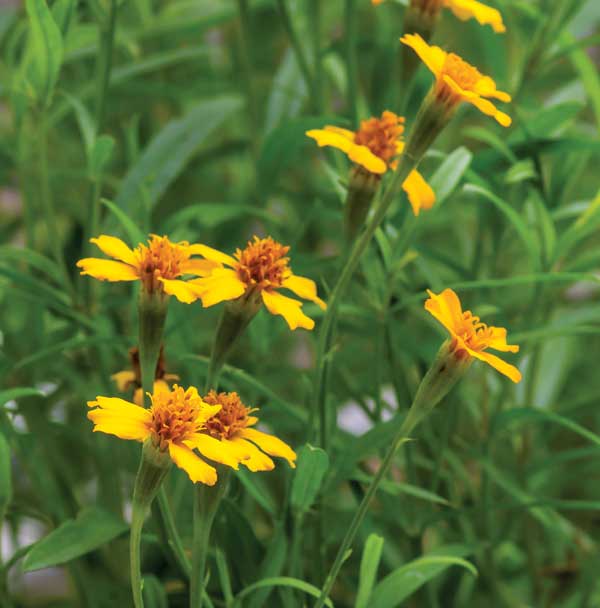
Also known as Mexican tarragon, Mexican marigold is known to attract a variety of beneficial pollinators, while at the same time, serving as a deterrent to unwanted pests. Easy to grow and drought-tolerant, this plant has many culinary and medicinal uses, as well as cultural and symbolic meaning.
WHY WE LIKE IT: When brushed against, the leaves release their sweet, anise-like scent, making this marigold ideal for use along patios and walkways. Due to its pest-deterrent properties, it makes a great companion plant in both flower beds and vegetable gardens.
Catnip
(Nepeta cataria)
Perennial | White or lavender; summer to fall | 2′-3’H by 2′-3’W | Well-drained soil | Zones 3-9 | Full or partial sun | Medium water; low maintenance | Attracts: Bees, butterflies
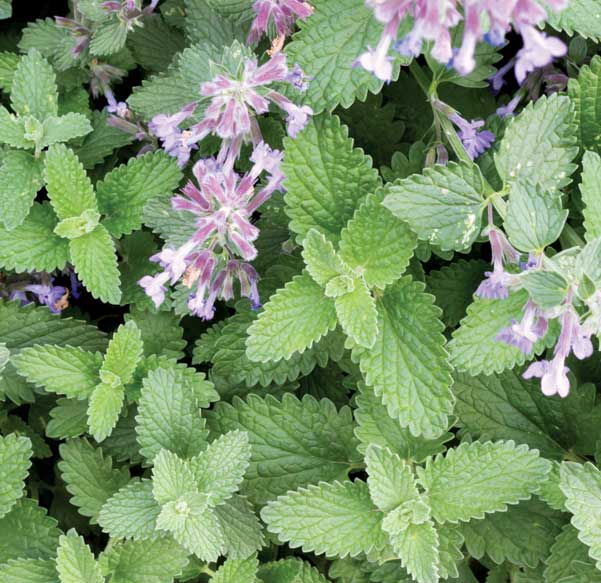
Catnip may be best known for its use as a natural stimulant for cats due to an active chemical in its essential oil called nepetalactone, which also repels mosquitoes and other pests. It’s also used as a folk remedy in some cultures. While easy to grow, it may become invasive if left unchecked.
WHY WE LIKE IT: Catnip is a member of the mint family and, as such, has a long history of medicinal use. Its attractive gray-green foliage produces small lavender to white tubular flowers with purple spots during late spring through early fall. Catnip is ideal for use as a companion plant in beds or containers.
Rosemary
(Rosmarinus officinalis)
Perennial | Pale lavender; winter to spring | 2′-6’H by 2′-5’W | Well-drained soil | Zones 8-12 | Full sun | Low to medium water; low maintenance | Attracts: Bees, birds, butterflies
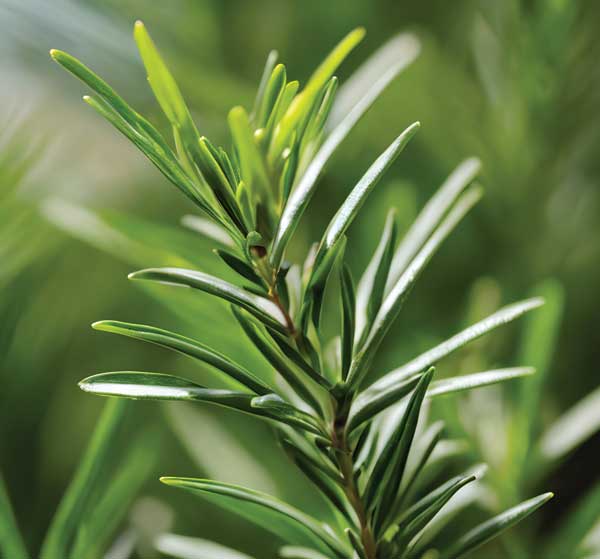
Native to the Mediterranean regions, rosemary is an aromatic herb with many culinary uses and medicinal properties, and its essential oil is used in aromatherapy. Despite its pleasant scent for humans, it is a natural insect repellent for mosquitoes, flies and other pests.
WHY WE LIKE IT: This ornamental evergreen shrub thrives in dry, sunny conditions and is well suited for desert landscapes. Its clusters of tiny pale blue to lavender blooms add visual interest to garden beds and borders. When used as a ground cover, especially near walkways, its fragrant foliage releases its scent when brushed against.